
In the world of medical device manufacturing, precision isn't just about the devices themselves—it's about every single component that touches the production process. Walk through a state-of-the-art medical facility, and you'll notice the immaculate cleanrooms, where even a stray particle could compromise a life-saving tool. But beyond the HEPA filters and sterile gowns, there's a quieter hero at work: the humble plastic pipe end cap. These small, unassuming components play a critical role in maintaining the strict cleanroom standards that keep medical devices safe, reliable, and compliant. Today, we'll explore why these caps matter, how they integrate with lean systems and stainless steel pipe series, and why they're non-negotiable for any facility serious about patient safety.
The Stakes of Cleanroom Standards in Medical Device Production
Cleanrooms aren't just "clean"—they're meticulously controlled environments designed to minimize contamination. For medical device manufacturers, this isn't optional. Organizations like the FDA and ISO set rigorous benchmarks (think ISO 14644-1 for air cleanliness or FDA's Current Good Manufacturing Practices) because the stakes couldn't be higher: a single contaminated catheter, pacemaker, or surgical tool could lead to infections, product recalls, or worse, patient harm.
What makes these standards so challenging? Medical cleanrooms must control everything from airborne particles (down to 0.1 microns) to temperature, humidity, and even electrostatic discharge (ESD). And it's not just the air—surfaces, tools, and yes, even the pipes and structural components of production lines must resist harboring bacteria, shed no particles, and withstand aggressive cleaning protocols (think harsh disinfectants or autoclaving). Every detail counts, and that's where components like plastic pipe end caps step into the spotlight.
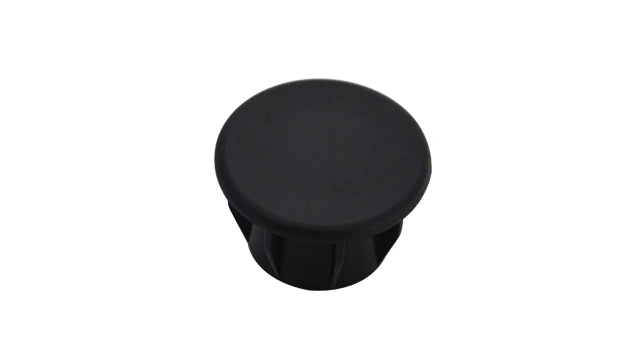
Plastic Pipe End Caps: Small Components, Big Impact
At first glance, a pipe end cap might seem trivial. After all, it's just a cap that seals the end of a pipe, right? But in a cleanroom, "just" doesn't exist. Let's break down why these caps are critical:
Sealing Out Contamination
Pipes are everywhere in medical production lines—they form the backbone of workbenches, flow racks, and material transport systems. Without a secure end cap, open pipe ends become magnets for dust, debris, and moisture. Over time, these contaminants can dislodge, floating into the air or settling on devices. A well-designed plastic pipe end cap creates a tight seal, eliminating this risk entirely. Unlike makeshift solutions (like tape or foam), which can degrade, shed particles, or trap moisture, purpose-built caps are engineered to stay put and stay clean.
Hygienic by Design
Not all end caps are created equal, especially when it comes to hygiene. Plastic pipe end caps shine here for three key reasons:
- Smooth, Seamless Surfaces: High-quality plastic caps are molded with no crevices, seams, or rough edges—places where bacteria love to hide. This makes them far easier to sanitize than metal caps with welded joints or threaded edges that can trap residue.
- Non-Porous Materials: Materials like medical-grade polypropylene (PP) or polyethylene (PE) are non-porous, meaning they don't absorb liquids or chemicals. This resistance is crucial when cleanrooms use strong disinfectants (like hydrogen peroxide or alcohol) daily. Unlike porous materials, plastic caps won't harbor odors, stains, or microbial growth.
- Lightweight and Corrosion-Resistant: Unlike metal, plastic doesn't rust or corrode. In humid cleanrooms or environments with frequent washdowns, this longevity reduces the need for frequent replacements—saving time and minimizing disruptions to production.
Cost-Effective and Versatile
Medical manufacturing is under constant pressure to balance quality with cost, and plastic pipe end caps deliver here, too. They're typically more affordable than stainless steel alternatives, especially for large-scale production lines. Plus, their lightweight design makes them easy to handle during assembly—reducing strain on workers and speeding up setup. And because they're compatible with a range of pipe materials (including stainless steel pipe series and aluminum profiles), they offer flexibility for facilities with mixed modular systems.

Comparing Materials: Plastic vs. Stainless Steel vs. Aluminum End Caps
Plastic isn't the only option for end caps, of course. Stainless steel and aluminum are common alternatives, each with pros and cons. Let's break down how they stack up in a cleanroom setting:
| Material | Hygienic Score (1-10) | Durability (1-10) | Cost (1-10, 1=Lowest) | Weight (1-10, 1=Lightest) | Cleanability (1-10) |
|---|---|---|---|---|---|
| Plastic (PP/PE) | 9 | 7 | 2 | 1 | 9 |
| Stainless Steel | 8 | 10 | 8 | 8 | 7 |
| Aluminum | 6 | 6 | 5 | 3 | 5 |
*Scores based on cleanroom-specific criteria: hygiene (resistance to microbial growth), durability (wear/ corrosion resistance), cost (per unit), weight (ease of handling), cleanability (ease of sanitization).
As the table shows, plastic leads in hygiene, cost, weight, and cleanability—making it the top choice for most cleanroom applications. Stainless steel, while incredibly durable, is heavier and pricier, better suited for high-impact areas (like heavy machinery frames) where weight isn't a concern. Aluminum, though lightweight, is more porous than plastic and prone to scratching, which can trap contaminants over time.

Integrating Plastic Pipe End Caps with Lean Systems
Medical device manufacturers don't just care about cleanliness—they also strive for efficiency, which is where lean systems come into play. Lean principles focus on eliminating waste, streamlining workflows, and maximizing value, and plastic pipe end caps align perfectly with these goals.
Modular Flexibility for Agile Production
Lean systems thrive on modularity—being able to reconfigure workbenches, flow racks, or conveyor lines quickly to adapt to new products or higher demand. Plastic pipe end caps support this flexibility because they're easy to install and remove. Unlike welded metal caps, which require tools and time to adjust, plastic caps often snap or twist into place, allowing workers to reconfigure lines in minutes, not hours. This agility is a game-changer for facilities producing multiple device types or running small-batch, high-variety operations.
Reducing Waste in Maintenance
Lean systems hate waste—whether it's time, materials, or labor. Plastic pipe end caps minimize maintenance waste in two ways: First, their durability means fewer replacements. Second, their easy cleanability reduces the time spent sanitizing. For example, a study by a leading medical device manufacturer found that switching to plastic caps cut weekly cleaning time for their workbench pipes by 30%—time that could be redirected to more critical tasks, like quality checks or production.
Supporting Ergonomic Workbenches
Ergonomics is a cornerstone of lean systems, as comfortable workers are more productive and less prone to errors. Plastic pipe end caps contribute here, too. Their lightweight design reduces the overall weight of modular workbenches, making them easier to move or adjust. Plus, their smooth edges eliminate sharp corners, reducing the risk of cuts or scrapes during assembly—keeping workers safe and focused.
Choosing the Right Supplier: What to Look For
Not all plastic pipe end caps are created equal, and choosing the right supplier is as important as choosing the caps themselves. Here's what to prioritize when evaluating a supplier:
Certifications and Compliance
First and foremost, ensure the supplier's caps meet medical-grade standards. Look for certifications like ISO 13485 (specific to medical device manufacturing) or FDA compliance for materials. A reputable supplier should be able to provide documentation proving their caps are free from harmful additives (like BPA) and meet biocompatibility requirements—critical for devices that may contact patients.
Quality Control and Consistency
Cleanrooms can't afford inconsistencies. Ask about the supplier's quality control processes: Do they test every batch for dimensional accuracy (to ensure a tight seal)? Do they conduct microbial testing to verify non-porous properties? A reliable supplier will have strict QA protocols to ensure every cap performs the same—no surprises.
Customization Options
Your production line is unique, and your end caps should be too. Look for suppliers that offer customization, whether it's a specific color (to match ESD workstation color-coding), a specialized fit for non-standard pipe sizes, or caps with integrated features (like vent holes for pressure equalization in sealed systems). The best suppliers will work with you to design a cap that fits your exact needs.
Inventory and Lead Times
Production delays are costly, so choose a supplier with a robust inventory and short lead times. Ideally, they should stock common sizes (like 0.5 inch or 1 inch swivel roller balls compatible caps) and offer fast shipping. Some suppliers even provide just-in-time (JIT) delivery, helping you reduce inventory waste—a key lean principle.
Real-World Impact: A Case Study
To put this all in perspective, let's look at a real example. A mid-sized medical device manufacturer specializing in surgical instruments was struggling with frequent contamination issues on their assembly line. Their existing metal pipe end caps were rusting at the seams, creating tiny crevices where bacteria thrived. Despite rigorous cleaning, their QA team kept finding trace particles on devices, leading to failed inspections and costly rework.
After switching to hygienic plastic pipe end caps (specifically, smooth, seamless polypropylene caps from a certified supplier), the results were striking: Within three months, contamination incidents dropped by 45%. Cleaning time per workbench decreased by 25%, and the team reported fewer complaints about heavy, cumbersome metal caps during line reconfigurations. The ROI? The manufacturer estimates the switch saved them over $50,000 in the first year alone, between reduced rework, faster cleaning, and fewer replacements.
Conclusion: The Unsung Hero of Cleanroom Compliance
In the high-stakes world of medical device production, success lies in the details. Plastic pipe end caps may not grab headlines, but they're a cornerstone of cleanroom compliance, lean efficiency, and ultimately, patient safety. By sealing out contamination, resisting harsh cleaning protocols, and integrating seamlessly with modular lean systems, these small components deliver big value—proving that even the tiniest parts can make a life-saving difference.
So, the next time you walk through a medical cleanroom, take a moment to appreciate the pipe ends. Chances are, there's a plastic cap there working tirelessly to keep the air clean, the devices safe, and the production line running smoothly. And that's a detail worth celebrating.