- Company Articles
- Industry articles
- Industry standards
- Medical Device Production: Sterility & 2040 EU Standard Aluminum Profile Usage

Medical Device Production: Sterility & 2040 EU Standard Aluminum Profile Usage
Related Product
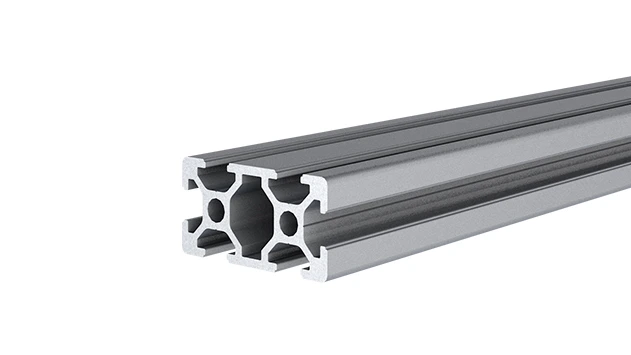
2040 EU Standard Aluminum Profile
2040 is a 2.00 x 4.00CM fractional 20 series square extrusion T-slot profile with four open T-slots, two side with 2.00cm face, the other side with 4.00cm face. The profile has align-a-grooves to assist in aligning connecting profiles.
Walk into any medical device production facility, and you'll immediately sense the gravity of the work happening there. Every tool, every surface, every workflow is designed with one non-negotiable goal: ensuring the devices rolling off the line are safe, precise, and sterile. From surgical instruments to diagnostic equipment, these products directly impact patient health—which means there's zero room for error. But here's the thing: maintaining that level of sterility while keeping production efficient, adaptable, and compliant with ever-tightening regulations? It's a balancing act that has manufacturers constantly searching for better solutions. That's where the 2040 EU standard aluminum profile comes into play, alongside smart aluminum profile accessories and lean system principles. Let's unpack how these elements are transforming medical device production for the better.
The High Stakes of Sterility in Medical Manufacturing
First, let's ground ourselves in why sterility matters so much. When a surgeon uses a scalpel or a patient relies on a pacemaker, any contamination—whether from bacteria, dust, or even microscopic debris—could lead to infections, device malfunctions, or worse. Regulatory bodies like the FDA (U.S.) and the EU's Medical Device Regulation (MDR) don't just recommend sterility; they enforce it with rigorous audits and strict quality standards. For manufacturers, this means every step of production, from material handling to assembly, must be designed to minimize risk.
But sterility alone isn't enough. Medical device production is also a high-pressure environment where efficiency and adaptability matter. Demand fluctuates, product designs evolve, and new regulations emerge—so production lines can't be static. Traditional setups, often built with heavy, fixed materials like stainless steel or wood, struggle here. Stainless steel is durable but cumbersome to reconfigure; wood, while cheap, is porous and hard to sanitize thoroughly. What manufacturers need is a system that's both sterile by design and flexible enough to grow with their needs. Enter lean systems and aluminum profiles.
Lean Systems: The Backbone of Efficient, Sterile Production
Lean manufacturing isn't new, but its principles—eliminating waste, streamlining workflows, and prioritizing value—are particularly critical in medical device production. In a lean system, every action should add value to the final product; anything that doesn't (like unnecessary movement of materials, cluttered workspaces, or time wasted on cleaning hard-to-reach surfaces) is considered waste. For sterility, this means designing workflows where contamination risks are minimized at every turn—think fewer touchpoints for components, smoother material flow, and workstations that are easy to sanitize quickly.
But lean systems need the right tools to thrive. You can't optimize workflow if your workbenches are bolted to the floor, or your material racks can't be adjusted to fit new product sizes. This is where aluminum profiles shine. Lightweight, strong, and infinitely customizable, they're the building blocks of a lean, sterile production environment. And among the various aluminum profiles available, the 2040 EU standard has emerged as a standout choice for medical settings.

Why 2040 EU Standard Aluminum Profile? Let's Break It Down
First, let's clarify what "2040 EU standard aluminum profile" actually means. The "2040" refers to its dimensions: 20mm in width and 40mm in height. The "EU standard" tag ensures it meets strict European quality and safety benchmarks—critical for manufacturers selling into the EU market or aiming for global compliance. But beyond the numbers, what makes this profile so well-suited for medical device production?
Start with the material itself: aluminum. Unlike wood, it's non-porous, so bacteria and moisture can't seep into tiny cracks. Unlike some plastics, it's resistant to harsh sanitizers and disinfectants—think alcohol, hydrogen peroxide, or even high-temperature steam cleaning—without warping or degrading. That's a big deal when your work surfaces need daily deep cleaning to meet ISO 13485 (the international standard for medical device quality management) or EU MDR requirements.
Then there's the design of the 2040 profile. Its T-slot structure—longitudinal grooves running along its length—might seem simple, but it's a game-changer. These slots allow for quick, tool-free attachment of aluminum profile accessories like brackets, connectors, end caps, and even workbench tops. No welding, no drilling, no complicated assembly. Need to add a shelf to a workstation? Slide in a bracket. Want to reposition a material rack? Loosen a few screws, adjust, and tighten. This modularity is exactly what lean systems crave—adaptability without downtime.
And let's not overlook size. At 20x40mm, the profile strikes a sweet spot between strength and versatility. It's sturdy enough to support heavy equipment (like precision assembly tools or small testing machines) but lightweight enough to reconfigure without needing a team of engineers. For medical facilities where space is often at a premium, this means you can design compact, efficient workstations that don't sacrifice stability or functionality.
Aluminum Profile Accessories: The Unsung Heroes of Sterile Workflows
A profile is only as good as the accessories that bring it to life. Aluminum profile accessories are the small but mighty components that turn a simple length of aluminum into a fully functional, sterile workstation or material handling system. Let's look at a few key ones and how they contribute to sterility and efficiency:
- End Caps: These plastic or aluminum caps fit snugly over the ends of the 2040 profile, sealing off the T-slots. Why does this matter? Uncapped slots can trap dust, lint, or cleaning fluids—all potential contamination risks. End caps create a smooth, seamless surface that's easy to wipe down.
- T-Slot Rubber Seal Covers: For profiles with exposed T-slots (like those not in use), these flexible rubber strips snap into the grooves, preventing debris buildup. They're also resistant to chemicals, so they hold up during sanitization.
- 90° Connectors: These compact joints let you attach two profiles at a right angle—perfect for building workbench frames or shelving units. Made from anodized aluminum or food-grade plastic, they're non-reactive and easy to clean, with no crevices for bacteria to hide.
- Adjustable Feet: Leveling feet with rubber or anti-slip bases keep workstations stable on uneven floors, reducing the risk of spills or equipment shifting. Many are also height-adjustable, ensuring workers can stand or sit comfortably—another lean principle (ergonomics = less waste from fatigue).
The beauty of these accessories is that they're designed to work together seamlessly. A 2040 profile frame with end caps, sealed T-slots, and smooth connectors becomes a surface that's not just sterile but maintainably sterile. No more scrubbing around welded joints or prying debris from wooden crevices—cleaning staff can wipe down surfaces in minutes, freeing up time for other critical tasks.
From Workbenches to Flow Racks: Real-World Applications in Medical Production
Let's move from theory to practice. How do 2040 EU standard aluminum profiles and their accessories actually get used on the production floor? Let's take a tour of a typical setup:
Assembly Workstations: The heart of medical device production. A workstation built with 2040 profiles might feature a flat, stainless steel or antimicrobial plastic top (attached via T-slot brackets), adjustable height legs, and side shelves for tools. Because the frame is modular, you can add accessories like LED task lights (for precision work), ESD (electrostatic discharge) mats (to protect sensitive electronics), or even small flow racks for component storage—all without compromising sterility. When a new device model requires a wider workspace? Just add another section of 2040 profile and reattach the top.
Material Flow Racks: Moving components from storage to assembly lines needs to be both efficient and contamination-free. Flow racks built with 2040 profiles and roller tracks (another accessory) let materials glide smoothly to workers, reducing manual handling (and the risk of dropping or touching parts unnecessarily). The aluminum frame is easy to sanitize between shifts, and the racks can be adjusted to hold different-sized bins or trays as product lines change.
Cleanroom Storage: In Class 7 or Class 8 cleanrooms, where even airborne particles are tightly controlled, storage solutions must be non-shedding and easy to disinfect. 2040 profile shelving with smooth, sealed surfaces fits the bill. Unlike wire racks (which can trap dust) or plastic bins (which can scratch and harbor bacteria), aluminum shelves are durable, non-porous, and compatible with cleanroom-grade cleaning agents.
| Feature | Traditional Materials (Stainless Steel/Wood) | 2040 EU Standard Aluminum Profile |
|---|---|---|
| Sterility | Stainless steel is non-porous but has welded joints that trap debris; wood is porous and hard to sanitize. | Non-porous aluminum with sealed T-slots (via end caps/covers) and smooth connectors—no hidden crevices. |
| Adaptability | Fixed setups; require welding/drilling to reconfigure, leading to downtime. | Tool-free assembly with accessories; reconfigurable in minutes to fit new workflows. |
| Compliance | Stainless steel meets standards but lacks EU-specific certifications; wood often fails strict audits. | EU standard certification ensures alignment with EU MDR and ISO 13485 requirements. |
| Cost Over Time | High upfront cost for stainless steel; frequent replacement for wood due to wear. | Moderate upfront cost, but reusable/reconfigurable—lower long-term costs from reduced downtime and replacement. |
Lean Systems + Aluminum Profiles: A Match Made for Medical Manufacturing
We've touched on lean system principles earlier, but let's connect the dots: how do 2040 profiles and accessories directly support lean goals in medical production? Lean is all about eliminating waste—whether that's wasted time, wasted space, or wasted effort. Here's how aluminum profiles help:
Waste of Motion: When workstations are fixed, workers might walk extra steps to grab tools or materials. Modular 2040 profile setups let you design "cells" where everything a worker needs—tools, components, testing equipment—is within arm's reach. No more unnecessary movement.
Waste of Waiting: If a production line can't adapt to a sudden order increase or a design change, work grinds to a halt. With aluminum profiles, you can quickly add workstations, expand flow racks, or reposition equipment to keep pace—minimizing idle time.
Waste of Defects: Contamination or assembly errors due to unstable work surfaces or disorganized tools. The stability and customization of aluminum workstations reduce these risks, leading to fewer defective products and less rework.
In short, the 2040 EU standard aluminum profile isn't just a material—it's a tool that makes lean systems actionable. It turns abstract principles into tangible, adaptable workspaces that prioritize both sterility and efficiency.
Looking Ahead: The Future of Sterile, Lean Medical Production
As medical device technology advances—think smaller, more complex devices like wearable monitors or minimally invasive surgical tools—production environments will need to keep up. The 2040 EU standard aluminum profile, with its focus on modularity, sterility, and compliance, is well-positioned to be a cornerstone of this evolution. Manufacturers are already pushing the envelope, combining profiles with IoT sensors for real-time monitoring of workstation cleanliness or integrating them with automated guided vehicles (AGVs) for even smoother material flow.
But perhaps the biggest advantage? Peace of mind. When you're building products that save lives, knowing your production tools are designed to meet the highest standards of sterility and efficiency isn't just a nice-to-have—it's everything. The 2040 EU standard aluminum profile, paired with smart accessories and lean thinking, delivers that peace of mind, one workstation, one flow rack, one perfectly sterile device at a time.
So the next time you hear about a breakthrough medical device, remember: behind that innovation is a production line working just as hard to ensure it's safe. And chances are, there's a 2040 aluminum profile somewhere in that line, quietly but confidently rising to the challenge.