- Company Articles
- Industry articles
- Industry standards
- Medical Industry Applications: 2020 EU Standard Aluminum Profile for Cleanrooms

Medical Industry Applications: 2020 EU Standard Aluminum Profile for Cleanrooms
Related Product
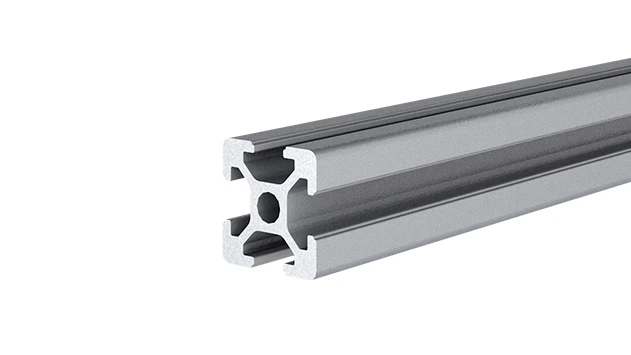
2020 EU Standard Aluminum Profile
2020 is a 2.00 x 2.00CM fractional 20 series square extrusion T-slot profile with four open T-slots, one on each 2.00 face. The profile has align-a-grooves to assist in aligning connecting profiles.
Let's start with a scenario we've all heard about but might not fully appreciate: the last time you had a medical test—maybe a blood draw or a vaccine—have you ever wondered about the space where that sample was analyzed or that vaccine was prepared? Those are cleanrooms, and they're the unsung heroes of healthcare. These controlled environments, where airborne particles, microbes, and contaminants are strictly regulated, are where life-saving treatments are developed, sterile medical devices are assembled, and critical lab tests are run. But here's the thing: building and maintaining a cleanroom isn't just about air filters and white walls. The materials used to construct everything from workbenches to storage racks play a make-or-break role in keeping these spaces sterile, functional, and adaptable. And in recent years, one material has emerged as a game-changer for medical cleanrooms: the
2020 EU standard aluminum profile
.
The Challenge of Cleanroom Design: More Than Just "Clean"
Cleanrooms in the medical industry face a unique set of demands. On one hand, they need to be
sterile
—even a single dust particle or bacteria could compromise a batch of medication or invalidate a lab result. On the other hand, they need to be
functional
: lab technicians need workbenches at the right height, storage racks that keep supplies organized but accessible, and trolleys that glide smoothly without generating debris. And perhaps most importantly, they need to be
adaptable
. Medical technology evolves fast—new testing equipment, larger batches of vaccines, or updated safety protocols can mean a cleanroom needs to reconfigure its layout in weeks, not months.
For decades, cleanroom designers leaned heavily on materials like stainless steel or heavy plastic. Stainless steel is durable and easy to wipe down, but it's heavy, expensive, and inflexible—once you weld a stainless steel rack into place, moving it is a major project. Plastic is lightweight, but it scratches easily, harboring bacteria in those tiny grooves, and it can warp under heat or heavy loads. So, what if there was a material that checked all the boxes: lightweight, strong, easy to clean, and modular enough to reconfigure on the fly? That's where
aluminum extrusion profile
—specifically the 2020 EU standard variety—steps in.
What Makes 2020 EU Standard Aluminum Profile Special?
First, let's clarify: "2020 EU standard" isn't just a random label. It refers to a set of strict manufacturing and safety standards outlined by the European union in 2020, specifically tailored for materials used in healthcare and pharmaceutical environments. These standards cover everything from the purity of the aluminum alloy (no harmful additives that could leach into sterile environments) to the surface finish (smooth, non-porous, and resistant to chemicals like disinfectants). But beyond compliance, what makes this aluminum profile stand out?
At its core,
aluminum extrusion profile
is created by pushing heated aluminum through a die to form consistent, precise shapes—think of it like squeezing toothpaste through a tube, but with industrial-grade precision. The 2020 EU standard takes this a step further by mandating exact tolerances for dimensions (like the width and depth of the "T-slots" that run along the profiles), ensuring compatibility across manufacturers. This means a bracket from one supplier will fit a profile from another, which is a huge win for cleanroom designers who need flexibility.
Another key feature? The T-slot design itself. These slots run the length of the profile, allowing for easy attachment of accessories like joints, clamps, or shelves using simple bolts or screws—no welding, no drilling, no hassle. This modularity is a game-changer for cleanrooms, where a lab might need to add a shelf to a workbench one month and reconfigure a material rack the next.

Core Advantages for Medical Cleanrooms
Let's break down why 2020 EU standard aluminum profile has become a go-to for medical cleanrooms:
1. Lightweight but Strong:
Aluminum is about 30% lighter than stainless steel, which means installing or repositioning equipment is easier on staff and reduces strain on cleanroom floors. But don't let the weight fool you—when extruded into profiles, aluminum gains impressive strength. A 2020 EU standard profile can easily support heavy lab equipment, stacks of sterile supplies, or even automated conveyor systems without bending or warping.
2. Inherently Cleanable:
The smooth, non-porous surface of these aluminum profiles leaves nowhere for bacteria or particles to hide. Unlike plastic, which can develop micro-scratches over time, aluminum resists abrasion, and a quick wipe with a disinfectant (even harsh ones like isopropyl alcohol or hydrogen peroxide) is enough to keep it sterile. This is critical in environments where even a single microbe can have life-threatening consequences.
3. Corrosion and Chemical Resistant:
Medical cleanrooms use aggressive disinfectants and sometimes even corrosive chemicals (like those used to sterilize surgical tools). The 2020 EU standard mandates that the aluminum alloy includes elements like magnesium and silicon, which form a protective oxide layer on the surface, preventing rust or degradation. This ensures the profiles last for years, even with daily exposure to harsh cleaners.
4. Thermal Stability:
Cleanrooms often have strict temperature controls, and materials that expand or contract with heat can warp, creating gaps where contaminants might collect. Aluminum has excellent thermal stability, meaning it maintains its shape even in temperature-fluctuating environments—another checkmark for sterility.
Key Applications in Medical Settings: From Workbenches to Trolleys
Now, let's get practical: how exactly is 2020 EU standard aluminum profile used in medical cleanrooms? The answer is almost everywhere you look.
Workbenches:
The heart of any lab or cleanroom,
workbench
surfaces need to be sturdy, level, and easy to clean. 2020 EU aluminum profiles form the frame of these workbenches, with T-slots allowing for attachments like overhead lighting, tool holders, or even ESD (electrostatic discharge) mats for handling sensitive equipment. Many models, like the "Workbench E (single deck-without caster)" mentioned in industry catalogs, use these profiles for their frames, ensuring they're lightweight enough to move (with casters added if needed) but stable enough to support microscopes or centrifuges.
Material Racks and Storage:
Storing sterile supplies—like syringes, vials, or surgical instruments—requires racks that are easy to access, visible, and simple to sanitize. Aluminum profiles shine here, too. Take the "Material Rack B (3 row and 3 floor)" as an example: its frame is built from 2020 EU standard profiles, with adjustable shelves that can be moved up or down using T-slot accessories. This means if a lab starts storing taller vials, they don't need a whole new rack—just a few minutes to reposition the shelves.
Conveyor Systems:
In pharmaceutical cleanrooms, where medications are bottled or packaged, conveyor belts move products from one station to the next. The frames supporting these conveyors are often made from aluminum profiles, thanks to their lightweight strength. Even the roller tracks that guide the products can be attached to aluminum profiles using accessories like "Roller Track Placon Mount for Aluminum Profile Flat," ensuring smooth, quiet movement without the risk of contamination from rust or debris.
Turnover Trolleys:
These are the workhorses of cleanrooms, used to transport samples, supplies, or waste between stations. Trolleys built with 2020 EU aluminum profiles are lightweight enough for staff to push easily but durable enough to handle heavy loads. Casters (another key accessory) attach directly to the profile's T-slots, and since the profiles are modular, trolleys can be customized with shelves, bins, or even locking compartments for sensitive materials.
Aluminum Profile Accessories: The Unsung Heroes of Modularity
A profile is only as good as the accessories that bring it to life, and the 2020 EU standard ecosystem includes a wide range of
aluminum profile accessories
designed to enhance functionality. Let's call out a few that are particularly useful in medical cleanrooms:
Joints and Connectors:
These are the "glue" that holds modular systems together. The "90° Aluminum Profile Connector" or "Internal Rotary Aluminum Joint" allows profiles to be joined at angles, creating sturdy frames for workbenches or racks. Since they attach via T-slots, they can be tightened or loosened with simple tools, making reconfiguration a breeze.
End Caps and Rubber Strips:
The ends of aluminum profiles can be sharp, so "2020 Aluminum Profile End Cap" accessories snap into place, covering raw edges and preventing snags on gloves or clothing. Meanwhile, "T-slot Rubber Seal Cover" fits into the T-slots when they're not in use, keeping out dust and making the surface even easier to wipe down.
Casters and Leveling Feet:
For mobile equipment like trolleys, "Caster Wheel" accessories with brakes lock the trolley in place during use, while "Anti-Slip Adjustable Leveling Feet" stabilize workbenches on uneven floors—critical for keeping delicate equipment level and preventing spills.
How Does It Compare? A Quick Material Showdown
Still not convinced that 2020 EU standard aluminum profile is the right choice? Let's put it head-to-head with traditional cleanroom materials in the table below:
| Feature | 2020 EU Standard Aluminum Profile | Stainless Steel | Plastic (PVC/ABS) |
|---|---|---|---|
| Weight | Lightweight (30% lighter than steel) | Heavy (hard to reconfigure) | Lightweight |
| Cleanability | Non-porous, smooth surface; resists scratches | Non-porous but heavier, harder to wipe around welds | Porous when scratched; harbors bacteria |
| Modularity | High (T-slots allow easy reconfiguration with accessories) | Low (welded joints; fixed structure) | Medium (some snap-together designs, but less durable) |
| Chemical Resistance | High (resists disinfectants and corrosive cleaners) | High (but prone to marks that require frequent polishing) | Low (can warp or degrade with strong chemicals) |
| Cost (Long-Term) | Moderate upfront; low maintenance and reconfiguration costs | High upfront; high replacement costs if layout changes | Low upfront; high replacement costs (prone to damage) |
| EU Medical Compliance | Designed to meet 2020 EU standards for healthcare use | Compliant but not optimized for modularity | Often non-compliant due to chemical leaching risks |
As the table shows, aluminum profile strikes a balance that stainless steel and plastic can't match—combining the best of durability, cleanability, and adaptability, all while meeting strict EU medical standards.
Real-World Impact: A Lab's Success Story
Let's ground this in a real example. A mid-sized hospital lab in Germany was struggling with its cleanroom layout a few years back. Their existing stainless steel workbenches were heavy and fixed in place, making it hard to rearrange when they added new testing equipment. Their plastic storage racks were scratched and starting to harbor bacteria, leading to frequent sanitization delays.
After consulting with a
lean pipe supplier
(many of whom now specialize in 2020 EU aluminum profiles), they decided to upgrade. They replaced their old workbenches with aluminum-framed models, added modular material racks, and even installed a small conveyor system using aluminum profiles and roller track accessories. The result?
-
Faster reconfiguration:
When they needed to add a new PCR testing station during a flu outbreak, they reconfigured their aluminum workbench in under an hour, compared to the 2 days it would have taken to modify stainless steel.
-
Lower maintenance costs:
The smooth aluminum surfaces required 30% less time to sanitize, freeing up staff for other tasks.
-
Improved compliance:
During their next EU health inspection, the lab received high marks for sterility and adaptability, with inspectors noting the aluminum profiles as a "model for modern cleanroom design."
This isn't an isolated case. Across Europe and beyond, medical facilities are making the switch, recognizing that 2020 EU standard aluminum profile isn't just a material—it's a tool for creating cleaner, more efficient, and more adaptable healthcare spaces.
Future-Proofing Cleanrooms: Why Modularity Matters
The medical industry isn't standing still. New technologies like AI-driven diagnostics, personalized medicine, and mRNA vaccines are changing how cleanrooms operate. What works today might not work tomorrow, and that's where the modularity of 2020 EU standard aluminum profile becomes even more valuable.
Imagine a pharmaceutical company that develops a new vaccine requiring ultra-cold storage. With traditional stainless steel racks, they'd need to build a whole new storage system. With aluminum profiles, they can simply adjust existing racks to fit cold-storage units, using T-slots to add insulation brackets or temperature monitors. Or consider a hospital lab that expands to offer genetic testing—they can add ESD workbenches (using aluminum profiles and ESD accessories) without overhauling the entire space.
In short, these profiles aren't just about solving today's problems—they're about preparing for tomorrow's challenges. They turn cleanrooms from static spaces into dynamic environments that can evolve with the needs of patients, researchers, and healthcare professionals.
Conclusion: The Right Material for a Critical Job
Cleanrooms are the backbone of modern healthcare, and the materials used to build them play a critical role in ensuring sterility, functionality, and adaptability. The 2020 EU standard aluminum profile—with its modular design, compliance with strict medical standards, and balance of strength and lightweight—has emerged as the ideal choice for these spaces. Whether it's forming the frame of a
workbench
, supporting a material rack, or enabling a reconfigurable conveyor system, this aluminum extrusion profile is more than just a building material; it's a tool that helps healthcare facilities deliver safer, more efficient care.
As medical technology continues to advance, one thing is clear: the cleanrooms of tomorrow will need to be flexible, compliant, and built to last. And with 2020 EU standard aluminum profile, they're off to a strong start.