- Company Articles
- Industry articles
- Industry standards
- Medical Industry Compliance: Aluminum Workbench A Meets Sterility Standards

Medical Industry Compliance: Aluminum Workbench A Meets Sterility Standards
Related Product
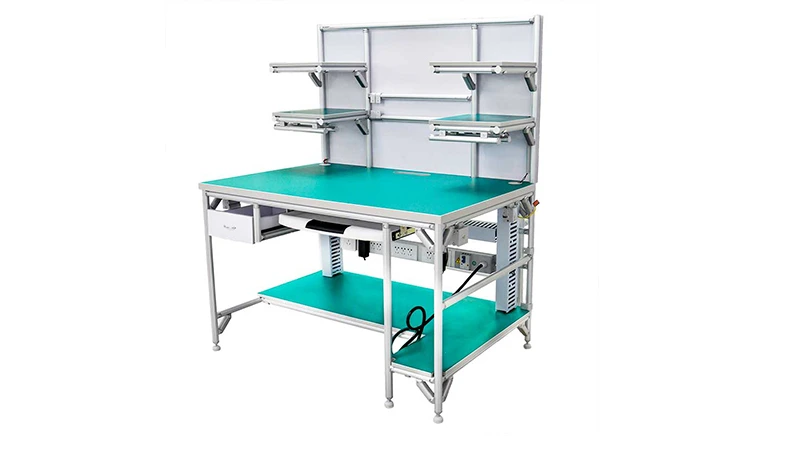
Aluminum Workbench A
Aluminum tube workbench is more flexible and durable, compared with traditional PE/ABS coated steel tube. It is easy to assemble, anti corrosion, rust protection, and recycle use after disassemble.
The High Stakes of Sterility in Medical Manufacturing
In the world of medical device manufacturing, laboratory research, and pharmaceutical production, sterility isn't just a buzzword—it's a life-or-death requirement. Every surface, tool, and piece of equipment that comes into contact with sensitive materials, samples, or components must adhere to the strictest standards to prevent contamination, ensure product integrity, and protect patient safety. For facility managers and operations teams, this means navigating a complex landscape of regulations, from ISO 13485 for medical devices to FDA guidelines for good manufacturing practices (GMP). Amidst this pressure, the choice of workbench becomes more than a matter of utility; it's a critical compliance decision.
Traditional workbenches, often made of wood, particleboard, or even basic steel, frequently fall short in sterile environments. Wood absorbs liquids and harbors bacteria in its pores; standard steel rusts when exposed to frequent cleaning agents; and many materials lack the structural stability needed for precision work. This is where specialized solutions like Aluminum Workbench A step in. Designed with medical compliance in mind, it addresses the unique challenges of sterile settings while integrating seamlessly with modern workflows. Let's dive into how this workbench isn't just a piece of furniture, but a compliance partner.
Key Compliance Standards: What Sterility Really Requires
Before we explore Aluminum Workbench A's features, it's important to understand the standards it's built to meet. In medical environments, sterility compliance boils down to three core principles: non-porous surfaces , resistance to cleaning agents , and minimization of harborage points (tiny crevices where dirt or bacteria can hide). Let's break these down:
- Non-porous Surfaces: Porous materials like wood or uncoated concrete can trap liquids, chemicals, and microorganisms, making complete sterilization impossible. Regulators like the FDA explicitly require surfaces that can be thoroughly cleaned and disinfected without retaining residues.
- Chemical Resistance: Medical facilities rely on harsh disinfectants—think hydrogen peroxide, alcohol, and quaternary ammonium compounds—to kill pathogens. Surfaces must withstand repeated exposure to these agents without corroding, warping, or leaching harmful substances.
- Minimal Harborage Points: ,,——.,,,.
Beyond these basics, many medical settings also require electrostatic discharge (ESD) protection to safeguard sensitive electronic components, such as those found in pacemakers or diagnostic equipment. An ESD workstation prevents static electricity from damaging parts or interfering with delicate measurements. Additionally, lean system principles—focused on efficiency, ergonomics, and waste reduction—are increasingly integral to medical manufacturing, as they help streamline processes while maintaining compliance.

Aluminum Workbench A: Designing for Compliance from the Ground Up
Aluminum Workbench A isn't a one-size-fits-all solution repurposed for medical use—it's engineered specifically to align with sterility and safety standards. Let's take a closer look at its design features and how they address compliance needs:
1. The Power of Aluminum Profile: Lightweight, Strong, and Sterile-Friendly
At the heart of Aluminum Workbench A is its use of high-grade aluminum profile. Unlike traditional steel, aluminum offers a unique combination of benefits that make it ideal for sterile environments. First, it's naturally corrosion-resistant. When exposed to moisture or cleaning chemicals, aluminum forms a thin oxide layer that protects the underlying material from degradation—a critical advantage over steel, which rusts without constant maintenance. This resistance ensures the workbench remains structurally sound and visually clean even after years of daily disinfection.
Aluminum is also non-porous, meaning liquids and pathogens can't seep into its surface. Wiping down the workbench with a disinfectant cloth or spray leaves no residue, and there's no risk of bacterial growth in hidden pores. For facilities that use automated cleaning systems or high-pressure hoses, this non-porous quality is a game-changer: the workbench can handle aggressive cleaning without compromising its integrity.
Additionally, aluminum profile is lightweight yet surprisingly strong. This makes the workbench easy to reconfigure—essential for adapting to changing workflow needs—without sacrificing stability. In a lean system, where optimizing space and movement is key, this flexibility allows teams to rearrange workstations quickly, reducing downtime and improving productivity.
2. Streamlined Construction: Minimizing Harborage Points
One of the most striking features of Aluminum Workbench A is its clean, minimalist design. Unlike workbenches with exposed bolts, decorative trim, or complex joinery, this model uses precision-engineered aluminum profile accessories and internal rotatary aluminum joints to create seamless connections. These joints eliminate gaps between components, reducing the number of harborage points where dirt or bacteria could accumulate.
Even the workbench's surface—available as a single deck without casters (Workbench E configuration)—is designed for simplicity. The flat, smooth top has no edges or lips that could trap debris, and its corners are gently rounded to prevent sharp angles that might tear cleaning cloths or harbor residue. For facilities that require additional customization, the workbench can be paired with aluminum side guards or tray holders, all of which attach via flush-mounted brackets to maintain the streamlined aesthetic.
3. ESD Integration: Protecting Sensitive Components
For medical device manufacturers working with electronics, an ESD workstation is non-negotiable. Static electricity can damage microchips, corrupt data, or even ignite flammable substances in pharmaceutical labs. Aluminum Workbench A addresses this with optional ESD features, including conductive surfaces and integrated grounding points. The aluminum frame itself can be grounded to dissipate static charges, while ESD-safe accessories—such as anti-slip adjustable leveling feet with suction cups—prevent static buildup from footwear or movement.
In environments where ESD protection is critical, the workbench can be upgraded to include ESD mats, wrist strap holders, and even built-in ionizers. These additions transform it from a basic workstation into a fully compliant ESD workstation, ensuring sensitive components remain unharmed during assembly, testing, or packaging.

Comparing Traditional vs. Aluminum Workbench A: A Compliance Breakdown
To better understand how Aluminum Workbench A stands out, let's compare it to traditional workbenches across key compliance metrics. The table below highlights the differences in materials, sterility features, and practicality:
| Feature | Traditional Workbench (Wood/Steel) | Aluminum Workbench A |
|---|---|---|
| Material Porosity | Porous (wood) or requires coating (steel), which can chip over time. | 100% non-porous aluminum profile; no coating needed. |
| Chemical Resistance | Wood warps with moisture; steel rusts without frequent refinishing. | Resistant to hydrogen peroxide, alcohol, and most industrial disinfectants. |
| Harborage Points | Many: exposed screws, seams, rough edges, and decorative trim. | Minimal: internal joints, rounded corners, and flush-mounted accessories. |
| ESD Compatibility | Requires aftermarket ESD mats; frame may not ground effectively. | Integrated grounding options; available as a fully compliant ESD workstation. |
| Lean System Alignment | Heavy and fixed; difficult to reconfigure without tools. | Lightweight aluminum profile; easy to adjust with minimal downtime. |
| Long-Term Maintenance | Frequent repainting, refinishing, or replacement of damaged parts. | Low maintenance: occasional cleaning; aluminum oxide layer prevents corrosion. |
As the table shows, Aluminum Workbench A outperforms traditional options in nearly every compliance category. Its design prioritizes sterility, durability, and adaptability—three qualities that are non-negotiable in medical settings.
Real-World Applications: How Facilities Are Using Aluminum Workbench A
To put these features into context, let's explore a few real-world scenarios where Aluminum Workbench A has made a difference in compliance and workflow:
Scenario 1: Medical Device Assembly Line
A manufacturer of insulin pumps was struggling with frequent compliance violations due to their old wooden workbenches. Auditors noted that the porous surfaces retained disinfectant residues, and the benches' weight made it impossible to reconfigure the line for new product launches—violating lean system principles. After switching to Aluminum Workbench A, the team saw immediate improvements. The non-porous aluminum surface passed microbial testing with zero residue, and the lightweight design allowed workers to rearrange stations in under an hour, reducing changeover time by 40%. Additionally, the integrated ESD features protected the pumps' sensitive circuit boards, cutting component damage by 25%.
Scenario 2: Pharmaceutical Laboratory
A lab conducting vaccine research needed workbenches that could withstand daily decontamination with hydrogen peroxide vapor. Their previous steel benches corroded quickly, leading to frequent replacements and downtime. Aluminum Workbench A's corrosion-resistant aluminum profile proved impervious to the vapor, and its seamless design prevented peroxide from pooling in crevices. The lab also appreciated the workbench's height adjustability (via anti-slip leveling feet), which reduced ergonomic injuries among researchers who spent hours at the bench.
Scenario 3: Diagnostic Kit Production
A company producing COVID-19 test kits required ESD workstations to protect the kits' electronic readers. Traditional ESD workbenches were expensive and difficult to clean, often harboring dust in their grounding components. Aluminum Workbench A's modular design allowed the company to add ESD features only where needed, reducing costs by 30%. The smooth aluminum surface was easy to wipe down between shifts, and the internal joints eliminated dust traps, helping the facility maintain ISO 7 cleanroom certification.
Maintenance and Longevity: Keeping Compliance Consistent Over Time
Compliance isn't a one-time achievement—it requires consistent upkeep. Aluminum Workbench A is designed to make maintenance as straightforward as possible, ensuring it remains compliant for years to come. Here's how:
Simple Cleaning Protocols
Unlike wood or steel, aluminum doesn't require special cleaners or treatments. A daily wipe with a mild detergent and water is usually sufficient for routine cleaning. For deeper disinfection, the workbench can handle industrial-grade disinfectants without damage. Even abrasive pads (used carefully) won't scratch the aluminum surface, though most facilities find that a microfiber cloth is enough to remove stubborn residues.
Durable Components
The workbench's aluminum profile and internal rotatary aluminum joints are built to last. Aluminum has a lifespan of 20+ years in indoor environments, and the joints—made from high-strength aluminum alloy—resist wear even with frequent adjustments. For moving parts, such as optional casters (though Workbench A is available without casters), the use of stainless steel roller balls and bearings ensures smooth operation without rust or jamming.
Easy Repairs and Upgrades
If a component does wear out—say, a leveling foot or a side guard—Aluminum Workbench A's modular design makes replacements simple. Most accessories, such as aluminum profile end caps or roller track connectors, are standard parts available from lean pipe suppliers, meaning facilities don't have to wait for custom replacements. This minimizes downtime and ensures the workbench can adapt as compliance requirements evolve (e.g., adding new ESD features or upgrading to a higher weight capacity).
Conclusion: More Than a Workbench—A Compliance Partner
In the high-pressure world of medical manufacturing and research, every decision impacts compliance, safety, and efficiency. Aluminum Workbench A rises to the challenge by combining thoughtful design, high-quality materials, and adaptability. Its use of aluminum profile ensures non-porous, chemical-resistant surfaces; its streamlined construction minimizes harborage points; and its integration with ESD and lean system principles makes it a versatile tool for modern facilities.
For facility managers tasked with maintaining sterility standards, this workbench isn't just a piece of equipment—it's a partner in compliance. It reduces the risk of violations, simplifies daily operations, and grows with your facility's needs. In an industry where precision and safety are everything, Aluminum Workbench A proves that sometimes, the right foundation makes all the difference.