- Company Articles
- Industry articles
- Industry standards
- Medical Industry Compliance: Five Way Straight Lean Pipe Joint Standards

Medical Industry Compliance: Five Way Straight Lean Pipe Joint Standards
Related Product
Five Way Straight Lean Pipe Joint
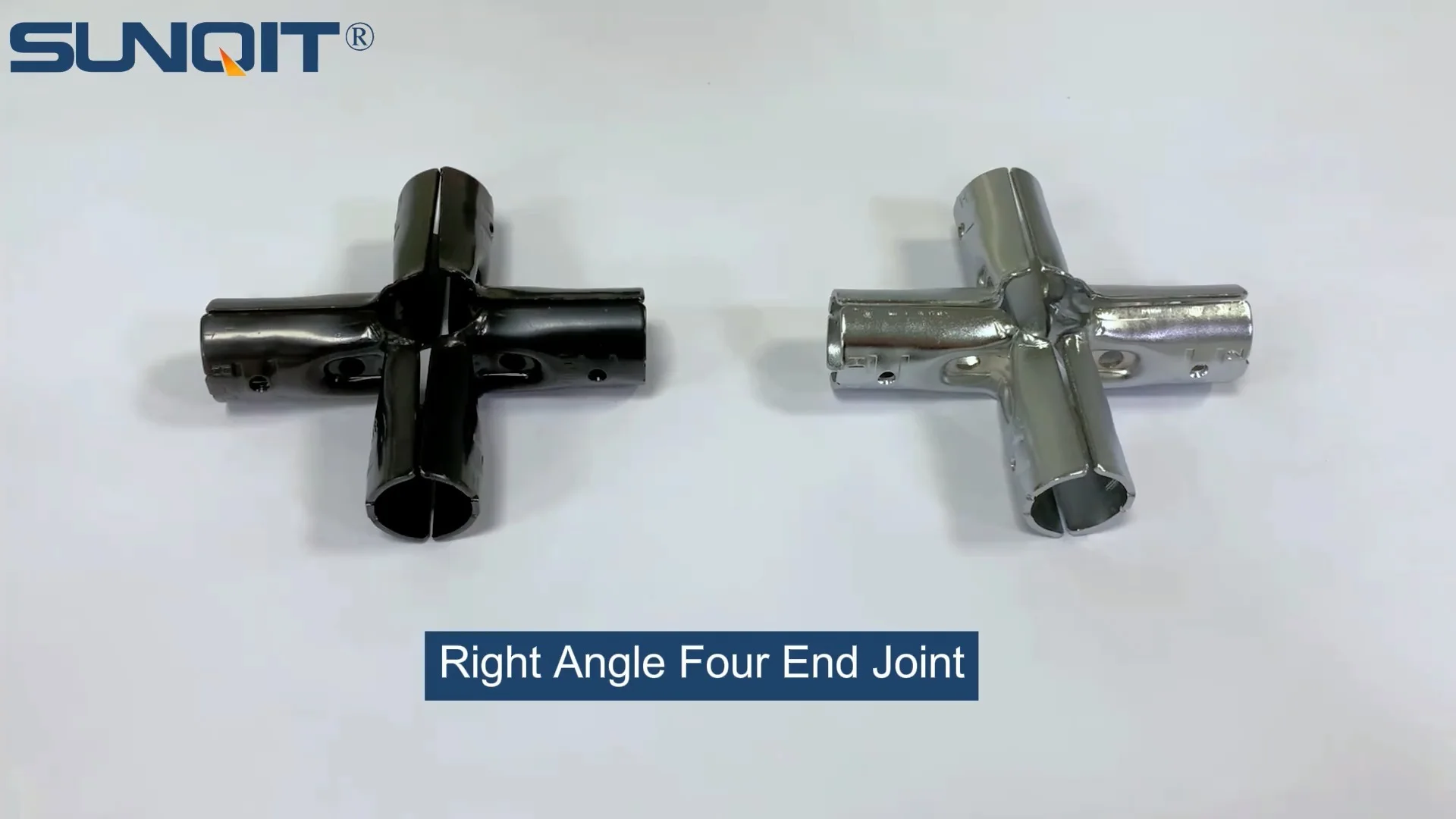
Five way straight lean pipe joint, for 5 pcs 28mm lean pipe connect in straight angle,which used widely in workbench, flow rack, hand trolley frame connection.
In the medical industry, where precision can mean the difference between life and death, compliance isn't just a box to check—it's the foundation of trust. Every piece of equipment, every manufacturing process, and every component must adhere to rigorous standards to ensure patient safety, product quality, and regulatory approval. Among these components, one that often flies under the radar but plays a critical role is the five way straight lean pipe joint. Though small in size, this unassuming part is a linchpin in the lean systems that power medical device manufacturing, laboratory workflows, and pharmaceutical production lines. Let's dive into why these joints matter, the standards they must meet, and how they keep the medical industry running smoothly—without compromising on compliance.
Lean Systems in Medical Manufacturing: More Than Just Efficiency
Lean systems have long been celebrated for their ability to eliminate waste, streamline processes, and boost productivity. But in the medical field, "lean" takes on a deeper meaning. Here, efficiency can't come at the cost of accuracy or safety. Medical device assembly lines, for example, require workflows that are both fast enough to meet global demand and controlled enough to prevent even the smallest defect. This is where lean pipe systems—built from components like aluminum lean pipe, stainless steel pipe series, and specialized joints—shine.
A typical lean system in a medical setting might include workbenches for assembling surgical tools, flow racks for organizing sterile components, or conveyors that transport vials through filling and capping stations. These systems are designed to be modular, meaning they can adapt as production needs change—say, scaling up to meet a surge in vaccine demand or reconfiguring to produce a new type of diagnostic device. But modularity doesn't mean flexibility at the expense of stability. Every connection, every joint, must be rock-solid to prevent shifts that could misalign equipment or compromise sterility.
Enter the five way straight lean pipe joint. Unlike simpler two-way or three-way joints, this component allows for connections in multiple directions—think of it as the intersection where up to five pipes meet. This design is a game-changer for creating complex, multi-functional workspaces. For instance, a laboratory might use a five way joint to build a workstation with a main assembly surface, side shelves for tools, and overhead racks for storing PPE—all in one compact, customizable unit. But for this to work in a medical context, the joint itself must meet standards that go beyond basic durability.
The Five Way Straight Lean Pipe Joint: Designing for Compliance
At first glance, a five way straight lean pipe joint might look like little more than a metal or plastic connector with holes for pipes. But under the surface, its design is a masterclass in compliance engineering. Let's break down the key features that make these joints suitable for medical environments:
Smooth, Crevice-Free Surfaces: In spaces where sterility is non-negotiable—like cleanrooms or pharmaceutical labs—any crevice or rough edge can trap bacteria, dust, or residue. Medical-grade five way joints are designed with rounded edges and seamless construction to eliminate these hiding spots. This makes them easy to sanitize with harsh disinfectants or autoclaving, a must for preventing cross-contamination.
Material Integrity: The materials used in these joints are carefully selected based on the environment they'll serve. Aluminum lean pipe joints, for example, are lightweight and resistant to corrosion, making them ideal for dry labs or non-sterile assembly areas. In contrast, stainless steel pipe series joints are often chosen for wet environments or where frequent chemical cleaning is required, thanks to their superior resistance to rust and chemical damage.
Secure Locking Mechanisms: A loose joint in a medical workflow isn't just an annoyance—it's a hazard. If a workbench leg shifts mid-assembly, a surgical instrument could be misaligned, leading to a defective product. Five way joints use precision-engineered locking systems (often with set screws or compression fittings) to ensure pipes stay in place, even under constant use. Some models even include visual indicators, like color-coded O-rings, to show when a connection is fully secured—critical for operators during setup or reconfiguration.
Load-Bearing Capacity: Medical equipment isn't light. A workbench might hold heavy microscopes, centrifuges, or batches of glass vials. The five way joint must distribute weight evenly across all connected pipes to prevent bending or snapping. Manufacturers test these joints rigorously, simulating years of use with weights far exceeding typical operational loads. For example, a standard medical-grade five way joint might be rated to support up to 500 pounds—more than enough for most lab or production needs, but still verified through third-party testing to meet compliance standards.

Materials Matter: Aluminum Lean Pipe vs. Stainless Steel Pipe Series
The choice between aluminum lean pipe and stainless steel pipe series for medical lean systems isn't just about cost or aesthetics—it's about compliance. Both materials have their strengths, and the decision often comes down to the specific demands of the environment. Let's compare them side by side to see why:
| Compliance Factor | Aluminum Lean Pipe | Stainless Steel Pipe Series |
|---|---|---|
| Corrosion Resistance | Good—resists rust in dry or mildly humid environments. Anodized aluminum offers extra protection against chemicals. | Excellent—ideal for wet environments, frequent cleaning with acids/alkalis, or exposure to bodily fluids (e.g., hospital labs). |
| Sterilization Compatibility | Suitable for wipe-downs with disinfectants. Not recommended for autoclaving (high heat can weaken joints). | Can withstand autoclaving and aggressive sterilization methods, making it a top choice for operating room setups or vaccine production. |
| Weight | Lighter (about 1/3 the weight of steel), making it easier to reconfigure systems without heavy lifting equipment. | Heavier, but offers greater stability for permanent setups or high-load applications (e.g., storing large reagent tanks). |
| Cost | Generally more affordable, making it a budget-friendly option for startups or temporary projects. | Higher upfront cost, but longer lifespan and lower maintenance needs can offset expenses over time. |
| Surface Finish | Smooth, non-porous anodized finish resists scratches and is easy to clean. | Polished surfaces minimize bacterial adhesion; often used in ISO Class 7 or higher cleanrooms. |
For five way straight lean pipe joints, the material choice is equally critical. An aluminum joint might be perfect for a pharmaceutical packaging line where weight and cost are priorities, while a stainless steel joint would be non-negotiable in a lab handling corrosive reagents. Some manufacturers even offer hybrid options, like aluminum joints with stainless steel inserts at stress points, to balance strength and weight. The key is that whichever material is chosen, it must be traceable. A reputable lean pipe supplier will provide certificates of compliance, showing that the material meets standards like ISO 10993 (biological evaluation of medical devices) or FDA 21 CFR Part 177 (plastics in contact with food, drugs, or cosmetics).

Standards and Certifications: What "Compliant" Really Means
Compliance in the medical industry isn't a one-size-fits-all label. It's a web of regulations, standards, and best practices that vary by region, product type, and application. For five way straight lean pipe joints, the most common standards include:
ISO 13485: This international standard specifies requirements for a quality management system in medical device manufacturing. It covers everything from design and development to production and service. For lean pipe joints, ISO 13485 means manufacturers must document their processes—from raw material sourcing to final inspection—and prove that every joint is consistent in quality. Auditors might check if the supplier has a system to track which batch of material went into which joint, ensuring that if a defect is found, it can be traced back and corrected quickly.
FDA Regulations: In the U.S., the FDA regulates medical devices as "products intended for use in the diagnosis of disease or other conditions, or in the cure, mitigation, treatment, or prevention of disease." While a lean pipe joint itself isn't a medical device, it's considered "ancillary equipment" used in the manufacturing process. Under FDA guidelines, this equipment must be "suitable for its intended use" and designed to prevent contamination. That means joints must be easy to clean, non-reactive (so they don't leach chemicals into products), and durable enough to maintain their integrity over time.
Cleanroom Classifications: Many medical manufacturing facilities operate in cleanrooms rated by ISO 14644-1, which sets limits on airborne particles. For example, an ISO Class 8 cleanroom (common in pharmaceutical production) allows no more than 352,000 particles of 0.5 microns or larger per cubic meter. Five way joints used in these spaces must have smooth surfaces that don't shed particles and can withstand frequent cleaning with HEPA-filtered vacuums or disinfectant fogging. Some joints even come with anti-static properties to prevent electrostatic discharge (ESD), which can damage sensitive electronic components in devices like pacemakers or MRI machines.
Meeting these standards isn't just about avoiding fines or product recalls. It's about protecting patients. A poorly made joint that traps bacteria could lead to contaminated medical devices, which in turn could cause infections. A joint that fails under load could disrupt a production line, delaying life-saving treatments. For medical manufacturers, investing in compliant components is an investment in their reputation—and in public health.

Choosing a Lean Pipe Supplier: Trust is Non-Negotiable
Even the best-designed five way straight lean pipe joint is only as good as the supplier behind it. In the medical industry, choosing a lean pipe supplier isn't a transaction—it's a partnership. Here's what to look for when vetting a supplier:
Proven Track Record in Medical: Not all lean pipe suppliers specialize in medical applications. Look for a supplier with case studies or references from medical device companies, pharmaceutical labs, or hospitals. Ask if they've worked with clients who produce Class III medical devices (the highest risk category, including implants and life-sustaining equipment), as this indicates experience with the strictest standards.
Documentation and Traceability: A compliant supplier will provide more than just a product—they'll provide paperwork. This includes material certificates (like mill test reports for stainless steel), ISO 13485 certification for their quality management system, and test results for things like load capacity and corrosion resistance. They should also have a traceability system, so if a joint fails, you can track it back to the batch, raw material, and production date.
Customization Capabilities: Medical workflows are rarely "off-the-shelf." A good supplier will work with you to design joints that fit your specific needs—whether that's a stainless steel joint with extra locking screws for a high-vibration environment or an aluminum joint with a custom finish to match cleanroom decor. They should also offer technical support, helping you choose the right materials and configurations to meet compliance requirements.
Commitment to Continuous Improvement: The medical industry is always evolving, with new regulations and technologies emerging regularly. A forward-thinking supplier will stay ahead of these changes, updating their products to meet new standards (like stricter ESD requirements) or developing innovative solutions (like antimicrobial coatings for joints used in infectious disease labs).
One example of a supplier going the extra mile: Some companies now offer "compliance bundles," which include not just the five way joints but also the necessary documentation, installation guides, and even training for your team on how to properly maintain the joints to stay compliant. This kind of support can be invaluable during audits, when regulators ask to see proof that every component in your workflow meets standards.
Maintaining Compliance: Beyond the Purchase
Buying compliant five way straight lean pipe joints is just the first step. To stay compliant over time, medical facilities must implement regular maintenance and inspection protocols. Here's how:
Regular Inspections: Assign a team to check joints monthly for signs of wear—loose screws, cracks, or corrosion. In high-stress areas (like conveyors that run 24/7), inspections might need to be weekly. Use a checklist that includes torque testing (to ensure set screws are tight) and visual checks for surface damage. Any joint that fails inspection should be replaced immediately—don't risk a failure in the middle of production.
Cleaning Protocols: Follow the supplier's recommendations for cleaning joints. For aluminum lean pipe joints, this might mean wiping with a mild detergent and water; for stainless steel, it could involve using isopropyl alcohol or a specialized disinfectant. Avoid abrasive cleaners that could scratch surfaces, creating new crevices for bacteria. And always document cleaning schedules—regulators love to see proof that maintenance is consistent.
Training Staff: Even the best joints can fail if installed incorrectly. Ensure your team knows how to properly assemble lean systems, including how to torque screws to the supplier's specifications. Some suppliers offer training sessions or video tutorials to help with this. It's also a good idea to designate "lean system champions" who stay up-to-date on best practices and can answer questions from the team.
Planning for Replacements: No joint lasts forever. Create a replacement schedule based on the supplier's lifespan estimates (typically 5–10 years for medical-grade joints) and the intensity of use. For example, a joint in a busy vaccine production line might need replacement sooner than one in a low-traffic lab. Budgeting for replacements ensures you're never caught off guard, and it prevents the temptation to delay repairs to save money— a risky move when compliance is on the line.
The Future of Lean Pipe Joints in Medical Compliance
As the medical industry evolves, so too will the standards for lean pipe systems. Emerging trends include:
Smart Joints: Imagine a five way joint with built-in sensors that monitor temperature, vibration, or loosening. These "smart" joints could send alerts to maintenance teams before a failure occurs, preventing downtime and ensuring compliance. While still in the early stages, this technology could revolutionize predictive maintenance in medical manufacturing.
Antimicrobial Materials: Some manufacturers are experimenting with adding antimicrobial coatings (like silver ions) to aluminum lean pipe and stainless steel joints. These coatings inhibit the growth of bacteria, fungi, and viruses on surfaces—an extra layer of protection in high-risk environments like operating rooms or pandemic response labs.
3D-Printed Custom Joints: 3D printing allows for the creation of highly specialized joints tailored to unique workflows. For example, a lab might need a five way joint with a custom angle to fit around a large piece of equipment. 3D printing could make these one-off designs more affordable and accessible, without sacrificing compliance—so long as the printed materials meet medical standards.
No matter how technology advances, the core principle will remain the same: five way straight lean pipe joints are critical to keeping medical workflows compliant, efficient, and safe. They may not be the most glamorous part of the medical industry, but they're undeniably essential.
Conclusion: Small Joints, Big Responsibility
In the grand scheme of medical innovation—think breakthrough vaccines, robotic surgery, or gene therapy—a five way straight lean pipe joint might seem. But zoom in, and you'll see it's part of the intricate infrastructure that makes these innovations possible. It's the quiet workhorse that holds together the systems producing life-saving devices, organizing critical lab workflows, and ensuring that every product that reaches a patient is safe, effective, and compliant.
For those in the medical industry, choosing the right lean pipe components—whether aluminum lean pipe, stainless steel pipe series, or five way joints—isn't just a purchasing decision. It's a commitment to excellence, to patient safety, and to upholding the rigorous standards that define this vital field. So the next time you walk through a medical manufacturing facility or lab, take a moment to notice the joints. They may be small, but their impact is enormous.