- Company Articles
- Industry articles
- Industry standards
- Medical Industry Compliance: Saddle Pipe Clamps Meeting Cleanroom Standards

Medical Industry Compliance: Saddle Pipe Clamps Meeting Cleanroom Standards
Related Product
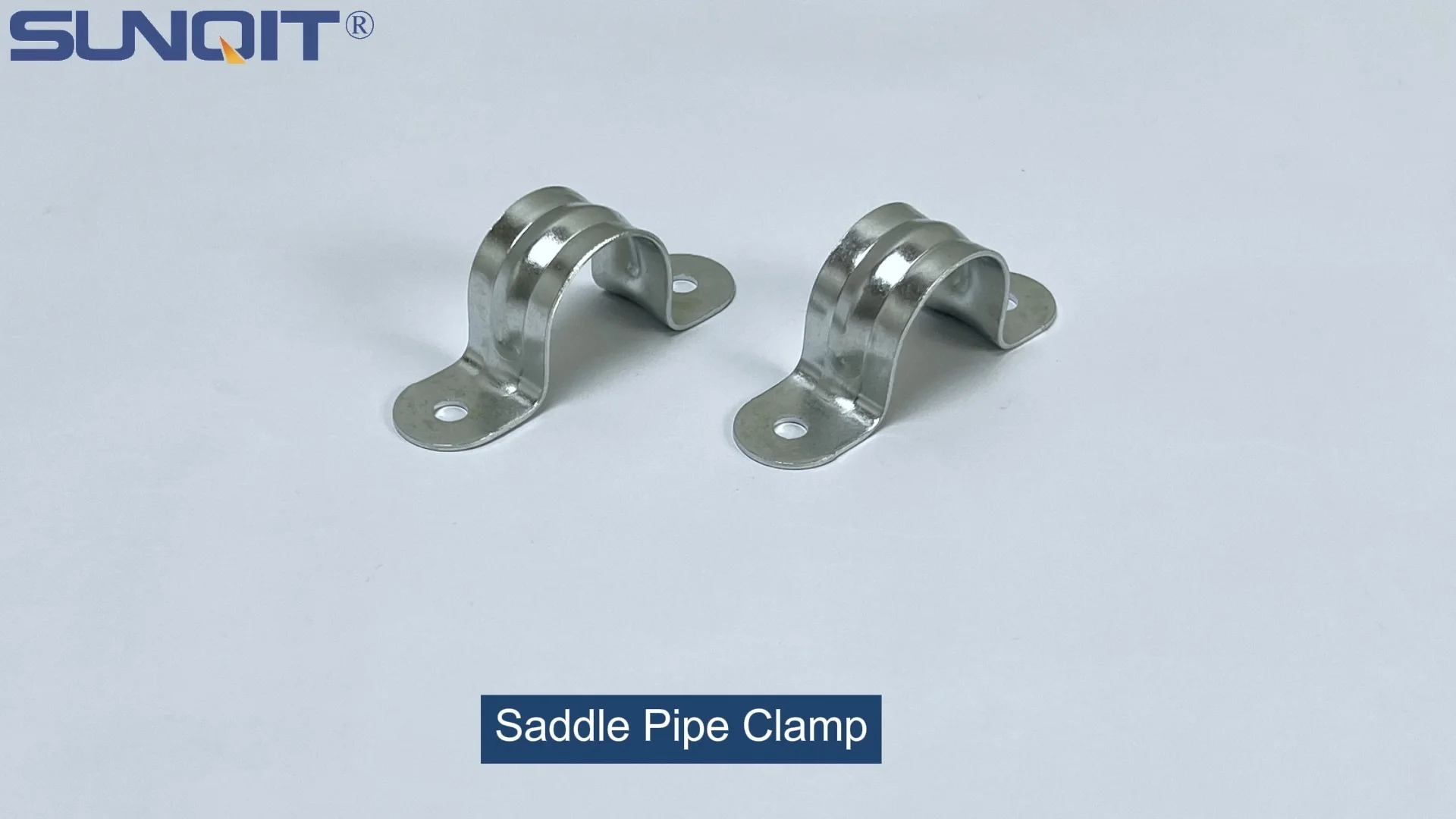
Saddle Pipe Clamp
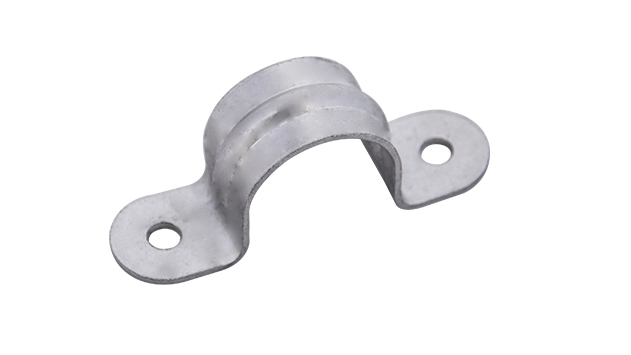
Saddle pipe clamp, used for board connect with pipe, usually for table top installation.
The Critical Role of Cleanrooms in Medical Excellence
In the medical industry, precision isn't just a goal—it's a lifeline. Whether manufacturing life-saving pharmaceuticals, assembling intricate medical devices, or conducting breakthrough research, the environments where these tasks occur must be meticulously controlled. Enter the cleanroom: a space designed to minimize contamination from particles, microbes, and environmental variables. For patients, doctors, and regulators alike, cleanrooms are the unsung guardians of product safety and efficacy. But maintaining their integrity isn't just about air filters and sterile gowns; it's about every component in the space, right down to the hardware that holds the infrastructure together.
Imagine a pharmaceutical plant producing a batch of insulin. A single dust particle or bacterial colony in the mixing area could render thousands of doses unsafe, leading to costly recalls, damaged reputations, or worse—harm to patients. Similarly, in a lab developing a new cancer treatment, cross-contamination from poorly secured equipment could derail years of research. These scenarios aren't hypothetical; they're why regulatory bodies worldwide enforce strict standards for cleanroom design and operation. And in this high-stakes environment, components like pipe clamps play a surprisingly pivotal role.
The Compliance Maze: What Standards Shape Medical Cleanrooms?
Medical cleanrooms don't just "look clean"—they're engineered to meet rigorous, science-backed standards. Two of the most influential frameworks are the International Organization for Standardization's ISO 14644 series and the U.S. Food and Drug Administration's (FDA) Current Good Manufacturing Practices (cGMP). For European markets, the EU GMP Annex 1 (revised in 2022) sets even stricter benchmarks for sterile medicinal products. Together, these standards dictate everything from air cleanliness levels to material compatibility, leaving no room for oversight.
ISO 14644-1, for example, classifies cleanrooms by the number of particles (0.5μm and larger) per cubic meter of air. A Class 5 cleanroom (common in sterile drug manufacturing) allows no more than 3,520 particles/m³—compare that to a typical office, which might have millions. Meanwhile, FDA cGMP emphasizes "control over all aspects of production," including equipment design. Regulators inspect not just air quality, but also surfaces: Are they smooth? Non-porous? Resistant to corrosion and chemical sanitizers? Can they withstand repeated cleaning without shedding particles? These questions apply to every surface, including the clamps that secure pipes, cables, and workbenches.
Another critical factor is material compatibility. Cleanroom components must resist degradation from harsh cleaning agents like hydrogen peroxide, ethanol, or peracetic acid. They must also avoid leaching substances into the environment—even trace amounts of heavy metals or plastics could contaminate sensitive products. For example, the FDA's guidance on "Plastic Materials Used in the Manufacture of Drug Products" (FDA-2015-D-3115) mandates that plastics meet strict safety thresholds, while USP Chapter <88> outlines biocompatibility testing for materials in contact with drugs.
The Hidden Challenge: Why Traditional Pipe Clamps Fall Short in Cleanrooms
For decades, facilities relied on generic pipe clamps—often made of iron, galvanized steel, or low-grade plastics—to secure pipes and equipment. But in cleanrooms, these "one-size-fits-all" solutions are a compliance risk waiting to happen. Consider a typical iron clamp: its rough, porous surface traps dust and moisture, creating a breeding ground for bacteria. Over time, it rusts, shedding flakes into the air or onto surfaces. When cleaned with strong disinfectants, the paint or coating may chip, releasing more particles. Even worse, many traditional clamps require tools like wrenches for installation, which can scratch nearby surfaces, creating new crevices for contamination.
A 2018 FDA warning letter to a medical device manufacturer illustrates the stakes. Inspectors found "numerous instances of rust and corrosion on metal clamps securing process piping" in the cleanroom. The clamps, made of uncoated steel, had corroded after repeated cleaning, leading to "visible particulate contamination" on the production line. The company was forced to halt production, recall products, and invest in costly retrofits—all because of a component many considered "trivial."
Plastic clamps fare little better. While some are marketed as "cleanroom-friendly," low-quality plastics can degrade under UV light or chemical exposure, leaching additives like phthalates. Their flexibility also makes them prone to loosening over time, leading to vibrations that generate particles. Even if they initially meet standards, their short lifespan means frequent replacements—disrupting operations and increasing the risk of human error during reinstallation.
The problem isn't just contamination; it's inefficiency. Traditional clamps are often rigid, making it hard to reconfigure workstations or adjust pipe routes as production needs change. In an industry where agility is key—like scaling up vaccine production during a pandemic—this inflexibility translates to wasted time and resources. For facilities aiming to adopt lean system principles, which prioritize eliminating waste and continuous improvement, these clamps are a roadblock rather than a solution.

Saddle Pipe Clamps: A Game-Changer for Cleanroom Infrastructure
Material Matters: Stainless Steel Series and Aluminum Profiles
Enter the saddle pipe clamp: a specialized component engineered to address the unique demands of medical cleanrooms. Unlike traditional clamps, saddle clamps are designed with compliance in mind, starting with their materials. Most high-quality saddle clamps are crafted from stainless steel, specifically from the stainless steel pipe series—a family of alloys known for their corrosion resistance, durability, and ease of sanitization. Stainless steel contains chromium, which forms a passive oxide layer on its surface, preventing rust and repelling moisture. This layer is self-healing: even if scratched, it reforms quickly, maintaining the material's integrity.
For applications where weight is a concern—such as overhead piping or mobile workstations—aluminum profiles are a popular alternative. Aluminum is lightweight, non-magnetic, and naturally resistant to corrosion (thanks to its own oxide layer). When anodized, aluminum profiles gain an even harder, more scratch-resistant surface that stands up to frequent cleaning. In cleanrooms where stainless steel might be overkill (e.g., non-sterile packaging areas), aluminum saddle clamps offer a cost-effective, compliant solution.
Design Innovations: Non-Porous, Tool-Less, and Hygienic
Beyond materials, the design of saddle pipe clamps sets them apart. Traditional clamps often have gaps, threads, or crevices where particles and microbes can hide. Saddle clamps, by contrast, feature a smooth, curved "saddle" shape that conforms tightly to the pipe's surface, eliminating gaps. Their edges are rounded to prevent sharp corners, which can tear gloves or harbor debris. Even the fasteners are designed with care: many use tamper-proof, smooth-head bolts or tool-less levers to avoid scratching during installation.
Take the "saddle pipe clamp" from leading suppliers: its one-piece construction minimizes seams, while its polished finish (Ra ≤ 0.8μm) ensures easy wipe-downs with disinfectants. During testing, these clamps have been subjected to 1,000 cycles of cleaning with 70% ethanol and 3% hydrogen peroxide—common in cleanrooms—with no signs of degradation or particle shedding. They also meet FDA's Food Contact Notification (FCN) standards, confirming they're safe for use in areas where indirect contact with drugs or medical devices might occur.
Another key innovation is modularity. Saddle clamps are often compatible with a range of pipe sizes (e.g., 0.5-inch to 2-inch diameters) and mounting surfaces, including aluminum profiles and stainless steel frames. This flexibility means facilities can standardize on a single clamp type, reducing inventory complexity and simplifying training for maintenance teams. For example, a lab might use the same saddle clamp to secure both water pipes and electrical conduit, streamlining their supply chain and ensuring consistency in compliance.

Integrating Saddle Pipe Clamps with Lean Systems: Efficiency Meets Compliance
In the medical industry, compliance and efficiency are often seen as competing priorities—but they don't have to be. Lean system principles, which focus on eliminating waste (muda), optimizing flow, and empowering teams, align surprisingly well with cleanroom goals. Saddle pipe clamps, with their modular design and durability, are a bridge between these two worlds.
Consider the "5S" framework—a cornerstone of lean system implementation: Sort, Set in Order, Shine, Standardize, Sustain. Saddle clamps excel in "Set in Order" by keeping pipes and equipment neatly secured, reducing clutter that could impede workflow or harbor contaminants. In "Shine" (cleaning), their smooth surfaces and corrosion resistance make daily sanitization faster and more effective, cutting down on labor hours. "Standardize" is simplified by using uniform clamps across the facility, ensuring consistent installation and maintenance practices. And "Sustain" is achieved through their long lifespan—saddle clamps made from stainless steel or aluminum can last decades, reducing the need for replacements and minimizing waste.
Reconfigurability is another lean-friendly feature. In a traditional cleanroom, changing the layout of workbenches or material racks might require cutting, welding, or drilling—disruptive, time-consuming, and risky for contamination. With saddle clamps, teams can loosen a few bolts, adjust the position of pipes or frames, and retighten—all in minutes, without specialized tools. This agility is critical for adapting to changing production needs, such as scaling up a vaccine line or shifting to a new device model. A 2023 study by the Lean Enterprise Institute found that facilities using modular components like saddle clamps reduced reconfiguration time by 60% compared to those with fixed infrastructure.
Waste reduction extends to inventory, too. Saddle clamps are often sold in kits with compatible accessories (e.g., gaskets, mounting brackets), eliminating the need to stock multiple part numbers. This "one-stop" approach reduces storage space, cuts procurement costs, and lowers the risk of using non-compliant components by mistake. For example, a pharmaceutical manufacturer in Germany reported saving €40,000 annually on inventory after switching to standardized saddle clamp kits.
Case Study: How Saddle Clamps Transformed a Biotech Cleanroom
Challenge: A U.S.-based biotech firm specializing in cell and gene therapies needed to upgrade its cleanroom infrastructure. The existing setup used plastic clamps that frequently loosened, causing vibrations in the process piping. During an FDA inspection, inspectors noted "particulate generation from vibrating pipes" and issued a Form 483 with observations. The firm needed a solution that would secure pipes, reduce contamination risk, and support rapid reconfiguration for clinical trials.
Solution: The firm partnered with a supplier to install stainless steel saddle pipe clamps from the stainless steel pipe series. The clamps were paired with aluminum profiles for the support frames, chosen for their lightweight design and compatibility with cleanroom cleaning protocols. Tool-less levers allowed for quick adjustments, and the smooth, crevice-free design eliminated particle traps.
Result: Six months after installation, the firm passed its follow-up FDA inspection with zero observations. Vibration-related particles dropped by 92%, and reconfiguration time for trial-specific setups fell from 8 hours to 90 minutes. Maintenance costs also decreased by 40%, as the stainless steel clamps required no replacement or repainting. "We used to see clamps as a necessary evil," said the facility manager. "Now, they're a competitive advantage."
Comparing Clamp Solutions: A Cleanroom Perspective
| Feature | Traditional Iron Clamps | Low-Quality Plastic Clamps | Saddle Pipe Clamps (Stainless Steel/Aluminum) |
|---|---|---|---|
| Material | Uncoated iron/galvanized steel | PVC or low-grade thermoplastics | Stainless steel (stainless steel pipe series) or anodized aluminum profiles |
| Surface Design | Rough, porous, with crevices | Smooth but prone to scratching; may have mold lines | Polished (Ra ≤ 0.8μm), crevice-free, rounded edges |
| Corrosion Resistance | Poor; rusts with moisture/cleaners | Moderate; may degrade in chemicals/UV light | Excellent; stainless steel oxide layer or aluminum anodization resists corrosion |
| Installation Time | 30–45 minutes (requires tools; risk of scratching) | 15–20 minutes (may loosen over time) | 5–10 minutes (tool-less options available; no surface damage) |
| Compatibility with Cleaners | Limited; paint/coating may chip in harsh chemicals | Variable; some plastics dissolve in solvents | High; resistant to ethanol, hydrogen peroxide, peracetic acid, and more |
| ISO 14644 Compliance | Fails; sheds particles/rust | May pass initially, but degrades over time | Meets Class 5–8 requirements (depending on cleanroom classification) |
| Lean System Alignment | Poor; rigid, requires frequent replacement | Limited; modular but short lifespan | Excellent; modular, reusable, reduces waste and reconfiguration time |
Future-Proofing Cleanrooms: Sustainability and Advanced Materials
As the medical industry evolves, so too do cleanroom requirements. Today's facilities face pressure not just to comply with regulations, but to reduce their environmental footprint. Saddle pipe clamps are well-positioned to meet this demand. Stainless steel and aluminum are highly recyclable—stainless steel has a 90% recycling rate, and aluminum can be recycled indefinitely without losing quality. This aligns with the industry's shift toward circular economy principles, where waste is minimized and materials are reused.
Looking ahead, suppliers are exploring even more advanced materials. One emerging trend is antimicrobial coatings for stainless steel saddle clamps. These coatings, infused with silver ions or copper, actively inhibit bacterial growth, adding an extra layer of protection in high-risk areas like sterile compounding rooms. Early tests show these coatings reduce microbial adhesion by up to 99.9% compared to uncoated stainless steel.
Smart clamps are another frontier. Embedded sensors could monitor clamp tightness, temperature, or chemical exposure, alerting maintenance teams to issues before they cause contamination. For example, a sensor detecting loosening could trigger an alert, preventing vibrations and particle generation. While still in development, these "connected" clamps could revolutionize predictive maintenance in cleanrooms.
Conclusion: Saddle Pipe Clamps as the Foundation of Compliant Medical Spaces
In the medical industry, compliance isn't a box to check—it's a promise to patients. Cleanrooms are the stage where that promise is kept, and every component, no matter how small, plays a role. Saddle pipe clamps, with their focus on materials like stainless steel from the stainless steel pipe series and aluminum profiles, their hygienic design, and their alignment with lean system principles, have emerged as more than just hardware. They're partners in maintaining the integrity of life-saving products.
From pharmaceutical giants to boutique biotech labs, facilities that invest in quality clamps are not just avoiding regulatory headaches—they're unlocking efficiency, agility, and peace of mind. As one compliance officer put it: "You don't notice good clamps until something goes wrong with bad ones." In a world where the cost of failure is measured in lives, saddle pipe clamps are a small investment with immeasurable returns.
So the next time you walk through a cleanroom, take a moment to look at the pipes and frames. Chances are, the clamps holding them together are quietly ensuring that the drugs, devices, and therapies made there are safe, effective, and compliant. And in the medical industry, that's the highest standard of all.