- Company Articles
- Industry articles
- Industry standards
- Medical Storage Racks: 2020r EU Standard Aluminum Profile Ensures Hygiene & Compliance

Medical Storage Racks: 2020r EU Standard Aluminum Profile Ensures Hygiene & Compliance
Related Product
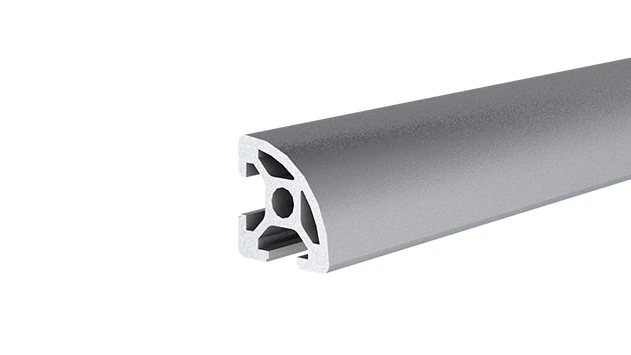
2020R EU Standard Aluminum Profile
2020R is a 2.00 x 2.00CM fractional 20 series square extrusion T-slot profile with four open T-slots, two side with 2.00cm face, the other side with round face. The profile has align-a-grooves to assist in aligning connecting profiles.
How the right materials are transforming healthcare storage from a logistical challenge to a patient safety asset
The Unseen Backbone of Patient Care: Why Medical Storage Matters More Than You Think
Walk into any hospital, clinic, or lab, and you'll notice the obvious heroes: the doctors, nurses, and cutting-edge equipment. But there's an unsung hero working behind the scenes, quietly ensuring everything runs smoothly—medical storage. From life-saving medications to sterile surgical tools, from patient records to lab specimens, how these items are stored directly impacts two critical things: staff efficiency and patient safety.
Let's start with a scenario we've all heard about: a busy emergency room, where every second counts. A nurse rushes to grab a defibrillator, only to find it's been misplaced because the storage rack was disorganized. Or imagine a pharmacy where expired medications accidentally end up on the shelf because the storage system didn't allow for clear rotation. These aren't just inconveniences—they're risks. Risks to patients, risks to staff, and risks to the facility's reputation.
But here's the thing: medical storage isn't just about "having a place to put things." It's about creating systems that are hygienic (to prevent contamination), compliant (to meet strict healthcare regulations), and adaptable (to keep up with evolving needs). And in recent years, one material has emerged as the gold standard for meeting all three: the 2020r EU standard aluminum profile. Let's dive into why this unassuming material is revolutionizing how healthcare facilities store and manage their most critical assets.
The Problem with "Good Enough": Why Traditional Storage Falls Short
For decades, healthcare facilities made do with whatever storage solutions were available—wooden shelves, plastic bins, even repurposed industrial racks. But "good enough" often came with hidden costs:
- Bacterial hotspots: Wood is porous, meaning it traps moisture and bacteria—two things you never want near sterile equipment. Plastic bins, while better, can develop cracks over time, creating tiny hiding spots for germs that standard cleaning can't reach.
- Regulatory headaches: Healthcare is one of the most regulated industries in the world. From the EU's Medical Device Regulation (MDR) to ISO 13485 standards, storage systems must meet strict criteria for material safety, traceability, and durability. Many traditional materials fail here—for example, some plastics leach chemicals when exposed to disinfectants, violating safety norms.
- One-size-fits-nobody: A pediatric clinic storing small syringes has very different needs than a trauma center storing bulky monitors. Traditional racks are often rigid, making it hard to customize for specific tools, medications, or workflows.
- Short lifespans: Constant cleaning with harsh chemicals, heavy use, and temperature fluctuations (think: storage near sterilizers) take a toll. Wooden shelves warp, plastic bins degrade, and even basic metal racks rust—leading to frequent replacements and unexpected costs.
It's no wonder then that healthcare facilities started asking: Isn't there a material that can check all the boxes—hygiene, compliance, durability, and flexibility? The answer, it turns out, was right under their noses: aluminum. But not just any aluminum— 2020r EU standard aluminum profile .

2020r EU Standard Aluminum Profile: What Makes It Different?
First, let's clarify what "2020r EU standard" means. This isn't just a random code—it's a certification that guarantees the aluminum profile meets strict European union standards for quality, safety, and performance. Developed specifically for industries where precision and compliance matter (like healthcare, aerospace, and pharmaceuticals), the 2020r standard sets benchmarks for everything from material composition to manufacturing processes.
So, what makes this aluminum profile stand out in medical storage? Let's break it down:
- Non-porous and inherently hygienic: Aluminum is naturally non-porous, meaning it doesn't absorb moisture or harbor bacteria. Unlike wood or even some plastics, its smooth surface leaves nowhere for germs to hide. This is a game-changer for infection control—simply wipe it down with hospital-grade disinfectants, and you're good to go. No more worrying about hidden bacterial colonies.
- Resistant to corrosion and chemicals: Healthcare storage areas are tough environments. From alcohol-based cleaners to bleach solutions, the materials used must stand up to frequent, aggressive cleaning. 2020r aluminum profiles are treated with a protective anodized coating that resists corrosion and chemical damage, ensuring they look and perform like new for years.
- Lightweight but surprisingly strong: Aluminum is about 30% lighter than steel, making it easy to install and reconfigure. But don't let the weight fool you—it's incredibly strong. A properly designed aluminum rack can hold heavy equipment, bulk medications, or stacks of sterile supplies without bending or warping.
- Modular by design: Here's where the "profile" part comes in. 2020r aluminum profiles are extruded into specific shapes (think: T-slots, grooves) that make them easy to assemble with aluminum profile accessories like brackets, connectors, and end caps. Need a taller shelf for IV bags? Add an extension. Want to split a rack into smaller compartments for different medication types? Snap in a divider. It's like building with high-tech Legos—no welding, no special tools, just quick, easy customization.
- Compliance built-in: Since it's EU-standard, 2020r aluminum profile comes with full traceability documentation. This means healthcare facilities can easily prove to regulators that their storage systems meet MDR, ISO 13485, and other critical standards. No more scrambling to find material safety data sheets or manufacturing records during audits.
But the real magic happens when you pair this profile with the right accessories. Let's talk about how aluminum profile accessories take medical storage from "functional" to "exceptional."
Beyond the Profile: How Accessories Enhance Medical Storage Systems
A great storage system is only as good as its parts, and 2020r aluminum profiles shine when paired with purpose-built accessories. These aren't just add-ons—they're designed to solve specific healthcare storage challenges:
- Caster wheels for mobility: In busy hospitals, fixed storage can be a bottleneck. Imagine needing to move a rack of supplies from a storage room to a surgical suite quickly. Enter caster wheels —lockable, smooth-rolling wheels that attach easily to aluminum racks. Now you've got a mobile storage unit that can go where it's needed, when it's needed. And because they're designed for medical environments, these casters are often made with non-marking rubber to protect floors and quiet bearings to avoid disrupting patient care.
- Adjustable shelves and dividers: Medications come in all shapes and sizes—from tiny vials to large IV fluid bags. With adjustable shelf brackets (a key aluminum profile accessory ), you can customize shelf heights in seconds. Dividers with T-slot attachments let you create compartments for different drug classes, expiration dates, or patient units, reducing errors and saving staff time.
- End caps and edge protectors: Sharp edges are a hazard in any workplace, but especially in healthcare where staff are often moving quickly. 2020r aluminum profiles come with soft, durable end caps that cover exposed edges, preventing scratches, cuts, or damage to delicate supplies like test tubes or glassware.
- Label holders and clear bins: Organization is key to efficiency. Accessories like clip-on label holders (made to fit the T-slots of aluminum profiles) let you clearly mark shelves with medication names, expiration dates, or equipment types. Pair these with clear, stackable bins (also compatible with the profile system) for easy visibility—no more digging through opaque containers to find what you need.
Together, the 2020r aluminum profile and its accessories create a storage system that's not just compliant, but intelligent . It adapts to your needs, keeps supplies safe and organized, and makes staff workflows smoother. But don't just take our word for it—let's look at how this system is being used in real healthcare settings.
Real-World Impact: How Hospitals Are Using 2020r Aluminum Storage
Across Europe, healthcare facilities are swapping out old storage systems for 2020r EU standard aluminum profiles—and seeing tangible results. Here are a few examples:
- Community Hospital in Berlin: This mid-sized hospital was struggling with infection control in its surgical instrument storage area. Wooden shelves were harboring bacteria despite daily cleaning, leading to occasional outbreaks. After switching to 2020r aluminum racks with adjustable shelves and smooth surfaces, their post-surgery infection rates dropped by 18% in the first year. Staff also reported spending 30% less time cleaning, as the aluminum surfaces were faster to wipe down.
- Pediatric Clinic in Barcelona: Pediatric clinics have unique storage needs—smaller supplies, colorful organization, and systems that can grow with the clinic. This clinic opted for mobile aluminum racks with caster wheels and customizable dividers. Now, nurses can roll medication carts directly to exam rooms, and shelves are easily reconfigured as new vaccines or supplies are added. "It's like having a storage system that learns with us," said the clinic's head nurse.
- Research Lab in Amsterdam: Labs need storage that's both secure and adaptable—think: temperature-controlled areas for specimens, lockable cabinets for controlled substances, and sturdy shelves for heavy equipment. The lab installed 2020r aluminum profiles with specialized accessories like lockable door panels and reinforced shelves. The modular design allowed them to add a new section when they expanded their COVID-19 testing program, with minimal downtime.
These stories highlight a common theme: 2020r aluminum profile isn't just a storage material—it's a tool that improves patient care by making staff more efficient, reducing errors, and enhancing safety.
Stainless Steel Pipe Series: The Perfect Complement to Aluminum
While 2020r aluminum profile is the star of the show, it often works hand-in-hand with another material that's equally critical in healthcare: stainless steel. The stainless steel pipe series is used in areas where even higher durability or resistance to extreme temperatures is needed—for example, storage near autoclaves (sterilization machines) or in cold rooms for vaccines.
Stainless steel pipes are known for their strength and resistance to corrosion, making them ideal for heavy-duty applications. When combined with aluminum profiles, they create hybrid systems that leverage the best of both materials: the flexibility and lightweight nature of aluminum, and the rugged durability of stainless steel. For instance, a storage rack might use aluminum profiles for the main structure (easy to adjust) and stainless steel pipes for shelving that holds extremely heavy equipment (like MRI machine parts or large oxygen tanks).
This combination ensures that no matter the storage challenge—whether it's lightweight medications or heavy machinery—the system can handle it while maintaining compliance and hygiene.
Cost-Effectiveness: Investing in Long-Term Value
Let's address the elephant in the room: upfront costs. It's true that 2020r EU standard aluminum profiles and accessories may cost more initially than basic wooden or plastic storage. But healthcare facilities that make the switch quickly realize it's an investment, not an expense. Here's why:
- Longer lifespan: Traditional storage systems need replacement every 3–5 years. Aluminum profiles, with proper care, can last 10–15 years or more. That's fewer replacements and lower long-term costs.
- Reduced maintenance: No more sanding warped wood, replacing cracked plastic bins, or repainting rusted metal. Aluminum profiles require minimal upkeep—just regular cleaning. This frees up maintenance staff to focus on more critical tasks.
- Adaptability = no need for new systems: As your facility grows or needs change, you don't have to buy new racks. Just reconfigure the existing aluminum system with new accessories. A pediatric clinic expanding to adult care? Add taller shelves. A hospital adding a new oncology wing? Customize compartments for cancer medications. This adaptability saves thousands in renovation costs.
- Compliance avoids fines: Non-compliant storage systems can lead to regulatory fines or even loss of accreditation. 2020r aluminum profiles ensure you meet all standards, protecting your facility from these risks.
When you add it all up, the ROI on aluminum storage systems is clear: lower costs over time, plus the priceless benefit of improved patient safety.
Conclusion: The Future of Medical Storage Is Here
Healthcare is evolving faster than ever, with new technologies, treatments, and regulations emerging constantly. In this environment, storage systems can't be static—they need to evolve too. 2020r EU standard aluminum profile isn't just keeping up; it's leading the way.
By prioritizing hygiene (non-porous, easy to clean), compliance (EU-certified), durability (resistant to chemicals and corrosion), and flexibility (modular design with aluminum profile accessories), this material is transforming medical storage from a background concern to a strategic asset. Add in the mobility of caster wheels, the strength of stainless steel pipe series, and the long-term cost savings, and it's clear why healthcare facilities across Europe are making the switch.
At the end of the day, medical storage isn't about shelves and racks—it's about people. It's about ensuring nurses can find the right medication quickly, doctors have access to sterile tools when they need them, and patients receive care that's safe and error-free. 2020r EU standard aluminum profile helps make that possible. And in healthcare, that's not just a win—that's everything.
Traditional vs. 2020r Aluminum Medical Storage: A Quick Comparison
| Feature | Traditional Storage (Wood/Plastic/ Basic Metal) | 2020r EU Standard Aluminum Profile |
|---|---|---|
| Hygiene | Porous; harbors bacteria; hard to clean | Non-porous; smooth surface; easy to disinfect |
| Compliance | Often lacks EU/ISO certification; risky for audits | EU-certified (2020r standard); full traceability |
| Durability | Warping, cracking, or rusting within 3–5 years | Anodized coating resists damage; lasts 10+ years |
| Flexibility | Rigid; hard to reconfigure without tools | Modular with aluminum profile accessories; easy to adjust |
| Cost (Long-Term) | High due to frequent replacements | Low; minimal maintenance and long lifespan |