- Company Articles
- Industry articles
- Industry News
- Mini Aluminum Roller Track Black: Environmental Impact of Aluminum vs. Steel

Mini Aluminum Roller Track Black: Environmental Impact of Aluminum vs. Steel
Related Product
Mini Aluminum Roller Track Black
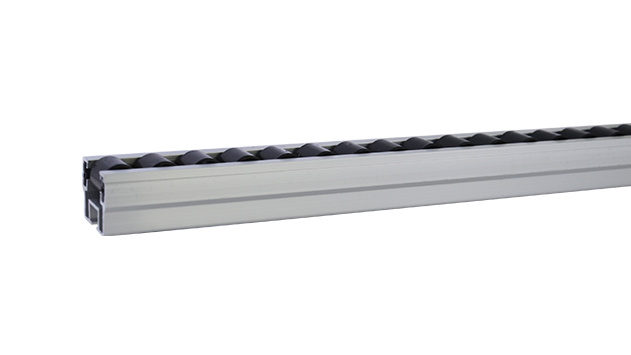
Mini aluminum roller track black for modular system, lean solution.Durable and smooth-running modular roller rails. The system is fully assembled. The roller rail profile contains plastic rollers mounted on steel axles.
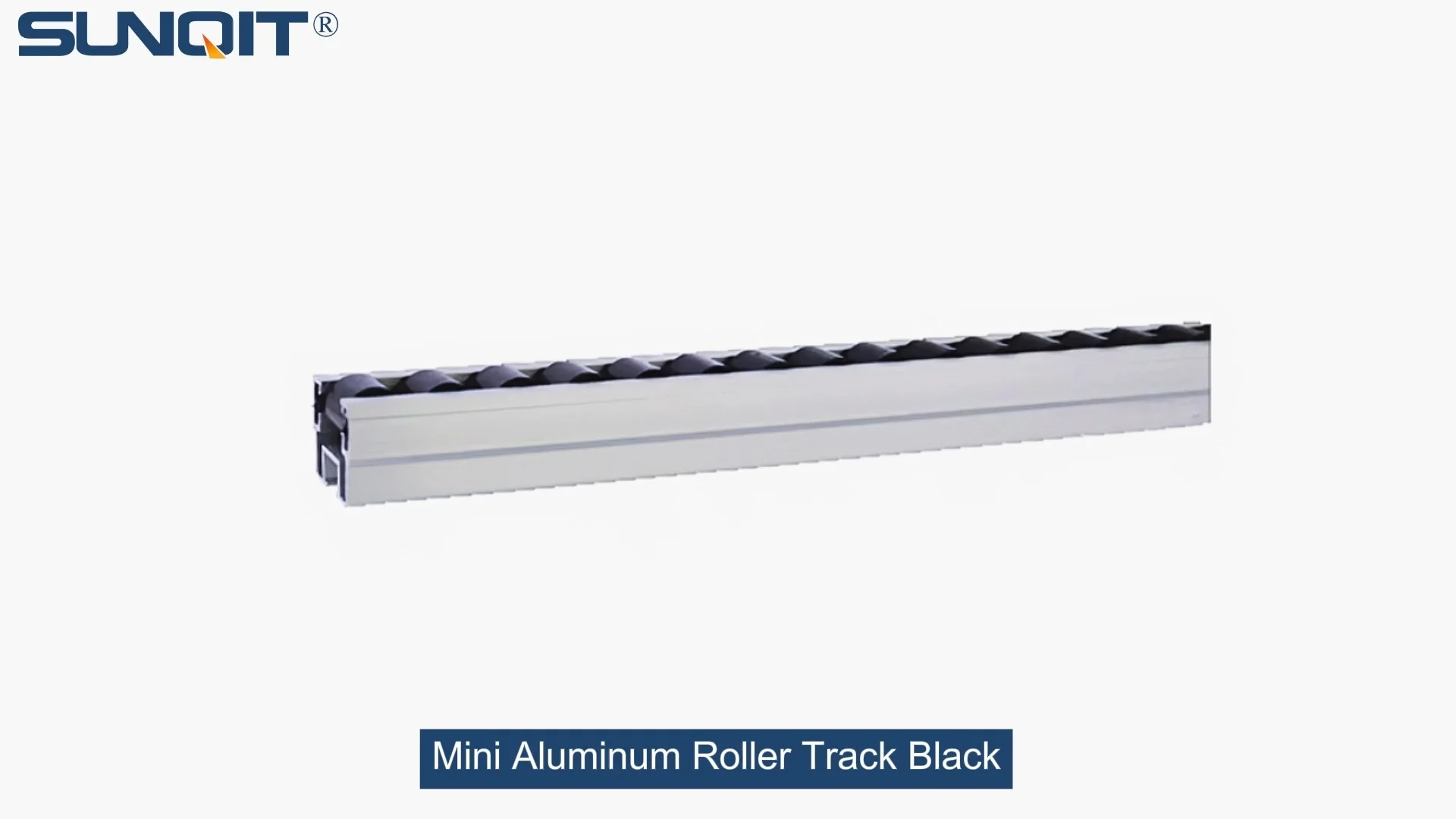
Every component in a lean manufacturing setup plays a critical role in driving efficiency and reducing waste—even the smallest ones. Take the mini aluminum roller track black, for instance. This compact, durable component is a workhorse in flow racks, conveyors, and lean pipe workstations, facilitating smooth material flow in industries ranging from 3C assembly to medical equipment manufacturing. But beyond its functional benefits, the choice between aluminum and steel for such components has profound environmental implications. As companies increasingly prioritize sustainability, understanding the eco-footprint of these materials is essential. This article explores the environmental impact of aluminum versus steel, using the mini aluminum roller track black as a focal point to highlight how material selection shapes the future of lean and sustainable manufacturing.
The mini aluminum roller track black is not just a standalone product; it's an integral part of larger lean systems. It can be found in Workbench E (a single-deck workstation without casters) and Material Rack B (a 3-row, 3-floor storage solution), both of which are key offerings from suppliers like szsunqit.com. As a wholesale item, its environmental impact is multiplied by the number of units sold, making it even more important to evaluate its sustainability credentials.
Why Material Choice Matters for Roller Tracks
Roller tracks are the unsung heroes of lean manufacturing. They form the backbone of flow racks, which keep parts moving to assembly lines just-in-time, and conveyors that transport products efficiently across facilities. The mini aluminum roller track black, with its sleek design and corrosion resistance, is a popular choice for these applications. But why does the material matter so much? Let's think about the lifecycle of a roller track: from raw material extraction to production, use, and eventual disposal or recycling. Each stage contributes to its overall environmental impact.
For lean solution providers who offer wholesale products like flow racks and conveyors, the material's eco-footprint directly affects their customers' sustainability goals. For example, a 3C assembly plant that uses hundreds of mini aluminum roller tracks in its workstations will have a different carbon footprint than one using steel alternatives. By examining the environmental profiles of aluminum and steel, we can make informed decisions that align with lean principles of 'reusable and sustainable improvement'.
Roller tracks are also essential components of conveyors, which are used in almost every manufacturing industry. The mini aluminum roller track black's lightweight design reduces the energy required to operate these conveyors, further enhancing their sustainability. In contrast, steel roller tracks add weight, increasing energy consumption and maintenance costs over time.
Technical Specifications and Eco-Friendly Features of the Mini Aluminum Roller Track Black
Let's take a closer look at the mini aluminum roller track black's technical details and how they contribute to its environmental profile:
- Dimensions: Typically measuring 40mm in width and 1000mm in length, with rollers spaced 50mm apart, this compact track fits seamlessly into small workstations and flow racks.
- Load Capacity: Despite its small size, it can support up to 50kg per meter, making it suitable for light to medium-duty applications like transporting electronic components or medical devices.
- Coating Process: The black finish is applied using a water-based powder coating, which emits fewer volatile organic compounds (VOCs) than solvent-based coatings. This reduces air pollution during production and ensures the product is safe for use in sensitive environments.
- Material Composition: Made from high-quality 6063 aluminum alloy, which is 100% recyclable. The rollers are constructed from durable polypropylene plastic or stainless steel, both of which are also recyclable.
- Durability: Resistant to corrosion and wear, the mini aluminum roller track black has a long lifespan, reducing the need for frequent replacements and minimizing waste.
These features not only make the mini aluminum roller track black a functional choice but also an eco-friendly one. The water-based coating process, in particular, demonstrates a commitment to reducing environmental harm at every stage of production.
Environmental Impact of Aluminum vs. Steel Production
The production of both aluminum and steel involves resource extraction and energy use, but their environmental profiles differ sharply. Let's start with aluminum:
Aluminum production begins with bauxite mining, a process that can disrupt ecosystems and consume large amounts of water. Bauxite is then refined into alumina using the Bayer process, which generates red mud—a toxic waste product that requires careful disposal. The alumina is then smelted using electrolysis, an energy-intensive process that accounts for most of aluminum's environmental footprint. According to the International Aluminium Institute, primary aluminum production uses approximately 200 MJ of energy per kilogram, resulting in about 16 kg of CO₂ emissions per kilogram.
Steel production, on the other hand, starts with iron ore mining. The iron ore is processed into pig iron, which is then converted into steel using the Basic Oxygen Furnace (BOF) or Electric Arc Furnace (EAF) method. Primary steel production (using BOF) uses around 30 MJ per kilogram and emits 1.8 kg of CO₂ per kilogram. While this is significantly less than primary aluminum, the story changes when we consider recycling.
Recycled aluminum uses just 4% of the energy required for primary production, cutting CO₂ emissions by 95%. Steel recycling is also efficient, using 75% less energy than primary production, but aluminum's higher recyclability rate (95% vs steel's 85%) gives it an edge in the circular economy. The table below summarizes these key metrics in detail:
| Metric | Primary Aluminum | Primary Steel (BOF) | Recycled Aluminum | Recycled Steel (EAF) |
|---|---|---|---|---|
| Energy Consumption (MJ/kg) | ~200 | ~30 | ~8 | ~7.5 |
| CO₂ Emissions (kg CO₂/kg) | ~16 | ~1.8 | ~0.6 | ~0.4 |
| Recyclability Rate (%) | N/A | N/A | ~95 | ~85 |
| Water Usage (L/kg) | ~150 | ~40 | ~5 | ~3 |
| Waste Generated (kg/kg) | ~2 | ~0.5 | ~0.1 | ~0.05 |
From the table, it's clear that while primary aluminum production is more energy-intensive and emits more CO₂ than primary steel, recycled aluminum is far more eco-friendly than both primary and recycled steel. This makes aluminum a better choice for long-term sustainability, especially when considering the product's entire lifecycle.

Recyclability and the Circular Economy
The circular economy is at the heart of lean manufacturing, and recyclability is a cornerstone of this model. Aluminum's ability to be recycled repeatedly without losing its properties makes it a perfect fit for this philosophy. For example, a mini aluminum roller track black that's no longer needed can be melted down and turned into a new aluminum lean pipe, a component of a Workbench E, or even a material rack. This closed-loop system reduces the need for virgin materials and minimizes waste.
Steel, while recyclable, has a lower recycling rate and may lose some strength after multiple recycling cycles. Let's take a real-world example: a warehouse logistics company that switched from steel to aluminum flow racks. By using mini aluminum roller tracks, they reduced the weight of each flow rack by 30%, cutting energy use during transportation and installation. Additionally, when the racks reached the end of their lifecycle, 95% of the aluminum components were recycled, compared to 80% of the steel ones. This not only reduced their landfill waste but also lowered their overall carbon footprint by 25% over five years.
Another example comes from a 3C assembly plant that replaced steel roller tracks with mini aluminum ones. They found that the aluminum tracks lasted 20% longer and required less maintenance, reducing their annual waste by 15%. Moreover, the recycled aluminum from old tracks was used to produce new lean pipe accessories, creating a fully circular supply chain.

Supply Chain Sustainability for the Mini Aluminum Roller Track Black
Sustainability doesn't stop at material choice—it extends to the entire supply chain. Suppliers like szsunqit.com, which offers wholesale lean system components including the mini aluminum roller track black, are taking steps to ensure their supply chains are eco-friendly:
- Responsible Sourcing: They source aluminum from mines that adhere to the Extractive Industries Transparency Initiative (EITI) and other environmental standards, minimizing deforestation and water pollution.
- Energy-Efficient Production: Their manufacturing facilities use renewable energy sources like solar power to reduce the carbon footprint of production. They also implement energy-saving measures such as LED lighting and efficient machinery.
- Waste Reduction: They apply lean manufacturing principles in their own operations, reducing waste and improving efficiency. For example, leftover aluminum from extrusion is recycled immediately, rather than being sent to landfill. They also use water recycling systems to minimize water waste.
- Transportation Optimization: They consolidate orders to reduce the number of shipments, using electric or hybrid vehicles for local deliveries. For international shipments, they choose carriers with low carbon emissions.
By choosing a supplier that prioritizes sustainability, companies can ensure that their mini aluminum roller track black purchases have a lower environmental impact throughout the supply chain.
Practical Implications for Manufacturing Industries
Choosing mini aluminum roller tracks over steel isn't just good for the planet—it's good for the bottom line. Let's break down the practical benefits for different industries:
Automotive Industry
Car manufacturers rely on lean systems to streamline production. The mini aluminum roller track black is used in conveyors that transport parts to assembly lines. Its lightweight design reduces the energy needed to move these conveyors, cutting operational costs. Additionally, aluminum's corrosion resistance means the roller tracks last longer, reducing maintenance and replacement expenses. For example, a leading car manufacturer reported a 10% reduction in conveyor energy use after switching to aluminum roller tracks.
3C Assembly
The fast-paced nature of 3C assembly requires flexible production lines. The mini aluminum roller track black is easy to reconfigure, allowing manufacturers to adapt quickly to new product designs. This flexibility reduces downtime and waste, aligning with lean principles. For example, a smartphone assembly plant can rearrange its flow racks using mini aluminum roller tracks in hours, rather than days, to accommodate a new model launch. This agility helps them stay competitive in a rapidly changing market.
Medical Equipment Manufacturing
Medical facilities demand high levels of cleanliness and durability. The mini aluminum roller track black is non-toxic and easy to sanitize, making it ideal for transporting sensitive medical devices. Its corrosion resistance ensures it doesn't degrade in sterile environments, reducing the risk of contamination. A medical equipment manufacturer reported a 20% reduction in product defects after switching to aluminum roller tracks, thanks to their superior cleanliness.
Warehouse Logistics
Flow racks equipped with mini aluminum roller tracks are lighter and easier to move, improving efficiency in storage and retrieval. This translates to lower energy use for forklifts and other material handling equipment. A warehouse that uses aluminum flow racks can reduce its annual energy consumption by up to 15%, according to industry estimates. Additionally, the lightweight design makes it easier for workers to rearrange racks manually, reducing the need for heavy machinery.
Consumer Electronics
Consumer electronics manufacturers use lean systems to produce devices quickly and efficiently. The mini aluminum roller track black is used in lean pipe workstations to hold components during assembly. Its durability and corrosion resistance make it ideal for this application, as it can withstand the wear and tear of daily use. A leading consumer electronics company reported a 12% reduction in workstation maintenance costs after switching to aluminum roller tracks.
Conclusion
The mini aluminum roller track black is more than just a component—it's a symbol of how small choices can drive big change in manufacturing. While aluminum production initially has a higher environmental cost than steel, its exceptional recyclability and long-term sustainability make it the better choice for lean systems. By embracing aluminum components, companies can reduce their carbon footprint, support the circular economy, and align with the 'reusable and sustainable improvement' principles that define lean manufacturing.
As the industry evolves, the demand for eco-friendly lean solutions will only grow. The mini aluminum roller track black, along with other aluminum-based products like aluminum lean pipes and flow racks, will play a key role in this transition. Whether you're a manufacturer looking to optimize your production line or a supplier offering wholesale lean system components, choosing aluminum is a step toward a greener, more efficient future.
In the end, sustainability isn't just a buzzword—it's a responsibility. The mini aluminum roller track black shows us that even the smallest components can contribute to a more sustainable world. By making informed material choices, we can build manufacturing systems that are not only efficient but also kind to the planet.