- Company Articles
- Industry articles
- Industry standards
- 2020 Aluminum Profile End Caps in Medical Device Production: Compliance & Safety

2020 Aluminum Profile End Caps in Medical Device Production: Compliance & Safety
Related Product
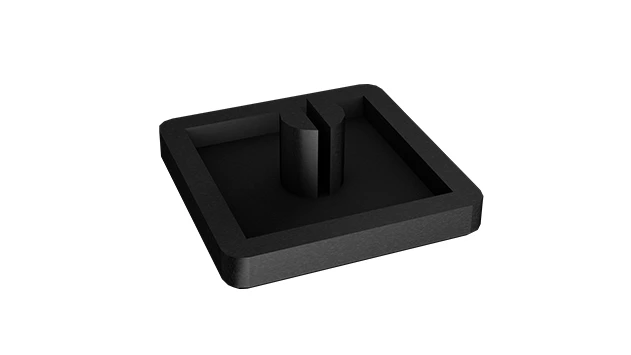
2020 Aluminum Profile End Cap
The aluminum profile end cap adds a finishing touch to your project and closes off profile ends to limit dust and debris buildup, also it can avaid some scratch for material and labor during the assemble work.
Walk into any medical device manufacturing facility, and you'll immediately sense the precision in the air. Technicians in sterile gowns lean over workbenches, carefully assembling components that could one day save a life. Robotic arms glide along aluminum extrusion profiles, moving delicate parts with millimeter-perfect accuracy. Every tool, every surface, every tiny component has a role to play—and in this high-stakes environment, even the smallest details can mean the difference between a product that meets life-saving standards and one that falls short. Today, we're shining a light on one such unsung hero: the 2020 aluminum profile end cap. Though it might seem at first glance, this small accessory is a cornerstone of compliance, safety, and efficiency in medical device production.
Why Aluminum Extrusion Profiles Matter in Medical Manufacturing
Before diving into the specifics of end caps, let's take a step back and understand why aluminum extrusion profiles have become the backbone of modern medical device production lines. Unlike traditional materials like steel or plastic, aluminum offers a unique blend of strength, lightweight durability, and corrosion resistance—qualities that are non-negotiable in environments where cleanliness and longevity are paramount. Medical device factories, for instance, require workbenches, material racks, and conveyor systems that can withstand daily sanitization with harsh chemicals without rusting or degrading. Aluminum extrusion profiles deliver exactly that, making them the go-to choice for building these critical structures.
But it's not just about durability. Aluminum's malleability allows for intricate, custom designs. Medical device production lines are rarely one-size-fits-all; they need to adapt to the unique shapes and sizes of instruments, from tiny pacemaker components to larger surgical tools. Aluminum extrusion profiles can be cut, bent, and assembled into almost any configuration, whether it's a curved conveyor track for delicate parts or a multi-tiered workbench with built-in storage. This flexibility aligns perfectly with the demands of lean system principles, where minimizing waste and maximizing workflow efficiency are key goals.
Of course, none of this would matter if the profiles themselves posed risks. Sharp edges, rough surfaces, or gaps where bacteria could hide are unacceptable in a setting where even the smallest contamination could compromise patient safety. That's where aluminum profile accessories come into play—and among these, the 2020 aluminum profile end cap stands out as a silent guardian of both compliance and safety.
The Role of 2020 Aluminum Profile End Caps: Small Component, Big Impact
At first glance, a 2020 aluminum profile end cap might seem like little more than a plastic or rubber plug. But to dismiss it as "just a cap" is to overlook its critical functions. Let's break it down: aluminum extrusion profiles, by design, have open ends. These ends are often cut during manufacturing, leaving behind rough edges or burrs. In a medical setting, where technicians frequently handle or lean against workbenches and racks, those sharp edges could lead to cuts—exposing workers to injury and creating opportunities for bloodborne pathogens to spread. Worse, if a loose burr were to break off and fall into a batch of medical devices, it could contaminate the product, leading to costly recalls or, far more seriously, patient harm.
This is where the 2020 aluminum profile end cap steps in. Made from high-grade, medical-grade plastics or rubber (depending on the application), these caps snap or slide onto the open ends of 2020-series aluminum profiles, instantly smoothing out rough edges and eliminating sharp points. Think of them as the final "polish" on a well-built structure—turning a functional but potentially hazardous component into one that's safe for daily use. But their role doesn't stop at edge protection.
End caps also act as a barrier against contamination. In medical manufacturing, dust, debris, and moisture are constant threats. Without end caps, the hollow interior of aluminum profiles could become a breeding ground for bacteria or a trap for tiny particles that could later dislodge and contaminate products. A properly fitted end cap seals off these hollow spaces, preventing the buildup of grime and making it easier to sanitize the entire structure. During routine cleaning, for example, a workbench with capped profiles can be wiped down quickly and thoroughly, with no hidden crevices to miss—a detail that saves time and reduces the risk of human error in compliance checks.
Perhaps most surprisingly, 2020 aluminum profile end caps also contribute to the structural integrity of the systems they're part of. When profiles are joined together with connectors, the open ends can weaken the joint over time, especially under heavy loads. End caps add a layer of reinforcement, distributing weight more evenly and preventing the profile from warping or cracking. This might not seem critical for a lightweight workbench, but in high-stakes areas like material racks that hold hundreds of pounds of sterile equipment, that extra stability can mean the difference between a reliable system and a catastrophic failure.

Compliance: Meeting the Strictest Standards in Medical Manufacturing
In the world of medical device production, compliance isn't optional—it's a matter of legal and ethical responsibility. Regulatory bodies like the FDA (Food and Drug Administration) and ISO (International Organization for Standardization) have strict guidelines for everything from material composition to manufacturing processes. 2020 aluminum profile end caps might be small, but they're subject to the same rigorous standards as the devices themselves.
Take ISO 13485, for example—the international standard for quality management systems in medical device manufacturing. ISO 13485 requires that all components used in production environments are "suitable for their intended use" and do not introduce risks to product quality or patient safety. This includes ensuring that end caps are made from materials that are non-toxic, non-reactive, and resistant to degradation from cleaning agents. A subpar end cap made from low-quality plastic, for instance, might crack after repeated exposure to alcohol-based sanitizers, creating sharp edges or releasing microplastics into the environment—both violations of ISO 13485.
The FDA, too, has clear expectations. Under 21 CFR Part 820 (Quality System Regulation), manufacturers must document and verify that all components, including aluminum profile accessories, meet specified requirements. This means suppliers of 2020 aluminum profile end caps must provide certificates of compliance (CoCs) proving that their products are made from approved materials and tested for durability and safety. For medical device companies, choosing a reputable aluminum profile accessories supplier isn't just about getting a good product—it's about avoiding costly audits, fines, or product recalls down the line.
To illustrate, consider a scenario where a medical device manufacturer uses generic, uncertified end caps on their workbenches. During an FDA inspection, auditors notice that the caps are flaking, leaving small plastic particles on the bench surface. These particles could potentially transfer to the devices being assembled, leading to contamination. The result? The manufacturer might face a warning letter, production shutdowns, or even a ban on selling their products until the issue is resolved. In contrast, using certified 2020 aluminum profile end caps from a trusted supplier provides peace of mind, with CoCs and test reports to back up their safety and compliance.
Key Compliance Standards for 2020 Aluminum Profile End Caps
| Regulatory Body | Standard | Requirements for End Caps |
|---|---|---|
| ISO | ISO 13485 | Non-toxic, non-reactive materials; resistance to cleaning agents; no risk of contamination |
| FDA | 21 CFR Part 820 | Documented material safety; traceability of components; compliance with durability testing |
| EU | CE Marking (MDR 2017/746) | Conforms to essential safety requirements; proof of biocompatibility (if in contact with devices) |
Beyond regulatory checkboxes, compliance also plays a role in customer trust. Medical device companies don't just sell products—they sell reliability. When hospitals or clinics purchase instruments, they need to know that every part of the manufacturing process, right down to the end caps on the workbenches, adheres to the highest standards. By investing in compliant end caps, manufacturers signal their commitment to quality, building long-term relationships with clients who value safety above all else.

Safety: Protecting Workers and Products Alike
While compliance focuses on meeting external standards, safety is about the day-to-day impact on people and processes. In a medical device factory, where technicians spend hours standing at workbenches or moving materials along conveyor systems, the risk of injury from poorly designed equipment is very real. 2020 aluminum profile end caps are a frontline defense against these risks.
Consider the simple act of reaching across a workbench to grab a tool. Without an end cap, the exposed edge of an aluminum profile could catch on a technician's glove or sleeve, causing a cut or a tear. In a sterile environment, even a minor cut requires the worker to stop, sanitize, and potentially change gloves or gowns—disrupting workflow and increasing the risk of contamination. End caps eliminate this hazard by creating a smooth, rounded finish that glides against fabric and skin, reducing the chance of injury to near zero.
But the safety benefits extend beyond physical harm. In medical manufacturing, cross-contamination is a constant concern. Bacteria, viruses, or particulate matter can hide in the tiniest gaps, and open aluminum profile ends are perfect breeding grounds. A single end cap missing from a material rack, for example, could allow dust or moisture to accumulate inside the profile, which might then be dislodged during cleaning and settle on sterile instruments. Over time, this could lead to infections in patients—a scenario no manufacturer wants to face. End caps seal these gaps, creating a seamless surface that's easy to wipe down and impossible for contaminants to hide in.
Durability is another safety factor. Medical device production lines run around the clock, with equipment subjected to constant use and abuse. A cheap end cap that cracks or falls off after a few months isn't just a maintenance hassle—it's a safety risk. Imagine a conveyor system where an end cap has come loose, leaving the profile end exposed. As a tray of delicate surgical tools slides along the conveyor, one might catch on the sharp edge, damaging the tool or causing it to fall. Not only does this waste expensive materials, but it also creates a tripping hazard if the tool lands on the floor. High-quality 2020 aluminum profile end caps, however, are designed to withstand years of use, staying securely in place even under heavy loads and frequent vibrations.
Perhaps the most underrated safety benefit of end caps is their role in reducing mental fatigue. When technicians know that the workbenches, racks, and conveyors around them are free of hazards, they can focus on their tasks with greater confidence and precision. In a job where a single mistake could have life-or-death consequences, that peace of mind is invaluable. It's the difference between a worker who's constantly second-guessing whether a surface is safe and one who can channel their energy into assembling a flawless medical device.
Integration with Aluminum Profile Accessories: Building a Cohesive System
2020 aluminum profile end caps don't work in isolation—they're part of a larger ecosystem of aluminum profile accessories that together create safe, efficient production systems. From connectors and brackets to casters and guide rails, each accessory plays a role in ensuring the whole is greater than the sum of its parts. End caps, in particular, complement these components by addressing the "last mile" of safety and functionality.
Take workbenches, for example. A typical medical device workbench might be built from 2020 aluminum extrusion profiles, with aluminum profile accessories like adjustable feet for stability, side rails for tool storage, and a laminate top for easy cleaning. But without end caps, the open ends of the vertical and horizontal profiles would mar the bench's clean look and pose risks. End caps finish the bench, turning a functional structure into a polished, professional workspace that meets both safety and aesthetic standards. They also work with other accessories: for instance, when a caster is attached to the bottom of a profile, the end cap ensures the connection is smooth, preventing the caster from catching on the floor or damaging the profile itself.
Material racks are another example. A multi-tiered rack used to store sterile packaging or component bins relies on aluminum profiles for support. Each shelf is held in place by brackets, and the vertical posts are secured with connectors. End caps on the top and bottom of these posts prevent dust from settling inside and add a finished look, but they also protect the brackets from wear. Without end caps, the brackets might rub against the raw profile edges, causing them to loosen over time. End caps act as a buffer, extending the life of the rack and ensuring it remains stable even when fully loaded.
Even conveyor systems, which are critical for moving parts between workstations, benefit from end caps. Conveyors often use aluminum guide rails to keep trays or bins on track. These rails are mounted to the conveyor frame using brackets, and the ends of the rails are capped to prevent trays from catching or jamming. In high-speed lines, a single jam could disrupt production for hours, costing thousands of dollars in lost time. End caps ensure that the rails are smooth and continuous, allowing for seamless movement of parts and reducing the risk of costly delays.
The key here is compatibility. Not all aluminum profile accessories are created equal, and using end caps that aren't designed for 2020 profiles can undermine their effectiveness. A cap that's too loose might fall off; one that's too tight could crack the profile when installed. Reputable suppliers design their end caps to fit specific profile sizes, ensuring a snug, secure fit that works with other accessories. This attention to detail is why choosing a trusted aluminum profile accessories supplier is so important—they understand how all the pieces fit together, and they can provide guidance on which end caps, connectors, and brackets will work best for a given application.
Supporting Lean System Principles: Efficiency Meets Safety
Lean system principles have revolutionized manufacturing by focusing on eliminating waste, streamlining workflows, and empowering workers. In medical device production, where precision and speed are equally important, lean systems are especially valuable. 2020 aluminum profile end caps might not seem like a "lean tool" at first, but they play a quiet role in supporting these principles.
Let's start with waste reduction. In lean manufacturing, "waste" includes anything that doesn't add value to the product, from excess inventory to unnecessary movement. Poorly designed equipment that causes delays or rework is a major source of waste, and sharp or unstable aluminum profiles are a prime culprit. A technician who has to stop work to file down a rough edge on a profile, or who drops a part because it caught on an exposed end, is wasting time and resources. End caps prevent these issues, keeping production lines running smoothly and reducing the need for unplanned maintenance. Over time, this adds up to significant savings in labor and materials.
Then there's workflow efficiency. Lean systems prioritize creating "flow"—the uninterrupted movement of products from one stage of production to the next. Conveyors, workbenches, and material racks are all designed to minimize the distance workers have to move and the time they spend retrieving tools or parts. End caps contribute to this flow by ensuring that these systems are reliable and low-maintenance. A conveyor with properly capped rails won't jam; a workbench with smooth edges won't slow down technicians as they reach for tools. This reliability means fewer disruptions, faster cycle times, and ultimately, more products manufactured per shift.
Worker empowerment is another lean principle, and end caps support this by creating a safer, more comfortable work environment. When employees feel that their employer cares about their well-being—by providing workbenches with end caps to prevent cuts, for example—they're more engaged, motivated, and productive. This leads to lower turnover, fewer errors, and a stronger culture of continuous improvement. In short, end caps aren't just about compliance; they're about respecting the people who build life-saving devices.
Finally, lean systems thrive on flexibility. Medical device production lines need to adapt quickly to new products, changing demand, or updated regulations. Aluminum extrusion profiles are already flexible, but end caps make them even more so. When a workbench or rack needs to be reconfigured, end caps can be easily removed and reinstalled, allowing for quick adjustments without damaging the profiles. This modularity means manufacturers can respond to changes faster, reducing the time and cost of retooling.
Choosing the Right Supplier: Why Quality Matters
At this point, it's clear that 2020 aluminum profile end caps are critical to medical device production—but none of their benefits matter if you're using low-quality caps from an unreliable supplier. Choosing the right aluminum profile accessories supplier is just as important as choosing the caps themselves, and there are a few key factors to consider.
First and foremost, look for a supplier with a proven track record in medical manufacturing. Medical device production has unique requirements, and a supplier who primarily serves the automotive or construction industries might not understand the strict compliance and safety standards you need. Ask for references from other medical device companies, and check if the supplier has certifications like ISO 13485 or FDA registration. These credentials are a good indicator that they take quality seriously.
Material quality is another must. End caps should be made from medical-grade plastics or rubber that are non-toxic, non-reactive, and resistant to chemicals and UV light. A reputable supplier will provide detailed material data sheets (MDS) for their products, listing ingredients, mechanical properties, and test results. Avoid suppliers who can't or won't share this information—transparency is key when it comes to compliance.
Consistency is also critical. Medical device manufacturing requires tight tolerances, and end caps that vary in size or shape from batch to batch can cause problems. A cap that's slightly too small might fall off; one that's too large could crack the profile. Look for suppliers with strict quality control processes, including automated inspection systems and regular testing. Ask about their defect rate—ideally, it should be less than 0.1% for critical components like end caps.
Finally, consider customer support. Medical device production lines don't stop for supplier issues, and you need a partner who can respond quickly to questions, rush orders, or technical problems. Does the supplier offer technical assistance for installation or compatibility questions? Can they provide custom end caps if you need a specific color, size, or material? A supplier who goes the extra mile to support your needs is worth their weight in aluminum.
Conclusion: The Small Component That Makes a Big Difference
In the grand scheme of medical device production, 2020 aluminum profile end caps might seem. They don't have the flash of a state-of-the-art robotic arm or the complexity of a pacemaker circuit. But as we've explored, their impact is profound. From ensuring compliance with strict regulatory standards to protecting workers from injury, from supporting lean system efficiency to preventing contamination, end caps are the unsung heroes that keep production lines running safely, smoothly, and reliably.
For medical device manufacturers, investing in high-quality end caps isn't just a matter of checking boxes—it's a commitment to excellence. It's about recognizing that every component, no matter how small, plays a role in creating products that save lives. It's about respecting the technicians who build those products by providing them with safe, comfortable tools. And it's about building a reputation for quality that sets your company apart in a competitive industry.
So the next time you walk into a medical device factory, take a moment to look at the workbenches, the material racks, and the conveyor systems. Notice the smooth, rounded edges, the clean lines, the absence of gaps or sharp points. Chances are, those details are thanks to 2020 aluminum profile end caps—quietly doing their job, so everyone else can do theirs.