- Company Articles
- Industry articles
- Industry standards
- 2020 Aluminum Profile End Caps Meeting Medical Industry Sanitation Standards

2020 Aluminum Profile End Caps Meeting Medical Industry Sanitation Standards
Related Product
2020 Aluminum Profile End Cap
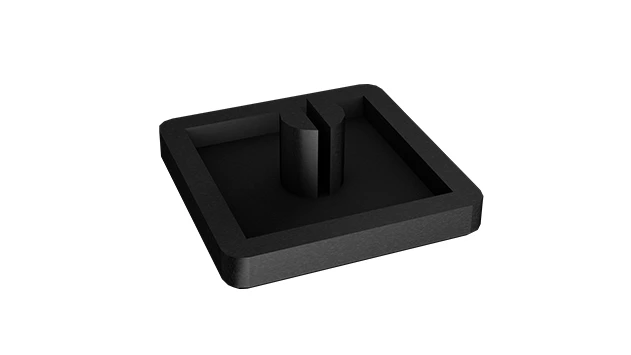
The aluminum profile end cap adds a finishing touch to your project and closes off profile ends to limit dust and debris buildup, also it can avaid some scratch for material and labor during the assemble work.
How a small component elevates hygiene and safety in healthcare environments
The Critical Role of Sanitation in Modern Healthcare
In the high-stakes world of healthcare, sanitation isn't just a priority—it's a lifeline. Every surface, every tool, and every piece of equipment must adhere to rigorous cleanliness standards to prevent the spread of infections, protect patients, and ensure compliance with regulatory bodies. From operating rooms to laboratory benches, from medication carts to surgical instrument racks, the battle against bacteria, viruses, and contaminants is fought on every inch of a facility. Yet, while large-scale systems like HVAC filters and autoclaves often steal the spotlight, it's the smallest components that can sometimes make the biggest difference in maintaining a sterile environment. One such unsung component? The 2020 aluminum profile end cap —a deceptively simple part that plays a critical role in upholding sanitation standards in medical settings worldwide.
Medical professionals know that bacteria thrive in hard-to-reach crevices: the gaps between equipment parts, the edges of work surfaces, the joints of metal frames. These microscopic hideouts can become breeding grounds for pathogens, putting patients at risk even when staff follow strict cleaning protocols. That's why modern healthcare facilities are increasingly turning to modular, easy-to-clean systems built with aluminum extrusion profiles —and why the end caps that seal these profiles are now non-negotiable for infection control.
Aluminum Extrusion Profiles: The Backbone of Medical Workspaces
To understand the importance of end caps, we first need to look at the material they're designed to protect: aluminum. For decades, aluminum extrusion profiles have been the material of choice in healthcare design, and for good reason. Unlike wood, which can warp and harbor moisture, or untreated steel, which may rust, aluminum offers a unique combination of strength, lightness, and corrosion resistance. Its smooth, non-porous surface is inherently less likely to trap bacteria, and it stands up to the harsh chemicals found in hospital-grade disinfectants—think bleach, hydrogen peroxide, and alcohol-based cleaners—without degrading over time.
In medical settings, aluminum profiles are everywhere. They form the frames of laboratory workbenches where samples are tested, the structures of mobile medication carts that move through patient wards, the shelving in sterile supply rooms, and even the supports for surgical lights and monitors. Their modularity is another key advantage: with the right aluminum profile accessories —connectors, hinges, brackets—facilities can customize these systems to fit their specific needs, reconfiguring workspaces as demands change. But for all their benefits, aluminum profiles have one potential weakness: their hollow, open ends. Left unsealed, these ends can collect dust, debris, and moisture—exactly the kind of environment pathogens love. That's where end caps come in.

The Unsung Hero: What Are Aluminum Profile End Caps?
At first glance, an aluminum profile end cap might seem like little more than a plastic or metal plug. But in reality, it's a precision-engineered component designed to solve a critical problem: sealing the exposed ends of aluminum extrusion profiles to prevent contamination. When a profile is extruded, it forms a long, hollow shape—often with internal channels for wiring, mounting hardware, or structural support. Without an end cap, these channels act like tiny pipes, drawing in air, dust, and liquid during cleaning. Over time, this can lead to mold growth, bacterial buildup, or even corrosion inside the profile, compromising both hygiene and structural integrity.
The 2020 aluminum profile end cap is specifically designed for the 2020 series of aluminum profiles—the most widely used size in medical and laboratory equipment. Named for their dimensions (20mm x 20mm cross-section), these profiles strike the perfect balance between strength and versatility, making them ideal for everything from lightweight workbenches to heavy-duty instrument carts. The end caps for these profiles are engineered to fit snugly into the profile's open ends, creating a seamless, closed surface that leaves no room for debris to accumulate. But not all end caps are created equal—and in healthcare, the difference between a subpar end cap and a medical-grade one can have serious consequences.

2020 Aluminum Profile End Caps: Design Features for Medical Sanitation
Medical-grade 2020 aluminum profile end caps are built with one goal in mind: to eliminate contamination risks while standing up to the rigors of daily hospital use. Let's break down their key design features:
- Smooth, Seamless Surfaces: Unlike generic end caps, which may have rough edges or visible seams, medical-grade versions are injection-molded or machined to create a perfectly smooth exterior. This eliminates crevices where bacteria could hide, making them easy to wipe down with disinfectant wipes or spray.
- Tight, Secure Fit: A loose end cap is worse than no end cap at all—it can rattle, create gaps, or even fall off, leaving the profile exposed. Medical end caps use a precision fit, often with a slight interference design, to ensure they stay in place even with frequent handling or vibration.
- Chemical Resistance: Hospital cleaners are tough on materials, but medical end caps are made from high-grade plastics (like polypropylene or ABS) or anodized aluminum that resist degradation from bleach, alcohol, and other harsh agents. This ensures they don't crack, discolor, or leach chemicals over time.
- Non-Toxic Materials: For profiles used in environments where contact with patients or medications is possible, end caps are manufactured from FDA-compliant, food-safe materials that contain no BPA, phthalates, or other harmful substances.
Meeting Regulatory Standards: From ISO to FDA
In healthcare, "good enough" isn't enough. Every component must meet strict regulatory standards, and 2020 aluminum profile end caps are no exception. The most common benchmarks include:
ISO 13485: This international standard specifies requirements for quality management systems in the medical device industry. For end caps, compliance means rigorous testing for durability, chemical resistance, and biocompatibility. Manufacturers must document every step of production, from raw material sourcing to final inspection, to ensure consistency.
FDA Guidelines: The U.S. Food and Drug Administration (FDA) classifies many aluminum profile systems as "medical devices" when used in diagnostic or treatment settings. End caps must therefore meet FDA's standards for "non-significant risk" devices, including proof that they won't introduce contaminants into the environment.
USP Class VI: For end caps used in pharmaceutical labs or near sterile medications, USP (United States Pharmacopeia) Class VI certification is critical. This standard ensures the material won't cause adverse biological reactions when in contact with drugs or bodily fluids.
Meeting these standards isn't just about checking boxes—it's about giving healthcare facilities the confidence that their systems are truly sterile. A 2020 aluminum profile end cap that bears these certifications isn't just a part; it's a promise of safety.
Beyond Sanitation: The Hidden Benefits of Quality End Caps
While sanitation is the primary driver for using medical-grade end caps, their benefits extend far beyond infection control. For healthcare facilities, these small components deliver tangible advantages that impact everything from operational efficiency to long-term cost savings:
- Reduced Maintenance Costs: Sealed profiles are easier to clean, which means staff spend less time scrubbing crevices and more time on patient care. They also prevent dust and moisture from damaging the interior of the profile, extending the lifespan of expensive equipment.
- Improved Safety: Uncapped profiles can have sharp edges from the extrusion process, posing a risk of cuts to staff or patients. End caps smooth these edges, creating a safer environment.
- Customization Flexibility: Modular aluminum extrusion profiles are all about adaptability, and end caps support this by allowing quick reconfiguration. Whether a facility needs to add a shelf, reposition a cart, or expand a workbench, end caps can be removed and reinstalled without damaging the profile.
- Aesthetic Consistency: In patient-facing areas, a clean, uniform look matters. End caps give profiles a finished, professional appearance, avoiding the "unfinished" look of open ends.
Aluminum Profile Accessories: Completing the System
A 2020 aluminum profile end cap is most effective when paired with other high-quality aluminum profile accessories that enhance hygiene and functionality. For example:
- Sealed Connectors: Like end caps, connectors that join aluminum profiles should have smooth, crevice-free designs to prevent bacterial buildup.
- Tool-Less Fasteners: Traditional screws and bolts can create gaps where bacteria hide. Tool-less, snap-fit accessories eliminate this risk while making assembly faster.
- Anti-Microbial Worktops: When mounted on aluminum profile frames, these work surfaces (often made of stainless steel or phenolic resin) pair with end caps to create a fully sealed, easy-to-clean workstation.
- Casters with Brake Locks: For mobile carts, casters with sealed bearings and easy-to-clean surfaces prevent debris from getting trapped in wheels, while brake locks ensure stability during use.
Together, these accessories and end caps create a system where every component works in harmony to maintain sanitation—a critical advantage in fast-paced medical environments where time is always in short supply.
Comparing End Cap Materials: Why Aluminum and Plastic Lead the Pack
| Feature | 2020 Aluminum Profile End Caps (Plastic) | 2020 Aluminum Profile End Caps (Anodized Aluminum) | Stainless Steel End Caps |
|---|---|---|---|
| Material Cost | Low to moderate | Moderate | High |
| Weight | Lightweight | Lightweight | Heavy |
| Chemical Resistance | Excellent (polypropylene/ABS) | Excellent (anodized layer) | Excellent |
| Ease of Cleaning | Very high (smooth, non-porous) | Very high (smooth, anodized surface) | High (but heavier, harder to maneuver) |
| Compatibility with Aluminum Extrusion Profiles | Excellent (precision fit) | Excellent (same material, no galvanic corrosion) | Good (but may require adapters) |
| Best For | General medical workspaces, mobile carts | High-wear areas, sterile labs | Extreme-heat environments (rare in healthcare) |
As the table shows, both plastic and anodized aluminum end caps excel in medical settings, offering the ideal balance of cost, hygiene, and durability. Stainless steel, while strong, is often overkill for most healthcare applications and adds unnecessary weight to mobile systems—a critical factor when staff need to move carts or equipment quickly.
Real-World Applications: How End Caps Protect Patients and Staff
To see the impact of 2020 aluminum profile end caps in action, consider a typical day in a busy hospital laboratory. A technician prepares samples on a modular workbench built with aluminum extrusion profiles . The bench's frame is sealed with end caps, so when she wipes down the surface with a bleach solution, no liquid seeps into the profile's hollow ends. Later, she wheels a medication cart—also framed with aluminum profiles and capped ends—to a patient's room. The cart's end caps prevent dust from collecting in the frame, and their smooth edges mean no snags on gloves or clothing. In the operating room, a surgical instrument rack, sealed with end caps, is sanitized between procedures, with no hidden crevices for blood or fluids to linger. In each case, the end caps work quietly behind the scenes, ensuring the environment remains as sterile as possible.
For pharmaceutical manufacturers, the stakes are even higher. In cleanrooms where medications are compounded, every particle counts. Aluminum profile accessories like sealed end caps and smooth connectors help maintain ISO 7 or ISO 8 air quality standards by reducing the number of surfaces where dust can accumulate. This isn't just about compliance—it's about ensuring that life-saving drugs remain pure and effective.
Conclusion: Small Parts, Big Impact
In the grand scheme of healthcare infrastructure, the 2020 aluminum profile end cap may seem. But as we've explored, its role in maintaining sanitation, ensuring compliance, and protecting patients is anything but minor. In an industry where (the details determine success or failure), these small, precisely engineered components are a testament to the power of thoughtful design.
As healthcare facilities continue to evolve—adopting new technologies, expanding services, and raising the bar for patient safety—the demand for modular, hygienic systems built with aluminum extrusion profiles will only grow. And with that growth will come a greater appreciation for the end caps that keep these systems sealed, clean, and ready to perform when lives are on the line. Because in healthcare, every component matters—even the ones you can barely see.