- Company Articles
- Industry articles
- Industry standards
- 2020 EU Standard Aluminum Profile: Avoiding Compliance Pitfalls in Export Markets

2020 EU Standard Aluminum Profile: Avoiding Compliance Pitfalls in Export Markets
Related Product
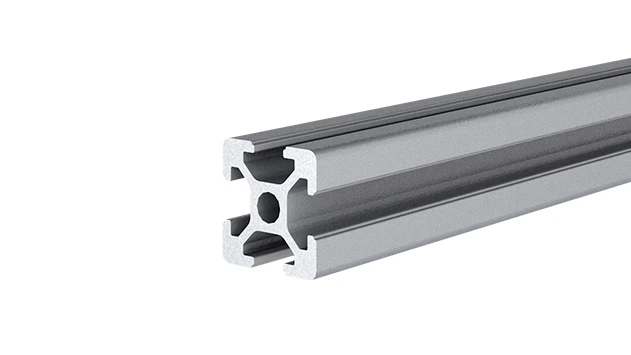
2020 EU Standard Aluminum Profile
2020 is a 2.00 x 2.00CM fractional 20 series square extrusion T-slot profile with four open T-slots, one on each 2.00 face. The profile has align-a-grooves to assist in aligning connecting profiles.
In the fast-paced world of global manufacturing, every component matters—but few are as foundational as aluminum profiles. These versatile structures form the backbone of assembly lines, workbenches, material racks, and countless other industrial setups. For exporters eyeing the European market, however, "versatile" isn't enough. The EU's strict regulations demand precision, safety, and sustainability—standards that can turn a promising export deal into a costly compliance nightmare if overlooked. That's where the 2020 EU standard aluminum profile comes in. More than just a product, it's a lifeline for manufacturers navigating the complex web of European regulations. Let's dive into why this standard matters, the hidden risks exporters face, and how the right approach—paired with quality materials and trusted partners—can turn compliance from a hurdle into a competitive advantage.
Understanding the 2020 EU Standard: More Than Just a "Checklist"
First, let's clarify what the 2020 EU standard for aluminum profiles actually entails. It's not a single document but a collection of regulations spanning material safety, structural integrity, environmental impact, and even ergonomics. For instance, REACH (Registration, Evaluation, Authorization, and Restriction of Chemicals) restricts the use of harmful substances like lead and cadmium in materials, while RoHS (Restriction of Hazardous Substances) sets limits on heavy metals in electrical and electronic components—including the aluminum profiles used in manufacturing equipment. Then there's CE marking, a mandatory certification indicating a product meets EU health, safety, and environmental requirements.
What makes the 2020 update significant is its focus on sustainability and performance under stress . Unlike older standards that prioritized basic safety, the 2020 guidelines demand profiles that are not only strong but also energy-efficient to produce, recyclable, and designed for long-term durability. For example, aluminum extrusion profile —created by forcing aluminum through a die to form consistent cross-sections—is now favored over cheaper, less uniform alternatives because it ensures structural reliability and reduces waste. This shift isn't just about ticking boxes; it's about aligning with the EU's broader goals of a circular economy and reducing industrial carbon footprints.
The Cost of Cutting Corners: A Cautionary Tale
Consider a mid-sized manufacturer in Asia that exported workbenches to Germany in 2021. Confident in their "industry-standard" aluminum profiles, they skipped auditing their supplier's compliance documentation. Six months later, a routine EU inspection revealed their profiles contained 0.12% lead—well above REACH's 0.01% limit. The result? A recall of 5,000 units, fines totaling €200,000, and a damaged reputation that took years to repair. The issue? They'd used non-extruded aluminum (a cheaper, inconsistent process) from a supplier that couldn't verify material origins. This isn't an isolated incident. Each year, countless exporters face similar setbacks, often because they underestimated how EU standards truly are.
Common Compliance Pitfalls: Where Exporters Go Wrong
Compliance failures rarely stem from intentional negligence. More often, they're the result of overlooked details or overreliance on untested assumptions. Let's break down the most frequent pitfalls—and how the 2020 EU standard aluminum profile helps avoid them.
| Pitfall | Risk | How 2020 EU Standard Profiles Mitigate It |
|---|---|---|
| Using non-extruded or low-grade aluminum | Structural weakness, failure under load, non-compliance with REACH/RoHS | Aluminum extrusion profile ensures uniform density, strict material purity, and traceable sourcing |
| Ignoring aluminum profile accessories compliance | Corrosion, loose joints, or chemical leaching from non-compliant fasteners/end caps | 2020 standards mandate accessories (e.g., end caps, connectors) meet the same REACH/RoHS criteria as the profiles |
| Choosing a supplier without EU expertise | Missing certifications, outdated documentation, poor post-export support | A reputable lean system supplier specializes in EU-compliant solutions and provides ongoing compliance updates |
| Overlooking ergonomic design in workbenches | Non-compliance with EU workplace safety directives (e.g., EN 527 for office workbenches) | 2020 profiles support adjustable heights, rounded edges, and weight distribution aligned with EU ergonomic standards |

Beyond the Profile: Why Aluminum Profile Accessories Matter
It's easy to focus solely on the aluminum profile itself, but aluminum profile accessories —the nuts, bolts, end caps, and connectors that hold everything together—are just as critical for compliance. Imagine exporting a perfectly compliant aluminum workbench, only to have it fail an EU inspection because the plastic end caps contain phthalates (a restricted chemical under REACH). Or worse, a connector made from low-grade steel that corrodes, compromising the structure's stability and violating safety standards.
The 2020 EU standard addresses this by treating profiles and accessories as a single system. For example, aluminum end caps must now be made from food-grade or medical-grade plastics if the workbench is used in pharmaceutical or food processing environments. Connectors must be coated with lead-free finishes, and fasteners must meet tensile strength requirements to prevent loosening under vibration—common in manufacturing settings. A trusted supplier won't just sell you profiles; they'll offer a full suite of accessories tested and certified to work seamlessly with the 2020 standard, eliminating the risk of "hidden" non-compliance.
A Success Story: From Compliance Headache to Market Leader
A Spanish automotive parts manufacturer was struggling to break into the German market in 2022. Their initial workbenches, built with generic aluminum profiles and off-the-shelf accessories, failed EU safety tests twice—once due to non-compliant end caps, and again because the connectors couldn't withstand the weight of heavy tools. Frustrated, they switched to a lean system supplier specializing in 2020 EU standard aluminum profiles. The supplier provided not just profiles but also certified accessories: lead-free connectors, phthalate-free end caps, and adjustable feet that met ergonomic height standards. Within three months, their workbenches passed CE certification, and they now supply 15% of Germany's automotive assembly lines. The difference? They stopped seeing accessories as an afterthought and treated compliance as a system, not a single product.
Choosing the Right Partner: The Role of a Lean System Supplier
Compliance isn't a one-time task—it's an ongoing process. EU regulations evolve, new substances get restricted, and safety standards get updated. That's why partnering with a lean system supplier isn't just about buying materials; it's about gaining a strategic ally who understands the nuances of European markets. But what should you look for in such a supplier?
1. Certifications as a Baseline, Not a Bonus : Any supplier claiming EU compliance should readily provide CE certificates, REACH and RoHS test reports, and material safety data sheets (MSDS) for both profiles and accessories. Don't accept vague assurances—ask for batch-specific documentation to trace materials back to their source.
2. Expertise in Lean Manufacturing : A lean system supplier doesn't just sell parts; they understand how profiles, accessories, and workbenches fit into efficient, compliant workflows. For example, they might recommend a modular aluminum extrusion profile system that reduces waste in production while making it easier to adapt to future EU regulation changes.
3. Post-Sale Support : What happens if a new EU directive is announced six months after your export? A good supplier will proactively update you on regulatory changes, offer retrofitting solutions for existing products, and help you navigate recertification. This level of support turns compliance from a cost center into a competitive edge.
Real-World Application: The 2020 EU Standard Workbench
Let's bring this all together with a tangible example: the workbench —a staple in factories, labs, and workshops across Europe. A 2020 EU standard workbench isn't just a flat surface on legs; it's a masterclass in compliance and functionality.
Start with the frame: built from 2020 EU standard aluminum extrusion profiles, it's lightweight yet strong enough to support 300kg of tools and materials. The aluminum extrusion process ensures no weak points, and the material is 100% recyclable, aligning with the EU's circular economy goals. The legs, fitted with adjustable feet made from non-slip, REACH-compliant rubber, allow height customization from 70cm to 90cm—meeting EN 527's ergonomic requirements for standing and seated work.
Then the accessories: aluminum profile accessories like corner brackets with rounded edges to prevent injury, cable management channels to reduce tripping hazards, and ESD (electrostatic discharge) mats for electronics manufacturing—all tested to EU safety standards. Even the worktop, often made from aluminum honeycomb panel (another 2020 standard innovation), is fire-resistant and free from harmful adhesives.
For exporters, this isn't just a workbench—it's a product that tells European buyers, "We take your regulations seriously." It reduces inspection delays, minimizes the risk of returns, and builds trust that translates to repeat business.
Best Practices for Exporters: Turning Compliance into a Competitive Advantage
Compliance doesn't have to be a burden. With the right approach, it can differentiate your products in a crowded market. Here are actionable steps to ensure success:
1. Audit Your Supply Chain : Map out every component, from the aluminum extrusion profile to the smallest connector. Ensure each supplier provides up-to-date EU certifications. If a supplier can't produce CE or REACH documents, replace them—your reputation depends on it.
2. Invest in Prototyping : Before mass production, build a prototype workbench or material rack using 2020 EU standard profiles and accessories. Test it against relevant standards (e.g., EN 527 for workbenches, EN 1005-1 for mechanical safety) and have it inspected by a third-party EU-accredited lab. This upfront cost saves time and money later.
3. Train Your Team : Ensure your sales, engineering, and customer service teams understand the basics of EU compliance. A sales rep who can explain how your aluminum extrusion profile meets REACH standards is far more persuasive than one who just quotes prices.
4. Partner for the Long Term : A lean system supplier isn't just a vendor—they're a partner in your export success. Choose one with a track record in Europe, and stay in regular communication. They'll alert you to regulatory changes, suggest product improvements, and help you adapt to new market demands.
Conclusion: Compliance as a Gateway to Growth
The European market is lucrative, but it's also unforgiving of non-compliance. The 2020 EU standard aluminum profile isn't just a regulatory requirement—it's a tool to build better products, earn trust, and expand your global footprint. By prioritizing aluminum extrusion profiles, investing in compliant aluminum profile accessories, and partnering with a knowledgeable lean system supplier, you're not just avoiding pitfalls—you're positioning your business as a leader in quality and reliability.
At the end of the day, compliance is about respect: respect for your customers' safety, respect for the environment, and respect for the regulations that keep global trade fair and sustainable. And in a world where consumers and businesses alike demand transparency, that respect is the foundation of lasting success.