- Company Articles
- Industry articles
- Industry standards
- 2020 EU Standard Aluminum Profile: Cost-Effectiveness Analysis for Small Businesses

2020 EU Standard Aluminum Profile: Cost-Effectiveness Analysis for Small Businesses
Related Product
2020 EU Standard Aluminum Profile
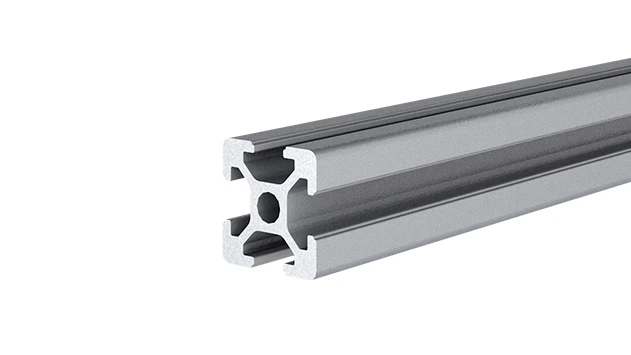
2020 is a 2.00 x 2.00CM fractional 20 series square extrusion T-slot profile with four open T-slots, one on each 2.00 face. The profile has align-a-grooves to assist in aligning connecting profiles.
Running a small business in today's fast-paced manufacturing or production environment often feels like walking a tightrope. You need to balance quality, efficiency, and budget—all while staying agile enough to adapt to changing customer demands. One of the biggest hidden drains on resources? Outdated, rigid, or poorly designed workspace setups. Whether it's a wobbly workbench that slows down assembly, a material rack that can't be adjusted for new inventory, or a conveyor system that breaks down after a few months of use, these issues chip away at your bottom line without you even noticing. But what if there was a solution that could transform how you build, adapt, and maintain your workspace—without breaking the bank? Enter the 2020 EU Standard Aluminum Profile.
If you're unfamiliar with aluminum profiles, you're not alone. Many small business owners stick to what they know: wood, steel, or generic plastic workbenches and racks. But in recent years, aluminum extrusion profiles—especially those meeting strict EU standards—have become a game-changer for businesses looking to do more with less. In this article, we'll dive deep into why the 2020 EU Standard Aluminum Profile deserves a spot on your radar, focusing on its cost-effectiveness, flexibility, and long-term value for small operations. We'll also touch on how pairing it with the right aluminum profile accessories can turn a basic setup into a customized, lean system that grows with your business.
What Exactly Is the 2020 EU Standard Aluminum Profile?
Let's start with the basics. Aluminum extrusion profiles are lightweight, durable, and highly versatile structural components made by pushing aluminum alloy through a die to create specific cross-sectional shapes. The "2020" in its name refers to its dimensions: 20mm in width and 20mm in height. It's a compact size, but don't let that fool you—its strength-to-weight ratio is impressive, making it ideal for everything from workbenches and shelving to machine guards and small conveyor systems.
What sets the "EU Standard" apart? EU standards (often marked with CE certification) ensure strict compliance with safety, quality, and environmental regulations. This means the aluminum used is of consistent alloy quality, the extrusion process is precise (resulting in uniform dimensions and strength), and the profile is free from harmful substances. For small businesses, this isn't just about ticking a compliance box—it's about reliability. When you buy a 2020 EU Standard Aluminum Profile, you know it will perform as advertised, reducing the risk of premature failure or safety hazards in your workspace.
Quick Example: Imagine a small electronics repair shop using a basic wooden workbench. After a few months, the surface warps from spills, the legs loosen, and there's no easy way to add shelves or tool holders. Now picture replacing that with a workbench built from 2020 EU aluminum profiles. The frame is lightweight but sturdy, the surface (paired with an aluminum honeycomb panel) resists warping, and you can bolt on tool hooks, cable organizers, or even a small LED light bar using T-slot aluminum pipe accessories—all without drilling holes or damaging the structure. That's the flexibility we're talking about.
Cost-Effectiveness: Beyond the Initial Price Tag
Let's get to the heart of the matter: cost. At first glance, aluminum profiles might seem pricier than wood or generic steel. A 1-meter length of 2020 EU Standard Aluminum Profile could cost $10–$15, compared to $5–$8 for a similar length of pine or basic steel. But cost-effectiveness isn't just about the initial purchase—it's about total cost of ownership (TCO) over time. Let's break down why the 2020 EU Aluminum Profile often comes out ahead for small businesses.
1. Durability: Less Replacement, More Savings
Wood rots, warps, or gets chewed by pests. Generic steel rusts if not painted regularly. Plastic bends or cracks under heavy loads. Aluminum? It's naturally resistant to corrosion (thanks to a thin oxide layer that forms on its surface), so it holds up in humid workshops, garages, or even outdoor covered areas. It doesn't warp, rot, or rust, and it's scratch-resistant enough to handle daily use. A well-maintained aluminum profile setup can last 10–15 years, compared to 2–3 years for wood or 5–7 years for uncoated steel. Over time, that means fewer replacements and less downtime spent rebuilding workspaces.
For example, a small bakery using aluminum profile shelving for ingredient storage won't have to replace warped wooden shelves every year, nor will they need to sand and repaint steel shelves to prevent rust from contaminating flour or sugar. The initial investment in aluminum pays off in longevity.
2. Flexibility: Adapt Without Starting Over
Small businesses rarely stay the same. Maybe you add a new product line that requires more workspace, or you downsize a department and need to repurpose shelving. With rigid materials like wood or welded steel, adapting means starting from scratch—buying new materials, cutting, assembling, and disposing of the old setup. With 2020 EU aluminum profiles, it's a different story.
These profiles use T-slot designs, which are grooves running along their length that accept specialized aluminum profile accessories: brackets, connectors, hinges, and panels. This means you can disassemble, reconfigure, or expand your setup in minutes, using basic tools. Need to add a shelf to your workbench? Slide a bracket into the T-slot and tighten a screw. Want to shorten a shelving unit? Unbolt the connectors and remove a section. No saws, no glue, no welding—just quick adjustments.
This flexibility is a goldmine for lean system implementation. Lean manufacturing (or lean system) focuses on minimizing waste—including the waste of time and resources spent on retooling. By using aluminum profiles, you're building a workspace that can evolve with your business, reducing the need to invest in entirely new setups every time your needs change.
3. Lightweight Design: Lower Shipping and Installation Costs
Aluminum is about 1/3 the weight of steel. That might not sound like a big deal until you factor in shipping and installation. A 20-foot length of 2020 aluminum profile weighs just a few pounds, so shipping costs are minimal—often half what you'd pay for steel. And since it's lightweight, you don't need a team of people or heavy equipment to install it. A single employee can carry, position, and assemble a basic workbench or shelving unit in an hour or two, saving on labor costs.
For a small business with a tight team, this is a huge plus. You won't have to shut down production to bring in contractors or rent a forklift to move heavy steel beams. You can build and adjust your setup during off-hours with your existing staff.
4. Low Maintenance: Time Is Money
Wood needs staining, steel needs painting, and plastic needs cleaning with harsh chemicals to avoid yellowing. Aluminum? A quick wipe with a damp cloth is usually enough to keep it looking and performing like new. Its corrosion resistance means you don't have to worry about rust, even in damp environments. And if a section does get scratched (unlikely, but possible), it's cosmetic—no need to rush to repair it to prevent further damage. This low maintenance frees up your time to focus on growing your business, not maintaining your workspace.

Comparing 2020 EU Aluminum Profile to Other Materials: A Cost Breakdown
To really see the cost-effectiveness, let's compare the 2020 EU Standard Aluminum Profile to three common alternatives: wood, generic steel, and plastic. We'll look at a simple scenario: building a 1.2m x 0.6m workbench with a basic shelf and tool rail. Here's how they stack up over 5 years (a typical lifespan for many small business setups):
| Material | Initial Cost | Installation Time | Maintenance Costs (5 Years) | Replacement Cost (5 Years) | Total 5-Year Cost | Flexibility |
|---|---|---|---|---|---|---|
| Wood (Pine) | $50–$80 | 2–3 hours (cutting, drilling, assembling) | $20–$40 (stain, repairs) | 1 replacement ($50–$80) | $120–$200 | Low (permanent assembly, hard to modify) |
| Generic Steel | $100–$150 | 3–4 hours (welding or heavy bolting) | $50–$70 (paint, rust treatment) | 0 (but may need repairs) | $150–$220 | Very Low (welded joints, hard to disassemble) |
| Plastic | $80–$120 | 1–2 hours (snap-fit or basic bolts) | $10–$30 (cleaning, minor repairs) | 1 replacement ($80–$120) | $170–$270 | Medium (some parts replaceable, but limited customization) |
| 2020 EU Aluminum Profile | $120–$180 | 1 hour (T-slot accessories, no cutting) | $5–$10 (occasional cleaning) | 0 (still functional after 5 years) | $125–$190 | High (easily reconfigured, expandable) |
At first glance, wood seems cheapest, but by year 3, you're replacing it. Steel has a higher initial cost and requires ongoing maintenance. Plastic is middle-of-the-road but lacks durability. Aluminum? Its total 5-year cost is comparable to wood and steel, but with far more flexibility and zero replacement needs. And remember—this is for a basic workbench. For larger setups (like multiple shelves or a small conveyor), the savings multiply because you're not rebuilding from scratch every few years.
Real-World Case Study: A Small Manufacturer's ROI with 2020 Aluminum Profiles
Let's put this into context with a real example. Take "TechCraft," a fictional small manufacturer of custom phone cases with 10 employees. Before switching to aluminum profiles, their production line used a mix of wooden workbenches, second-hand steel shelving, and plastic bins for parts. Here's what they were dealing with:
- Workbenches warped, leading to uneven assembly surfaces and increased product defects (about 5% of cases had alignment issues).
- Steel shelving was heavy and hard to rearrange, so they had extra inventory sitting idle because they couldn't adjust shelf heights for new case sizes.
- Maintenance took 4 hours per month (sanding warped wood, repainting rusted steel, fixing loose shelves).
TechCraft decided to invest in a 2020 EU Aluminum Profile setup: 5 workbenches (each with a shelf and tool rail), 3 material racks, and a small roller track conveyor (using aluminum guide rail and roller track accessories) to move parts between stations. The total initial cost was $1,800 (profiles, accessories, and labor—since their team installed it themselves over a weekend).
Here's what happened in the first year:
- Defects dropped to 1%: The flat, stable workbench surfaces eliminated alignment issues, saving $2,000 in wasted materials and rework.
- Inventory costs reduced by $1,200: Adjustable material racks let them optimize storage, so they could order smaller, more frequent parts shipments instead of stockpiling.
- Maintenance time cut to 1 hour per month: No more sanding or painting—just occasional tightening of T-slot bolts. This freed up 36 hours of labor, which the team redirected to production (adding ~$1,800 in output).
- Flexibility to take on new orders: When a client requested a larger tablet case, TechCraft reconfigured two workbenches and a material rack in 2 hours, instead of waiting 2 weeks for a custom wooden bench. This landed them a $5,000 contract.
Total first-year benefits: ~$10,000. That's a 555% ROI on their $1,800 investment. By year 3, they'd expanded the setup to add two more workbenches (using the same profiles and accessories) and estimated the aluminum system had saved them over $30,000 compared to their old setup.
Choosing the Right Accessories: Making the Most of Your 2020 EU Aluminum Profile
A 2020 EU Aluminum Profile is only as good as the accessories you pair with it. Aluminum profile accessories are the "glue" that turns basic profiles into functional systems. Here are the must-haves for small businesses:
T-Slot Connectors and Brackets
These are the foundation of any aluminum profile setup. From 90° angle brackets to straight connectors and hinges, they let you join profiles into frames, shelves, or workbenches. Look for EU-standard accessories too—they'll have precise tolerances, ensuring a snug fit with your profiles.
Panels and Surfaces
Aluminum honeycomb panels are lightweight and strong, making them perfect for workbench tops or shelf surfaces. They're also easy to clean and resist scratches. For ESD (electrostatic discharge) environments (like electronics assembly), ESD workstation accessories (like conductive panels) can be added to the aluminum frame—no need for a separate ESD workbench.
Roller Tracks and Casters
Adding roller track (using aluminum guide rail and roller track placon mount brackets) turns a static shelf into a dynamic material flow system. For mobile workbenches or carts, swivel casters with brakes let you move setups around your workspace easily—ideal for flexible production lines.
Tool Holders and Organizers
T-slot accessories like tool hooks, cable management clips, and parts bins keep tools and small components within arm's reach, reducing time wasted searching for items. TechCraft, for example, added magnetic tool strips and plastic bins to their workbenches, cutting assembly time per case by 2 minutes.
Tips for Small Businesses Getting Started with 2020 EU Aluminum Profiles
Ready to take the plunge? Here are a few practical tips to ensure you get the most bang for your buck:
Start Small, Then Scale
You don't need to replace your entire workspace at once. Start with a high-impact area—like a problematic workbench or a disorganized material rack. See how it performs, then expand. This minimizes upfront risk and lets you learn as you go.
Work with a Reputable Supplier
Not all aluminum profiles are created equal. Look for suppliers who specialize in EU-standard profiles and can provide CE certification. They should also offer a range of accessories (so you can source everything from one place) and technical support—many will help you design your setup if you share your needs.
Plan for Future Growth
When designing your first setup, think about how you might expand it later. Leave extra T-slots open for adding shelves, or choose longer profiles than you need initially so you can extend workbenches or racks down the line. This foresight prevents having to buy entirely new components when you grow.
Train Your Team on Assembly
One of the perks of aluminum profiles is how easy they are to assemble, but a quick 15-minute training session (or even watching a supplier's tutorial videos) will ensure your team feels confident making adjustments. This empowers them to tweak the setup on the fly as their needs change.
Final Thoughts: Why 2020 EU Aluminum Profile Is a Smart Bet for Small Businesses
At the end of the day, small businesses thrive on efficiency and adaptability. The 2020 EU Standard Aluminum Profile delivers both. It's not the cheapest option upfront, but its durability, flexibility, and low maintenance make it a cost-effective choice over time. Whether you're building workbenches, shelving, or even small conveyor systems, it grows with your business—no more tearing down and rebuilding every time your needs change.
For TechCraft, the ROI was clear within the first year. For your business, it might take a little longer, but the benefits—fewer defects, lower maintenance, happier employees (no one likes working with rickety equipment), and the ability to take on new opportunities—are hard to ignore. And with the right aluminum profile accessories, the possibilities are endless: from ESD workstations for electronics to mobile carts for warehousing, the 2020 EU Aluminum Profile is more than just a material—it's a foundation for growth.
So, if you're tired of pouring money into temporary fixes for your workspace, consider this: the 2020 EU Standard Aluminum Profile isn't just an expense. It's an investment in your business's ability to be lean, agile, and profitable—today, tomorrow, and for years to come.