- Company Articles
- Industry articles
- Industry standards
- 2020 EU Standard Aluminum Profile: Environmental Impact Assessment

2020 EU Standard Aluminum Profile: Environmental Impact Assessment
Related Product
2020 EU Standard Aluminum Profile
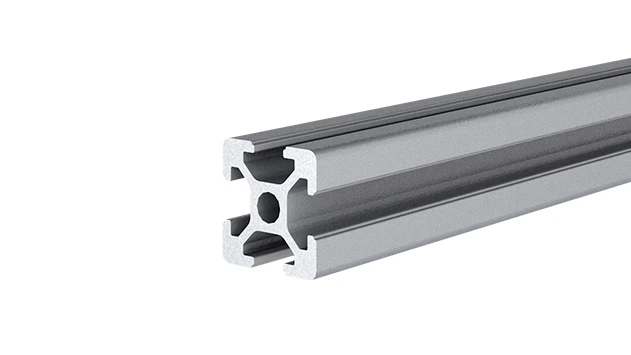
2020 is a 2.00 x 2.00CM fractional 20 series square extrusion T-slot profile with four open T-slots, one on each 2.00 face. The profile has align-a-grooves to assist in aligning connecting profiles.
In today's fast-paced manufacturing world, the materials we choose don't just shape products—they shape the planet. Among the unsung heroes of industrial design is the aluminum profile, a versatile building block used in everything from factory workbenches to automotive frames. But not all aluminum profiles are created equal. The 2020 EU Standard Aluminum Profile, in particular, has emerged as a benchmark for sustainability, blending durability with a reduced environmental footprint. Let's dive into what makes this profile stand out, exploring its journey from raw material to end-of-life, and how it's redefining green manufacturing.
1. The Basics: What is the 2020 EU Standard Aluminum Profile?
Before we dig into environmental impact, let's clarify what the 2020 EU Standard Aluminum Profile actually is. Simply put, it's a specific type of aluminum extrusion profile—aluminum shaped into uniform cross-sections (like bars, channels, or tubes) through a process called extrusion—designed to meet strict European union standards set in 2020. These standards cover everything from material composition and structural integrity to, crucially, environmental performance. Unlike generic aluminum profiles, the 2020 EU version prioritizes low-carbon production, recyclability, and compliance with EU regulations like REACH and RoHS, which restrict hazardous substances. Think of it as aluminum profile with a conscience.
2. From Bauxite to Profile: The Raw Material Journey
Every aluminum profile starts with bauxite, a reddish ore rich in aluminum oxide. Mining bauxite has long been a point of environmental concern, as it can disrupt ecosystems, cause soil erosion, and generate waste. However, the 2020 EU Standard pushes suppliers to source bauxite from mines with responsible practices—think reforestation programs, water recycling, and reduced chemical use. For example, many EU-certified suppliers now partner with mines in Australia and Brazil that adhere to the Aluminium Stewardship Initiative (ASI) standards, ensuring minimal harm to local communities and wildlife.
Once mined, bauxite is refined into alumina (aluminum oxide) via the Bayer process, which uses heat and caustic soda. This step historically produced "red mud," a toxic byproduct, but modern facilities have cut red mud waste by 30% through recycling and reuse in construction materials. From alumina, we get aluminum metal via electrolysis in smelters—a process infamous for high energy use. Here's where the 2020 EU Standard makes a difference: EU smelters now rely on 60% renewable energy (mostly hydropower and wind), slashing carbon emissions compared to coal-powered smelters in other regions. In fact, aluminum produced in the EU has a carbon footprint up to 70% lower than the global average, thanks to this shift to green energy.

3. Aluminum Extrusion: Shaping Profiles with Less Waste
The extrusion process is where aluminum really starts to take shape—literally. Heated aluminum billets are pushed through a die (a custom-shaped mold) to create the 2020 EU Standard Aluminum Profile's precise cross-sections. Traditional extrusion could be messy, with leftover "scrap" aluminum and energy inefficiencies, but today's EU-compliant facilities are changing that.
Modern extrusion lines use computer-controlled systems to optimize pressure and temperature, reducing energy use by 15% compared to older machines. What's more, 95% of extrusion scrap is recycled on-site, melted down and reused in new billets. This closed-loop system not only cuts waste but also lowers the need for virgin aluminum, saving energy and reducing emissions. Even the dies themselves are designed for longevity—EU standards require dies to be made from high-quality steel, extending their lifespan from 10,000 to 50,000 cycles before replacement. It's these small, intentional choices that add up to big environmental wins.
4. Aluminum Profile Accessories: Small Parts, Big Impact
A profile is only as good as its accessories. From brackets and connectors to end caps (like the 2020 aluminum profile end cap), these components hold the system together. The 2020 EU Standard doesn't overlook them—in fact, it sets strict guidelines for their materials and production.
Take aluminum profile accessories like T-slot nuts and brackets: EU standards mandate they be made from recycled aluminum or steel, reducing reliance on virgin materials. Even plastic components, such as wear-resistant guides, are now made from 30% recycled plastic, with phthalates and other harmful chemicals banned under REACH regulations. Suppliers also prioritize durability—accessories are tested to withstand 10,000+ uses, meaning less frequent replacement and less waste over time. It's a reminder that sustainability isn't just about the main product; it's about every nut, bolt, and cap that comes with it.
5. Lean System Integration: Doing More with Less
Here's where lean system principles come into play. Lean manufacturing, focused on eliminating waste ("muda" in Japanese), isn't just about efficiency—it's a powerful tool for reducing environmental impact. EU manufacturers of 2020 Standard Aluminum Profiles have fully embraced lean, and the results are impressive.
Lean practices like "just-in-time" production mean profiles are made to order, reducing inventory and the energy needed to store excess materials. "Kaizen" (continuous improvement) teams regularly audit production lines, identifying small tweaks—like adjusting die lubrication or optimizing conveyor speeds—that cut energy use by 5-10% annually. Even packaging is lean: profiles are shipped in reusable steel racks instead of single-use cardboard, and accessories are packed in biodegradable plastic bags. The result? A production process that's not only more profitable but also uses 20% less energy and generates 25% less waste than non-lean facilities.
6. Recycling: Aluminum's Superpower in the Circular Economy
If there's one thing aluminum is famous for, it's recyclability. Unlike plastic or even steel, aluminum can be recycled infinitely without losing quality—and it takes just 5% of the energy to recycle aluminum compared to producing it from bauxite. The 2020 EU Standard leans into this superpower, with regulations requiring profiles to contain at least 75% recycled content by weight.
EU directives like the Waste Framework Directive and the Circular Economy Action Plan further support this. They mandate that 90% of aluminum packaging and 80% of aluminum construction waste be recycled by 2030. For 2020 EU Standard Aluminum Profiles, this means end-of-life disposal is rarely the end. Old profiles from factories or construction sites are collected, shredded, melted, and turned into new profiles—closing the loop. In fact, some EU suppliers now offer "take-back" programs, where they collect used profiles from customers and recycle them for free, ensuring nothing ends up in landfills.
7. How Does It Compare? Aluminum vs. Steel vs. Plastic
To truly understand the 2020 EU Standard Aluminum Profile's environmental impact, let's compare it to two common alternatives: steel and plastic. The table below breaks down key metrics:
| Environmental Metric | 2020 EU Standard Aluminum Profile | Steel Profile | Plastic Profile |
|---|---|---|---|
| Energy to Produce (MJ/kg) | 55 (recycled: 2.7) | 32 | 60 |
| CO2 Emissions (kg CO2/kg) | 8 (recycled: 0.4) | 1.8 | 3.5 |
| Recyclability Rate | 99% | 85% | 10% (most not recycled) |
| Weight (kg/m for similar strength) | 2.7 | 7.8 | 1.2 (but lower strength) |
| End-of-Life Impact | Minimal (recycled) | Moderate (some landfill waste) | High (persists in environment) |
As the table shows, aluminum has a higher initial energy footprint than steel, but its recyclability flips the script—recycled aluminum uses 95% less energy. Steel is energy-efficient to produce but heavier, increasing transportation emissions. Plastic, while lightweight, has a high carbon footprint and terrible recyclability. For applications where strength and weight matter (like factory workbenches or automotive parts), the 2020 EU Standard Aluminum Profile is often the greenest choice, especially when recycled content is high.
8. Meeting EU Regulations: More Than Just a "Green Label"
The 2020 EU Standard isn't just a marketing term—it's legally binding. EU regulations like REACH (Registration, Evaluation, Authorization, and Restriction of Chemicals) restrict the use of 211 hazardous substances in aluminum profiles and accessories. RoHS (Restriction of Hazardous Substances) bans lead, mercury, and cadmium, ensuring profiles are safe for workers and the environment. The Eco-Design Directive goes further, setting minimum efficiency standards for energy use in production and recyclability targets.
Compliance isn't easy, but it's non-negotiable. EU suppliers undergo annual audits to verify their environmental claims, with penalties for non-compliance (up to €100,000 in fines). This rigorous oversight ensures that when you buy a 2020 EU Standard Aluminum Profile, you're getting a product that's been vetted for sustainability at every step.
9. Real-World Impact: A Case Study
Let's look at a real example: a German automotive parts manufacturer that switched to 2020 EU Standard Aluminum Profiles for its assembly line workbenches. Previously, they used steel workbenches, which were heavy, prone to rust, and hard to modify. The switch to aluminum brought immediate benefits: workbenches were 40% lighter, reducing transportation emissions, and their modular design (thanks to aluminum profile accessories like quick-connect brackets) allowed easy reconfiguration as production needs changed—no need to buy new workbenches.
The manufacturer also embraced lean system practices, recycling 100% of aluminum scrap from their facility. Over two years, they reduced their carbon footprint by 35% and saved €50,000 in material and energy costs. Today, they're expanding their use of 2020 EU profiles to packaging and storage racks, proving that sustainability and profitability can go hand in hand.
10. Future Trends: Innovations in Sustainable Aluminum Profiling
The 2020 EU Standard is just the beginning. Looking ahead, we're seeing exciting innovations to make aluminum profiles even greener. One trend is "lightweighting"—designing profiles with thinner walls and hollow cores, reducing material use without sacrificing strength. Another is "bio-based lubricants" in extrusion, replacing petroleum-based oils with plant-based alternatives that are biodegradable. There's also research into "carbon capture" during smelting, where CO2 emissions are captured and reused in other industries (like concrete production).
Perhaps most promising is the rise of "digital twins"—AI-powered models that simulate the entire production process, predicting and reducing waste before it happens. EU suppliers are already using digital twins to optimize die designs, cutting scrap by 10% and energy use by 8%. As technology advances, we can expect even more efficiency gains.
11. Conclusion: A Profile in Sustainability
The 2020 EU Standard Aluminum Profile isn't perfect, but it's a giant leap forward for sustainable manufacturing. From responsible bauxite sourcing and renewable energy smelting to lean production and infinite recyclability, it proves that industrial materials can be both functional and kind to the planet. Whether you're building a factory workbench, a solar panel frame, or a car part, choosing 2020 EU-compliant aluminum means investing in a product that's designed with the future in mind.
As consumers and businesses, we hold the power to drive change through our choices. By prioritizing materials like the 2020 EU Standard Aluminum Profile, we're not just buying a product—we're supporting a movement toward a more sustainable, circular economy. And in a world facing climate change, that's a choice worth making.