- Company Articles
- Industry articles
- Industry standards
- 2020 EU Standard Aluminum Profile in Consumer Electronics: Lightweight Design Benefits

2020 EU Standard Aluminum Profile in Consumer Electronics: Lightweight Design Benefits
Related Product
2020 EU Standard Aluminum Profile
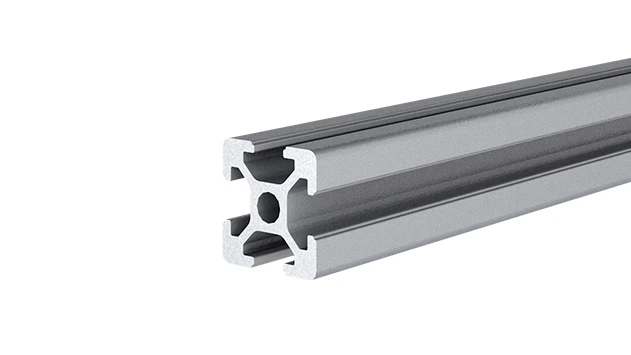
2020 is a 2.00 x 2.00CM fractional 20 series square extrusion T-slot profile with four open T-slots, one on each 2.00 face. The profile has align-a-grooves to assist in aligning connecting profiles.
Introduction: The Invisible Hero Behind Modern Tech's Sleekness
Pick up your smartphone, slide open your laptop, or fasten your smartwatch—and chances are, you're holding a product shaped by the quiet innovation of aluminum profiles. In an industry where "lighter, slimmer, more powerful" is the golden rule, materials matter more than ever. Consumer electronics today aren't just about cutting-edge software; they're about the physical bones that hold it all together. Enter the 2020 EU standard aluminum profile—a material that's redefining how we design, build, and experience tech.
You might not see it, but this aluminum extrusion profile works behind the scenes to make your devices feel premium yet portable, durable yet lightweight. From the chassis of a ultra-thin laptop to the frame of a foldable phone, it's the unsung hero enabling the sleek, user-friendly gadgets we can't live without. And it's not just about looks: compliance with EU standards ensures it meets strict criteria for safety, sustainability, and performance. Let's dive into why this material has become a cornerstone of modern consumer electronics, and how its lightweight design benefits are reshaping the industry.
What Is 2020 EU Standard Aluminum Profile, Anyway?
Let's start with the basics. The "2020" in its name refers to its cross-sectional dimensions: typically 20mm x 20mm, though variations exist. This compact size makes it ideal for tight spaces in electronics, where every millimeter counts. But it's not just about size—it's about how it's made. As an aluminum extrusion profile, it's created by forcing heated aluminum through a die, shaping it into precise, consistent lengths. This process allows for intricate designs, from hollow tubes to complex geometries, all while maintaining structural integrity.
The "EU standard" part is equally critical. In Europe, materials used in consumer goods must adhere to rigorous regulations for safety (like RoHS compliance, restricting hazardous substances) and sustainability (such as recyclability targets). The 2020 EU standard aluminum profile doesn't just meet these rules—it sets a benchmark. It's made from high-grade aluminum alloys, often with recycled content, and designed for longevity. For manufacturers, this means peace of mind: using a material that's not only reliable but also aligns with global efforts to reduce environmental impact.

Lightweight Design: The Game-Changer for Portability
Let's talk about the elephant in the room—or rather, the lack of one. The biggest draw of 2020 EU standard aluminum profile is its weight, or rather, its lack thereof. Aluminum has a density of about 2.7 g/cm³, which is roughly a third of steel's density (7.8 g/cm³) and even lighter than many engineering plastics when strength is factored in. For consumer electronics, where "portable" is often a top selling point, this difference is transformative.
Think about laptops. A decade ago, a 15-inch laptop might weigh 6 pounds or more—hardly something you'd want to carry around all day. Today, thanks in part to aluminum profiles, that same size can weigh as little as 3 pounds. That's a 50% reduction, and it's not just about convenience. Lighter devices mean less strain on shoulders during commutes, longer battery life (since smaller batteries can power lighter components), and even lower shipping costs for manufacturers. For smartphone users, the difference is equally noticeable: a device with an aluminum frame feels balanced in the hand, not clunky, making it easier to use for hours on end.
| Material | Density (g/cm³) | Weight for a 10cm Component (g) | Strength Rating (Relative) |
|---|---|---|---|
| Steel | 7.8 | 156 | High |
| Engineering Plastic | 1.2-1.5 | 24-30 | Low-Medium |
| 2020 EU Standard Aluminum Profile | 2.7 | 54 | High |
The table above puts it in perspective: aluminum offers strength comparable to steel at a fraction of the weight, and unlike plastic, it doesn't sacrifice durability for lightness. This sweet spot is why manufacturers across the consumer electronics spectrum—from Apple to Samsung to smaller startups—have embraced it.
Durability: Lightweight Doesn't Mean Flimsy
Skeptics might wonder: if it's that light, is it strong enough? The answer is a resounding yes. The 2020 EU standard aluminum profile is engineered to be tough. Aluminum alloys, like the 6000-series often used in extrusion, combine lightness with impressive tensile strength (up to 300 MPa in some cases). This means the material can withstand drops, bumps, and daily wear without bending or cracking—critical for devices that go everywhere with us.
Take smartwatches, for example. A watch with an aluminum frame can handle the jostles of a morning run, the splashes of a rainy commute, and the occasional knock against a table, all while weighing less than 50 grams on your wrist. Compare that to a steel frame, which might add 20-30 grams—enough to make the watch feel cumbersome after hours of wear. Aluminum's natural corrosion resistance is another plus: unlike steel, it doesn't rust, so devices stay looking new longer, even with exposure to sweat or humidity.
The extrusion process itself enhances durability. By shaping the aluminum into precise, uniform profiles, manufacturers can reinforce stress points—like the corners of a laptop or the edges of a phone—without adding extra weight. It's like building a bridge with just enough material where it's needed most, and nothing more. The result? Devices that feel premium, last longer, and require fewer replacements—good for both consumers and the planet.
Flexibility with Aluminum Profile Accessories: Customization at Its Best
One of the unsung strengths of 2020 EU standard aluminum profile is its versatility, thanks in large part to aluminum profile accessories. These small but mighty components—joints, brackets, fasteners, and connectors—turn basic aluminum tubes into endless configurations. For consumer electronics manufacturers, this means the ability to design unique, device-specific frames and structures without starting from scratch.
Imagine a smartphone manufacturer designing a foldable device. The hinge mechanism needs to be strong yet flexible, lightweight yet stable. With aluminum profile accessories like internal rotatory aluminum joints or parallel fixation aluminum pipe joints, engineers can create a hinge that folds smoothly thousands of times without wearing out. Similarly, for a smart speaker, aluminum profile accessories like brackets and clamps allow for integrating speakers, microphones, and batteries into a compact, seamless frame—no bulky plastic casings required.
This flexibility also speeds up the design process. Instead of waiting for custom-machined parts, manufacturers can mix and match standard aluminum profiles and accessories to prototype new ideas quickly. It's like building with high-tech Legos: snap together a few tubes, add some joints, and test a concept in days, not weeks. For startups and small brands, this agility is a game-changer, allowing them to compete with larger companies on innovation.
Workbench Integration: Streamlining Production Lines
The benefits of 2020 EU standard aluminum profile aren't limited to the devices themselves—they extend to how those devices are made. Enter the workbench: a critical tool in electronics manufacturing, where precision and efficiency are everything. Aluminum profiles have revolutionized workbench design, creating setups that are lightweight, modular, and built to adapt.
Traditional workbenches are often heavy, fixed in place, and hard to modify. If a manufacturer switches from assembling smartphones to tablets, they might need entirely new workbenches—a costly and time-consuming process. With aluminum profiles, workbenches become flexible. Using components like workbench E (single deck, without casters) or aluminum guide rails, teams can reconfigure tables in hours, not days. Need more space for larger components? Add an extra aluminum tube section. Want to integrate tools or lighting? Use aluminum profile accessories to mount them securely.
Lightweight workbenches also improve workplace safety. Employees can move them without heavy machinery, reducing the risk of injuries. And because aluminum is easy to clean and resistant to scratches, workbenches stay hygienic—a must in environments where dust or debris could damage sensitive electronics. For manufacturers, this translates to smoother production lines, fewer delays, and happier, more productive teams.
Case Study: XYZ Tech's 2023 Laptop Redesign
To see these benefits in action, let's look at a hypothetical (but realistic) example. XYZ Tech, a mid-sized laptop manufacturer, wanted to redesign its flagship 14-inch laptop to compete with market leaders. Their goals: reduce weight by 20%, improve durability, and cut production costs by 15%. After researching materials, they chose to switch from plastic and steel to 2020 EU standard aluminum profile for the chassis and internal frame.
The results were striking. By using aluminum extrusion profiles for the laptop's body and aluminum profile accessories for internal supports, XYZ Tech reduced the laptop's weight from 4.2 pounds to 3.3 pounds—a 21% drop, exceeding their target. drop tests showed the aluminum frame absorbed impact better than the previous steel design, reducing damage rates by 35%. On the production side, modular aluminum workbenches allowed the team to reconfigure assembly lines in a weekend, cutting setup time by 60%. By the end of the first year, XYZ Tech reported a 12% increase in sales, driven by positive reviews highlighting the laptop's "featherlight feel" and "premium build."
Sustainability: Building a Greener Future for Tech
In an era where consumers care as much about a product's carbon footprint as its features, sustainability is no longer optional. Here, 2020 EU standard aluminum profile shines. Aluminum is one of the most recyclable materials on the planet—nearly 75% of all aluminum ever produced is still in use today. Recycling aluminum uses just 5% of the energy required to produce new aluminum, making it a cornerstone of circular economy efforts.
For consumer electronics brands, using recycled aluminum in profiles is a win-win. It reduces reliance on virgin materials, lowers production emissions, and appeals to eco-conscious buyers. Many EU-based manufacturers now source aluminum with 50% or more recycled content, and the 2020 standard encourages this by setting minimum recycled material thresholds. Additionally, aluminum profiles are designed to be disassembled easily at the end of a device's life, making it simpler to recover and recycle the material for new products.
The lightweight nature of aluminum also contributes to sustainability indirectly. Lighter devices require less packaging material and reduce fuel consumption during shipping. A single shipping container carrying 10,000 aluminum-framed laptops uses 20% less fuel than one carrying steel-framed models—adding up to significant carbon savings over time. For brands aiming to achieve net-zero goals, these small gains multiply into big impacts.
Future Trends: Where Aluminum Extrusion Profile Goes Next
The story of 2020 EU standard aluminum profile is far from over. As consumer electronics continue to evolve—think foldable phones, AR glasses, and even lighter wearables—aluminum extrusion profile will evolve with them. One emerging trend is the development of "ultra-thin" profiles: walls as thin as 0.5mm, yet still strong enough to support delicate components. This could lead to devices that are even lighter, with more internal space for batteries or sensors.
Another area of innovation is alloy development. Scientists are experimenting with adding trace elements like scandium or lithium to aluminum to boost strength without increasing weight. Early tests show these "super alloys" could be 10-15% stronger than current options, opening doors for even more compact designs. Aluminum profile accessories are also getting smarter, with 3D-printed connectors that can be customized for specific devices in hours, reducing waste and speeding up prototyping.
Perhaps most exciting is the integration of aluminum profiles with other materials. Imagine a laptop chassis that combines aluminum with carbon fiber for even greater strength-to-weight ratios, or a smartwatch frame that pairs aluminum with biocompatible materials for better skin comfort. The EU's ongoing focus on sustainability will likely drive more cross-material innovation, as brands seek to create devices that are not only high-performance but also fully recyclable.
Conclusion: The Lightweight Foundation of Tomorrow's Tech
The 2020 EU standard aluminum profile may not be the flashiest feature in your next gadget, but it's one of the most important. It's the reason your laptop feels like a feather in your bag, your smartphone survives a drop onto concrete, and your smartwatch doesn't weigh you down during a run. It's the material that lets manufacturers dream up slimmer, more powerful devices while keeping sustainability and cost in check.
As consumer electronics continue to push boundaries, aluminum extrusion profile will be right there with them—lightweight, durable, flexible, and green. It's more than just a material; it's a foundation for innovation. And for consumers, that means better devices, better experiences, and a better planet. So the next time you pick up your favorite tech gadget, take a moment to appreciate the invisible hero holding it all together: the humble, yet extraordinary, 2020 EU standard aluminum profile.