- Company Articles
- Industry articles
- Industry standards
- 2020 EU Standard Aluminum Profile in Medical Device Manufacturing: Compliance Guide

2020 EU Standard Aluminum Profile in Medical Device Manufacturing: Compliance Guide
Related Product
2020 EU Standard Aluminum Profile
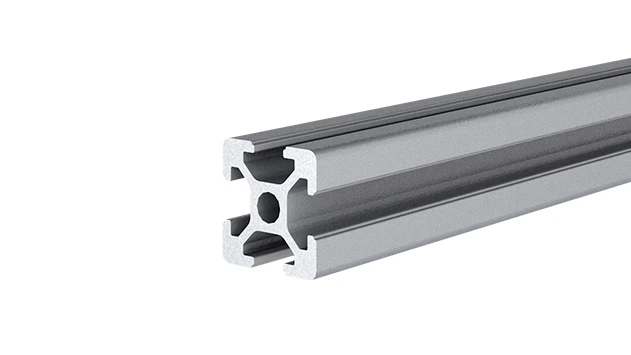
2020 is a 2.00 x 2.00CM fractional 20 series square extrusion T-slot profile with four open T-slots, one on each 2.00 face. The profile has align-a-grooves to assist in aligning connecting profiles.
In the world of medical device manufacturing, precision isn't just a goal—it's a necessity. Every component, every material, and every process must align with strict regulations to ensure patient safety, product reliability, and market access. Among the unsung heroes of this industry are aluminum profiles: lightweight, durable, and endlessly adaptable, they form the backbone of assembly lines, workbenches, and device frames. But not all aluminum profiles are created equal. For manufacturers operating in the EU or targeting European markets, the 2020 EU Standard Aluminum Profile has emerged as the gold standard, setting benchmarks for quality, safety, and compliance. In this guide, we'll explore why this standard matters, how it integrates with critical manufacturing processes, and how it empowers medical device producers to build better, more reliable products.
Why the 2020 EU Standard Matters for Medical Manufacturing
Before diving into specifics, let's clarify: what makes the 2020 EU Standard different from other aluminum profile standards? Think of it as a rulebook tailored to the unique demands of medical device production. Prior to 2020, European standards for aluminum profiles were more general, covering industries from construction to automotive. But as medical technology advanced—with smaller, more complex devices and stricter regulations like the Medical Device Regulation (MDR) 2017/746—the need for a specialized standard became clear. The 2020 update zeroed in on three critical areas: biocompatibility (ensuring materials don't harm patients), traceability (tracking every batch from raw material to finished product), and durability (withstanding the rigors of cleanrooms and repeated sanitization).
For medical device manufacturers, compliance with the 2020 EU Standard isn't just about checking a box. It's about mitigating risk. Imagine a surgical instrument tray frame made from non-compliant aluminum: if the material leaches harmful substances or corrodes after repeated sterilization, it could compromise patient safety and lead to costly product recalls. The 2020 standard eliminates that uncertainty by mandating rigorous testing and documentation, giving manufacturers—and regulators—confidence in the materials they use.
The Basics: What Makes 2020 EU Standard Aluminum Profiles Unique?
At its core, the 2020 EU Standard Aluminum Profile is defined by its material composition, manufacturing processes, and performance criteria. Let's break down the key features:
1. Alloy Composition: Balancing Strength and Safety
Most medical-grade aluminum profiles under the 2020 standard are made from 6000-series alloys, typically 6061 or 6063. These alloys blend aluminum with magnesium and silicon, striking a perfect balance: 6061 offers higher tensile strength (ideal for load-bearing structures like workbenches), while 6063 provides superior extrudability (great for intricate shapes like device frames). The standard strictly limits impurities like lead and cadmium, aligning with REACH regulations that restrict hazardous substances in medical products.
2. Extrusion Precision: The Aluminum Extrusion Profile Advantage
The magic of aluminum profiles lies in the extrusion process: heated aluminum billets are forced through a die to create complex cross-sections. The 2020 EU Standard sets tight tolerances for these profiles—often as low as ±0.1mm for critical dimensions. Why does this matter? In medical device assembly, even a tiny misalignment can throw off precision. For example, a workbench used to assemble pacemakers needs perfectly straight rails to ensure components align correctly. Extruded profiles under the 2020 standard deliver that consistency, reducing errors and rework.
3. Surface Treatment: Cleanability and Corrosion Resistance
Medical environments demand surfaces that are easy to sanitize and resistant to corrosion from harsh disinfectants. The 2020 standard mandates anodizing—a process that forms a protective oxide layer on the aluminum surface. This layer is non-porous, preventing bacteria buildup, and highly durable, standing up to daily wipe-downs with alcohol or hydrogen peroxide. Some profiles also feature a clear chromate conversion coating for added protection, though the standard restricts hexavalent chromium (a carcinogen) to trace levels.
| Feature | 2020 EU Standard Aluminum Profile | Non-Compliant Aluminum Profile |
|---|---|---|
| Alloy Type | 6061/6063 (low impurity, REACH-compliant) | Often 1000-series (pure aluminum, lower strength) or untested alloys |
| Surface Treatment | Anodized (≥10μm thickness) or chromate conversion (hexavalent Cr <0.1%) | May use powder coating (prone to chipping) or no treatment |
| Dimensional Tolerance | ±0.1mm for critical dimensions | ±0.5mm or more, leading to fitment issues |
| Biocompatibility Testing | ISO 10993 compliant (cytotoxicity, sensitization) | Often no biocompatibility data |
| Traceability | Batch-specific certificates (material origin, test results) | Limited or no traceability documentation |

Compliance Deep Dive: Aligning with EU Medical Regulations
The 2020 EU Standard Aluminum Profile doesn't exist in a vacuum—it's designed to work hand-in-hand with broader medical regulations. Let's map how it aligns with key frameworks:
MDR 2017/746: The Backbone of Medical Device Compliance
The MDR is the EU's strictest regulation for medical devices, classifying products based on risk (Class I to Class III) and requiring rigorous documentation. For aluminum profiles used in Class II or III devices (e.g., surgical robots, implantable devices), the 2020 standard ensures compliance by providing material certificates that demonstrate biocompatibility and traceability. Without these, manufacturers can't obtain the CE mark—a legal requirement to sell in the EU.
ISO 13485: Quality Management for Medical Devices
ISO 13485 sets guidelines for quality management systems (QMS) in medical manufacturing. The 2020 standard supports ISO 13485 by ensuring aluminum profiles are produced under controlled processes with consistent quality. For example, suppliers must maintain records of extrusion temperatures, anodizing times, and batch testing—all audit-ready for ISO inspections.
ISO 10993: Biocompatibility Testing
Perhaps most critical for patient safety, ISO 10993 outlines tests to ensure materials don't cause adverse biological effects. The 2020 EU Standard Aluminum Profile undergoes ISO 10993-5 (cytotoxicity) testing to ensure it doesn't harm cells, and ISO 10993-10 (sensitization) testing to rule out allergic reactions. This is especially important for profiles used in devices that contact patients, like hospital bed rails or diagnostic equipment housings.
Applications in Medical Device Manufacturing: From Workbench to Device Frame
2020 EU Standard Aluminum Profiles are incredibly versatile, finding use across every stage of medical device production. Let's explore their most common applications:
1. Assembly Workbench Systems: The Heart of Production Lines
Cleanroom assembly lines rely on workbenches that are sturdy, easy to clean, and adaptable. 2020 EU Standard Aluminum Profiles excel here: their modular design allows manufacturers to build custom workbenches with accessories like adjustable shelves, tool rails, and ESD (electrostatic discharge) mats (critical for sensitive electronics). Unlike wooden or steel workbenches, aluminum profiles resist corrosion from disinfectants and don't harbor bacteria in cracks—essential for maintaining ISO 14644 cleanroom standards.
2. Device Frames and Enclosures: Protecting Sensitive Components
From MRI machines to portable ultrasound devices, medical equipment often requires lightweight yet rigid frames. 2020 EU Standard Aluminum Profiles, with their precise extrusion and high strength-to-weight ratio, are ideal. For example, a portable defibrillator frame made from 6061 aluminum can withstand drops during transport while keeping the device lightweight for emergency responders. The profiles' smooth, anodized surfaces also simplify the integration of other components like circuit boards and displays.
3. Material Handling Systems: Supporting Lean System Principles
Efficiency is key in medical manufacturing, and many facilities adopt lean systems to minimize waste and streamline workflows. 2020 EU Standard Aluminum Profiles play a starring role here, too. They're used to build flow racks (for organizing components), conveyors (for moving devices between stations), and trolleys (for transporting materials). Their modularity allows quick reconfiguration—if a production line needs to shift from assembling syringes to IV pumps, the aluminum framework can be adjusted in hours, not days.
The Finishing Touch: Aluminum Profile Accessories for Seamless Integration
A profile is only as good as its accessories, and the 2020 EU Standard includes strict criteria for components like brackets, connectors, and end caps. These aluminum profile accessories ensure the entire system is compliant, durable, and easy to assemble:
- End Caps: Made from medical-grade plastic or anodized aluminum, these seal the ends of profiles to prevent debris buildup—a must for cleanrooms.
- Connectors: T-slot connectors (compatible with the profile's internal grooves) allow tool-free assembly, reducing downtime during reconfigurations.
- Leveling Feet: Adjustable feet with rubber pads stabilize workbenches on uneven floors, ensuring precision during assembly.
- ESD Brackets: For electronics assembly, these conductive brackets dissipate static electricity, protecting sensitive components from damage.
Suppliers of 2020 EU Standard Aluminum Profiles often offer pre-tested accessory kits, ensuring compatibility and compliance. This saves manufacturers time—no need to source and test third-party components—and reduces the risk of non-compliant parts creeping into the supply chain.
Choosing a Supplier: What to Look For
Not all aluminum profile suppliers are equal when it comes to 2020 EU Standard compliance. To ensure you're getting a quality product, ask these key questions:
- Do you provide full traceability documentation? Look for batch-specific certificates of analysis (CoA) that include alloy composition, test results, and origin of raw materials.
- Are your profiles and accessories tested to ISO 10993 standards? Request copies of biocompatibility test reports to verify compliance.
- Can you customize profiles to our needs? Medical device manufacturing often requires unique shapes—ensure the supplier has in-house extrusion capabilities and can work within the standard's tolerances.
- What quality control measures do you have in place? Look for suppliers with ISO 13485 certification, as this ensures their manufacturing processes meet medical-grade standards.
Case Study: How One Manufacturer Improved Compliance with 2020 EU Standard Profiles
Let's look at a real-world example: a mid-sized medical device company producing Class II diagnostic equipment. Prior to 2022, they used generic aluminum profiles for their assembly workbenches and device frames. During an MDR audit, regulators flagged two issues: lack of biocompatibility data for the profiles and inconsistent traceability records. The company faced a choice: invest in compliant materials or risk losing EU market access.
They switched to 2020 EU Standard Aluminum Profiles and accessories. Within six months, the results were clear: their next audit passed with zero findings, and production efficiency improved by 15% (thanks to faster reconfigurations of modular workbenches). Most importantly, they gained peace of mind—knowing their materials were safe for patients and compliant with the strictest regulations.
Conclusion: Building the Future of Medical Manufacturing with 2020 EU Standard Aluminum Profiles
In an industry where precision and compliance are non-negotiable, the 2020 EU Standard Aluminum Profile stands out as a foundational material. Its focus on biocompatibility, traceability, and durability aligns perfectly with the needs of medical device manufacturers, while its versatility and modularity support lean, efficient production. Paired with the right aluminum profile accessories and a trusted supplier, these profiles don't just meet regulations—they enable innovation, allowing companies to focus on what matters most: creating life-saving devices.
As medical technology continues to evolve, the 2020 EU Standard will likely adapt, but one thing remains constant: aluminum profiles will keep playing a vital role in building the future of healthcare. For manufacturers ready to invest in compliance and quality, the choice is clear: 2020 EU Standard Aluminum Profiles aren't just a material—they're a commitment to patient safety and manufacturing excellence.