- Company Articles
- Industry articles
- Industry standards
- 2020 EU Standard Aluminum Profile: Joining Techniques with Internal Rotating Joints

2020 EU Standard Aluminum Profile: Joining Techniques with Internal Rotating Joints
Related Product
2020 EU Standard Aluminum Profile
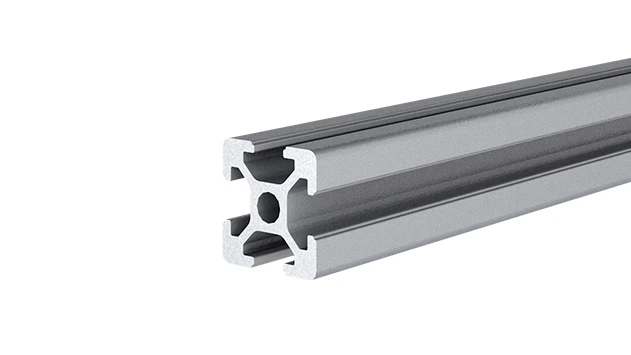
2020 is a 2.00 x 2.00CM fractional 20 series square extrusion T-slot profile with four open T-slots, one on each 2.00 face. The profile has align-a-grooves to assist in aligning connecting profiles.
Walk into any modern manufacturing facility, and you'll likely spot a common thread: aluminum profiles. These sleek, versatile structures form the backbone of workbenches, material racks, conveyor systems, and more. But not all aluminum profiles are created equal. For businesses aiming to balance durability, flexibility, and compliance, the 2020 EU Standard Aluminum Profile has emerged as a game-changer. What truly sets it apart, though, isn't just its adherence to strict European quality norms—it's the innovative joining techniques that bring it to life, especially the unsung hero: the internal rotatary aluminum joint. Let's dive into how this combination is reshaping workshops, one connection at a time.
What Exactly Is the 2020 EU Standard Aluminum Profile?
Before we get into the nuts and bolts of joining techniques, let's make sure we're all on the same page about the star of the show: the 2020 EU Standard Aluminum Profile. If you've ever walked through a workshop and seen those modular, silver frames holding up tools, bins, or assembly lines, chances are you've encountered aluminum profiles. The "2020" here refers to its dimensions—specifically, a 20mm x 20mm cross-section. But don't let the small size fool you; this profile is a workhorse.
What makes it "EU Standard"? Well, that's all about compliance. The EU has strict regulations for materials used in industrial settings, covering everything from structural integrity to chemical safety. So, a 2020 EU Standard profile isn't just a chunk of aluminum—it's been tested to meet standards for load-bearing capacity, corrosion resistance, and even recyclability. For small businesses, this means peace of mind; for large manufacturers, it's a box-check for international certifications. And let's not forget the finish: most 2020 profiles come with an anodized coating, giving them that smooth, matte look that resists scratches and fingerprints—because who wants their workbench looking beat up after a week of use?
But here's the real kicker: its versatility. At 20x20mm, it's compact enough for tight spaces (think electronics assembly workbenches) but sturdy enough to support shelving, light machinery, or even mobile carts. And because it's part of the EU standard system, it plays well with a whole ecosystem of accessories—like the internal rotatary aluminum joints we're about to dive into. It's like building with high-quality Lego blocks, but for grown-ups who mean business.
Joining Techniques: More Than Just Screwing Pieces Together
Imagine you've just unboxed a set of 2020 EU Standard Aluminum Profiles. They're shiny, lightweight, and full of potential. But how do you turn a pile of metal bars into a functional workbench or a material rack? That's where joining techniques come in. And no, we're not talking about duct tape or hope—though we've all been there in a pinch. The right joints can make or break your project, affecting everything from stability to how easy it is to reconfigure later.
Most aluminum profiles use T-slots—those grooves running along the length of the profile—to connect. Inside these slots, you can slide in bolts, nuts, or specialized connectors that lock pieces together. But not all joints are created equal. Some are fixed, holding profiles at a rigid 90° or 45° angle. Others are adjustable, letting you pivot or rotate sections as needed. And then there's the internal rotatary aluminum joint—a true unsung hero for anyone who values flexibility.
Let's break down the most common joining techniques you'll encounter with 2020 profiles:
| Joint Type | How It Works | Best For | Pros |
|---|---|---|---|
| 90° Aluminum Profile Connector | Slides into T-slots of two perpendicular profiles, secured with bolts. | Right-angle structures like workbench frames or shelving corners. | Rigid, strong, easy to install. |
| 45° Aluminum Profile Connector | Angled design for joining profiles at 45°, ideal for braces or diagonal supports. | Reinforcing frames, triangular structures. | Adds stability, space-saving for diagonal bracing. |
| Internal Rotatary Aluminum Joint | Hollow joint with internal mechanism allowing 360° rotation of connected profiles. | Adjustable workbenches, tool holders, or rotating material racks. | Fully rotatable, no need to disassemble for repositioning, smooth movement. |
As you can see, each joint has its place. But if you've ever had to take apart a rigid frame to reconfigure it—say, to add a new shelf or adjust a workbench height—you know the frustration. That's where the internal rotatary aluminum joint shines. It's like the Swiss Army knife of connectors, letting you pivot, rotate, and reposition profiles without breaking a sweat. Let's take a closer look at how it works.

The Internal Rotatary Aluminum Joint: Flexibility in Motion
Picture this: You're running a small electronics assembly line. Your workbench has a section for tools, a section for components, and a section for testing. But one day, a new project comes in that requires a different layout—you need the testing area closer to the component bins. With a traditional fixed joint, you'd have to unscrew everything, rearrange the profiles, and reattach. With an internal rotatary aluminum joint? You just twist the section into place. No tools, no hassle, no downtime. That's the magic of this little connector.
So, how does it work? Let's get a bit technical (but don't worry, we'll keep it simple). The internal rotatary joint is a hollow cylindrical piece that fits inside the 2020 profile's T-slot. One end connects to a fixed profile, and the other end connects to a rotating profile. Inside, there's a bearing or a smooth internal mechanism that allows the rotating end to spin 360° freely. Some models even have a locking mechanism—twist to rotate, then tighten a small lever to lock it in place. It's like a door hinge, but for your aluminum frame.
But why would you need that kind of flexibility? Let's count the ways. Maybe you're a woodworker who needs a workbench that can tilt for angled cuts. Or a lab technician who wants a reagent rack that swivels out of the way when not in use. Or a warehouse manager who needs a mobile cart with adjustable shelves to fit different-sized boxes. The internal rotatary joint turns static structures into dynamic tools that adapt to your needs, not the other way around.
Durability is another win. These joints are made from high-grade aluminum, just like the profiles, so they're lightweight but strong enough to handle daily use. The anodized coating matches the profile, so they look cohesive—no mismatched plastic connectors sticking out like a sore thumb. And because they're part of the EU standard system, they're designed to work seamlessly with other 2020 profile accessories, like aluminum pipe clamps. Speaking of which…
Aluminum Pipe Clamps: The Unsung Sidekicks
You can't talk about joining 2020 EU Standard Aluminum Profiles without mentioning aluminum pipe clamps. These small, unassuming accessories are like the glue that holds your project together—literally. Think of them as the "extra hands" that secure loose ends, attach panels, or hold tools in place.
An aluminum pipe clamp is essentially a bracket that wraps around the profile, with a clamp or a bolt that tightens to hold another object—like a wooden worktop, a plastic bin, or even another aluminum pipe. They come in all shapes and sizes: some are C-shaped, some are U-shaped, some have rubber padding to prevent scratches. And because they're designed for T-slot profiles, you can slide them anywhere along the length of the profile to get the perfect position.
Let's say you've built a workbench frame with 2020 profiles and internal rotating joints. Now you need to add a wooden top. Instead of drilling holes into the profiles (which would weaken them), you attach aluminum pipe clamps to the frame, set the wooden top on top, and tighten the clamps. Done. If you ever want to replace the top with a metal one, just loosen the clamps and swap it out. It's that easy.
Or maybe you need to mount a power strip under your workbench. Use a few clamps to secure it to the underside of the profile—no drilling, no permanent modifications. When you upgrade to a newer power strip, just move the clamps. These little accessories turn your rigid frame into a customizable, ever-evolving workspace. And because they're made of aluminum, they're lightweight, rust-resistant, and blend right in with the profiles. No more ugly plastic clamps that break after a month of use.
From Workbenches to Lean Systems: Real-World Applications
Okay, so we've talked about the 2020 EU Standard Aluminum Profile, internal rotatary joints, and aluminum pipe clamps. But how do these pieces come together in the real world? Let's walk through a few common applications to see how they make a difference.
The Adjustable Workbench
Let's start with the basics: a workbench. Whether you're a hobbyist in a garage or a production manager in a factory, a good workbench is the heart of your operation. With 2020 profiles, internal rotatary joints, and aluminum pipe clamps, you can build a workbench that does more than just hold things.
Imagine a workbench with a main frame made of 2020 profiles connected by 90° aluminum profile connectors for stability. The top is a wooden board held in place by aluminum pipe clamps. On one side, there's a tool rack—profiles connected with internal rotatary joints so you can swing the rack out of the way when you need more space. On the other side, a component shelf with adjustable angles, thanks to those rotating joints. Need to work standing up? Add height-adjustable legs (using, you guessed it, more 2020 profiles and clamps). It's not just a workbench—it's a workbench that grows with you.
Lean Systems: Streamlining Production with Modular Design
Now, let's scale up. Lean manufacturing is all about eliminating waste—whether that's time, space, or materials. 2020 EU Standard Aluminum Profiles and their accessories are a lean system supplier's dream. Why? Because they're modular, reusable, and adaptable.
Take a material flow rack, for example. In a lean system, materials should flow smoothly from storage to assembly line, minimizing the time workers spend fetching parts. A flow rack built with 2020 profiles, roller tracks (another accessory!), and internal rotatary joints can be adjusted to match the height of the assembly line, the size of the bins, even the angle of the flow (steeper for heavier bins, shallower for lighter ones). If the assembly line moves? Rotate the rack into place. If bin sizes change? Swap out the roller tracks using aluminum pipe clamps. No need to buy a whole new rack—just reconfigure the existing one.
Or consider a mobile cart for transporting materials. The frame is 2020 profiles, connected with 90° and 45° connectors for strength. The shelves are held in place with clamps, and the wheels are casters (yes, there are caster accessories for 2020 profiles!). But here's the kicker: the handle is connected with an internal rotatary joint. So, when you're not using the cart, you can rotate the handle down to save space. When you need to maneuver through tight aisles, you can pivot the handle for better control. It's small details like that that make lean systems truly efficient.
Choosing the Right Supplier: More Than Just Price Tags
You've decided to invest in 2020 EU Standard Aluminum Profiles, internal rotatary joints, and aluminum pipe clamps. Now, where do you buy them? Choosing a supplier isn't just about finding the lowest price—it's about finding a partner who understands your needs and provides quality products that last. That's where a reputable lean system supplier comes in.
First, look for a supplier that specializes in aluminum profiles and lean system accessories. These aren't generic hardware store items; you need someone who knows the difference between a 2020 EU Standard profile and a knockoff, who can explain the pros and cons of internal rotatary joints vs. fixed joints, and who stocks a wide range of accessories so you don't have to shop around.
Quality is key. A cheap, poorly made internal rotatary joint might work for a month, but then it'll start to stick or loosen. A reputable supplier will use high-grade aluminum, precision manufacturing, and rigorous testing to ensure their products hold up under daily use. Ask about certifications—do their profiles meet EU standards? Are their joints tested for load capacity? A good supplier will be happy to share this information.
Customer service matters too. Maybe you're not sure which joint is right for your project, or you need help calculating how many profiles you need. A supplier with knowledgeable staff can guide you through the process, saving you time and money. Look for reviews or testimonials from other customers—did they get their order on time? Was the customer service responsive?
And finally, think about the future. As your business grows, your needs will change. A good lean system supplier will grow with you, offering new accessories, custom solutions, and bulk pricing as you scale. They won't just sell you a box of profiles—they'll help you build a system that adapts to your success.
Wrapping Up: Building More Than Just Structures—Building Efficiency
At the end of the day, the 2020 EU Standard Aluminum Profile, internal rotatary aluminum joints, and aluminum pipe clamps are more than just parts. They're tools for building efficiency, flexibility, and adaptability into your workspace. Whether you're a small business owner looking to upgrade your garage workshop or a large manufacturer streamlining a production line, these components let you create structures that work for you—not against you.
Think about it: every time you don't have to disassemble a frame to reconfigure it, that's time saved. Every time you can adjust a workbench to fit a new project, that's money saved (no need for a new bench). Every time you use a modular system that grows with your business, that's peace of mind. It's the difference between a static workspace that holds you back and a dynamic workspace that propels you forward.
So, the next time you look at a pile of aluminum profiles, see more than metal bars. See potential. See a workbench that adapts, a flow rack that streamlines, a system that helps you do more with less. And when you're ready to build that system, remember: it's the little things—the internal rotatary joints that twist, the aluminum pipe clamps that hold, the supplier that supports—that make all the difference.