- Company Articles
- Industry articles
- Industry standards
- 2020 EU Standard Aluminum Profile: Surface Treatment Options (Anodizing & Coating)

2020 EU Standard Aluminum Profile: Surface Treatment Options (Anodizing & Coating)
Related Product
2020 EU Standard Aluminum Profile
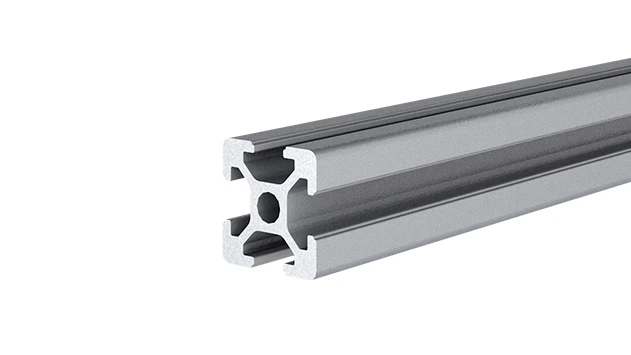
2020 is a 2.00 x 2.00CM fractional 20 series square extrusion T-slot profile with four open T-slots, one on each 2.00 face. The profile has align-a-grooves to assist in aligning connecting profiles.
Walk into any modern factory, warehouse, or tech assembly line, and you'll likely spot the backbone of efficient workflows: aluminum profiles. Among these, the 2020 EU Standard Aluminum Profile stands out as a workhorse, trusted for its precision, durability, and compliance with strict European quality norms. But what makes these profiles more than just metal frames? It's the surface treatment that shields them from wear, elevates their functionality, and ensures they integrate smoothly into everything from workbenches to conveyor systems. Today, we're diving into the two most critical surface treatments for these profiles: anodizing and coating. Let's break down how they work, why they matter, and which one might be right for your project.
First, Let's Talk About Aluminum Extrusion Profiles
Before we jump into surface treatments, it helps to understand the "base" they're applied to. The 2020 EU Standard Aluminum Profile is a type of aluminum extrusion profile—meaning it's shaped by forcing heated aluminum through a die to create a consistent cross-section. This process allows for intricate designs, from the T-slots that make accessories easy to attach to the hollow cores that reduce weight without sacrificing strength. But raw extruded aluminum is vulnerable: it's prone to scratches, corrosion, and even discoloration when exposed to moisture or chemicals. That's where surface treatment steps in, acting as both armor and enhancement.
Anodizing: The Invisible Shield
Anodizing isn't just a coating—it's a transformation. This electrochemical process creates a protective oxide layer directly on the aluminum's surface, making it part of the metal itself. Here's how it works: the aluminum profile is submerged in an electrolyte solution (usually sulfuric acid) and becomes the anode in an electrical circuit. When current flows, oxygen ions react with the aluminum, forming a hard, porous layer of aluminum oxide (Al₂O₃) that's 10–100 microns thick (depending on the process).Most 2020 EU Standard Aluminum Profiles use sulfuric acid anodizing , the most common method. It produces a matte, natural aluminum finish that's subtly textured—think of the smooth yet slightly grainy feel of a high-quality workbench top. This layer isn't just for show: it's highly resistant to corrosion, making it ideal for humid environments like food processing plants or outdoor applications. It also improves paint adhesion, so if you later decide to add color, the surface is ready.
For high-wear scenarios—like profiles used in roller tracks or heavy-duty material racks—there's hard anodizing . This process creates a thicker, denser oxide layer (up to 100 microns) that's almost as hard as diamond. It can withstand constant friction, impacts, and even exposure to oils or solvents, making it a favorite for industrial workbenches where tools and parts are constantly sliding or being set down.
One of the best things about anodizing? It's low-maintenance. The oxide layer doesn't chip or peel because it's bonded to the aluminum. A quick wipe with a damp cloth is usually all it takes to keep it looking clean. And while the color options are more limited (natural silver, bronze, or black are common), the finish ages gracefully, developing a subtle patina over time that many manufacturers find adds character to their setups.

Coating: Color, Creativity, and Customization
If anodizing is about protection with subtlety, coating is about versatility and visual impact. Unlike anodizing, which modifies the aluminum's surface, coating adds a separate layer—think of it as painting, but with supercharged durability. The two main types for 2020 EU Standard Aluminum Profiles are powder coating and liquid coating, each with its own perks.Powder coating is the workhorse here. It starts with a dry powder (usually polyester or epoxy) that's electrostatically charged and sprayed onto the aluminum. The profile is then baked in an oven, where the powder melts, flows, and cures into a hard, even finish. The result? A coating that's resistant to chipping, fading, and scratches—perfect for profiles that need to look good in high-traffic areas, like retail display racks or office partitions.
What really sets powder coating apart is color variety. Want your profiles to match your brand's signature blue? No problem. Need a bright yellow to highlight safety zones on a factory floor? Done. It even comes in textures, from glossy to matte to textured (like sandblasted), giving you full control over aesthetics. And because it's applied dry, there's minimal waste—making it an eco-friendly choice too.
Liquid coating is less common for industrial profiles but shines in specialized cases. It uses a liquid paint (often acrylic or polyurethane) applied via spray or dip, then air-dried or cured with heat. It's better for intricate profiles with hard-to-reach crevices, like the tiny grooves in some aluminum profile accessories. Liquid coating also allows for metallic or pearlescent finishes, making it a go-to for projects where appearance is as important as function—say, a custom workstation in a tech startup's sleek office.
Anodizing vs. Coating: How to Choose?
To help you decide, let's compare the two side by side:| Feature | Anodizing | Coating (Powder/Liquid) |
|---|---|---|
| Process | Electrochemical reaction; oxide layer becomes part of the aluminum. | Adds a separate layer (powder or liquid) bonded to the surface via heat or air-drying. |
| Durability | Oxide layer won't chip/peel; good for corrosion and moderate wear. | Thicker layer resists scratches/chipping; better for high-impact areas. |
| Color Options | Limited (natural, bronze, black, gray). | Virtually unlimited (solid colors, metallic, textures). |
| Maintenance | Low; wipe clean with water/detergent. | Low, but scratches may show more; avoid abrasive cleaners. |
| Best For | Humid/corrosive environments, high-wear parts (hard anodizing), natural aesthetics. | Branding/color-coding, high-visibility areas, decorative or retail applications. |
Don't Forget the Aluminum Profile Accessories
Here's a pro tip: surface treatment doesn't just affect the profiles—it impacts how well they work with aluminum profile accessories. Think about it: when you're building a system, you're using brackets, joints, casters, and connectors to hold everything together. Anodized profiles have a consistent, slightly porous surface that creates better friction, so accessories like clamp-on brackets stay tight over time. Coated profiles, while smooth, may need specialized fasteners (like rubber-gripped clamps) to prevent slipping, especially with glossy finishes.For example, if you're using 2020 EU Standard Aluminum Profiles to build a turnover trolley, the surface treatment of the frame will influence how easily the caster wheels attach and roll. Anodized frames, with their textured surface, ensure the caster mounts grip securely, even when the trolley is loaded with heavy parts. Coated frames, on the other hand, might require extra torque on the bolts to prevent loosening—but they'll look sharp doing it.
Final Thoughts: It's All About Your Needs
At the end of the day, choosing between anodizing and coating for your 2020 EU Standard Aluminum Profile comes down to your priorities. Need something tough, low-maintenance, and resistant to rust? Anodizing is your friend. Want to make a statement with color or match a specific design? Coating has you covered. And remember: many suppliers offer both options, so you can mix and match based on the profile's role in your system—anodized for the heavy-lifting parts, coated for the ones that need to stand out.Whatever you choose, investing in quality surface treatment isn't just about protecting metal—it's about protecting your workflow. A well-treated profile lasts longer, performs better, and keeps your operations running smoothly, whether you're assembling electronics, warehousing goods, or building the next big thing. So next time you're planning a project with aluminum extrusion profiles, take a moment to think about the surface—it might just be the unsung hero that makes all the difference.