- Company Articles
- Industry articles
- Industry standards
- 2020 National Standard Profile Certification Process: Steps for Suppliers

2020 National Standard Profile Certification Process: Steps for Suppliers
Related Product
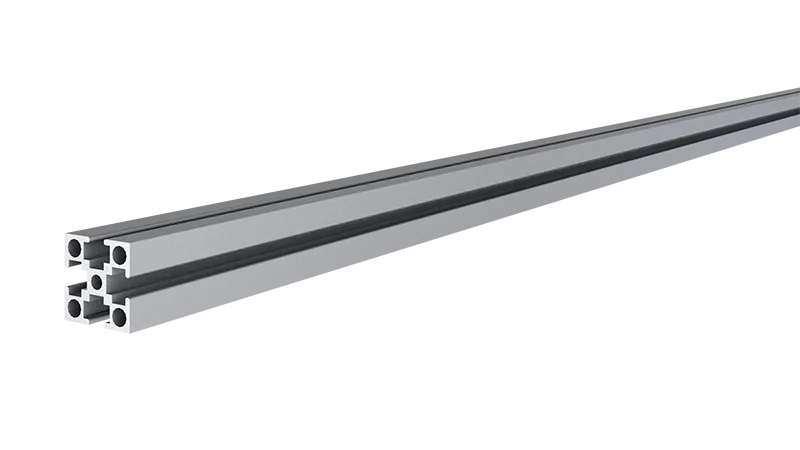
2020 National Standard Profile
45° external bending joint, used for 45° external connection of two aluminum pipes.
In the fast-paced world of manufacturing and industrial supply, standing out as a reliable supplier means more than just offering quality products—it means proving your commitment to excellence through recognized standards. For suppliers specializing in aluminum profiles, one certification that holds significant weight is compliance with the 2020 National Standard Profile. This certification isn't just a piece of paper; it's a testament to your ability to meet rigorous industry requirements, ensuring your products—whether they're aluminum extrusion profiles, 2020 national standard profiles, or even aluminum profile accessories—align with safety, durability, and performance benchmarks. For suppliers, navigating this certification process can feel daunting, but breaking it down into clear, actionable steps makes it manageable. Let's walk through the journey of becoming a certified 2020 National Standard Profile supplier, from understanding the standard to maintaining compliance long after the certificate is awarded.
Step 1: Grasping the Basics of the 2020 National Standard Profile
Before diving into paperwork or audits, the first critical step is to truly understand what the 2020 National Standard Profile entails. This isn't just about memorizing a list of numbers; it's about comprehending the "why" behind the requirements. The 2020 standard, developed by national regulatory bodies, sets strict guidelines for aluminum profiles used in industries ranging from automotive to electronics. It covers everything from material composition—emphasizing high-quality aluminum extrusion profile—to dimensional tolerances, surface treatments, and mechanical properties like tensile strength and hardness.
For example, the standard specifies that a 2020 national standard profile must have precise cross-sectional dimensions (often 20mm x 20mm, hence the "2020" designation) with minimal deviation—typically no more than ±0.1mm. It also outlines requirements for corrosion resistance, especially for profiles used in harsh environments, which directly impacts the type of aluminum alloy and finishing processes (like anodizing or powder coating) you'll use. Even aluminum profile accessories, such as connectors or end caps, must meet complementary standards to ensure they integrate seamlessly with the main profile without compromising structural integrity.
To get started, suppliers should obtain the full text of the 2020 National Standard (often available through government or industry association websites) and work with a technical team to map these requirements to their existing product lines. Ask questions like: Does our current aluminum extrusion profile meet the material purity standards? Are our production processes calibrated to hit the dimensional tolerances? Do our aluminum profile accessories comply with the standard's safety guidelines? This initial assessment will highlight gaps and set the stage for the next steps.
Step 2: Preparing Comprehensive Documentation
Certification bodies don't just take your word for it—they want to see proof. Documentation is the backbone of the certification process, as it demonstrates that your operations are structured, consistent, and aligned with the 2020 National Standard Profile requirements. This step involves compiling a wide range of documents, each serving as evidence of your commitment to quality.
Start with your quality management system (QMS) documentation. This should include standard operating procedures (SOPs) for every stage of production, from raw material sourcing (e.g., verifying the aluminum alloy composition for extrusion profiles) to manufacturing, finishing, and packaging. For instance, if you produce 2020 national standard profiles, your SOPs should detail the extrusion process parameters—temperature, pressure, speed—to ensure the profile maintains its structural integrity. You'll also need records of supplier audits for raw materials, such as certificates of analysis (CoA) from aluminum suppliers confirming their alloys meet the standard's chemical composition requirements.
Next, document your quality control (QC) processes. This includes inspection checklists for in-process testing (e.g., measuring dimensional accuracy of profiles using calipers or coordinate measuring machines) and final product checks (e.g., verifying surface finish for defects like scratches or pitting). If you offer aluminum profile accessories, such as T-slot nuts or brackets, include QC records specific to those items—like load-bearing tests for connectors to ensure they can support the weight specified in the standard.
Don't overlook training records, either. Certifiers will want to see that your workforce—from machine operators to QC inspectors—has been trained on the 2020 National Standard Profile requirements. This might include workshops on reading technical drawings, using testing equipment, or identifying non-conformities. Finally, compile a list of all applicable legal and regulatory documents, such as business licenses, environmental permits, and any prior certifications (like ISO 9001) that demonstrate your commitment to quality management.
Organizing these documents in a clear, accessible format (e.g., a digital folder with labeled subdirectories) will save time during audits and show certifiers that you take documentation seriously.

Step 3: Facility and Process Audits
With documentation in hand, the next step is to prepare for facility and process audits. Certification bodies will send auditors to your manufacturing site to verify that your operations align with the 2020 National Standard Profile requirements—no amount of paperwork can replace seeing processes in action.
Auditors will focus on several key areas. First, they'll inspect your production facilities to ensure they're equipped to manufacture compliant products. For aluminum extrusion profile production, this means checking that your extrusion presses are calibrated, your dies are properly maintained (to ensure consistent profile dimensions), and your finishing equipment (like anodizing tanks or powder coating booths) is capable of meeting surface treatment standards. They'll also assess your storage areas—raw materials should be stored to prevent contamination, and finished 2020 national standard profiles should be protected from damage during warehousing.
Next, auditors will evaluate your production processes in real time. They may observe an extrusion run to ensure operators are following SOPs, check that in-process inspections are being conducted at the required intervals, and review how non-conforming products are handled (e.g., quarantined, reworked, or scrapped). For example, if a 2020 national standard profile is found to have a dimensional deviation beyond the allowed tolerance, auditors will want to see that your team has a documented process for investigating the root cause (e.g., a worn die or incorrect extrusion speed) and implementing corrective actions.
Workforce competence is another critical area. Auditors may interview employees to confirm they understand the 2020 standard requirements and can perform their roles effectively. This could include asking a QC inspector to demonstrate how they measure profile dimensions or a machine operator to explain how they adjust extrusion parameters for different aluminum alloys.
To prepare, conduct internal audits beforehand. Simulate the certification audit process, identify gaps (e.g., a die that's out of calibration or an employee who can't explain a key SOP), and address them proactively. By the time the official auditors arrive, your facility and team should be ready to showcase a well-oiled, compliant operation.
Step 4: Product Testing and Validation
Even the most well-documented and audited processes mean little if the final product doesn't meet the 2020 National Standard Profile requirements. Product testing and validation are therefore critical steps in the certification process, providing objective evidence that your 2020 national standard profiles (and associated aluminum profile accessories) meet the standard's technical specifications.
Testing typically involves sending samples to an accredited third-party laboratory. The lab will conduct a series of tests based on the standard's requirements, which may include:
| Test Type | Standard Requirement | Acceptance Criteria |
|---|---|---|
| Dimensional Accuracy | Cross-sectional dimensions (e.g., 20mm x 20mm for 2020 profile) | Deviation ≤ ±0.1mm |
| Tensile Strength | ASTM B557 (aluminum alloys) | ≥ 200 MPa (varies by alloy) |
| Surface Finish | Visual inspection per ISO 10289 | No cracks, pits, or scratches; uniform color (for anodized profiles) |
| Corrosion Resistance | Salt spray test per ASTM B117 | No white corrosion after 48 hours (for anodized profiles) |
| Hardness | Brinell hardness per ASTM E10 | ≥ 60 HB (varies by temper) |
For aluminum profile accessories, testing may include load-bearing tests for connectors (to ensure they can support the specified weight without failure) or impact resistance tests for end caps. It's important to test a representative sample of products—certification bodies often require testing multiple batches to ensure consistency.
Once testing is complete, you'll receive a test report from the laboratory. If all results meet the 2020 National Standard Profile requirements, you can proceed. If there are failures, you'll need to investigate the cause (e.g., a subpar alloy batch, an incorrect heat treatment) and retest after making corrections. This process can be time-consuming, so plan ahead and allocate sufficient resources for testing and potential retesting.
Step 5: Application Submission and Review
With audits passed and product testing validated, it's time to submit your certification application. This involves compiling all documentation—QMS records, audit reports, test results, and any other required forms—and submitting them to the certifying body. Each certifier may have its own application portal or submission process, so review their guidelines carefully to avoid delays.
During the review phase, the certifying body will assess your application package to ensure all requirements are met. They may request additional information or clarification on certain documents—for example, if a test report is missing a key parameter or an audit finding wasn't fully addressed. Responding promptly and thoroughly to these requests is critical to keeping the process on track.
The review timeline can vary, but most certifiers aim to complete initial reviews within 4–6 weeks. If your application is approved, you'll receive your 2020 National Standard Profile certification. If there are minor non-conformities, you'll be given a deadline to address them (e.g., providing additional test data or updating a procedure). Major non-conformities may require a follow-up audit, so it's best to resolve issues during the initial application phase.
Step 6: Post-Certification Compliance
Earning certification is a significant achievement, but it's not the end of the journey. The 2020 National Standard Profile certification requires ongoing compliance—certifiers conduct surveillance audits (typically annually) to ensure you're maintaining standards.
To stay compliant, implement a system for monitoring and updating your processes. This includes staying informed about changes to the 2020 standard (regulatory bodies may issue updates or clarifications) and adjusting your operations accordingly. For example, if the standard revises corrosion resistance requirements, you'll need to update your finishing processes and retest products to ensure compliance.
You should also maintain detailed records of all production, testing, and quality control activities between audits. This includes keeping track of raw material CoAs, in-process inspection reports, and customer feedback (which can highlight potential issues). Regular internal audits will help you identify and address non-conformities before surveillance audits, ensuring you're always audit-ready.
Finally, use your certification as a marketing tool. Display the certification mark on your website, product packaging, and sales materials—this builds trust with customers, who can be confident that your 2020 national standard profiles, aluminum extrusion profiles, and aluminum profile accessories meet the highest industry standards.
Conclusion: The Value of Certification for Suppliers
Navigating the 2020 National Standard Profile certification process requires time, effort, and resources, but the benefits are well worth it. For suppliers, certification opens doors to new markets—many large manufacturers and government contracts require compliance with national standards. It also enhances your reputation, positioning you as a reliable, quality-focused partner in the industry. Beyond business advantages, certification drives operational excellence, pushing you to refine processes, improve product quality, and foster a culture of continuous improvement.
Whether you're a seasoned supplier looking to expand your product line or a new entrant aiming to establish credibility, the 2020 National Standard Profile certification is a powerful tool. By following these steps—understanding the standard, preparing documentation, passing audits, validating products, submitting your application, and maintaining compliance—you'll not only earn certification but also build a foundation for long-term success in the competitive world of aluminum profile supply.