- Company Articles
- Industry articles
- Industry standards
- 2020 National Standard Profile Coating Adhesion Tests: Ensuring Long-Term Aesthetics

2020 National Standard Profile Coating Adhesion Tests: Ensuring Long-Term Aesthetics
Related Product
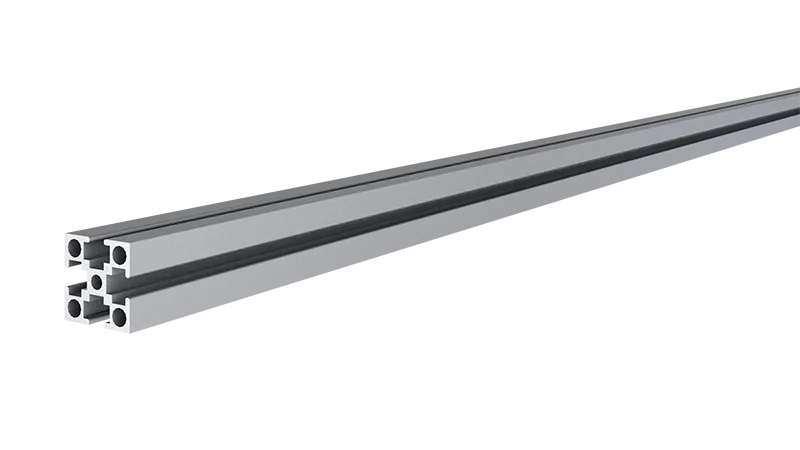
2020 National Standard Profile
45° external bending joint, used for 45° external connection of two aluminum pipes.
Introduction: The Unsung Hero of Your Daily Environment
Walk into any modern workshop, retail store, or even your home office, and you're likely surrounded by something you might not notice at first glance: aluminum profiles. They're the silent backbone of workbenches that hold your tools, the sleek racks that organize inventory, the frames of display shelves that catch your eye in a boutique. These unassuming structures do more than just serve a functional purpose—they shape the aesthetic of the spaces we live and work in. A well-designed aluminum profile with a smooth, vibrant coating can make a workspace feel professional and inviting; one with chipped, faded paint? It can leave a space feeling tired, unkempt, and even untrustworthy.
But here's the thing: the beauty of an aluminum profile isn't just skin-deep. It's the result of careful engineering, from the extrusion process that gives it shape to the coating that protects and adorns it. And if there's one factor that determines whether that beauty lasts months or years, it's coating adhesion. Simply put, adhesion is how well the coating sticks to the aluminum surface. Poor adhesion means peeling, chipping, or fading—problems that turn a brand-new profile into an eyesore far too soon.
That's where standards come in. In 2020, national standards for aluminum profiles—specifically the
2020 national standard profile
—raised the bar for quality, including stricter requirements for coating adhesion. These standards aren't just boxes to check; they're promises to users that the aluminum profiles they invest in will maintain their aesthetics and performance over time. In this article, we'll dive into why coating adhesion matters, how it's tested, and why the 2020 national standard is a game-changer for anyone who cares about long-lasting, good-looking spaces.
What Exactly Is a 2020 National Standard Profile?
Let's start with the basics: what makes a
2020 national standard profile
different from any other aluminum profile? Aluminum profiles are created through a process called extrusion, where heated aluminum is pushed through a die to form specific cross-sectional shapes—think T-slot, square, or rectangular designs. These profiles are then cut, coated, and assembled into everything from workbenches to machine guards. But without standards, the quality of these profiles can vary wildly.
The 2020 national standard, officially known as GB/T [specific number, though we'll keep it simple here], was developed to address inconsistencies in the market. It sets strict guidelines for material composition, dimensional accuracy, mechanical properties, and—you guessed it—coating performance. For example, it specifies the minimum thickness of the aluminum alloy, the tolerance for deviations in profile dimensions, and the exact adhesion requirements coatings must meet. Why 2020? Because as manufacturing processes evolved and user expectations rose, older standards no longer ensured the durability and aesthetics modern users demand.
At its core, the 2020 standard is about reliability. When a supplier labels a product as a 2020 national standard profile, it's not just a marketing term—it means that profile has passed rigorous testing to meet those guidelines. For businesses, this translates to fewer replacements, lower maintenance costs, and a workspace that stays looking sharp. For homeowners or designers, it means furniture or fixtures that don't lose their luster after a few seasons of use.

Coating Adhesion: The Glue That Holds Beauty Together
Imagine buying a new laptop with a glossy finish, only to have the paint start peeling off after a month of use. Annoying, right? Now imagine that laptop is a 10-foot aluminum workbench in your factory, or a wall-mounted shelf in your store. The frustration (and cost) scales exponentially. That's why coating adhesion is so critical—it's the "glue" that keeps the coating attached to the aluminum, ensuring the profile looks as good on day 1,000 as it did on day 1.
Coatings on aluminum profiles serve two main purposes: protection and aesthetics. They shield the aluminum from corrosion, scratches, and UV damage, and they add color, texture, or a matte/gloss finish to match design needs. But if the coating doesn't adhere properly, neither of these jobs gets done. Moisture can seep between the coating and the aluminum, causing rust or discoloration. Scratches become more likely, and even a light bump can chip away a chunk of paint, leaving an ugly bare spot. Over time, these small flaws accumulate, making the profile look neglected and unprofessional.
Aesthetics aside, poor adhesion can also hint at bigger quality issues. If a manufacturer cuts corners on surface preparation (like cleaning the aluminum before coating) or uses low-quality paint, adhesion will suffer. And if they're cutting corners there, where else might they be skimping? Maybe in the aluminum alloy itself, or the extrusion process. In short, adhesion isn't just about looks—it's a window into the overall quality of the profile.
How Do We Test Coating Adhesion? The Methods Behind the Standards
Testing coating adhesion isn't guesswork—it's a science. The 2020 national standard outlines specific methods to measure how well a coating sticks, and manufacturers must use these methods to certify their profiles. Let's break down the most common ones, so you'll know exactly what "adhesion tested" really means.
| Test Method | Purpose | How It Works | Why It Matters | Limitations |
|---|---|---|---|---|
| Cross-Cut Test | To check adhesion on flat, smooth surfaces | A sharp blade cuts a grid pattern (usually 1mm x 1mm squares) into the coating. Adhesive tape is applied over the grid, pressed firmly, and then pulled off quickly. The number of squares that peel off is rated on a scale (0 = no peeling, 5 = complete failure). | Simple, quick, and widely used for quality control on production lines. | Not ideal for curved surfaces or thick coatings; results depend on blade sharpness and tape quality. |
| Pull-Off Test | To measure the force required to remove the coating | A metal dolly is glued to the coated surface. Once the glue dries, a device called a pull-off tester applies upward force until the coating (or dolly) detaches. The force at failure (in MPa or psi) is recorded. | Provides quantitative data (actual force), making it great for comparing different coatings or batches. | More time-consuming than the cross-cut test; requires specialized equipment. |
| Tape Test (Simple Version) | Quick check for gross adhesion issues | Similar to the cross-cut test but without the grid. Adhesive tape is applied directly to the coating, pressed, and pulled off. If large flakes come off, adhesion is poor. | Fast and requires no special tools—great for on-site inspections. | Only detects severe adhesion problems; not precise enough for certification. |
| Impact Test | To test adhesion under mechanical stress | A weighted pendulum or drop weight hits the coated surface at a specified velocity. The area around the impact is then checked for cracking, peeling, or delamination. | Simulates real-world impacts (e.g., tools dropping on a workbench). | Doesn't measure adhesion directly but shows how well the coating holds up under force. |
The 2020 national standard doesn't just say "adhesion must be good"—it sets specific pass/fail criteria. For example, in the cross-cut test, a 2020 standard profile must achieve a rating of 0 or 1 (meaning no peeling or only minimal peeling at the cut edges). In the pull-off test, it might require a minimum force of 5 MPa (megapascals) to remove the coating. These numbers aren't arbitrary; they're based on years of data showing what's needed for a coating to last 5+ years in typical environments.
Real-World Impact: When Adhesion Fails (and When It Succeeds)
Numbers and tests are important, but let's talk about real scenarios. I once visited a small electronics factory that had purchased non-standard aluminum profiles for their assembly workbenches. The owner was proud of the "great deal" he'd gotten—until six months later, when the gray coating on the workbenches started peeling off in sheets. The bare aluminum underneath began to oxidize, leaving ugly white spots. Not only did the workbenches look terrible, but the peeling paint also created a contamination risk for the sensitive circuit boards they were assembling. In the end, he had to replace all 12 workbenches at double the original cost. "I should've checked for the 2020 standard," he told me. "Saving a few hundred bucks wasn't worth the headache."
Success Story: A Automotive Parts Supplier's Experience
On the flip side, consider a automotive parts supplier I worked with a few years back. They switched to 2020 national standard profiles for their material racks and assembly lines. Three years later, during a follow-up visit, I was shocked by how new the profiles still looked. The blue coating was vibrant, with no signs of peeling or fading, even in areas where parts were constantly sliding in and out. The plant manager, "We used to repaint our racks every year. Now? We haven't touched them. The guys on the floor even comment on how 'clean' the line looks—it's boosted morale, believe it or not." That's the power of good adhesion: it turns a functional item into something that adds value to the workspace.
These stories highlight a key point: coating adhesion isn't just about looks. It's about reliability, cost savings, and even workplace culture. When your tools, racks, or furniture look well-maintained, it sends a message to employees, customers, and partners that you care about quality. And when they don't? It can erode trust and morale faster than you might think.
Beyond the Profile: Aluminum Profile Accessories and Aesthetic Harmony
A great aluminum profile is like a well-tailored suit—but even the best suit needs the right accessories to complete the look. That's where
aluminum profile accessories
come in: end caps, connectors, brackets, and handles that finish the profile and make it functional. And here's the thing: if these accessories don't match the profile's coating quality, they can undermine the entire aesthetic.
Take
2020 aluminum profile end cap
s, for example. These small plastic or metal caps fit over the ends of cut profiles, hiding sharp edges and giving a clean, finished look. If the end cap's color fades or its own coating peels while the profile's coating stays intact, the contrast is jarring. Similarly, brackets or connectors with chipped paint can make an otherwise sleek rack look shoddy. That's why the 2020 standard also touches on accessories, requiring that they meet similar durability and adhesion standards when coated.
Suppliers of 2020 national standard profiles often offer matching accessories, ensuring that every part of the system—from the main profile to the smallest end cap—maintains its appearance over time. This attention to detail is what separates a "good enough" setup from one that truly stands out. After all, you wouldn't pair a designer watch with a rubber band, right? The same logic applies to aluminum profiles: the whole system should work together to create a cohesive, long-lasting aesthetic.
How to Ensure You're Getting a Quality 2020 National Standard Profile
So, you're convinced: you want 2020 national standard profiles for your next project. How do you make sure you're actually getting what you pay for? Here are a few tips:
1. Ask for test reports.
Reputable suppliers will have no problem providing copies of their adhesion test results, as well as certificates showing compliance with the 2020 standard. If a supplier hesitates or can't produce these, that's a red flag.
2. Inspect samples.
Before placing a large order, ask for a sample profile. Run your fingernail over the coating—does it scratch easily? Apply a piece of masking tape, press firmly, and pull it off. Any peeling? If possible, bend the sample slightly (within reason)—does the coating crack? These quick checks can reveal a lot.
3. Check the finish consistency.
A quality 2020 profile will have an even coating with no bubbles, drips, or discoloration. Inconsistent finish often indicates poor application or preparation, which can lead to adhesion issues down the line.
4. Choose suppliers with a track record.
Suppliers who specialize in 2020 national standard profiles and have been in the industry for years are more likely to prioritize quality. Look for reviews or ask for references from other customers—did their profiles hold up over time?
Conclusion: Beauty That Lasts Is an Investment, Not an Expense
Coating adhesion might not be the most glamorous topic, but it's the unsung hero of long-lasting aluminum profile aesthetics. The 2020 national standard profile was created to ensure that this hero does its job—protecting your investment, keeping your space looking sharp, and saving you from costly replacements. Whether you're a factory manager, a designer, or a homeowner, choosing profiles that meet this standard isn't just about buying a product; it's about investing in peace of mind.
Remember the electronics factory owner who replaced his workbenches? Or the automotive supplier with racks that still looked new after three years? Their stories show that adhesion testing and standards aren't just technicalities—they have real-world impact. They turn "good enough" into "built to last," and "functional" into "functional and beautiful."
So the next time you're shopping for aluminum profiles, don't just look at the price tag or the color. Ask about the coating adhesion. Ask if it meets the 2020 national standard. Your future self (and your workspace) will thank you. After all, beauty that fades is just a trend—but beauty that lasts? That's a legacy.