- Company Articles
- Industry articles
- Industry standards
- 2020 National Standard Profile Fire Resistance Ratings: Compliance for Factory Safety

2020 National Standard Profile Fire Resistance Ratings: Compliance for Factory Safety
Related Product
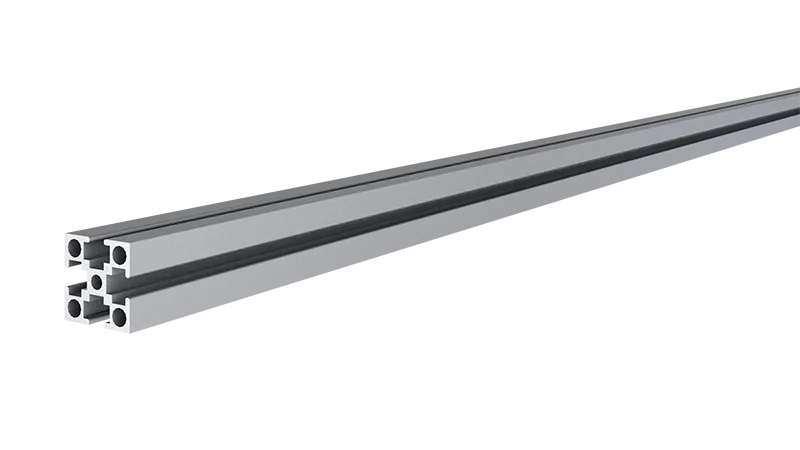
2020 National Standard Profile
45° external bending joint, used for 45° external connection of two aluminum pipes.
Why Fire Safety Matters in Modern Factories
Walk into any busy factory, and you'll see a symphony of activity: workers assembling products, machines humming, materials moving from one station to another. But beneath that productivity lies a critical concern that can't be ignored—fire safety. Fires in manufacturing facilities aren't just about property damage; they risk lives, disrupt operations for weeks (or even months), and can cripple businesses financially. That's why the materials used to build factory structures—from workbenches to material racks—play a starring role in keeping everyone safe. Among these materials, the 2020 national standard profile has emerged as a game-changer, thanks to its fire resistance ratings and compliance with the latest safety regulations.
Think about it: a single spark from a faulty machine, a chemical spill, or even an overheated wire could ignite flammable materials. In such cases, the difference between a small incident and a catastrophic fire often comes down to how well the factory's infrastructure resists and contains the flames. This is where understanding fire resistance ratings isn't just a box-ticking exercise—it's a commitment to protecting your team and your business.
What Are 2020 National Standard Profiles?
If you're new to the term, "2020 national standard profile" refers to a set of guidelines and specifications for building materials, particularly metal profiles used in industrial settings. These standards were updated in 2020 to address evolving fire safety needs, incorporating lessons from past incidents and advancements in material science. While the standard covers various materials, one of the most widely used is the aluminum extrusion profile—a lightweight, durable, and versatile material that forms the backbone of everything from workbenches to conveyor systems in factories.
Aluminum extrusion profiles are created by forcing heated aluminum through a die to create specific cross-sectional shapes. This process allows for precise design, making them ideal for custom factory setups. But what sets the 2020 national standard profile apart is its focus on fire resistance. Unlike older profiles that might prioritize cost or weight over safety, these new standards mandate rigorous testing to ensure the material can withstand fire for a specified period, giving workers time to evacuate and emergency responders time to contain the blaze.

Breaking Down Fire Resistance Ratings
Fire resistance ratings aren't just random numbers—they're a clear indicator of how long a material can maintain its structural integrity and prevent the spread of fire. For 2020 national standard profiles, these ratings are typically measured in minutes: 30, 60, 90, or even 120 minutes. But what do these numbers actually mean?
A 30-minute rating, for example, means the aluminum extrusion profile can withstand a standard fire test for half an hour without collapsing, allowing flames to spread, or reaching temperatures that would make the material unsafe. A 90-minute rating, on the other hand, provides significantly more time—critical in large factories where evacuation routes might be longer or where valuable equipment needs to be shut down safely.
These ratings are determined through standardized tests, such as the ISO 834 or GB/T 9978 (China's national standard for fire resistance testing). During these tests, the material is exposed to controlled flames and high temperatures, while inspectors monitor for three key factors: structural stability (does it collapse?), integrity (does fire or hot gases pass through?), and insulation (does the unexposed side reach dangerous temperatures?). Only profiles that pass all three criteria earn their rating.
Key Requirements of the 2020 National Standard
The 2020 update to the national standard didn't just tweak existing rules—it raised the bar for fire safety. One of the biggest changes was the introduction of stricter testing protocols for aluminum extrusion profiles, especially those used in high-risk areas like chemical storage facilities or electronics manufacturing plants (where flammable components are common). For instance, profiles used in material racks that store combustible materials now require a minimum 60-minute fire resistance rating, up from 30 minutes in previous standards.
Another key requirement is traceability. Manufacturers of 2020 national standard profiles must now provide detailed documentation, including test reports and batch numbers, so factory managers can verify compliance. This might seem like extra paperwork, but it's a lifesaver during safety audits or insurance claims—you can't prove compliance if you can't track where your materials came from.
The standard also addresses installation. Even the most fire-resistant aluminum extrusion profile won't perform well if installed incorrectly. Loose joints, gaps between profiles, or using non-compliant accessories (like low-quality connectors) can compromise fire resistance. The 2020 standard includes guidelines for proper installation, emphasizing the use of approved fasteners and sealants to ensure the structure acts as a unified fire barrier.
Real-World Applications: How 2020 Profiles Protect Factories
Let's get practical: how do these standards translate to everyday factory life? Take the humble workbench, a staple in almost every manufacturing facility. A workbench made with a 2020 national standard aluminum extrusion profile isn't just sturdy—it's a fire safety tool. Imagine a scenario where a welding spark ignites a pile of oily rags under the bench. If the bench is made with an older, non-compliant profile, the fire could spread quickly, melting the material and causing the bench to collapse, scattering burning debris. But a workbench built with a 60-minute fire-resistant aluminum extrusion profile would slow the fire's progress, giving workers time to grab a fire extinguisher or evacuate safely.
Then there's the material rack—a critical component for storing raw materials,, and finished goods. Material racks labeled under the 2020 national standard are designed to maintain their structure during a fire, preventing stored items from falling and blocking escape routes. For example, a material rack B (3 row and 3 floor) setup, common in warehouses, uses 2020 national standard profiles to ensure each shelf can support its load even as temperatures rise. This structural stability is vital: in a fire, collapsing racks not only trap workers but also create barriers that make it harder for firefighters to reach the source of the blaze.
Even smaller components matter. Aluminum extrusion profiles are often paired with accessories like roller tracks or caster wheels, which are also covered under the 2020 standard. For instance, plastic roller track guide rails (yellow or grey) used in conveyor systems must now meet flame-retardant standards, ensuring they don't contribute to fire spread. It's these small details that add up to a safer factory environment.
Fire Resistance Ratings: A Comparison Table
| Profile Type | Fire Resistance Rating | Typical Applications | Key Compliance Standard |
|---|---|---|---|
| 2020 National Standard Profile A (Thin-Wall) | 30 minutes | Light-duty workbenches, small material racks | GB/T 9978.1-2020 |
| 2020 National Standard Profile B (Medium-Wall) | 60 minutes | Heavy-duty workbenches, material rack B (3 row and 3 floor) | GB/T 9978.2-2020 |
| 2020 National Standard Profile C (Thick-Wall) | 90 minutes | High-risk areas (chemical storage, electronics assembly) | GB/T 9978.3-2020 |
| Aluminum Extrusion Profile (Reinforced) | 120 minutes | Fire barriers, emergency exit structures | GB/T 9978.4-2020 |
Beyond Fire Resistance: Other Benefits of 2020 National Standard Profiles
While fire safety is the star here, 2020 national standard profiles offer other perks that make them a smart choice for factories. For starters, aluminum extrusion profiles are incredibly durable. Unlike wood or plastic, they resist corrosion, moisture, and wear, meaning they last longer and require less maintenance. This durability translates to cost savings over time—no need to replace warped workbenches or rusted material racks every few years.
They're also surprisingly flexible. The extrusion process allows for custom shapes, so factories can design profiles that fit their specific needs. Need a workbench with built-in cable management? Or a material rack with adjustable shelves? 2020 national standard aluminum extrusion profiles can be tailored to these requirements without sacrificing fire resistance. This flexibility is a boon for lean manufacturing setups, where efficiency and adaptability are key.
And let's not forget sustainability. Aluminum is 100% recyclable, and the 2020 standard encourages the use of recycled materials in profile production. For factories aiming to reduce their environmental footprint, this is a win-win: safer operations and greener practices go hand in hand.
Common Misconceptions About Fire Resistance Ratings
Even with the 2020 standard in place, there are still myths floating around about fire resistance ratings. Let's debunk a few:
Misconception 1: "All aluminum profiles are fire-resistant." Not true. Only profiles tested and certified under the 2020 national standard meet specific fire resistance ratings. Cheaper, non-compliant aluminum profiles might look similar, but they lack the additives and structural design needed to withstand fire. Always check for certification labels.
Misconception 2: "A higher rating is always better." While a 120-minute rating sounds impressive, it might be overkill for low-risk areas like a packaging station. Choosing the right rating depends on your factory's specific hazards. A 30-minute rating might be sufficient for a workbench in a textile factory, while a chemical plant needs 90+ minutes. Over-specifying can drive up costs unnecessarily.
Misconception 3: "Once installed, fire resistance doesn't degrade." Wear and tear matter. Scratches, dents, or improper maintenance (like using non-approved paints that melt in heat) can reduce a profile's fire resistance over time. Regular inspections are crucial to ensure compliance.
How to Ensure Compliance: Tips for Factory Managers
So, you're convinced of the importance of 2020 national standard profiles—now what? Ensuring compliance starts with choosing the right supplier. Look for manufacturers who specialize in aluminum extrusion profiles and can provide certified test reports for their products. A reputable supplier will also offer guidance on which profile type (A, B, or C) best fits your needs, based on your factory's risk assessment.
Next, train your team. Your maintenance staff should know how to inspect profiles for damage, and your safety officers should understand the difference between ratings. Simple steps, like avoiding drilling holes in profiles (which weakens their structure) or using only approved accessories, can go a long way in maintaining fire resistance.
Finally, schedule regular audits. Fire safety isn't a one-and-done task. Hire third-party inspectors to review your factory's setup, check profile certifications, and ensure installations meet the 2020 standard. These audits not only keep you compliant but also identify potential issues before they become hazards.
The Future of Factory Safety: Beyond 2020
As manufacturing evolves, so too will fire safety standards. The 2020 national standard profile is just the latest step in a ongoing journey to protect workers and businesses. Looking ahead, we can expect even stricter ratings, smarter materials (like aluminum profiles with built-in fire alarms), and better integration with IoT systems that monitor temperature and structural stress in real time.
But for now, the focus remains on compliance. By investing in 2020 national standard aluminum extrusion profiles—whether for workbenches, material racks, or conveyor systems—factory managers are making a clear statement: safety isn't optional. It's the foundation of every successful, sustainable manufacturing operation.
In the end, fire resistance ratings aren't just about passing inspections. They're about giving your team peace of mind, knowing that the structures around them are built to protect. And in a factory, where every second counts, that peace of mind might just save lives.