- Company Articles
- Industry articles
- Industry standards
- 2020 National Standard Profile for Conveyors: Belt Compatibility & Maintenance Tips

2020 National Standard Profile for Conveyors: Belt Compatibility & Maintenance Tips
Related Product
2020 National Standard Profile
45° external bending joint, used for 45° external connection of two aluminum pipes.
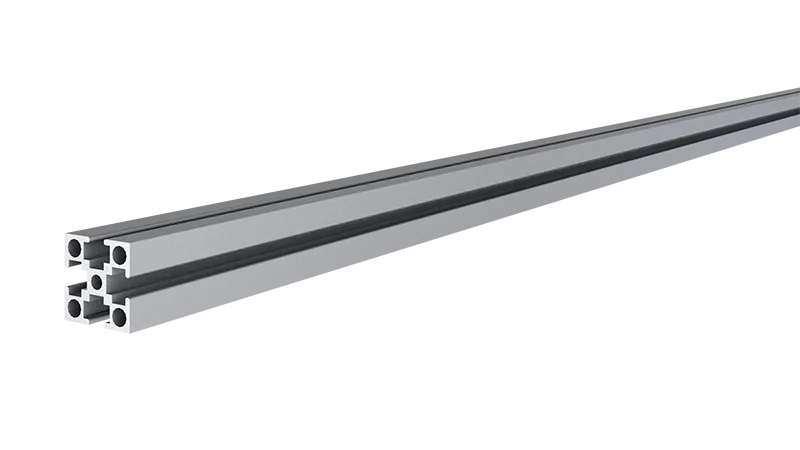
Walk into any manufacturing plant, warehouse, or distribution center, and you'll likely hear the steady hum of conveyors. These workhorses move everything from tiny electronic components to heavy machinery parts, keeping production lines flowing and deadlines on track. But behind that seamless motion lies a critical foundation: the framework that holds the conveyor together. Enter the 2020 National Standard Profile—a specification designed to bring consistency, durability, and compatibility to conveyor systems. In this guide, we'll break down what this profile is, how it impacts belt compatibility, and share practical maintenance tips to keep your conveyor running like a well-oiled machine.
Understanding the 2020 National Standard Profile: More Than Just a "Frame"
You might be thinking, "A profile? Isn't that just a fancy word for a metal frame?" Well, yes and no. The 2020 National Standard Profile is indeed the structural backbone of many conveyors, but it's far more precise than a generic frame. Think of it as the "DNA" of your conveyor system—defining dimensions, material quality, and design features that ensure parts from different suppliers work together seamlessly.
So, what makes the 2020 profile stand out? Let's start with the basics. The term "2020" refers to its cross-sectional dimensions: typically 20mm in width and 20mm in height, though exact specs can vary slightly based on application. But it's not just about size. This profile is usually made from aluminum—chosen for its winning combo of strength, lightweight, and resistance to corrosion. Aluminum also offers flexibility; unlike steel, it's easy to cut, drill, and assemble without heavy tools, making customization a breeze for unique conveyor layouts.
One of the 2020 profile's most clever features is its T-slot design. Imagine tiny, continuous grooves running along the length of the profile—these slots let you attach aluminum profile accessories like brackets, guides, roller tracks, and even workbench surfaces without welding or drilling new holes. Need to add a side guard to prevent items from falling off the conveyor? Slide a bracket into the T-slot, tighten a bolt, and you're done. It's this modularity that makes the 2020 profile a favorite among plant managers and maintenance teams alike—no more waiting for custom parts or hiring a welder for minor adjustments.
But why "national standard"? In short, consistency. Before standardized profiles like 2020, conveyor frames came in all shapes and sizes. A bracket from Supplier A might not fit a frame from Supplier B, leading to jerry-rigged solutions, wasted time, and increased downtime. The 2020 National Standard Profile eliminates that headache by setting universal specs for groove depth, wall thickness, and material composition. Whether you're buying from a local distributor or an international supplier, you can trust that 2020-profile components will click together—literally and figuratively.
Belt Compatibility: Matching Your Conveyor Belt to the 2020 Profile
Your conveyor's belt is the workhorse that actually moves the goods—but it can't do its job without a compatible frame. The 2020 National Standard Profile plays a starring role here, dictating how well your belt aligns, tracks, and withstands daily wear. Let's dive into the key factors that make a belt "2020 profile-friendly" and how to choose the right one for your needs.
Key Compatibility Factors to Consider
First, let's talk about groove dimensions. The T-slots on the 2020 profile aren't just for accessories—they often house the guide rails that keep the belt centered. If your belt's edges don't match the rail spacing, you'll end up with misalignment, belt slipping, or even premature wear. Most 2020 profiles have standardized guide rail grooves (usually 5-8mm deep), so check your belt's edge thickness before purchasing. A belt that's too thick will rub against the rails; too thin, and it might slide off-track.
Next, tension. Conveyor belts need just the right amount of tension to grip the rollers and move smoothly. The 2020 profile's aluminum construction is strong, but it's not indestructible. A belt with excessively high tension can warp the profile over time, while too little tension leads to slipping. Most belt manufacturers provide tension guidelines based on profile type—look for recommendations specifically for aluminum profiles like 2020.
Temperature is another big one. If your conveyor operates in a hot environment (think bakery ovens or automotive paint shops) or a cold one (freezers or pharmaceutical storage), your belt material must play nice with both the 2020 profile and the conditions. Aluminum conducts heat and cold, so a belt that hardens in the cold or melts in the heat won't just fail—it could damage the profile itself.
Belt Types and Their Compatibility with 2020 Profile
Not all belts are created equal. Let's break down the most common types and how they stack up with the 2020 National Standard Profile:
| Belt Material | Tensile Strength (N/mm) | Temperature Range (°C) | 2020 Profile Compatibility | Best For |
|---|---|---|---|---|
| PVC (Polyvinyl Chloride) | 10-20 | -10 to 60 | Excellent | General packaging, food processing (FDA-approved grades) |
| Polyurethane (PU) | 20-35 | -20 to 90 | Excellent | Automotive parts, heavy-duty assembly lines |
| Rubber | 15-25 | -30 to 80 | Good | Construction materials, bulk goods (grains, aggregates) |
| Silicone | 5-15 | -60 to 200 | Fair | Heat-sealing, high-temperature industrial processes |
PVC belts are a popular choice for general-purpose conveyors. They're cost-effective, easy to clean, and their smooth surface glides well along the 2020 profile's roller track. Just avoid using them in extreme temperatures—PVC can become brittle in the cold or soft in the heat, which affects how it sits in the profile's grooves.
Polyurethane (PU) belts step up the durability. With higher tensile strength and resistance to oils, chemicals, and abrasion, they're ideal for heavy loads or messy environments (like automotive plants where oil drips are common). PU's stiffness also makes it a great match for the 2020 profile's precise guide rails—less stretching means less misalignment over time.
Rubber belts are the workhorses of the bunch, offering excellent grip for slippery or irregularly shaped items. They're compatible with 2020 profiles but may require more frequent tension checks, as rubber can stretch slightly with use. Stick to them for applications like moving construction materials or bulk grains, where grip matters more than precision tracking.
Silicone belts are the specialists, built to handle extreme heat or cold. However, their flexibility can be a double-edged sword—they may not hold their shape as well in the 2020 profile's tight grooves, leading to more frequent adjustments. Save them for niche uses like heat-sealing plastic bags or moving frozen goods.

Maintenance Tips: Keeping Your 2020 Profile Conveyor in Top Shape
Even the best conveyor system won't last long without regular care. The good news? Maintaining a 2020 profile conveyor is straightforward—no fancy tools or specialized training required. Let's walk through a step-by-step routine to keep your system running smoothly, focusing on key components like the roller track, aluminum profile accessories, and even caster wheels if your conveyor is mobile.
Daily Checks: Quick Wins for Preventive Care
Start with the basics: a daily visual inspection. Spend 5-10 minutes walking the length of the conveyor, keeping an eye out for obvious issues. Here's what to look for:
Roller Track Cleanliness: The roller track—the series of small wheels that support the belt—tends to collect dust, debris, or small product fragments. A quick glance will tell you if there's gunk buildup between the rollers. Grab a soft-bristled brush or a can of compressed air and gently clear it out. Avoid water unless necessary—moisture can lead to rust on steel rollers or slippery belts.
Belt Alignment: Watch the belt as it runs. Is it centered on the 2020 profile, or is it drifting to one side? A misaligned belt can rub against the profile's edges, wearing down both the belt and the aluminum. If it's off by more than a few millimeters, check the guide rails—they might be loose or bent. Tighten any aluminum profile accessories holding the rails in place, or gently bend them back into alignment with a rubber mallet (never a hammer—you don't want to dent the profile).
Caster Wheel Condition (if mobile): If your conveyor has caster wheels for easy repositioning, give them a spin. They should rotate smoothly without wobbling or squeaking. Debris stuck in the wheel treads (like small screws or bits of plastic) can cause uneven rolling, so pick those out with a screwdriver or your fingers. If a wheel feels stiff, a drop of silicone-based lubricant on the axle should do the trick.
Weekly Deep Dive: Lubrication and Tightening
Once a week, set aside 30 minutes for more thorough maintenance. Focus on two key areas: lubrication and tightening loose parts.
Lubrication: The roller track's bearings and axles need regular lubrication to reduce friction. Use a lightweight machine oil or a spray lubricant designed for conveyors—avoid heavy greases, which attract dust. Apply a small drop to each roller axle, then spin the roller by hand to distribute the oil evenly. Wipe away any excess to prevent it from dripping onto the belt or products.
Tightening Aluminum Profile Accessories: Vibration from daily use can loosen brackets, clips, and fasteners in the 2020 profile's T-slots. Grab a hex key or a screwdriver (depending on the accessory type) and gently tighten each one. Remember: "snug, not stripped." Over-tightening can strip the threads in the aluminum, which is a hassle to repair. A good rule of thumb: tighten until you feel resistance, then stop.
Monthly Inspections: Catching Issues Before They Escalate
Once a month, take a closer look at the 2020 profile itself and the belt. Here's what to check:
Profile Damage: Look for dents, cracks, or corrosion on the aluminum profile. Small dents might not seem like a big deal, but they can disrupt the belt's path or make it harder to attach accessories. If you spot a dent, try gently pressing it out with a rubber mallet—aluminum is soft enough to reshape. For cracks or severe corrosion, replace the section immediately; a weakened profile can't support the conveyor's load safely.
Belt Wear: Check the belt for signs of wear, like frayed edges, cracks, or thinning. Pay extra attention to areas that rub against the 2020 profile's guide rails—these are hotspots for wear. If the belt is worn beyond 10% of its original thickness, or if you notice cracks deeper than 1mm, it's time for a replacement. A worn belt won't track properly and could even snap under load, leading to costly downtime.
Tension Adjustment: Belt tension can loosen over time, especially with rubber or PVC belts. To check tension, press down on the belt midway between two rollers— it should deflect about 10-15mm. If it's too loose (more deflection) or too tight (less deflection), adjust the tension using the conveyor's tensioning screws (usually located at the motor end). Refer to your belt manufacturer's guidelines for exact tension specs.
Troubleshooting Common Issues: When Your Conveyor Needs a Little Help
Even with regular maintenance, conveyors can hit snags. Here are three common problems and how to fix them, using the 2020 profile's features to your advantage.
Problem 1: Belt Slipping or Stalling
If the belt slips when starting or stalls under load, tension is usually the culprit. But before cranking up the tension, check the roller track—debris or a stuck roller can create extra friction. Clear any gunk from the rollers, then test the belt again. If it still slips, adjust the tension gradually (1/4 turn of the tensioning screw at a time) until the belt grips without stretching. If tension doesn't help, inspect the 2020 profile's drive pulley (the one connected to the motor). A worn or dirty pulley can lose grip—clean it with a mild detergent, or replace it if the surface is smooth or cracked.
Problem 2: Roller Track Jamming
A jammed roller track usually means a roller is stuck or bent. Start by removing the roller—most are held in place by aluminum profile accessories like clips or pins. Pull the roller out, then check for debris inside the bearing (a common issue in dusty environments). Clean the bearing with compressed air, lubricate it, and reinsert. If the roller is bent, replace it—bent rollers will always cause jams, even after cleaning. Pro tip: Keep a few spare rollers on hand; they're cheap and save time during repairs.
Problem 3: Caster Wheel Wobbling (for Mobile Conveyors)
Wobbly caster wheels make it hard to move the conveyor and can even throw off belt alignment. First, check if the wheel is loose on its axle—tighten the nut or bolt holding it in place. If that doesn't work, inspect the wheel tread for uneven wear. A worn tread will cause wobbling; replace the wheel if more than 30% of the tread is gone. If the caster's swivel mechanism is stiff, lubricate the pivot point with silicone spray—this often fixes the issue.
Conclusion: The 2020 Profile—Your Conveyor's Best Friend
At the end of the day, the 2020 National Standard Profile is more than just a piece of aluminum. It's the backbone of a reliable, efficient conveyor system—one that adapts to your needs, stands up to daily wear, and keeps production moving. By choosing the right belt (PVC for general use, PU for heavy loads), staying on top of maintenance (cleaning the roller track, tightening aluminum profile accessories, lubricating caster wheels), and troubleshooting issues early, you'll get years of smooth operation from your conveyor.
Remember: a little care goes a long way. A 10-minute daily inspection can prevent a 10-hour breakdown. And when it's time to upgrade or expand, the 2020 profile's modular design makes it easy to add new sections, workbenches, or accessories without starting from scratch. So the next time you walk past your conveyor, take a second to appreciate the 2020 profile holding it all together—it might not be flashy, but it's the reason your operation runs like clockwork.