- Company Articles
- Industry articles
- Industry standards
- 2020 National Standard Profile Surface Treatment: Anodizing vs Powder Coating

2020 National Standard Profile Surface Treatment: Anodizing vs Powder Coating
Related Product
2020 National Standard Profile
45° external bending joint, used for 45° external connection of two aluminum pipes.
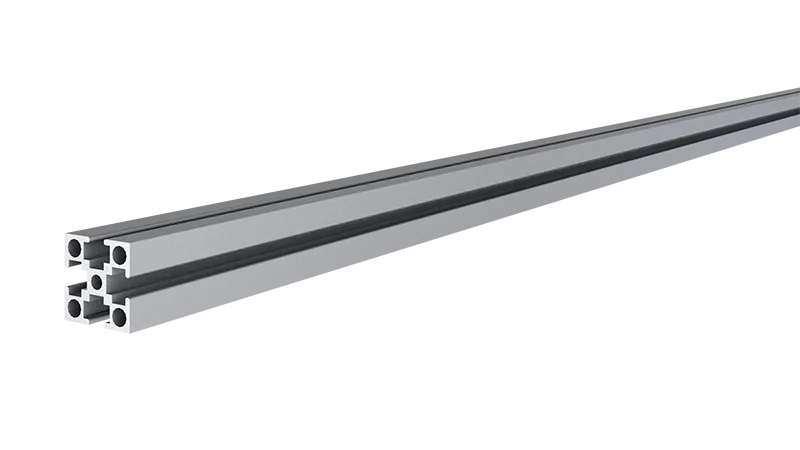
Walk into any modern factory, workshop, or production line, and you'll likely spot them: sleek, sturdy structures that form the backbone of daily operations—aluminum profiles. From the workbench where assemblers piece together electronics to the material rack storing components, these profiles are the unsung heroes of efficient manufacturing. Among the most widely used is the 2020 national standard profile , prized for its consistency, durability, and compatibility with a vast array of aluminum profile accessories . But here's the thing: even the best aluminum extrusion profile is only as good as its surface treatment. Today, we're diving into two heavyweights of surface finishing—anodizing and powder coating—to help you decide which one deserves a spot on your next project.
Why Surface Treatment Matters for Your Aluminum Profiles
Imagine a material rack B (3 row and 3 floor) in a busy warehouse. It's loaded with heavy parts, wheeled around by forklifts, and exposed to dust, moisture, and the occasional bump. Without proper surface protection, that rack's aluminum frame would start to corrode, weaken, or look worn within months. Surface treatment isn't just about aesthetics—it's about extending lifespan, ensuring safety, and maintaining performance. Whether you're building a workbench for precision assembly or a conveyor system for high-volume production, the right finish can mean the difference between a setup that lasts 5 years and one that serves your team for a decade.
Two methods dominate the industry: anodizing, a chemical process that strengthens the aluminum's natural oxide layer, and powder coating, a dry finishing technique that bonds a colored polymer to the surface. Let's break down how each works, their pros and cons, and which scenarios they shine in.
Anodizing: The "Natural Armor" for Aluminum
Anodizing is like giving your aluminum extrusion profile a supercharged protective skin. Here's how it works: the aluminum is submerged in an electrolytic solution (usually sulfuric acid), and an electric current is passed through it. This triggers a chemical reaction that thickens the metal's natural oxide layer—turning it from a thin, fragile film into a hard, porous barrier. Think of it as growing a shield from the inside out, rather than adding a layer on top.
The Perks of Anodizing
- Corrosion Resistance: That thickened oxide layer is impervious to moisture, making anodized profiles ideal for humid environments or outdoor use. A 2020 national standard profile treated with anodizing can withstand rain, condensation, and even mild chemicals without rusting.
- Durability: Anodized surfaces are scratch-resistant and don't peel or chip—critical for high-traffic areas like workbenches or roller tracks. Ever noticed how old anodized aluminum windows still look sharp? That's the oxide layer holding strong.
- Natural Aesthetics: Anodizing preserves aluminum's signature metallic sheen, offering a clean, industrial look that fits seamlessly into lean manufacturing setups. It can also be dyed in subtle hues (think blacks, bronzes, or silvers), though the color range is more limited than powder coating.
- Low Maintenance: A quick wipe with a damp cloth is usually all it takes to keep anodized surfaces clean. No need for repainting or touch-ups—just long-term reliability.
When to Choose Anodizing
Anodizing is your best bet if you need a finish that prioritizes longevity and functionality over flashy colors. It's perfect for:
- Outdoor structures (e.g., loading dock railings or external material racks)
- High-wear areas like roller track systems or caster wheels that see constant friction
- Cleanrooms or labs where a non-porous, easy-to-sanitize surface is a must
- Projects where aluminum's natural look aligns with your brand's industrial vibe

Powder Coating: The "Color Chameleon" of Finishes
If anodizing is the quiet workhorse, powder coating is the creative artist. This process starts with fine powder—made of resin, pigments, and additives—that's electrostatically charged and sprayed onto the aluminum extrusion profile. The coated profile is then baked in an oven, where the powder melts into a smooth, even layer. The result? A finish that's as tough as it is colorful.
The Perks of Powder Coating
- Unlimited Color Options: Want your workbench to match your company's signature blue? Or need bright yellow safety rails for a warehouse? Powder coating delivers—from matte pastels to high-gloss metallics, the color possibilities are nearly endless.
- Impact Resistance: The baked-on polymer layer acts like a shock absorber, making powder-coated profiles more resistant to dents and chips than bare aluminum. This is a game-changer for turnover trolley and rack systems that get jostled during daily use.
- Cost-Effective for Large Batches: Once the powder is mixed and the spray gun is calibrated, coating multiple profiles is fast and efficient. This makes it budget-friendly for projects like outfitting an entire production line with matching workbenches.
- Uniform Coverage: Unlike liquid paint, powder coating doesn't drip or run, ensuring even coverage even on complex shapes—think intricate aluminum profile accessories like hinges or brackets.
When to Choose Powder Coating
Powder coating steals the show when aesthetics and customization are top priorities. Opt for it if you're working on:
- Indoor workstations or display racks where brand consistency (e.g., matching company colors) matters
- Low-wear applications like workbench E (single deck-without caster) setups in office-like assembly areas
- Safety-critical areas where high-visibility colors (e.g., red for emergency stops, yellow for caution) are required
- Projects where you want to hide minor surface imperfections—powder coating's thickness covers small scratches or dents.
Anodizing vs. Powder Coating: The Ultimate Showdown
| Factor | Anodizing | Powder Coating |
|---|---|---|
| Corrosion Resistance | Excellent (oxide layer is part of the metal) | Good (polymer layer acts as a barrier, but can chip) |
| Color Range | Limited (natural aluminum, blacks, bronzes, silvers) | Vast (any color, including custom shades and textures) |
| Durability (Scratches/Wear) | High (hard oxide layer resists scratches) | Moderate (thicker layer resists impacts but can peel if chipped) |
| Cost | Higher upfront (complex process, especially for dyed finishes) | Lower for large batches (faster application, less waste) |
| Maintenance | Low (wipe clean; no repainting needed) | Moderate (may need touch-ups if chipped) |
| Best For | Outdoor use, high-wear areas, natural aesthetics | Indoor use, brand colors, low-wear applications |
How to Pick? Let Your Project Guide You
Still on the fence? Ask yourself these questions to narrow it down:
1. Where will the profile live?
Outdoor or humid environments? Anodizing's corrosion resistance is a lifesaver. Indoors in a climate-controlled factory? Powder coating's color options might be worth the trade-off.
2. How much wear and tear will it face?
A roller track that's constantly sliding heavy parts? Anodizing's scratch resistance is non-negotiable. A stationary workbench that's mostly used for light assembly? Powder coating's vibrancy could boost team morale.
3. What's your budget and timeline?
Need 500 identical racks in a hurry? Powder coating's faster application might fit the bill. Will this setup be used for 10+ years? Anodizing's longevity could save you money on replacements down the line.
4. Does it need to match your brand?
If your company logo is a bold red, powder coating can replicate that exact shade on every workbench and trolley. If you're going for a minimalist, industrial look, anodized aluminum's natural tone might be the perfect fit.
Don't Forget the Accessories: How Finishes Play with Aluminum Profile Parts
Your 2020 national standard profile doesn't work alone—it's paired with aluminum profile accessories like joints, brackets, and casters. And guess what? Your surface treatment choice affects how these parts perform together. For example:
- Joints and Clamps: Powder coating adds thickness to the profile, so you might need to adjust clamp sizes to ensure a snug fit. Anodized profiles, with their thinner oxide layer, play nicer with standard accessories.
- Caster Wheels: If your caster wheels are powder-coated, avoid dragging them over rough surfaces—chipping the finish could expose the aluminum underneath. Anodized casters, on the other hand, can handle more abuse.
- Cleaning Products: Anodized surfaces can handle harsher cleaners (like degreasers), while powder coating might fade or dull with strong chemicals. Stick to mild soap and water for powder-coated parts.
Pro tip: When ordering accessories, ask your supplier if they offer finishes that match your profile treatment. Many suppliers now provide anodized or powder-coated joints to ensure a cohesive look and performance.
Final Verdict: There's No "Best"—Only "Best For You"
At the end of the day, anodizing and powder coating are both rock-solid choices—they just excel in different scenarios. Anodizing is the reliable, long-term partner for tough environments and natural aesthetics. Powder coating is the creative collaborator, bringing color and personality to indoor setups. And here's a secret: you don't have to choose one or the other. Some projects mix both—anodized frames for durability, powder-coated accents for brand flair.
Whether you're building a single workbench or outfitting an entire lean manufacturing system, the key is to start with your project's unique needs. Consider the environment, the workload, the budget, and yes—even how the finish makes your team feel. After all, a well-designed, thoughtfully finished workspace isn't just about efficiency—it's about pride in the tools you use every day.
So, what'll it be? The quiet strength of anodizing, or the bold personality of powder coating? Whichever you choose, your 2020 national standard profile will thank you for the extra layer of care.