- Company Articles
- Industry articles
- Industry standards
- 2020r EU Standard Aluminum Profile Dimensions: Sizing Options for Lean Systems

2020r EU Standard Aluminum Profile Dimensions: Sizing Options for Lean Systems
Related Product
2020R EU Standard Aluminum Profile
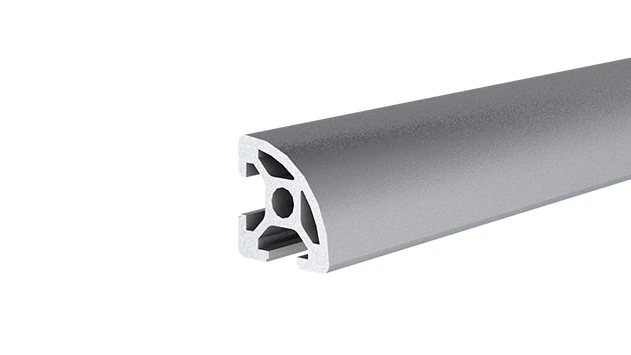
2020R is a 2.00 x 2.00CM fractional 20 series square extrusion T-slot profile with four open T-slots, two side with 2.00cm face, the other side with round face. The profile has align-a-grooves to assist in aligning connecting profiles.
Walk into a manufacturing facility that's mastered lean principles, and you'll notice something subtle but powerful: the tools and infrastructure feel like an extension of the team. Workbenches adjust to the task, material racks feed parts exactly where they're needed, and conveyors glide without a hitch. At the heart of this harmony often lies a humble but critical component: aluminum profiles. Not just any profiles, though—ones designed with precision, flexibility, and human-centricity in mind. Today, we're diving deep into one such workhorse: the 2020r EU Standard Aluminum Profile. It's more than just metal; it's the backbone of lean systems that empower teams to work smarter, not harder.
Understanding the 2020r EU Standard: What Makes It Unique?
First things first: what does "2020r" even mean? Let's break it down. The "2020" refers to the profile's cross-sectional dimensions—20mm in width and 20mm in height. That compact size makes it ideal for applications where space is at a premium but strength can't be compromised. The "r" stands for "rounded," a small detail with big implications. Unlike sharp-edged profiles, the 2020r's rounded corners reduce the risk of cuts or scrapes during assembly, making it safer for teams who handle and adjust the profiles regularly. It's a small touch, but anyone who's spent hours building or reconfiguring workbenches knows: safety and comfort matter.
Then there's the "EU Standard" badge. This isn't just a label; it's a promise of quality. EU standards for aluminum extrusion profiles enforce strict tolerances for straightness, wall thickness consistency, and material purity. For lean systems, this precision is non-negotiable. Imagine building a workbench where one profile is slightly warped or a slot is misaligned—suddenly, the entire structure wobbles, tools don't fit, and frustration builds. The 2020r avoids that. Its EU-standard engineering ensures every piece works seamlessly with the next, turning assembly from a headache into a straightforward, even satisfying, task.
Dimensions That Drive Efficiency: Breaking Down the 2020r Profile Specs
Let's get technical—but in a way that matters to the people on the factory floor. The 2020r's dimensions are a masterclass in balance: small enough to stay agile, robust enough to handle daily use. Here's a closer look at what makes it tick:
| Feature | 2020r EU Standard Aluminum Profile | 2020 Standard Aluminum Profile (Non-Rounded) |
|---|---|---|
| Cross-Section Dimensions | 20mm (width) x 20mm (height) | 20mm (width) x 20mm (height) |
| Wall Thickness | 1.5mm (standard); 2.0mm (heavy-duty option) | 1.2mm - 2.0mm (varies by manufacturer) |
| Slot Width | 6mm (compatible with most EU-standard T-slot accessories) | 5mm - 8mm (inconsistent across brands) |
| Slot Depth | 8mm (secure fit for bolts and connectors) | 6mm - 10mm (may cause loose connections) |
| Weight per Meter | 0.7 kg/m (1.5mm wall); 0.9 kg/m (2.0mm wall) | 0.6 kg/m - 1.0 kg/m (uneven weight distribution) |
| Edge Design | Rounded (R2.0mm radius) | Sharp or slightly beveled |
Why do these numbers matter? Let's take wall thickness. At 1.5mm, the 2020r strikes a sweet spot: it's light enough to be maneuvered by one person during setup but strong enough to support tools, parts, and even small machinery on a workbench. The 2.0mm heavy-duty option steps up for applications like material racks or conveyors, where extra load-bearing capacity is critical. And that 6mm slot? It's a universal language. Most EU-standard aluminum profile accessories—from brackets to end caps—are designed to fit this slot perfectly, meaning you won't waste time hunting for compatible parts or forcing ill-fitting connectors.
Consider the weight, too. At 0.7 kg per meter, a 2-meter length of 2020r profile weighs just 1.4 kg—light enough for a team member to carry without strain, but substantial enough to feel sturdy once installed. Compare that to heavier profiles, which can turn a simple workbench adjustment into a two-person job, eating into valuable time. Lean systems thrive on efficiency, and every second saved on setup or reconfiguration adds up.

Beyond the Profile: Aluminum Profile Accessories That Complete the System
A profile is only as good as the accessories that bring it to life. The 2020r doesn't work in isolation—it's part of an ecosystem. Let's talk about the unsung heroes: aluminum profile accessories. These small components transform a pile of metal bars into functional, adaptable tools that grow with your needs.
Take connectors, for example. The 2020r pairs seamlessly with internal straight aluminum joints, 90° aluminum pipe joints, and even multi-angle fixed aluminum joints. These aren't just generic fasteners; they're engineered to lock into the 2020r's T-slot with zero play, ensuring structures stay rigid even under vibration. Ever built a shelf that wobbles every time you place a box on it? That's usually due to loose connectors. With the right accessories, the 2020r eliminates that frustration. Tight, secure joints mean your team can focus on the work, not on retightening bolts.
Then there are end caps—simple plastic or aluminum caps that snap onto the ends of the profile. They might seem trivial, but think about the daily grind: a workbench with exposed profile ends collects dust, dirt, and even small parts that fall into the slot. End caps keep the profiles clean, extending their lifespan and reducing maintenance. Plus, they add a polished look, turning a utilitarian structure into something that feels intentional—a subtle boost to team pride in their workspace.
And let's not forget brackets and supports. Roller track placon mounts, for instance, let you attach roller tracks directly to the 2020r, creating custom flow racks for parts. Caster wheels bolt on easily, turning a static workbench into a mobile workstation that can be wheeled to the assembly line when needed. These accessories aren't add-ons; they're the reason the 2020r is so versatile. One profile, endless configurations—exactly what lean systems demand.
Real-World Applications: From Workbenches to Material Racks
Enough specs—let's talk about how the 2020r actually improves day-to-day work. Let's start with workbenches, the heart of any production line. A workbench built with 2020r profiles isn't just a table; it's a custom tool tailored to the task. Need a surface for electronics assembly? Add an ESD (electrostatic discharge) top to protect sensitive components. Building heavy machinery parts? Reinforce the frame with 2.0mm wall profiles and add a steel top. The 2020r's modularity means you're not stuck with a one-size-fits-all bench that either overcomplicates small tasks or fails at big ones.
Consider a scenario: a team switches from a fixed wooden workbench to a 2020r-based bench. Suddenly, they can add tool holders exactly where each operator prefers them, adjust the height to reduce back strain, and even attach a small conveyor to feed parts directly onto the bench. The result? Less reaching, less bending, and fewer trips to fetch tools. Workers report feeling more in control of their space, and productivity ticks up—not because of pressure, but because the environment works *with* them.
Material racks are another area where the 2020r shines. Take Material Rack B (3 row and 3 floor), a common setup in lean facilities. Built with 2020r profiles and aluminum guide rails, this rack can be customized to hold bins of varying sizes, with roller tracks that let parts slide smoothly to the front. No more digging through disorganized shelves or straining to reach items at the back. The 2020r's strength ensures the rack stays stable even when fully loaded, while its light weight makes it easy to reposition if the production layout changes—a key advantage in lean systems, where adaptability is everything.
And let's not overlook turnover trolleys. These workhorses move parts between stations, and their design directly impacts how easily teams can keep up with demand. A trolley built with 2020r profiles is lightweight enough to push with one hand but sturdy enough to carry heavy loads. Add swivel caster wheels (another accessory that pairs perfectly with the 2020r), and the trolley glides around corners and through tight aisles, reducing the effort needed to transport materials. It's a small change, but it adds up to less fatigue and more energy for the tasks that matter.
Why Lean Systems Depend on the Right Aluminum Extrusion Profile
Lean manufacturing isn't just about cutting costs—it's about respecting people by giving them the tools to do their best work. The 2020r EU Standard Aluminum Profile embodies this philosophy. Let's connect the dots between the profile's features and lean principles:
Flexibility (Kaizen): Kaizen, or continuous improvement, is at the core of lean. It requires systems that can evolve as needs change. The 2020r's modular design makes reconfiguration a breeze. Need to add a shelf to a workbench? Unbolt the existing brackets, add a new profile, and you're done—no sawing, no welding, no waiting for a custom part. This flexibility lets teams experiment, iterate, and find better ways to work without being tied to rigid infrastructure.
Waste Reduction: Lean systems aim to eliminate waste, and one of the biggest wastes is overcomplication. The 2020r's compatibility with a wide range of accessories means you don't need to stock dozens of different profiles or custom parts. One profile, multiple uses—reducing inventory costs and the time spent managing parts. Plus, aluminum is recyclable, aligning with sustainability goals that are increasingly central to modern manufacturing.
Respect for People: At the end of the day, lean is about people. A poorly designed workspace leads to frustration, fatigue, and even injury. The 2020r's rounded edges, lightweight design, and easy assembly reduce physical strain. Its precision ensures tools and materials are always within reach, minimizing unnecessary movement. When workers feel their workspace is designed with their well-being in mind, engagement and morale rise—and that's when real productivity happens.
Choosing Your Supplier: What to Look for in 2020r Aluminum Profile Suppliers
You've decided the 2020r is right for your lean system—now, how do you choose a supplier? It starts with quality. Look for suppliers who certify their profiles meet EU standards (check for CE markings or ISO certifications). Ask about material purity: high-grade aluminum (like 6063-T5) offers better strength and corrosion resistance, ensuring your structures last for years.
Range of accessories matters, too. A supplier with a full lineup of compatible joints, brackets, and end caps saves you from hunting down parts from multiple sources. And don't underestimate customer support. Building with profiles can be tricky, especially if you're new to lean systems. A supplier who offers technical guidance—whether it's help with design or troubleshooting—can turn a stressful project into a smooth one.
Finally, consider lead times. Lean systems thrive on agility, and waiting weeks for profiles can derail a project. Look for suppliers with local stock or fast manufacturing turnaround times. Your team shouldn't have to put improvement projects on hold because parts are stuck in transit.
Conclusion: Building a Leaner, More Human-Centric Workplace with 2020r Profiles
The 2020r EU Standard Aluminum Profile isn't just a component—it's a statement. It says you value precision, flexibility, and, most importantly, the people who use your equipment. In a world where manufacturing is often reduced to numbers and metrics, it's a reminder that the best systems are built around human needs. Smooth workflows, reduced frustration, and a workspace that adapts to your team—these are the outcomes that matter.
So, whether you're building a new workbench, revamping a material rack, or designing a custom conveyor system, consider the 2020r. It's more than metal. It's the foundation of a lean system that doesn't just work *for* your team—it works *with* them. And in the end, that's the true measure of a successful lean transformation: not just efficiency, but a workplace where people feel empowered to do their best work, every day.