- Company Articles
- Industry articles
- Industry standards
- 2020r EU Standard Aluminum Profile for Cold Storage Logistics: Corrosion Resistance

2020r EU Standard Aluminum Profile for Cold Storage Logistics: Corrosion Resistance
Related Product
2020R EU Standard Aluminum Profile
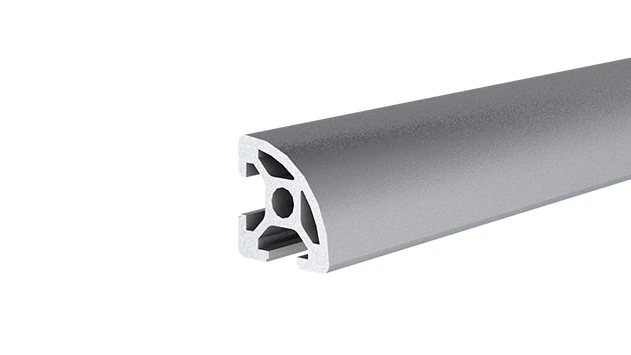
2020R is a 2.00 x 2.00CM fractional 20 series square extrusion T-slot profile with four open T-slots, two side with 2.00cm face, the other side with round face. The profile has align-a-grooves to assist in aligning connecting profiles.
Walk into any cold storage facility, and you'll immediately feel the bite of sub-zero temperatures. Rows of towering racks hold boxes of frozen produce, pharmaceuticals, or packaged goods, while workers in heavy coats move swiftly to load and unload. Behind this organized chaos lies a silent challenge: keeping the infrastructure itself from falling apart. Moisture lingers in the air, condensation forms on surfaces, and daily cleaning with water or sanitizers adds another layer of stress. In this harsh environment, corrosion isn't just a cosmetic issue—it's a threat to safety, efficiency, and the bottom line. That's where the 2020r EU Standard Aluminum Profile comes in. More than just a piece of metal, it's a solution built to thrive where other materials fail, starting with its unmatched corrosion resistance.
The Hidden Enemy: Why Cold Storage Destroys Most Materials
Cold storage logistics isn't for the faint of heart—especially for the equipment that powers it. Let's break down the challenges: First, there's the moisture. Even in freezing temperatures, humidity levels can spike when warm air seeps in (think loading docks during deliveries) or when products like fresh produce release condensation. Then there's the temperature swings: from -20°C inside to 15°C outside, metal structures expand and contract, weakening coatings and creating tiny cracks where rust can take hold. Add in regular cleaning with harsh detergents or high-pressure hoses, and you've got a perfect storm for corrosion.
Traditional materials struggle here. Steel, for example, is strong but prone to rust. Even galvanized steel, which has a protective zinc layer, can chip or wear thin over time, leaving the underlying metal exposed. Once rust starts, it spreads like a virus—weakening the structure, creating sharp edges that tear gloves or damage products, and even contaminating sensitive items like medical supplies or food. Stainless steel fares better, but it's heavy, expensive, and rigid—making it hard to reconfigure when your storage needs change. What cold storage really needs is a material that's lightweight, durable, and naturally resistant to the elements. Enter aluminum, and specifically, the 2020r EU Standard Aluminum Profile .
What Makes 2020r Aluminum Profile Different? Precision, Compliance, and Purpose
Not all aluminum profiles are created equal. The 2020r isn't just a random piece of aluminum—it's an aluminum extrusion profile engineered to meet strict EU standards. The "2020" refers to its cross-section dimensions: 20mm by 20mm, a versatile size that balances strength and flexibility. The "r" stands for "rounded," meaning its edges are curved instead of sharp—a small detail that reduces stress points during assembly and minimizes the risk of cuts for workers handling it daily. But the real magic is in its manufacturing: EU standards demand consistency in thickness, straightness, and finish, ensuring every piece of 2020r profile performs the same way. When you're building a rack that needs to hold 500kg of frozen goods, that reliability matters.
Unlike generic aluminum, which might have impurities or uneven walls, this extrusion is made by forcing molten aluminum through a die, creating a uniform structure with no weak spots. This precision makes it ideal for modular systems—think building blocks that fit together perfectly every time. Whether you're assembling a workbench, a shelf, or a material rack, you can trust that the 2020r profile will align, connect, and support weight exactly as intended. And because it's EU-certified, you know it meets safety and quality benchmarks, which is critical for industries like food processing or pharmaceuticals where compliance is non-negotiable.

Corrosion Resistance: Aluminum's Secret Superpower
Aluminum has a built-in defense mechanism: when exposed to oxygen, it forms a thin, invisible layer of aluminum oxide on its surface. This layer is just 0.00001mm thick, but it's incredibly tough—resistant to water, chemicals, and even the acidic cleaners used in cold storage. The best part? If the layer gets scratched (say, from a dropped box or a forklift bump), it self-heals. Oxygen in the air reacts with the fresh aluminum underneath, reforming the protective layer in minutes. In cold storage, where moisture is constant, this self-healing property is a game-changer. Unlike steel, which needs regular repainting or coating to fight rust, the 2020r profile requires almost no maintenance to stay corrosion-free.
To put this in perspective, let's compare it to other common materials used in cold storage. The table below breaks down how they stack up in key areas:
| Material | Corrosion Resistance | Weight (kg/m) | Long-Term Cost | Flexibility (Modularity) |
|---|---|---|---|---|
| 2020r Aluminum Profile | High (self-healing oxide layer) | 0.5–0.8 | Moderate (low maintenance) | High (works with aluminum profile accessories) |
| Galvanized Steel | Moderate (needs re-coating every 2–3 years) | 2.0–3.0 | Low upfront, high long-term (repairs/replacement) | Low (welded, hard to modify) |
| Stainless Steel 304 | High | 2.5–3.5 | High (expensive upfront and to fabricate) | Moderate (limited modular options) |
As you can see, the 2020r aluminum profile hits the sweet spot: it's lighter than steel, more corrosion-resistant than galvanized metal, and far more flexible than stainless steel. And when paired with aluminum profile accessories like brackets, connectors, and end caps, it becomes even more powerful.
From Workbenches to Racks: Real-World Applications in Cold Storage
Let's get practical. How does the 2020r profile actually improve life in a cold storage facility? Let's look at two common setups: workbenches and Material Rack B (3 row and 3 floor) .
Take workbenches first. In cold storage, these are where workers sort orders, pack products, or inspect goods. They need to be sturdy enough to hold tools and boxes, easy to clean (no crevices for bacteria), and resistant to the moisture that drips off frozen items. The 2020r profile, with its smooth, corrosion-resistant surface, checks all these boxes. Assembling a workbench is simple: use aluminum profile accessories like 90° connectors to join the profiles into a frame, add a plywood or metal top, and you're done. No welding, no painting—just a clean, durable surface that won't rust, even if it gets splashed with water during cleaning. And if you need to adjust the height or add a shelf later? Just loosen the connectors, reposition, and tighten—no need to buy a whole new bench.
Now, Material Rack B (3 row and 3 floor). These racks are workhorses, holding stacked boxes of everything from frozen vegetables to medical supplies. A typical rack might be 1.5m wide, 0.5m deep, and 2m tall—tall enough to maximize vertical space but not so heavy that it's hard to move if you rearrange the facility. The 2020r profile's lightweight design (about 0.6kg per meter) makes the rack easy to assemble and reposition, even with three rows and three floors of products. Its corrosion resistance ensures that after years of use, the rack won't develop rust spots that could stain boxes or contaminate contents. And because the profiles are hollow, you can run cables through them if you need to add LED lights or sensors—keeping the rack clutter-free.
Accessories: The Glue That Makes It All Work
You could have the best aluminum profile in the world, but without the right accessories, it's just a pile of metal. Aluminum profile accessories are what turn the 2020r into a versatile system. Let's talk about a few must-haves:
- End caps: These plastic or aluminum caps fit over the ends of the 2020r profile, sealing off the hollow interior to prevent dust and moisture from getting inside. They also make the edges safer—no sharp corners to catch on gloves or clothing.
- Gusset plates: These small, triangular brackets reinforce joints where two profiles meet (like the corners of a workbench). They add rigidity without adding much weight, ensuring your structure can handle heavy loads without wobbling.
- Adjustable feet: Cold storage floors aren't always perfectly level. These feet screw into the bottom of the profile, letting you tweak the height of your rack or workbench to keep it stable and even.
- Panel holders: Need to add a plywood shelf or a metal backboard to your rack? Panel holders clamp onto the 2020r profile, letting you attach panels without drilling holes. If you need to remove the panel later, just release the clamp—no damage to the profile.
The beauty of these accessories is that they're designed to work seamlessly with the 2020r profile. Most click or bolt into place, so you don't need special tools or skills to assemble them. This modularity is a huge plus for businesses: if your storage needs change (say, you start storing taller boxes), you can easily add extensions or adjust shelves without hiring a contractor.
Why Cold Storage Operators Are Making the Switch
At the end of the day, businesses care about one thing: results. The 2020r EU Standard Aluminum Profile delivers in three key areas that matter most:
1. Longevity that saves money: A steel rack might cost less upfront, but if it rusts and needs replacement every 5 years, the long-term cost adds up. The 2020r profile, with its corrosion resistance, can last 15–20 years with minimal maintenance. That's fewer replacements, less downtime, and lower total cost of ownership.
2. Flexibility to grow with your business: Cold storage needs change—seasonal spikes, new product lines, or facility expansions all require adaptable infrastructure. With aluminum profile accessories, you can reconfigure your 2020r setup in hours, not days. Add a shelf, extend a rack, or even build a new workbench—no need to wait for custom fabrication.
3. Compliance and safety: For food and pharmaceutical storage, hygiene is non-negotiable. Rust from steel racks can flake off into products, leading to recalls or regulatory fines. The 2020r profile's smooth, corrosion-free surface is easy to sanitize, helping you meet strict industry standards like HACCP or FDA guidelines. Plus, its lightweight design reduces the risk of injury during assembly or repositioning—no more straining to lift heavy steel beams.
Final Thoughts: More Than a Profile—A Partner in Cold Storage Success
Cold storage logistics is a tough business, but it doesn't have to be a constant battle against corrosion and equipment failure. The 2020r EU Standard Aluminum Profile, with its natural corrosion resistance, precision engineering, and modular design, offers a smarter way to build and maintain your facility. Whether you're setting up a new cold storage warehouse or upgrading an old one, this aluminum extrusion profile isn't just an expense—it's an investment in reliability, flexibility, and peace of mind. So the next time you walk through a cold storage facility, take a closer look at the racks and workbenches. Chances are, if they're still standing strong after years of moisture and cold, they're built with 2020r aluminum. And that's a choice that pays off—every day, in every box stored safely, and every dollar saved on repairs.