- Company Articles
- Industry articles
- Industry News
- 2025 Design Trends: 3030 Aluminum Profile End Caps in Modern Framing

2025 Design Trends: 3030 Aluminum Profile End Caps in Modern Framing
Related Product
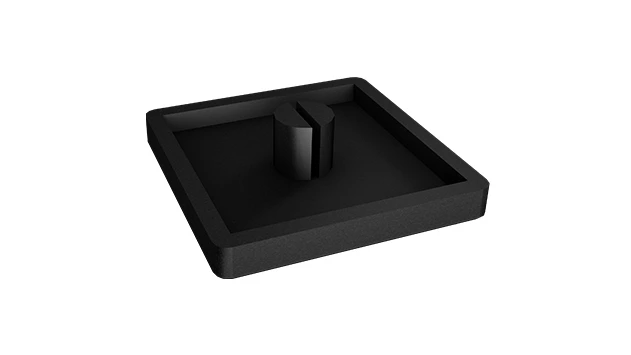
3030 Aluminum Profile End Cap
The aluminum profile end cap adds a finishing touch to your project and closes off profile ends to limit dust and debris buildup, also it can avaid some scratch for material and labor during the assemble work.
In the world of modern design and industrial framing, it's often the smallest details that make the biggest impact. As we step into 2025, one such detail is stealing the spotlight: the 3030 aluminum profile end cap. Far more than a simple finishing touch, these unassuming components are redefining how we approach functionality, aesthetics, and sustainability in everything from manufacturing workbenches to retail displays. In this article, we'll explore why 3030 aluminum profile end caps are emerging as a key trend, how they integrate with broader design movements like lean systems, and what makes them indispensable for today's innovators.
The Rise of Aluminum Extrusion Profiles in Modern Framing
Before diving into end caps, it's essential to understand the foundation they're built on: aluminum extrusion profiles. For decades, aluminum has been a staple in industrial and commercial design, prized for its unique blend of strength, lightweight properties, and malleability. But in recent years, the demand for aluminum extrusion profiles has surged, driven by two key factors: modularity and sustainability.
Modern projects—whether in manufacturing, construction, or retail—require flexibility. Designers and engineers need systems that can adapt to changing needs without overhauling entire structures. Aluminum extrusion profiles, with their T-slot designs and compatible accessories, offer exactly that. They're like the building blocks of the industrial world: easy to assemble, reconfigure, and expand. This modularity has made them a favorite in lean system implementations, where efficiency and waste reduction are paramount.
Sustainability, too, plays a major role. Aluminum is 100% recyclable, with recycled aluminum requiring just 5% of the energy needed to produce new material. As businesses and consumers alike prioritize eco-friendly solutions, aluminum extrusion profiles have become the go-to choice for projects aiming to reduce their carbon footprint. And as the profiles themselves have evolved, so too have the accessories that make them functional—including the humble end cap.
Understanding 3030 Aluminum Profile: A Backbone of Modern Design
Among the countless aluminum extrusion profiles available, the 3030 stands out as a workhorse. Named for its dimensions—30mm by 30mm—the 3030 aluminum profile strikes a perfect balance between strength and versatility. It's robust enough to support heavy loads in manufacturing workbenches and material racks, yet lightweight enough for use in retail displays and office furniture. Its square cross-section and standardized T-slot spacing make it compatible with a wide range of aluminum profile accessories, from brackets and connectors to panels and, of course, end caps.
What makes the 3030 profile so popular? Its adaptability. In a factory setting, it might form the frame of a lean pipe workbench, equipped with ESD (electrostatic discharge) features to protect sensitive electronics. In a warehouse, it could be part of a flow rack, guiding products along roller tracks with precision. In a café, it might serve as the structure for a custom shelving unit, finished with wood panels and sleek end caps. The 3030 profile doesn't just enable functionality—it enables creativity.
But even the most versatile profile is incomplete without the right finishing touches. That's where 3030 aluminum profile end caps come in. Originally designed to cover the exposed ends of profiles, preventing dust buildup and reducing the risk of injury from sharp edges, end caps have evolved into a design element that bridges the gap between form and function.

3030 Aluminum Profile End Caps: More Than Just a Finishing Touch
Gone are the days when end caps were an afterthought. In 2025, they're a statement piece. Designers are now using 3030 aluminum profile end caps to add color, texture, and brand identity to otherwise utilitarian structures. Imagine a manufacturing facility where workbenches, traditionally drab and industrial, feature end caps in the company's signature blue—suddenly, the workspace feels cohesive and intentional. Or a retail store where product displays use matte black end caps to complement sleek aluminum frames, creating a modern, high-end aesthetic.
But the trend isn't just about looks. Today's end caps are engineered to solve real-world problems. For example, in healthcare settings, antimicrobial end caps help prevent the spread of germs on hospital workstations and equipment racks. In electronics manufacturing, ESD-safe end caps protect sensitive components from static damage. And in high-traffic areas like schools or airports, shock-absorbent rubber end caps reduce noise and wear, extending the life of the structure.
Perhaps most importantly, 3030 aluminum profile end caps are now designed with ease of installation in mind. Early end caps often required tools or adhesives, making replacement a hassle. Modern versions, however, feature snap-on or friction-fit designs that allow for quick, tool-free installation. This not only saves time during assembly but also makes maintenance a breeze—critical in fast-paced environments where downtime is costly.

Key Features Driving the 2025 Trend
What exactly sets 2025's 3030 aluminum profile end caps apart? Let's break down the features that are making them a must-have for designers and engineers:
- Material Diversity: While plastic end caps remain popular for their cost-effectiveness and color options, 2025 is seeing a rise in aluminum and rubber alternatives. Aluminum end caps, for instance, perfectly match the 3030 profile's finish, creating a seamless look. Rubber end caps, on the other hand, offer superior grip and shock absorption—ideal for mobile structures like carts or workbenches on casters.
- Customization: Brands are no longer limited to off-the-shelf colors. End caps can now be custom-matched to Pantone codes, allowing for brand consistency across all touchpoints. Some manufacturers even offer embossed logos or text on end caps, turning functional components into subtle branding tools.
- Ergonomics: Sharp edges are a thing of the past. Modern end caps feature rounded corners and smooth finishes, reducing the risk of cuts or scrapes in busy workplaces. This focus on ergonomics aligns with a broader industry trend toward employee safety and wellbeing.
- Sustainability: As with aluminum extrusion profiles themselves, sustainability is a key focus. Many end caps are now made from recycled plastics or biodegradable materials, and aluminum end caps are fully recyclable at the end of their lifecycle.
Integration with Lean Systems: Efficiency Meets Aesthetics
In manufacturing and warehousing, lean system principles—focused on minimizing waste, maximizing efficiency, and continuous improvement—have long driven design decisions. The 3030 aluminum profile, with its modularity and durability, has been a cornerstone of lean implementations, used in everything from flow racks to conveyor systems. Now, 3030 aluminum profile end caps are enhancing these systems in unexpected ways.
Consider a typical lean workbench: it needs to be sturdy, easy to clean, and adaptable to changing tasks. A 3030 profile frame provides the structure, while accessories like tool holders and cable management clips keep the workspace organized. But without end caps, the profile ends could collect dust, debris, or even small parts—creating waste and disrupting workflow. End caps seal these openings, ensuring the workbench remains clean and efficient.
Beyond cleanliness, end caps contribute to lean systems by reducing maintenance costs. A well-designed end cap protects the profile from moisture and corrosion, extending its lifespan and reducing the need for replacements. In a facility with hundreds of workbenches or material racks, this translates to significant long-term savings. And because modern end caps are easy to install and replace, they minimize downtime when maintenance is needed—a critical factor in lean environments where every minute counts.
Perhaps most surprisingly, end caps are even enhancing workflow visualization—a key lean principle. By using color-coded end caps, teams can quickly identify different workstations or material types. For example, red end caps might mark quality control areas, while green indicates assembly stations. This simple visual cue reduces errors and speeds up training for new employees, aligning perfectly with the lean goal of streamlining processes.
Material Innovations in 3030 End Caps: A Comparison
Choosing the right end cap material depends on the application, budget, and design goals. To help, we've compiled a comparison of the most popular options for 2025:
| Material | Pros | Cons | Best For |
|---|---|---|---|
| Plastic (ABS/PA) | Cost-effective, wide color range, lightweight | Less durable than metal, prone to scratching | Retail displays, office furniture, low-impact environments |
| Rubber | Shock absorption, noise reduction, non-slip | Limited color options, may degrade in extreme temperatures | Mobile carts, healthcare settings, high-traffic areas |
| Aluminum | Matches profile finish, highly durable, recyclable | Higher cost, heavier than plastic | Industrial workbenches, outdoor applications, high-end designs |
| ESD-Safe Plastic | Prevents static discharge, protects electronics | Specialized use, higher cost than standard plastic | Electronics manufacturing, cleanrooms |
Customization: Tailoring End Caps to Project Needs
One of the most exciting aspects of the 2025 end cap trend is the level of customization available. No longer limited to basic colors or shapes, designers can now create end caps that are as unique as the projects they're part of. Let's explore some of the customization options reshaping the industry:
Color Matching: Whether it's matching a brand's Pantone color or complementing a workspace's interior design, custom color end caps are in high demand. Manufacturers use advanced dyeing techniques to ensure colors are vibrant and long-lasting, even in harsh industrial environments.
Texture and Finish: Matte, glossy, textured—end caps now come in a range of finishes to suit different aesthetics. A matte finish might be preferred for a modern office, while a glossy finish could add a touch of elegance to a retail display. Textured end caps, meanwhile, offer enhanced grip, making them ideal for handles or grab bars.
Branding and Logos: For businesses looking to reinforce their brand, end caps can be embossed or printed with logos, slogans, or part numbers. This is particularly useful in trade shows or retail settings, where every detail contributes to brand recognition.
Custom Shapes: While most end caps are square to match 3030 profiles, custom shapes are becoming more accessible. From rounded edges for a softer look to tapered designs for space-saving applications, the only limit is the designer's imagination. Some manufacturers even offer 3D-printed end caps for one-of-a-kind projects.
Sustainability: A Core Consideration in 2025
As sustainability continues to dominate design conversations, 3030 aluminum profile end caps are rising to the challenge. Here's how they're contributing to a greener future:
Recyclable Materials: Aluminum end caps are fully recyclable, and many plastic end caps are now made from recycled or biodegradable plastics. This reduces reliance on virgin materials and keeps waste out of landfills.
Longevity: A durable end cap extends the life of the aluminum profile it protects. By preventing corrosion, dust buildup, and physical damage, end caps reduce the need for frequent replacements—meaning fewer resources are consumed over time.
Energy Efficiency: The production of aluminum extrusion profiles has become increasingly energy-efficient, and the same is true for end caps. Many manufacturers now use renewable energy sources in their production facilities, further reducing the carbon footprint of these components.
Low Maintenance: Modern end caps require little to no maintenance, reducing the need for cleaning chemicals or replacement parts. This not only saves time and money but also minimizes the environmental impact of upkeep.
Case Studies: 3030 End Caps in Action
To truly understand the impact of 3030 aluminum profile end caps, let's look at a few real-world examples:
Case Study 1: Automotive Manufacturing Plant
A leading automotive manufacturer was struggling with dust buildup on its assembly line workbenches, leading to frequent equipment malfunctions. By upgrading to 3030 aluminum profile workbenches with snap-on plastic end caps, the plant eliminated dust traps and reduced maintenance downtime by 30%. Additionally, color-coded end caps (blue for electrical stations, yellow for mechanical) improved workflow efficiency, cutting training time for new employees by half.
Case Study 2: High-End Retail Store
A luxury cosmetics brand wanted to create custom product displays that reflected its premium image. Using 3030 aluminum profiles with brushed aluminum end caps, the brand designed sleek, modular shelving units that could be reconfigured for seasonal promotions. The end caps, which matched the profiles' finish perfectly, added a cohesive, high-end look that customers and critics alike praised.
Case Study 3: Hospital Ward
A hospital needed durable, easy-to-clean workstations for its nursing stations. The solution? 3030 aluminum profile frames with antimicrobial rubber end caps. The rubber end caps reduced noise from carts and equipment, while the antimicrobial treatment helped prevent the spread of infections. The hospital reported a 20% reduction in surface bacteria on the workstations after installation.
Future Outlook: What's Next for Aluminum Profile Accessories?
As we look beyond 2025, the future of 3030 aluminum profile end caps and aluminum profile accessories as a whole is bright. Here are a few trends to watch:
Smart End Caps: Imagine end caps embedded with sensors that monitor temperature, humidity, or vibration in industrial settings. These "smart" end caps could alert maintenance teams to potential issues before they become problems, further enhancing lean system efficiency.
Advanced Materials: Research into new materials, such as carbon fiber-reinforced plastics or self-healing polymers, could lead to end caps that are even stronger, lighter, and more durable than current options.
3D Printing: As 3D printing technology becomes more accessible, we'll likely see an increase in on-demand, custom end caps. This would allow businesses to create unique designs quickly and cost-effectively, without the need for large production runs.
Integration with IoT: In smart factories and warehouses, end caps could one day connect to IoT (Internet of Things) networks, providing real-time data on equipment usage or inventory levels. This would further blur the line between physical components and digital systems, creating more efficient and connected workspaces.
Conclusion: The Small Detail with a Big Impact
In the fast-paced world of modern design and manufacturing, it's easy to overlook the small components. But as we've explored, 3030 aluminum profile end caps are anything but small in impact. They're a testament to how innovation can transform even the most utilitarian parts into tools for aesthetics, efficiency, and sustainability.
From their role in lean systems to their ability to customize and brand spaces, 3030 aluminum profile end caps are shaping the future of framing. As materials advance, customization options expand, and sustainability becomes even more critical, these unassuming components will continue to play a vital role in creating spaces that are functional, beautiful, and built to last.
So the next time you walk through a factory, a retail store, or an office, take a moment to look at the aluminum frames around you. Chances are, you'll spot a 3030 profile—and if you do, check out the end cap. It might just be the detail that ties the whole design together.