- Company Articles
- Industry articles
- Industry standards
- 2040 EU Standard Aluminum Profile in Lean Workbench Design: Workbench E Applications

2040 EU Standard Aluminum Profile in Lean Workbench Design: Workbench E Applications
Related Product
2040 EU Standard Aluminum Profile
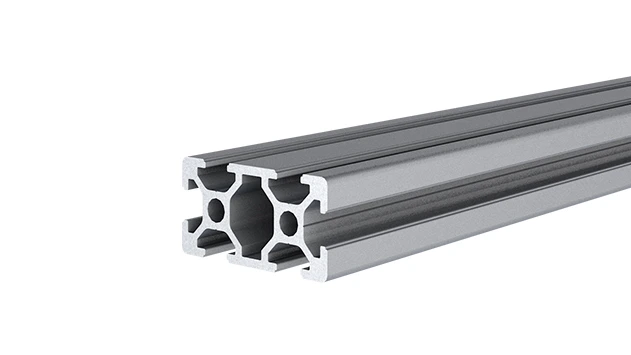
2040 is a 2.00 x 4.00CM fractional 20 series square extrusion T-slot profile with four open T-slots, two side with 2.00cm face, the other side with 4.00cm face. The profile has align-a-grooves to assist in aligning connecting profiles.
Walk into any modern manufacturing facility, and you'll quickly realize that the backbone of efficient production isn't just the machines—it's the spaces where people work. Workbenches, in particular, are the unsung heroes of the workshop. They're where assembly happens, where parts are inspected, where ideas take tangible form. But not all workbenches are created equal. If you've ever struggled with a wobbly wooden table that can't hold heavy tools, or a steel behemoth that's impossible to reconfigure when your workflow changes, you know the frustration of a workspace that works against you, not with you.
This is where lean principles meet smart design—and where the 2040 EU Standard Aluminum Profile steps in. In this article, we're diving deep into how this specific aluminum profile is revolutionizing lean workbench design, with a spotlight on Workbench E (single deck-without caster). We'll explore why aluminum has become the material of choice for forward-thinking workshops, how the 2040 profile's unique specs support lean goals, and why Workbench E isn't just a piece of furniture, but a tool for reducing waste, boosting productivity, and making every workday a little smoother.
What Exactly Is the 2040 EU Standard Aluminum Profile?
Let's start with the basics. If you're new to aluminum profiles, think of them as building blocks for industrial furniture and structures—strong, lightweight, and infinitely adaptable. The "2040" in its name refers to its dimensions: 20mm in width and 40mm in height. Simple enough, right? But those numbers tell only part of the story. The "EU Standard" tag is just as crucial. It means this profile meets strict European manufacturing standards for precision, durability, and consistency. No more guessing if the parts you order will fit together—EU standards ensure every 2040 profile, whether it's from Germany, Italy, or a trusted global supplier, will align perfectly with compatible accessories.
What makes this profile stand out? It's all in the design. The 2040 profile features a T-slot along its length—a groove that runs the entire way, allowing you to slide in accessories like brackets, connectors, or shelves without drilling holes or welding. Imagine building with Legos, but for grown-ups (and with a lot more weight capacity). This T-slot design is a game-changer for flexibility, which is why it's become a staple in lean systems worldwide.
Aluminum itself is a star here, too. It's lightweight enough that you can move or reconfigure structures without heavy machinery, but strong enough to support hundreds of pounds—think power tools, stacks of components, or even small assembly robots. It's also resistant to rust and corrosion, so unlike steel, it won't degrade in humid workshops or after accidental spills. And let's not forget aesthetics: aluminum has a clean, modern look that instantly upgrades a workshop's vibe, making it feel more professional and less like a cluttered garage.
Why Aluminum Profiles Are a Lean Dream Come True
Lean manufacturing is all about eliminating waste—whether that's wasted time, wasted space, or wasted effort. Traditional workbenches, often made of wood or solid steel, are full of waste. Wooden benches warp over time, so you end up replacing them every few years. Steel benches are heavy and fixed, so if your production line changes (and let's face it, in manufacturing, it always does), you're stuck with a bench that no longer fits your needs. Enter aluminum profiles, and suddenly, those wasteful habits start to disappear.
First, modularity. Lean systems thrive on adaptability. One month, you might need a workbench for small electronics assembly; the next, you might need to reconfigure it to test larger components. With the 2040 aluminum profile, you can disassemble and rebuild Workbench E in hours, not days. Add a shelf here, remove a tool rail there, adjust the height—all without special tools. That's the kind of flexibility that keeps production lines agile, even when customer demands shift overnight.
Second, durability that cuts long-term costs. Aluminum doesn't warp, rot, or rust, so Workbench E will outlast wooden or even steel benches (which, while strong, can corrode if not regularly painted). Over time, this means fewer replacements, less downtime, and lower maintenance costs. For lean managers, that's waste reduction in action—money saved on replacements is money that can go into other areas of improvement.
Third, ergonomics. Lean isn't just about efficiency; it's about people. A workbench that's too low forces workers to hunch over, leading to back pain and lost productivity. One that's too high causes shoulder strain. The 2040 profile, paired with adjustable aluminum profile accessories like height extenders or footrests, lets you tailor Workbench E to the people using it. Need it 36 inches high for assembly? No problem. 42 inches for a standing desk setup? Just swap out the legs. Happy workers are productive workers—and that's a lean win.

Workbench E (Single Deck-Without Caster): A Case Study in Lean Design
Now, let's zoom in on Workbench E. As the name suggests, it's a single-deck workbench without casters—meaning it's stationary by design. At first glance, you might wonder why "no casters" is a selling point. But in many lean environments, stability matters more than mobility. Think of tasks that require precision: assembling delicate electronics, soldering components, or inspecting parts for defects. A workbench that shifts even slightly can ruin hours of work. Workbench E's fixed design eliminates that risk, providing a rock-solid surface you can trust.
But don't mistake "stationary" for "rigid." Workbench E's frame is built entirely from 2040 EU standard aluminum profiles, which means every part of it is customizable. Let's break down its core components:
- The Frame: Four vertical 2040 profiles form the legs, connected by horizontal profiles at the top and bottom for stability. The T-slots in these profiles mean you can attach cross-braces, tool hooks, or even small shelves at any height.
- The Deck: The single deck (the work surface) is typically made of a durable material like plywood, MDF, or even anti-static laminate for electronics work. It's secured to the frame using aluminum profile accessories like bracket clamps, which grip the deck tightly without damaging it. Need to replace the deck after years of use? Just loosen the clamps and swap it out—no need to rebuild the entire bench.
- Adjustability: While Workbench E doesn't come with casters, its height is fully adjustable during assembly. By cutting the vertical 2040 profiles to your desired length (or using extendable leg accessories), you can set it to the perfect height for your team. This is a huge upgrade over fixed-height wooden benches, which often force workers into one-size-fits-all postures.
Let's put this into context with a real-world example. Imagine a small electronics manufacturer that produces both smartphone chargers and small circuit boards. Their old setup had two separate workbenches: one for chargers (too low for the circuit board team) and one for boards (too high for the charger assemblers). Space was tight, and training new employees meant teaching them to use two different workstations. Then they switched to Workbench E. By standardizing on the 2040 profile frame, they built two identical benches, each adjusted to the ideal height for their tasks. The T-slots let them add tool holders for soldering irons on one and screwdrivers on the other. Now, workers can switch between tasks without adjusting to a new bench, and the team saved 15 square feet of floor space by eliminating the redundant workbench. That's lean in action.
Aluminum Profile Accessories: The Secret to Workbench E's Versatility
A 2040 aluminum profile frame is only as good as the accessories you pair with it. Aluminum profile accessories are the unsung heroes that turn a basic frame into a fully functional workbench. Let's take a look at the must-have accessories that make Workbench E so adaptable:
Key Accessories for Workbench E:
- End Caps: These plastic or rubber caps snap onto the ends of the 2040 profiles, covering sharp edges and preventing dust or debris from getting inside the T-slots. Safety first, and they make the bench look polished, too.
- Angle Connectors: These small metal brackets fit into the T-slots to join two profiles at 90-degree angles (for corners) or 180-degrees (for extending a frame). They're secured with bolts that tighten into the slots, so no welding or drilling required.
- Deck Clamps: These specialized brackets grip the workbench deck and attach to the frame, keeping the surface flat and stable even under heavy loads. They're adjustable, so you can use decks of different thicknesses.
- Tool Rails: A simple aluminum bar with T-slots that mounts to the back of the bench, where you can hang tools, bins, or cable management clips. No more searching for a misplaced wrench—everything stays within arm's reach.
What's amazing is how these accessories let you evolve Workbench E over time. Let's say six months after setting up your bench, you start handling larger parts. You can add side shelves using extra 2040 profiles and angle connectors. If you switch to a new assembly process that requires anti-static protection, swap out the wooden deck for an anti-static laminate and add grounding clips via the T-slots. This adaptability is why lean managers love aluminum profiles: they grow with your business, so you never have to start from scratch.
Workbench E vs. Traditional Workbenches: A Lean Comparison
Still not convinced that Workbench E and the 2040 aluminum profile are worth the investment? Let's stack them up against the two most common alternatives: wooden workbenches and solid steel workbenches. The table below breaks down how they perform on key lean metrics like waste reduction, flexibility, and cost over time.
| Feature | Traditional Wooden Workbench | Solid Steel Workbench | Workbench E (2040 Aluminum Profile) |
|---|---|---|---|
| Weight | Heavy (hard to move, but not as bad as steel) | Extremely heavy (requires machinery to reposition) | Lightweight (two people can reconfigure the frame) |
| Assembly Time | 4-6 hours (cutting wood, drilling, sanding) | 8+ hours (welding, bolting heavy parts) | 1-2 hours (snap-together connectors, no special tools) |
| Customization | Limited (requires cutting new wood or drilling holes) | Almost none (welded joints can't be modified) | Unlimited (T-slots allow adding/removing parts anytime) |
| Durability | Low (warps with moisture, scratches easily; lasts 2-3 years) | High (rusts over time; lasts 5-7 years with maintenance) | Very High (corrosion-resistant; lasts 10+ years with minimal care) |
| Cost Over Time | High (needs replacement every few years) | High (expensive upfront + maintenance costs) | Low (higher upfront, but no replacement costs for a decade+) |
| Waste Reduction | Poor (wasted time replacing, wasted materials when discarded) | Fair (lasts longer, but no adaptability = waste when workflow changes) | Excellent (adapts to changes, minimal replacement waste) |
The data speaks for itself. Workbench E might have a higher upfront cost than a cheap wooden bench, but its longevity and adaptability make it far more cost-effective in the long run. And compared to steel, it's lighter, faster to assemble, and infinitely more flexible—all critical for lean systems that prioritize continuous improvement.
Real-World Results: How Workbench E Transformed a Small Assembly Line
Let's wrap up with a story from the field. A mid-sized automotive parts manufacturer in Poland was struggling with their assembly line for brake components. Their old setup used wooden workbenches that were uneven (due to warping) and cluttered with tools scattered across the surface. Workers spent 15-20 minutes each morning just organizing their stations, and the team was averaging 3% defective parts due to instability during assembly.
The lean manager on staff recommended switching to Workbench E with 2040 EU standard aluminum profiles. Within a week, the team had assembled three new benches, each customized with tool rails, anti-static decks (to protect sensitive components), and adjustable height legs. Here's what happened next:
- Setup time dropped by 75%: With tools hanging on the rail and parts bins attached to the T-slots, workers started each shift with everything in place. No more hunting for tools or rearranging parts.
- Defect rate fell to 0.5%: The stable aluminum frame eliminated bench wobble, so delicate brake components were assembled with precision.
- Space saved: The team consolidated from four wooden benches to three Workbench E setups, freeing up 30 square feet for a new inspection station.
- Worker satisfaction spiked: In a follow-up survey, 90% of the team reported less physical strain, thanks to the adjustable height and organized layout.
This isn't an isolated case. From electronics factories in Asia to aerospace workshops in Europe, Workbench E and the 2040 aluminum profile are proving that lean isn't just a theory—it's a practical, everyday solution that starts with the right tools.
Final Thoughts: Building a Lean Workspace That Empowers People
At the end of the day, lean manufacturing isn't about cutting costs at the expense of people. It's about creating systems that respect workers' time, skills, and well-being—systems where waste is minimized so that everyone can focus on what they do best: making great products. Workbench E, built with 2040 EU standard aluminum profiles, embodies this philosophy.
It's lightweight but strong, simple but adaptable, durable but affordable. It's a workbench that grows with your team, that turns chaos into order, and that proves small changes in workspace design can lead to big leaps in productivity. And when paired with the right aluminum profile accessories, it becomes more than just a surface to work on—it becomes a partner in your lean journey.
So if you're tired of workbenches that hold you back, consider this: the 2040 EU standard aluminum profile and Workbench E aren't just investments in equipment. They're investments in your team, your workflow, and the future of your business. Lean manufacturing starts with the basics, and the right workbench is as basic as it gets. Make it count.