- Company Articles
- Industry articles
- Industry standards
- 2040 National Standard Profile Maintenance: Tips for Long-Term Performance

2040 National Standard Profile Maintenance: Tips for Long-Term Performance
Related Product
2040 National Standard Profile
45° external bending joint, used for 45° external connection of two aluminum pipes.
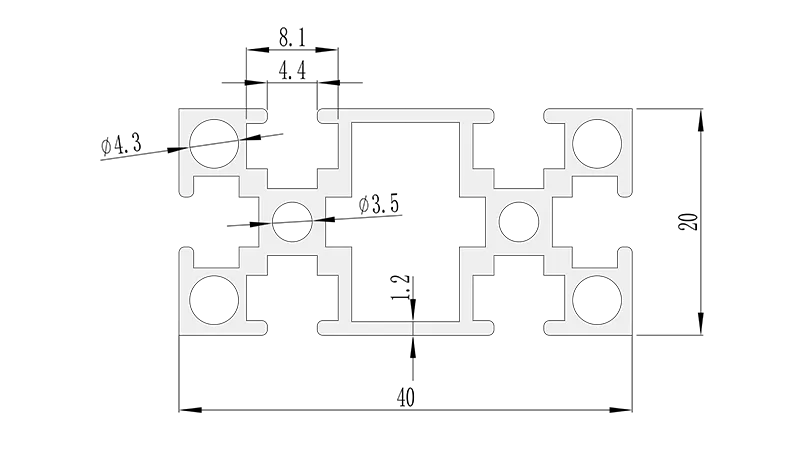
If you've ever walked through a manufacturing plant, a workshop, or even a modern office, chances are you've encountered the unsung hero of industrial and commercial setups: the 2040 National Standard Profile. This aluminum extrusion profile is everywhere—supporting workbenches, framing material racks, reinforcing conveyor systems, and forming the backbone of countless custom structures. Its popularity stems from a simple truth: it's lightweight yet surprisingly strong, corrosion-resistant, and infinitely adaptable, thanks to the array of aluminum profile accessories that let you build almost anything. But like any hardworking tool, it needs a little TLC to keep performing at its best. In this guide, we'll dive into practical, no-nonsense maintenance tips to ensure your 2040 National Standard Profile stays sturdy, reliable, and ready for action for years to come.
Understanding Your 2040 National Standard Profile
Before we jump into maintenance, let's take a quick moment to appreciate what makes this aluminum extrusion profile so special. The "2040" refers to its dimensions: 20mm in width and 40mm in height, a sweet spot that balances strength and versatility. Made from high-grade aluminum alloy, it's engineered to withstand daily wear and tear, but it's not indestructible. Unlike heavier steel profiles, aluminum is prone to scratches that can mar its finish, and while it resists rust, it can still corrode in harsh environments. Its T-slot design—those grooves running along its length—is both a blessing and a responsibility: they make it easy to attach accessories like adjustable leveling feet, brackets, and panels, but they also trap dust, debris, and moisture if neglected. Understanding these quirks is the first step to keeping your profile in top shape.
Daily Inspection: Catch Small Issues Before They Grow
Think of your 2040 National Standard Profile like a car: regular check-ups prevent breakdowns. A 5-minute daily inspection is all it takes to spot problems early. Start by walking around the structure—whether it's a workbench, a material rack, or a conveyor frame—and visually scan for obvious issues. Look for dents or bends, especially in high-traffic areas where tools or materials might bump into the profile. Even small dents can weaken the structure over time, so note their location and size. Next, run your hand along the surface (gently—no need to press hard) to feel for rough spots or scratches; these can be entry points for corrosion later.
Don't forget the T-slots! Use a flashlight to peer into the grooves—are they clogged with sawdust, metal shavings, or sticky residue? Debris here can make it hard to attach or adjust aluminum profile accessories later, and if left wet, it can lead to pitting. Check the joints where the profile connects to other pieces or accessories, too. Are the bolts loose? Is the aluminum profile accessories (like corner brackets or connectors) showing signs of wear, such as cracks or stripped threads? Finally, take a look at the base of the structure. If it's sitting on adjustable leveling feet, wiggle them gently—do they feel loose? Are the feet themselves worn or cracked? Loose leveling feet can make the entire structure wobbly, putting extra stress on the profile.
Cleaning Best Practices: Keep It Shiny, Keep It Strong
Aluminum might be low-maintenance, but it's not "no-maintenance." Dirt, oil, and even fingerprints can build up over time, and while they might seem harmless, they can hide underlying issues (like tiny scratches) or, in the case of oily residues, attract more dust. The good news? Cleaning your 2040 National Standard Profile is straightforward—you just need to avoid harsh chemicals or abrasive tools that can damage the finish.
For routine dust and light grime, a soft microfiber cloth or a feather duster works wonders. Start with the flat surfaces, then gently wipe along the T-slots to dislodge loose debris. If there's oil or grease (common in workshop settings), mix a few drops of mild dish soap with warm water and dip a sponge or cloth into the solution. Wring it out well—you want it damp, not soaking—and wipe the affected areas. Avoid scrubbing too hard; let the soap do the work to break down the oil. Rinse the cloth with clean water and wipe again to remove soap residue, then dry immediately with a clean towel to prevent water spots.
For tougher stains, like dried-on coolant or adhesive residue, a specialized aluminum cleaner (available at most hardware stores) can help. Always test it on a small, inconspicuous area first to make sure it doesn't discolor the profile. Never use steel wool, scouring pads, or abrasive cleaners—these will scratch the surface, creating tiny crevices where corrosion can take hold. And steer clear of bleach, ammonia, or acidic cleaners (like vinegar), which can eat away at the protective oxide layer that keeps aluminum from rusting.
Tackling T-Slots: The Hidden Maintenance Hotspot
The T-slots are what make the 2040 National Standard Profile so versatile—they're like the "legos" of industrial building, letting you slide in bolts or snap on aluminum profile accessories with ease. But they're also magnets for gunk. Sawdust, metal chips, and even spilled liquids can get trapped in there, and if left unchecked, they can corrode the aluminum from the inside out or make it impossible to adjust accessories later. So how do you keep them clean?
For dry debris, a small, soft-bristled brush (like a toothbrush or a paintbrush) is your best friend. Gently sweep along the length of the slot to dislodge dust and chips, then vacuum up the mess with a crevice tool attachment. If the slots are greasy or sticky, dip the brush in soapy water (the same mild solution from earlier), wring it out, and brush the slot, then wipe with a damp cloth and dry thoroughly. For really stubborn gunk, you can use a cotton swab dipped in isopropyl alcohol—just be careful not to leave any fibers behind. Pro tip: If you're not using a T-slot for a while, cover it with a strip of masking tape or a T-slot plug (available as part of aluminum profile accessories kits) to keep debris out.
Handling Wear and Tear: When to Repair, When to replace
Even with the best care, your 2040 National Standard Profile will show signs of aging eventually. The key is to know when a little fix is enough and when it's time to replace a part. Let's start with the obvious: dents and bends. Small dents (less than a few millimeters deep) in non-critical areas might not affect structural integrity, but deeper dents or bends—especially near joints—can weaken the profile. If the bend is in a load-bearing section (like the uprights of a workbench), don't risk it—replace the profile. For small dents, you can try gently tapping them out with a rubber mallet (never a metal hammer, which can cause more damage) from the inside of the profile, if possible.
Scratches are another common issue. Most shallow scratches are just cosmetic, but if they're deep enough to expose the raw aluminum underneath, they can lead to corrosion. To fix minor scratches, start by cleaning the area thoroughly with soap and water, then dry it completely. Apply a small amount of aluminum polish (like Mothers or Flitz) to a soft cloth and rub the scratch in a circular motion until it fades. For deeper scratches, you might need to sand the area lightly with 400-grit sandpaper first (always sand in the direction of the grain), then polish.
Don't forget about the aluminum profile accessories that keep everything together. Adjustable leveling feet, for example, take a lot of abuse—they're constantly supporting weight, getting kicked, or dragged across floors. If a leveling foot is cracked or the rubber pad is worn smooth, replace it immediately. Wobbly feet put extra stress on the profile, leading to premature fatigue. Similarly, check brackets, connectors, and bolts regularly. If a bolt is stripped or a connector is cracked, swap it out with a new one from your aluminum profile accessories stash. It's a small investment that prevents big headaches later.
Caring for Aluminum Profile Accessories: The Little Parts That Matter
Your 2040 National Standard Profile is only as strong as the accessories holding it together. Aluminum profile accessories like brackets, hinges, and connectors might seem minor, but they're critical to the structure's stability. Here's how to keep them in shape:
***Bolts and screws***: Over time and with vibration (common in workshops with machinery), bolts can loosen. Once a month or so, go through the structure with a wrench or screwdriver and gently tighten any loose fasteners. Don't over-tighten—aluminum is softer than steel, and stripping the threads is easy to do!
***Adjustable leveling feet***: These little heroes keep your structure stable on uneven floors. Check the rubber pads for wear—if they're cracked or flattened, replace them to prevent slipping and protect the floor. If the threaded part of the foot is stuck, apply a tiny amount of silicone-based lubricant (avoid oil-based lubes, which attract dust) and work it back and forth until it moves freely.
`enter code here`
***Connectors and brackets***: Inspect for cracks or deformation—these are signs of stress. If a bracket is bent, it might not grip the profile as tightly, so replace it. For metal connectors, a light wipe with a dry cloth to prevent dust buildup is usually enough. If they're in a humid environment and start to show signs of rust (yes, even metal accessories can rust!), gently sand the rust off with fine sandpaper and apply a thin coat of clear nail polish or rust inhibitor to protect them.
Environmental Protection: Shielding Against the Elements
Aluminum is naturally resistant to corrosion, but it's not immune—especially if it's exposed to harsh environments like high humidity, saltwater (near coastal areas), or chemicals (like in some manufacturing processes). Here's how to protect your 2040 National Standard Profile:
***Moisture*** is the biggest enemy. If your profile is in a damp area (like a basement workshop or a facility with frequent washing), make sure it's elevated off the ground using adjustable leveling feet or a base plate to prevent standing water from pooling around the bottom. Wipe up spills immediately, and consider using a dehumidifier if the area is consistently humid.
***Chemicals***: If the profile is near oils or solvents (common in automotive or industrial settings), clean up spills as soon as possible. Some chemicals can react with the aluminum's oxide layer, so refer to the manufacturer's guidelines for compatible cleaners if you're dealing with specific substances.
***UV exposure***: If your profile is outdoors (yes, some people use it for outdoor structures like greenhouses or kiosks), the sun's UV rays can fade the finish over time and make the aluminum more brittle. To protect it, apply a UV-resistant clear coat or paint designed for aluminum—just make sure to clean the profile thoroughly first to remove any dirt or oils that might prevent the coating from adhering.
Long-Term Storage: Keeping Spare Profiles in Pristine Condition
`enter code here`For many workshops, having spare profiles on hand is a must for quick repairs or new projects. But storing them improperly can turn those spares into a headache. Here's how to keep stored profiles ready to use: First, keep them dry. Store them in a clean, dry area—avoid basements with moisture or garages where they might get rained on if the door is left open. If you're storing them on the floor, place a pallet or a piece of plywood underneath to keep them off the ground and away from any standing water. Next, stack them carefully. Aluminum extrusion profiles are lightweight, but stacking them haphazardly can cause warping. Lay them flat on a level surface, and if stacking vertically, use supports at both ends to prevent bending. Avoid piling heavy objects on top of them—even a few pounds of pressure over time can warp the profile. Finally, cover them. A simple dust cover (like a bedsheet or a plastic tarp) will keep dust and debris off the profiles and out of the T-slots. If you're storing them for more than a few months, consider wiping each profile with a dry cloth and applying a light coat of silicone spray (avoiding the T-slots, which can get gummy) to protect against corrosion.Troubleshooting Common Issues: Quick Fixes for Everyday Problems
Even with regular maintenance, you might run into a few hiccups. Here are some common problems and how to solve them:
***Profile is wobbly***: Check the adjustable leveling feet first—they might be loose or worn. Tighten them or replace the feet if needed. If the feet are fine, inspect the joints—loose bolts or connectors are often the culprit. Tighten all fasteners and see if that stabilizes the structure.
***T-slots are stuck***: If you can't slide an accessory into a T-slot, it's probably clogged with debris. Use a brush and vacuum to clean the slot, then apply a tiny amount of dry graphite lubricant (never oil, which attracts dust) to the slot to help things glide.
***Corrosion spots***: If you notice small white or gray spots (aluminum corrosion), act fast. Clean the area with soap and water, then gently sand the spot with fine sandpaper until the corrosion is gone. Wipe away dust, then apply a thin coat of clear acrylic spray to protect the area.
Conclusion: Invest a Little Time, Save a Lot of Trouble
Your 2040 National Standard Profile works hard for you—supporting your projects, streamlining your workflow, and keeping your workspace organized. By taking a few minutes each day to inspect it, cleaning it regularly, caring for its aluminum profile accessories, and protecting it from the elements, you're not just extending its life—you're ensuring it stays safe, reliable, and ready to tackle whatever you throw at it. Remember, maintenance isn't a chore; it's an investment. A well-cared-for aluminum extrusion profile will save you time, money, and frustration down the line, letting you focus on what really matters: getting the job done. So grab that microfiber cloth, check those adjustable leveling feet, and give your 2040 National Standard Profile the attention it deserves—you'll be glad you did.
| Contaminant Type | Recommended Cleaner | Application Method | Notes |
|---|---|---|---|
| Dust and light debris | Soft microfiber cloth or feather duster | Wipe or dust surfaces; use a brush for T-slots | Avoid pushing debris into T-slots—brush outward gently |
| Oil and grease | Mild dish soap + warm water | Damp cloth (not soaking) with soapy water; wipe, then rinse with clean water | Dry immediately to prevent water spots |
| Fingerprints | Isopropyl alcohol (70%) on a soft cloth | Wipe gently, then dry with a clean cloth | Avoid excessive rubbing—alcohol can dull the finish if overused |
| Stubborn adhesive residue | Specialized aluminum cleaner (e.g., 3M Aluminum Cleaner) | Apply to a cloth, wipe residue, then rinse with water | Test on a hidden area first to check for discoloration |
| Corrosion spots | Mild soap + water, then fine sandpaper (400-grit) | Clean area, sand gently, wipe dust, apply clear acrylic spray | Act quickly—corrosion spreads if left untreated |