- Company Articles
- Industry articles
- Industry standards
- 2040 National Standard Profile Surface Treatment: Anodization vs Powder Coating

2040 National Standard Profile Surface Treatment: Anodization vs Powder Coating
Related Product
2040 National Standard Profile
45° external bending joint, used for 45° external connection of two aluminum pipes.
Walk into any modern factory, workshop, or even a well-organized garage, and you'll likely encounter a silent workhorse holding everything together: aluminum profiles. These sleek, modular structures form the backbone of assembly lines, workbenches, material racks, and countless other setups. But what makes them so reliable, even in the busiest, most demanding environments? A big part of the answer lies in their surface treatment. Today, we're diving deep into two of the most popular surface treatments for one of the most versatile profiles out there—the 2040 National Standard Profile—and breaking down the pros, cons, and real-world impact of anodization vs. powder coating.
The 2040 National Standard Profile: A Quick Introduction
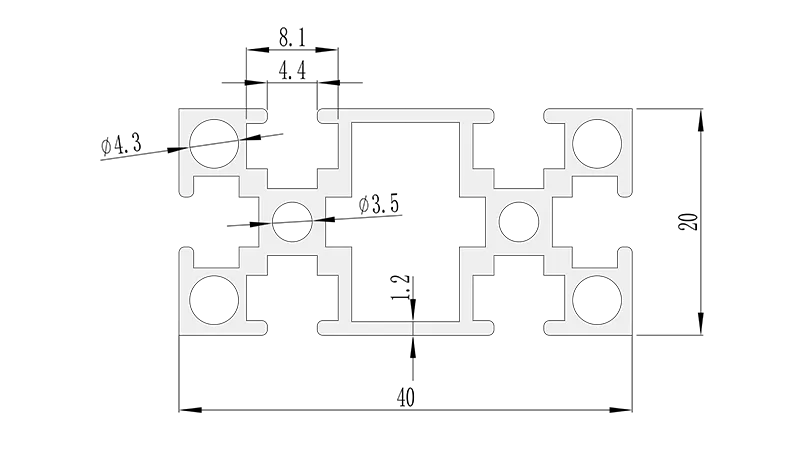
Before we jump into surface treatments, let's get to know the star of the show: the 2040 National Standard Profile. If you've ever assembled a sturdy shelf, built a custom workbench, or designed a material handling system, you've probably worked with this aluminum extrusion profile. As the name suggests, its cross-section typically measures 20mm by 40mm, making it a Goldilocks choice—small enough to be lightweight and flexible, yet robust enough to handle moderate to heavy loads. What really sets it apart, though, is its compatibility with a wide range of aluminum profile accessories, from brackets and connectors to end caps and hinges. This adaptability has made it a favorite in industries like manufacturing, logistics, and even DIY projects.
But here's the thing: raw aluminum, while strong and lightweight, isn't invincible. Exposed to moisture, chemicals, or even just the air, it can corrode, tarnish, or weaken over time. That's where surface treatment comes in. Think of it as a suit of armor for your 2040 profile—protecting it from the elements, enhancing its appearance, and even boosting its functionality. For a profile that's often the backbone of critical systems, choosing the right treatment isn't just about aesthetics; it's about ensuring your entire setup lasts for years, not months.
Why Surface Treatment Matters for Aluminum Profiles
Let's start with the basics: aluminum is naturally resistant to corrosion, thanks to a thin oxide layer that forms on its surface when exposed to oxygen. But in harsh environments—think high humidity, industrial chemicals, or coastal salt air—this natural layer isn't always enough. Surface treatment thickens and (strengthens) this protection, turning a good profile into a great one. Beyond corrosion resistance, surface treatments also impact other key factors:
- Aesthetics: Whether you need a sleek, professional look for a customer-facing display or a bold color to match your brand, surface treatments let you customize the profile's appearance.
- Durability: Treatments like powder coating add a tough outer layer that resists scratches, dents, and wear from daily use—critical for profiles in high-traffic areas.
- Functionality: Some treatments improve grip, reduce friction, or make cleaning easier—essential for applications like food processing or medical equipment.
For the 2040 National Standard Profile, which often balances heavy use with the need for a clean, professional look, the choice between anodization and powder coating can make or break its performance. Let's explore each treatment in detail.
Anodization: The Electrochemical Shield
How Anodization Works
Anodization is like giving your aluminum profile a supercharged version of its natural oxide layer—only thicker, harder, and more durable. Here's how it works: the profile is submerged in an electrolyte solution (usually sulfuric acid), and an electric current is passed through it. The aluminum acts as the anode (positive electrode), causing oxygen ions to bond with the aluminum surface. This creates a porous oxide layer (aluminum oxide) that's integrated into the metal itself, not just a coating on top.
After forming this layer, the profile can be dyed (since the pores absorb color) and then sealed. Sealing closes the pores, locking in the color and adding an extra layer of protection. The result? A finish that's part of the metal, not just a surface coating. It's like how a tattoo becomes part of your skin, rather than a sticker you can peel off.
The Pros of Anodizing Your 2040 Profile
Anodization has been a go-to treatment for aluminum extrusion profiles for decades, and for good reason:
- Natural, Long-Lasting Finish: Since the oxide layer is part of the metal, it won't chip, peel, or fade easily. Even if it gets scratched, the exposed aluminum will naturally re-form a thin oxide layer, preventing further damage.
- Corrosion Resistance: Anodized profiles hold up exceptionally well in wet or humid environments. That's why you'll often find them in coastal areas, kitchens, or cleanrooms where moisture is a constant concern.
- Low Maintenance: A quick wipe with a damp cloth is usually all it takes to keep anodized surfaces clean. They're resistant to fingerprints, stains, and most mild chemicals, making them ideal for high-touch areas like workbenches.
- Eco-Friendly: The anodization process uses water-based solutions and produces minimal waste compared to some other treatments. Plus, since the finish is durable, you won't need to re-coat or replace profiles as often—reducing long-term environmental impact.
The Cons to Consider
Anodization isn't perfect, though. Here are a few limitations to keep in mind:
- Limited Color Range: While you can dye anodized profiles in colors like black, gold, or bronze, the options are more limited than powder coating. Bright, neon, or custom shades are harder to achieve and often more expensive.
- Thin Coating: The oxide layer is typically only 5-20 microns thick (for reference, a human hair is about 50-100 microns). While hard, it's not as impact-resistant as powder coating—so if your 2040 profile will be bumped or hit frequently, it might show scratches more easily.
- Cost for Custom Colors: Standard anodized finishes (like clear or black) are affordable, but custom dyeing can drive up costs, especially for small batches.
Powder Coating: A Splash of Color with Durability
How Powder Coating Works
If anodization is like giving your profile a built-in shield, powder coating is more like wrapping it in a tough, colorful blanket. The process starts with a dry powder—made of resin, pigment, and additives—that's electrostatically charged and sprayed onto the aluminum surface. The charged powder sticks to the metal like a magnet, creating an even layer. The profile is then baked in an oven (usually around 180-200°C), causing the powder to melt, flow, and form a hard, smooth coating.
Unlike anodization, which modifies the metal's surface, powder coating adds a separate layer on top. This layer is thicker (typically 50-150 microns) and can be customized with almost any color, texture, or finish—glossy, matte, metallic, even textured like sandpaper or leather.
The Pros of Powder Coating Your 2040 Profile
Powder coating has skyrocketed in popularity over the past few decades, and it's easy to see why:
- Unlimited Color Options: Want your 2040 profile to match your brand's signature blue? Or maybe a bright red to stand out in a warehouse? Powder coating can do that. You can even mix custom shades or add effects like metallic flakes or patterns.
- Superior Impact Resistance: The thick, flexible coating acts like a cushion, absorbing bumps and dents that would scratch or dent anodized aluminum. This makes it a top choice for profiles in high-traffic areas, like retail displays or factory floors.
- Cost-Effective for Large Batches: Once the powder is mixed and the equipment is set up, powder coating large quantities of 2040 profiles is often cheaper than anodization. This makes it ideal for manufacturers producing standardized systems.
- UV Stability: Many powder coatings are formulated to resist fading in sunlight, making them great for outdoor applications like architectural railings or outdoor signage.
The Cons of Powder Coating
As with any treatment, powder coating has its drawbacks:
- Prone to Chipping: While tough, the coating is a separate layer from the aluminum. A hard enough impact can chip or crack it, exposing the raw metal underneath. And unlike anodization, the damaged area won't self-heal—it will need to be touched up.
- Harder to Repair: Small scratches or chips are tricky to fix without re-coating the entire profile. This can be a hassle if you need to make quick repairs in a busy workshop.
- Thicker Coating = Tighter Tolerances: The extra thickness of powder coating can affect how aluminum profile accessories fit. For example, a bracket designed for a 20mm width might feel snug on a powder-coated profile, requiring adjustments during assembly.
Anodization vs. Powder Coating: A Side-by-Side Comparison
To help you decide which treatment is right for your 2040 National Standard Profile, let's break down the key differences in a handy table:
| Feature | Anodization | Powder Coating |
|---|---|---|
| Coating Type | Integrated oxide layer (part of the metal) | External polymer coating (separate layer) |
| Thickness | 5-20 microns | 50-150 microns |
| Color Range | Limited (natural metals, black, gold, bronze) | Unlimited (any color, texture, or finish) |
| Corrosion Resistance | Excellent (especially in wet/humid environments) | Very good (but chipping can expose metal) |
| Impact Resistance | Moderate (prone to scratches) | High (thick coating absorbs impacts) |
| UV Stability | Good (natural colors fade less) | Excellent (with UV-resistant formulations) |
| Maintenance | Low (wipe clean; self-heals minor scratches) | Moderate (needs touch-ups for chips/scratches) |
| Cost (Small Batches) | Lower (standard colors) | Higher (setup costs for custom colors) |
| Cost (Large Batches) | Higher (custom colors expensive) | Lower (economies of scale) |
| Best For | Wet environments, high-touch surfaces, cleanrooms | Outdoor use, high-impact areas, brand-specific colors |
Choosing the Right Treatment: 5 Factors to Consider
Now that we've covered the basics, how do you decide between anodization and powder coating for your 2040 National Standard Profile? Here are five key questions to ask:
1. What's the Environment Like?
If your profile will live in a damp warehouse, a coastal area, or a kitchen with frequent water exposure, anodization's superior corrosion resistance is probably the way to go. On the flip side, if it's outdoors in direct sunlight, powder coating with UV protection will keep colors from fading. For dry, low-traffic indoor areas (like an office shelf), either treatment could work—so you might prioritize cost or aesthetics instead.
2. How Much Wear and Tear Will It Take?
A 2040 profile used as a workbench in a busy factory will see a lot of bumps, tool drops, and daily use. In that case, powder coating's thick, impact-resistant layer is a better bet. But if it's part of a cleanroom setup where it's rarely touched but needs to stay sterile, anodization's low-maintenance, easy-to-clean surface might be preferable.
3. What's Your Aesthetic Goal?
If you need a specific color to match your brand or a bold finish to make a display pop, powder coating is the clear winner. But if you prefer a sleek, industrial look (think brushed aluminum or matte black), anodization offers a more natural, understated elegance that's hard to replicate with powder.
4. What's Your Budget?
For small batches or custom colors, anodization is often cheaper upfront. But if you're producing hundreds of 2040 profiles for a large project, powder coating's economies of scale can save you money in the long run. Don't forget to factor in maintenance costs, too—powder coating might need touch-ups over time, while anodized profiles are mostly set-it-and-forget-it.
5. How Will It Integrate with Accessories?
Remember those aluminum profile accessories we mentioned earlier? Brackets, connectors, and hinges need to fit snugly with your 2040 profile. Powder coating's thicker layer can slightly increase the profile's dimensions, so you might need to adjust accessory sizes or drill holes slightly larger. Anodization, with its thinner layer, plays nicer with standard accessories—no extra modifications needed.
Real-World Examples: When to Choose Anodization vs. Powder Coating
Let's put this all into context with a few real-world scenarios:
Scenario 1: A Food Processing Workbench
In a food processing plant, the 2040 National Standard Profile is used to build workbenches where ingredients are prepped and packaged. The environment is wet (constant cleaning with water and sanitizers), and the surface needs to be non-porous to prevent bacterial growth. Anodization is the clear choice here—it resists corrosion from water and chemicals, is easy to wipe clean, and won't chip or peel, eliminating crevices where bacteria could hide.
Scenario 2: A Retail Display Stand
A clothing store wants a custom display stand made from 2040 profiles to match its brand's bright pink and white color scheme. The stand will be in a dry, indoor environment but needs to be eye-catching and durable enough to withstand customers leaning on it or bumping into it. Powder coating is perfect here—it can match the exact brand colors, and the thick coating will absorb impacts from daily foot traffic.
Scenario 3: A Coastal Warehouse Rack
A logistics company in Miami needs material racks built from 2040 profiles to store packages near the waterfront. The air is salty and humid, which can corrode metal quickly. Anodization's superior corrosion resistance will protect the racks from salt spray, ensuring they last for years without rusting or weakening.
Scenario 4: A School Science Lab Bench
A high school is upgrading its science labs with new workbenches using 2040 profiles. The benches need to be durable (students will drop tools), easy to clean (spills happen), and safe (no sharp edges or chipping). Here, powder coating might edge out anodization—the thicker layer can handle student mishaps, and a matte finish will hide scratches better than a shiny anodized surface.
The Bottom Line: It's All About Your Needs
At the end of the day, there's no "better" treatment—only the one that fits your specific needs. Anodization is the quiet, reliable workhorse—great for wet environments, low maintenance, and natural aesthetics. Powder coating is the creative chameleon—perfect for bold colors, high-impact areas, and brand consistency. And let's not forget the star of the show: the 2040 National Standard Profile. No matter which treatment you choose, this aluminum extrusion profile's strength, flexibility, and compatibility with aluminum profile accessories make it a foundation you can count on.
So, whether you're building a workbench, a display, or a full production line, take the time to think about your environment, budget, and goals. Your 2040 profile—and the entire system it supports—will thank you for it.