- Company Articles
- Industry articles
- Industry standards
- 2060 EU Standard Aluminum Profile: UV Resistance for Outdoor Applications

2060 EU Standard Aluminum Profile: UV Resistance for Outdoor Applications
Related Product
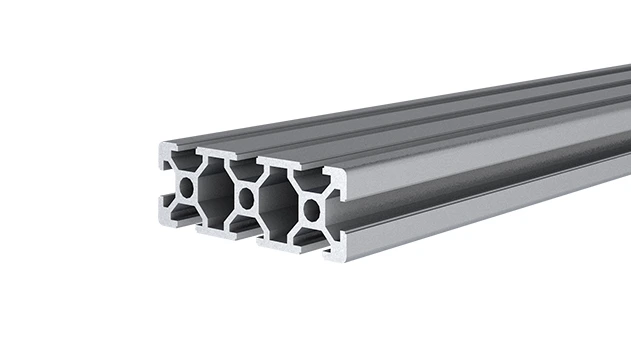
2060 EU Standard Aluminum Profile
2060 is a 2.00 x 4.00CM fractional 20 series square extrusion T-slot profile with four open T-slots, two side with 2.00cm face, the other side with 6.00cm face. The profile has align-a-grooves to assist in aligning connecting profiles.
Let's start with a familiar scenario: You're standing in the parking lot of your manufacturing facility, squinting against the midday sun. A row of old steel workbenches lines the wall—rust creeping along their edges, paint peeling in splotches where the UV rays have eaten through. Nearby, a plastic material rack sags under the weight of tools, its once-bright yellow surface now faded to a sickly cream. You've replaced these setups twice in three years, and the thought of shelling out again makes your jaw tighten. Sound familiar? If you've ever struggled with outdoor workspaces, storage areas, or lean system setups that can't stand up to the elements, you're not alone. But what if there was a material that laughed off the sun, shrugged off rain, and lasted for decades without breaking a sweat? Enter the 2060 EU Standard Aluminum Profile—a game-changer for anyone who needs durable, UV-resistant solutions for outdoor environments.
What Exactly Is the 2060 EU Standard Aluminum Profile?
First things first: Let's break down the basics. The "2060" in its name refers to its dimensions—20mm in width and 60mm in height. It's a slim, versatile profile, designed to balance strength with lightweight practicality. But what really sets it apart is the "EU Standard" label. This isn't just a marketing buzzword; it means the profile meets strict European union regulations for quality, safety, and environmental impact. From material composition to manufacturing processes, every step is audited to ensure consistency and reliability. For businesses operating in the EU or exporting to European markets, this compliance isn't just a nice-to-have—it's a necessity.
At its core, the 2060 profile is an aluminum extrusion profile . Extrusion is the process where raw aluminum alloy is heated, then forced through a die to create a specific cross-sectional shape. Think of it like squeezing toothpaste out of a tube—except the result is a rigid, precisely engineered length of metal. This method allows for intricate designs, and in the case of the 2060 profile, it creates a structure with internal ribs that boost strength without adding unnecessary weight. Most manufacturers use 6063-T5 aluminum alloy for this profile, a blend known for its excellent corrosion resistance, thermal conductivity, and formability. It's the same alloy used in window frames, door rails, and architectural trim—products that need to withstand years of weather exposure.
Why Aluminum? The Case for Outdoor Durability
Steel rusts, wood rots, plastic warps, and concrete cracks. So why is aluminum the unsung hero of outdoor applications? Let's start with its natural defenses. Aluminum forms a thin, invisible layer of aluminum oxide on its surface the moment it's exposed to air. This layer acts like a shield, preventing further oxidation (read: rust) and blocking moisture from seeping in. Unlike steel, which needs constant painting or coating to stay protected, aluminum's oxide layer self-repairs. Scratch it, and within hours, a new layer forms. That's why aluminum gutters, patio furniture, and marine parts last for decades with minimal upkeep.
But what about UV radiation—the silent enemy of outdoor materials? Sunlight's ultraviolet rays break down molecular bonds over time, leading to fading, brittleness, and structural weakening. Plastic becomes chalky, wood dries out and cracks, and even painted steel fades or peels as the paint's polymers degrade. Aluminum, however, is inherently UV-resistant. Its oxide layer doesn't absorb UV light; instead, it reflects it. This means the profile itself won't fade, become brittle, or lose strength, even after years of direct sunlight. Add an extra layer of protection—like anodizing or powder coating—and you've got a material that can handle the harshest solar conditions, from the scorching summers of Arizona to the intense UV of coastal Australia.
Weight is another factor. Aluminum is about one-third the weight of steel, making the 2060 profile easy to transport, install, and reconfigure. If you need to move a workbench or adjust a lean system setup outdoors, you won't need a forklift or a team of workers. A couple of people can lift and reposition these profiles, saving time and labor costs. And because they're lightweight but strong, they're ideal for overhead structures, shelving, or mobile units like turnover trolleys—applications where heavy materials would be impractical or dangerous.

UV Resistance: How the 2060 Profile Stands Up to the Sun
Let's get technical for a minute. UV radiation is measured in nanometers (nm), with UVA (320–400 nm) and UVB (280–320 nm) being the most damaging to materials. UVA penetrates deep, causing long-term degradation, while UVB is responsible for surface damage like fading. The 2060 aluminum profile's resistance to both starts with its composition. The 6063-T5 alloy contains magnesium and silicon, which enhance its structural stability under thermal stress—critical when outdoor temperatures swing from freezing nights to 100°F days. Unlike plastic, which softens in heat and hardens in cold (leading to cracks), aluminum maintains its shape and strength across a wide temperature range.
Anodizing takes this resistance a step further. Anodizing is an electrochemical process that thickens the oxide layer on the aluminum's surface, creating a hard, porous finish that can be dyed or sealed. For outdoor use, clear anodizing is popular—it adds a glossy, protective layer without altering the profile's natural silver color. The thickness of the anodized layer is measured in microns; most outdoor-rated 2060 profiles have an anodizing thickness of 10–15 microns, which exceeds EU standards for corrosion and UV resistance. Powder coating is another option: a dry powder is electrostatically applied and baked on, forming a tough, durable finish in any color. Unlike paint, powder coating doesn't chip or peel easily, and it's available in UV-stable formulas that resist fading for 10+ years.
To put this in perspective, let's compare. A steel workbench left outdoors without maintenance will start rusting within months, and its paint will fade noticeably after a year. A plastic material rack might last two years before it warps or cracks under UV exposure. A 2060 aluminum profile with anodized finish? It'll still look and perform like new after five years. In fact, many manufacturers offer warranties of 10–15 years for outdoor aluminum profiles, confident in their ability to withstand the elements.
Outdoor Applications: Where the 2060 Profile Shines
Now that we understand why the 2060 profile is UV-resistant and durable, let's talk about how you can use it. Outdoor workspaces are a big one. Imagine setting up a workbench in your warehouse yard for prepping materials before they enter the production line. It needs to hold tools, parts, and maybe even a small assembly station. A steel workbench would rust; a wooden one would rot; a plastic one would sag. The 2060 profile, though? Build a frame with 2060 rails, add a plywood or aluminum top, and you've got a sturdy, weatherproof surface that won't degrade. Add casters (another aluminum profile accessory ) and you can roll it indoors on rainy days—no heavy lifting required.
Lean system setups outdoors are another sweet spot. Lean manufacturing relies on efficient workflows, minimal waste, and flexibility—all of which the 2060 profile supports. For example, a material rack along an outdoor assembly line needs to feed parts to workers without jamming or breaking. The 2060 profile's lightweight strength makes it perfect for building flow racks or roller tracks. Add some roller track accessories (like plastic guide rails or swivel roller balls) and you've got a smooth, gravity-fed system that moves parts easily, even in the rain. Since the profile doesn't rust or warp, the rollers won't get stuck in corroded tracks—a common problem with steel setups.
Storage is another area. Outdoor tool sheds, parts bins, or even temporary inventory racks can be built with 2060 profiles. Unlike metal sheds that rust or plastic sheds that fade, an aluminum frame shed will stay strong and attractive. You can customize the size by cutting profiles to length and connecting them with aluminum profile accessories like corner brackets or T-slot connectors—no welding or special tools needed. And because aluminum is non-magnetic, it won't interfere with sensitive equipment or parts stored nearby.
Agricultural and landscaping businesses love the 2060 profile too. Greenhouse shelving, tool carts, and irrigation system supports all benefit from its rust resistance and UV stability. A greenhouse in Florida, for example, sees intense sunlight and high humidity—conditions that would destroy steel shelving in a year. The 2060 profile? It'll hold potted plants, soil bags, and equipment without a hint of corrosion, season after season.
Aluminum Profile Accessories: Making the 2060 Profile Even More Versatile
A profile is only as good as the accessories that connect it. The 2060 EU Standard Aluminum Profile works with a range of aluminum profile accessories designed to enhance its functionality outdoors. Let's start with connectors. Internal rotary aluminum joints, for example, let you pivot sections of a frame—useful for adjustable workbenches or foldable racks. 90° aluminum pipe joints create sturdy corners, while parallel fixation joints keep rails aligned, even under heavy loads. These joints are made from the same 6063-T5 alloy as the profile, so they match its UV and corrosion resistance—no weak links in the chain.
End caps are another must-have. They seal the ends of the profile, preventing water, dirt, or insects from getting inside. This is especially important outdoors, where rain or debris could clog internal channels and cause hidden corrosion (though aluminum's oxide layer minimizes this risk). End caps come in different colors, so you can match them to your profile's finish—black, silver, or even custom hues if you're going for a branded look.
Casters and wheels deserve a mention too. Outdoor setups often need mobility, and aluminum casters with rubber wheels are perfect. They're lightweight, rust-proof, and have brakes to keep your setup stable. Whether you're moving a workbench to chase the shade or repositioning a material rack for better workflow, casters turn a static structure into a flexible tool. And because they're made for aluminum profiles, they attach easily with T-slot bolts—no drilling required.
For workbenches or shelving, you'll want to add a top surface. Aluminum honeycomb panels are a great choice—lightweight, strong, and weatherproof. They fit perfectly on 2060 frames and can support heavy loads without sagging. If you need a non-slip surface, add a rubber mat or a textured powder coating to the panel. The possibilities are endless, thanks to the profile's T-slot design, which lets you attach accessories anywhere along the rail—no pre-drilled holes needed.
How Does It Compare? A Material Showdown
| Material | UV Resistance | Corrosion Resistance | Weight (per meter) | Est. Outdoor Lifespan | Maintenance Required |
|---|---|---|---|---|---|
| 2060 Aluminum Profile (Anodized) | Excellent (no fading/degradation) | Excellent (self-healing oxide layer) | ~0.8 kg | 15–20 years | Occasional cleaning with soap and water |
| Steel (Painted) | Poor (paint fades/peels in 1–2 years) | Poor (rusts if paint is damaged) | ~2.5 kg | 3–5 years (without repainting) | Annual repainting; rust removal |
| Plastic (PVC) | Poor (brittles/fades in 2–3 years) | Good (resists moisture) | ~0.5 kg | 3–5 years | None, but replacement needed when brittle |
| Wood (Treated) | Poor (dries/cracks, fades) | Fair (resists rot but not insects) | ~1.2 kg | 5–7 years | Annual sealing, termite treatment |
The table says it all: the 2060 aluminum profile outperforms traditional materials in UV resistance, corrosion resistance, and lifespan, while keeping weight low and maintenance minimal. It's an investment that pays off over time, saving you money on replacements and repairs.
Real-World Success: A Case Study
Let's hear from a business that switched to 2060 profiles. Maria runs a small automotive parts manufacturer in Spain, where summers hit 35°C (95°F) with intense UV radiation. For years, she used steel workbenches and material racks outdoors, but they rusted within 18 months, and the paint peeled so badly that parts would get stuck in the flaking debris. "We were replacing racks every two years, and the workbenches were always covered in rust stains," she recalls. "It was frustrating—we were spending money on replacements instead of growing the business."
Then, a supplier recommended the 2060 EU Standard Aluminum Profile. Maria was skeptical at first—aluminum seemed "too light" to hold heavy engine parts. But she agreed to test a small setup: a workbench and a 3-row material rack (similar to Material Rack B in the keyword list). Five years later, both structures are still in use. "The workbench hasn't rusted, the rack still feeds parts smoothly, and the color hasn't faded at all," she says. "We even moved the workbench once—two people lifted it easily. I wish we'd switched sooner."
Maria isn't alone. Across industries—from manufacturing to agriculture to logistics—businesses are ditching high-maintenance materials for aluminum profiles. The 2060 profile's combination of UV resistance, durability, and flexibility makes it a no-brainer for anyone tired of replacing outdoor equipment.
Caring for Your 2060 Profile: Minimal Effort, Maximum Lifespan
One of the best things about the 2060 profile is how little maintenance it needs. Here's what you need to do to keep it in top shape: Clean it occasionally with mild soap and water. A soft brush or cloth will remove dirt, pollen, or bird droppings—no harsh chemicals required. Avoid abrasive cleaners, which can scratch the anodized or powder-coated finish. If you live near the coast, rinse it with fresh water every few months to remove salt spray—salt can corrosion in some metals, but aluminum handles it well with a quick rinse.
Check connections annually. Over time, joints or bolts might loosen from vibration (like from nearby machinery or wind). Tighten them with a hex key—no special tools needed. If a joint is damaged, replace it with a new aluminum profile accessory ; they're inexpensive and easy to find. And if you notice a scratch in the anodized finish? Don't panic—remember, aluminum's oxide layer self-repairs. The scratch might look noticeable at first, but it won't lead to corrosion.
In freezing climates, remove snow or ice from horizontal surfaces (like workbench tops) to prevent excess weight, but the profile itself can handle sub-zero temperatures without cracking. Unlike plastic, which becomes brittle in the cold, aluminum remains ductile, so it won't shatter under impact.
The Bottom Line: Invest in Durability, Save in the Long Run
Outdoor workspaces, storage areas, and lean system setups don't have to be a headache. The 2060 EU Standard Aluminum Profile offers UV resistance, corrosion resistance, and durability that traditional materials can't match. It's lightweight, flexible, and easy to customize with aluminum profile accessories , making it ideal for everything from workbenches to material racks.
If you're tired of replacing rusted steel, faded plastic, or rotting wood, it's time to make the switch. The upfront cost of aluminum profiles is higher than some materials, but the long-term savings—fewer replacements, less maintenance, and better performance—make it worth every penny. Plus, you'll avoid the frustration of dealing with degraded equipment, freeing up time to focus on what really matters: growing your business.
So next time you're standing in that sun-baked parking lot, looking at your rusted steel workbench, remember: there's a better way. The 2060 profile isn't just a material—it's a solution that stands up to the sun, the rain, and the test of time. Your outdoor workspace deserves nothing less.