- Company Articles
- Industry articles
- Industry standards
- 3030 Aluminum Profile End Caps in Medical Devices: Compliance & Safety Standards

3030 Aluminum Profile End Caps in Medical Devices: Compliance & Safety Standards
Related Product
3030 Aluminum Profile End Cap
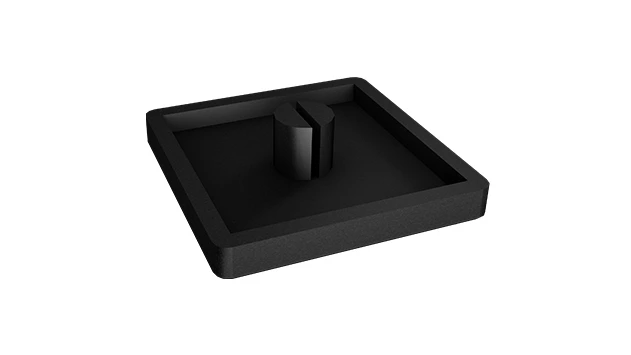
The aluminum profile end cap adds a finishing touch to your project and closes off profile ends to limit dust and debris buildup, also it can avaid some scratch for material and labor during the assemble work.
In the world of medical device manufacturing, precision isn't just a buzzword—it's a matter of life and death. Every component, no matter how small, plays a role in ensuring patient safety, operational efficiency, and regulatory compliance. Today, we're shining a spotlight on a component that often flies under the radar but is critical to the integrity of countless medical tools: the 3030 aluminum profile end cap. These unassuming accessories are the unsung heroes of medical workstations, surgical carts, and diagnostic equipment, ensuring that the aluminum extrusion profiles forming these devices are safe, durable, and up to the rigorous standards of healthcare environments.
What Are 3030 Aluminum Profile End Caps?
Before diving into their role in medical devices, let's start with the basics: what exactly are 3030 aluminum profile end caps? To understand this, we first need to talk about aluminum extrusion profiles. These profiles are lightweight, rigid structures made by pushing molten aluminum through a die to create specific cross-sectional shapes—think of them as the building blocks of everything from industrial frames to medical equipment. The "3030" in their name refers to their dimensions: 30mm in width and 30mm in height, making them a versatile choice for medium-duty applications.
Now, imagine an aluminum extrusion profile cut to length for a medical cart. The raw, cut end of the profile is often sharp, unfinished, and prone to collecting dust or moisture—none of which are acceptable in a sterile medical setting. This is where end caps come in. 3030 aluminum profile end caps are small, often cylindrical or rectangular pieces designed to fit snugly over the exposed ends of 3030 profiles. They're typically made from high-grade aluminum or durable plastic (though aluminum is preferred for medical use due to its strength and corrosion resistance) and are engineered to snap, screw, or press-fit into place, creating a smooth, sealed finish.
But they're more than just "caps." These accessories are part of a larger ecosystem of aluminum profile accessories, which includes connectors, brackets, and hinges, all working together to turn basic aluminum extrusion profiles into functional, safe, and compliant medical devices. In short, 3030 aluminum profile end caps are the final touch that transforms a raw component into a healthcare-ready part.
Why Medical Devices Rely on 3030 Aluminum Profile End Caps
You might be wondering: Why not just leave the ends of the profiles exposed, or use a cheaper plastic cap? In healthcare, the answer comes down to three critical factors: safety, compliance, and longevity. Let's break them down.
Patient and Staff Safety First
In a busy hospital or clinic, medical devices are in constant motion. Surgical workstations are wheeled between operating rooms, medication carts are pushed down corridors, and testing equipment is adjusted by nurses and technicians. An exposed aluminum profile end—even if deburred—can have micro-sharp edges that catch on gloves, scrubs, or skin, leading to cuts or tears. For patients with compromised immune systems, a small cut could lead to a serious infection. 3030 aluminum profile end caps eliminate this risk by creating a rounded, smooth surface that reduces the chance of injury.
Additionally, medical environments require strict infection control. Unsealed profile ends can trap dirt, bacteria, or moisture, becoming breeding grounds for pathogens. End caps seal off these cavities, making the device easier to clean and disinfect. Imagine a mobile ultrasound cart used in a neonatal unit: every surface must be wiped down with hospital-grade disinfectants multiple times a day. A properly fitted 3030 end cap ensures there are no hidden crevices where germs can linger, protecting vulnerable patients.
Structural Integrity and Longevity
Medical devices are investments. A high-quality surgical workstation or patient monitoring cart can cost thousands of dollars and is expected to last for years, even decades. Aluminum extrusion profiles are strong, but their ends are vulnerable to damage from impacts—like a cart accidentally hitting a wall or being dropped during maintenance. 3030 aluminum profile end caps act as a buffer, absorbing minor impacts and preventing dents or bending at the profile's weakest point. This not only extends the device's lifespan but also reduces the need for costly repairs or replacements, which is crucial for healthcare facilities operating on tight budgets.
Regulatory Compliance: A Non-Negotiable
Perhaps most importantly, 3030 aluminum profile end caps help medical device manufacturers meet the strict regulatory standards set by bodies like the FDA (Food and Drug Administration) in the U.S., ISO (International Organization for Standardization), and the EU's MDR (Medical Device Regulation). These standards aren't just guidelines—they're legal requirements. For example, ISO 13485, the international standard for medical device quality management systems, mandates that all components must be designed to "prevent contamination of the product and environment" and "minimize the risk of errors." A sharp, unsealed profile end would violate both of these mandates.
Manufacturers must also provide documentation proving that every component, including end caps, meets these standards. This means 3030 aluminum profile end caps are often tested for durability (can they withstand repeated cleaning?), chemical resistance (do they hold up to harsh disinfectants?), and biocompatibility (are they non-toxic if they come into contact with skin or bodily fluids?). Without compliant end caps, a medical device can't legally be sold or used in clinical settings.

Compliance Standards: What 3030 Aluminum Profile End Caps Must Meet
Compliance isn't a one-size-fits-all concept. Depending on the device's use and the region it's sold in, 3030 aluminum profile end caps must adhere to multiple standards. Let's take a closer look at the most critical ones.
ISO 13485: Quality Management for Medical Devices
ISO 13485 is the gold standard for medical device manufacturing. It sets out requirements for quality management systems, including component design, production, and testing. For 3030 aluminum profile end caps, this means:
- Consistent manufacturing processes: End caps must be produced with minimal variation to ensure they fit 3030 profiles correctly every time. A loose end cap could fall off, exposing the profile and violating safety standards.
- Traceability: Manufacturers must track each batch of end caps from raw material to finished product. If a defect is found, they need to quickly identify which devices might be affected.
- Risk management: End caps must be tested for potential risks, like breakage during use or chemical reactions with disinfectants. Any risks must be mitigated before the product reaches the market.
FDA Regulations: Ensuring Safety in the U.S.
In the United States, the FDA classifies medical devices based on their risk level (Class I, II, or III). Most devices using 3030 aluminum profile end caps—like surgical carts or workbenches—fall into Class I or II. For these, the FDA requires that components like end caps are "safe and effective" and meet the agency's Good Manufacturing Practices (GMPs). This includes testing for:
- Durability: End caps must withstand normal use, including impacts, vibrations, and temperature changes (from cold storage rooms to warm operating theaters).
- Biocompatibility: Since end caps may come into contact with patients or staff, they must not cause allergic reactions or release harmful substances. This often involves testing with skin irritation studies.
- Cleanability: End caps must be designed to be easily cleaned and disinfected without degrading. The FDA may review cleaning protocols to ensure they're effective at removing pathogens.
EU MDR: Stringent Requirements for the European Market
The EU's Medical Device Regulation (MDR) is even more stringent than previous EU directives. It requires that all medical device components, including 3030 aluminum profile end caps, undergo rigorous testing and documentation. Key MDR requirements include:
- Clinical evaluation: Manufacturers must provide evidence that end caps are safe for their intended use, often through clinical data or equivalence to already approved components.
- Post-market surveillance: Even after approval, manufacturers must monitor end caps for defects and report any issues to regulatory authorities.
- Labeling: End caps must be labeled with information like material composition, batch numbers, and compliance marks (e.g., CE marking).
Comparison of Aluminum Profile End Caps for Medical Use
| Aluminum Profile Size | End Cap Material Thickness | Key Compliance Certifications | Common Medical Applications |
|---|---|---|---|
| 2020 (20mm x 20mm) | 0.8–1.0mm | ISO 13485, FDA Class I | Small diagnostic tools, lightweight medical carts |
| 3030 (30mm x 30mm) | 1.0–1.2mm | ISO 13485, FDA Class I/II, EU MDR | Surgical workstations, medication carts, patient monitors |
| 4040 (40mm x 40mm) | 1.2–1.5mm | ISO 13485, FDA Class II/III, EU MDR | Heavy-duty equipment, surgical tables, MRI machine frames |

Safety Considerations Beyond Compliance
While compliance with standards like ISO 13485 and FDA regulations is mandatory, leading manufacturers go above and beyond to ensure 3030 aluminum profile end caps enhance safety in real-world healthcare settings. Here are some of the key safety features to look for:
Infection Control: Smooth Surfaces and No Hidden Gaps
Healthcare-associated infections (HAIs) are a major concern, affecting millions of patients worldwide each year. One of the easiest ways to reduce HAIs is by designing medical devices that are easy to clean. 3030 aluminum profile end caps with seamless, gap-free designs prevent bacteria, viruses, and other pathogens from hiding in crevices. Some manufacturers even add antimicrobial coatings to their end caps, though these must be tested to ensure they don't leach harmful chemicals or lose effectiveness over time.
Impact Resistance: Withstanding the Hustle of Healthcare
Hospitals are busy places. A medical cart might be wheeled down a hallway, bumped into a doorframe, or loaded with heavy equipment. 3030 aluminum profile end caps must be tough enough to absorb these impacts without cracking, chipping, or falling off. High-quality end caps are often made from aluminum alloys (like 6061 or 6063) known for their strength and ductility, which allows them to bend slightly under impact rather than breaking.
Chemical Resistance: Standing Up to Harsh Disinfectants
Medical devices are cleaned with some of the harshest chemicals in any industry: bleach, hydrogen peroxide, quaternary ammonium compounds, and more. These chemicals can degrade low-quality plastics or coatings, leading to end cap failure. 3030 aluminum profile end caps made from anodized aluminum are particularly resistant to these chemicals. Anodization creates a protective oxide layer on the aluminum's surface, preventing corrosion and ensuring the end cap remains intact even after years of daily cleaning.
Ergonomics: Comfort for Healthcare Staff
Healthcare workers often spend hours adjusting, moving, or using medical devices. End caps with rounded edges and smooth finishes reduce hand fatigue and discomfort when pushing carts or adjusting workstations. For example, a nurse pushing a medication cart with sharp, unprotected profile ends might develop blisters or calluses over time. 3030 aluminum profile end caps eliminate this risk, making the device more comfortable to use during long shifts.
Manufacturing 3030 Aluminum Profile End Caps: Precision and Care
Creating 3030 aluminum profile end caps that meet medical standards isn't a simple process. It requires precision engineering, strict quality control, and a deep understanding of both aluminum extrusion profiles and medical device requirements. Let's walk through the typical manufacturing steps:
Step 1: Raw Material Selection
The process starts with choosing the right aluminum alloy. For medical end caps, alloys like 6061-T6 or 6063-T5 are preferred. These alloys offer a balance of strength, corrosion resistance, and machinability. The aluminum is sourced from suppliers who provide material certifications, ensuring it meets purity standards and is free from contaminants that could affect biocompatibility.
Step 2: Extrusion or Machining
Most 3030 aluminum profile end caps are either extruded or machined. Extrusion involves pushing molten aluminum through a die to create the basic shape, which is then cut to length. Machining, on the other hand, uses CNC machines to carve the end cap from a solid block of aluminum, allowing for more complex designs. For medical use, machining is often preferred for its precision—ensuring the end cap fits the 3030 profile exactly.
Step 3: Surface Treatment
After shaping, the end caps undergo surface treatment. Anodization is the most common process for medical end caps. This electrochemical process creates a thick, porous oxide layer on the aluminum's surface, which is then sealed to make it non-porous. Anodized end caps are more corrosion-resistant, easier to clean, and have a smooth, uniform finish that resists scratches.
Step 4: Quality Testing
Before leaving the factory, every batch of 3030 aluminum profile end caps undergoes rigorous testing. This includes:
- Dimensional checks: Using calipers and gauges to ensure end caps fit 3030 profiles within tight tolerances (often ±0.1mm).
- Impact testing: Dropping or striking end caps to simulate real-world impacts and check for breakage.
- Chemical resistance testing: Exposing end caps to common disinfectants to ensure they don't degrade or discolor.
- Biocompatibility testing: Conducting skin irritation and cytotoxicity tests to ensure safety for human contact.
Real-World Applications: How 3030 End Caps Improve Medical Devices
To truly understand the importance of 3030 aluminum profile end caps, let's look at some common medical devices where they play a critical role:
Surgical Workstations
Surgical workstations are the command centers of the operating room, holding instruments, sutures, and supplies. They're typically built using 3030 aluminum extrusion profiles for their lightweight yet sturdy design. 3030 end caps ensure the workstation's edges are smooth, preventing surgeons or nurses from catching gloves or gowns during procedures. They also seal the profile ends, making the workstation easy to disinfect between surgeries—a must for preventing cross-contamination.
Medical Carts
From medication carts to emergency crash carts, these mobile units are essential for patient care. 3030 aluminum profile end caps on cart frames protect against impacts (like hitting a wall in a hurry) and ensure the carts can be wiped down quickly with disinfectants. In pediatric units, where carts are often at eye level for small children, smooth end caps also reduce the risk of injury if a child bumps into the cart.
Patient Monitoring Equipment
Devices like EKG machines and blood pressure monitors often have aluminum frames to keep them lightweight and portable. 3030 end caps on these frames prevent dust and moisture from entering the device's internal components, extending its lifespan and reducing the risk of malfunctions during critical patient monitoring.
Laboratory Testing Benches
In medical labs, testing benches must be sterile, durable, and easy to clean. 3030 aluminum profile end caps on bench frames ensure there are no sharp edges where samples could be spilled or contamination could hide. They also help the benches withstand the weight of heavy equipment, like centrifuges or microscopes, without deforming.
The Future of 3030 Aluminum Profile End Caps in Medical Devices
As medical technology advances, so too do the requirements for components like 3030 aluminum profile end caps. Here are some trends shaping their future:
Smart End Caps with Embedded Sensors
Imagine end caps that can monitor temperature, humidity, or even bacterial levels on a medical device. While still in development, some manufacturers are exploring embedding tiny sensors into end caps to provide real-time data on device conditions. This could help healthcare facilities track cleaning schedules or identify potential issues before they lead to equipment failure.
Sustainable Manufacturing
With a growing focus on sustainability, manufacturers are looking for ways to reduce waste and energy use in end cap production. This includes using recycled aluminum alloys and optimizing machining processes to minimize scrap. Some are even developing biodegradable plastic end caps for non-critical applications, though aluminum remains the preferred choice for durability and compliance.
Customization for Specialized Devices
As medical devices become more specialized (e.g., for robotic surgery or telemedicine), end caps will need to be custom-designed to fit unique profiles. Advances in 3D printing may allow for on-demand production of custom end caps, reducing lead times and ensuring a perfect fit for even the most complex devices.
Conclusion: Small Component, Big Impact
3030 aluminum profile end caps may be small, but their role in medical device safety and compliance is enormous. From preventing infections to ensuring regulatory approval, these unassuming accessories are critical to the healthcare industry. As medical technology continues to evolve, the demand for high-quality, compliant end caps will only grow—driven by a shared commitment to patient safety, operational efficiency, and innovation.
So the next time you see a medical cart gliding down a hospital hallway or a surgeon preparing instruments on a workstation, take a moment to appreciate the 3030 aluminum profile end caps that help make those devices safe, reliable, and ready to save lives. After all, in healthcare, every detail matters—and these small components are proof of that.