- Company Articles
- Industry articles
- Industry standards
- 3030a EU Standard Aluminum Profile Certification for Medical Industry Compliance

3030a EU Standard Aluminum Profile Certification for Medical Industry Compliance
Related Product
3030A EU Standard Aluminum Profile
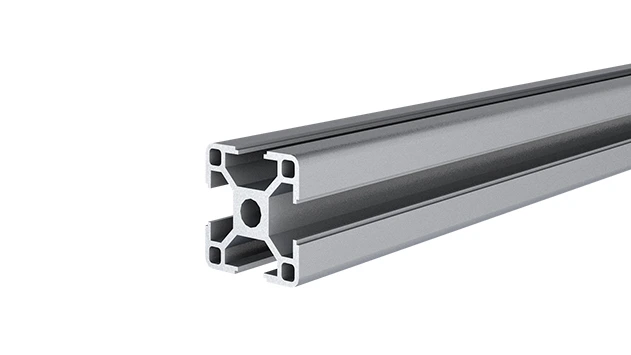
3030 is a 3.00 x 3.00CM fractional 30 series square extrusion T-slot profile with four open T-slots, each side with 3.00cm face. The profile has align-a-grooves to assist in aligning connecting profiles.
In the high-stakes world of healthcare, every component in a medical facility—from surgical tools to lab workbenches—plays a role in patient safety and operational efficiency. Among these components, aluminum profiles have emerged as unsung heroes, offering a unique blend of durability, adaptability, and compliance. But not all aluminum profiles are created equal. For medical settings, where regulations are strict and precision is non-negotiable, the 3030a EU standard aluminum profile stands out as a gold standard. This article explores why this specific profile has become a cornerstone of medical industry compliance, diving into its certification, applications, and the critical role it plays in fostering safe, efficient healthcare environments.
Why Materials Matter in Medical Environments
Walk into any modern hospital, lab, or medical device manufacturing plant, and you'll notice a relentless focus on two priorities: safety and efficiency. Every surface, piece of equipment, and storage system must meet rigorous standards to prevent contamination, reduce errors, and support the demanding workflows of healthcare professionals. Materials here aren't just about strength—they're about hygiene, adaptability, and long-term reliability.
Take, for example, a laboratory workbench where technicians handle sensitive samples or a material rack storing surgical instruments. These surfaces must resist corrosion from frequent cleaning with harsh disinfectants, support heavy loads without warping, and avoid harboring bacteria in cracks or crevices. They must also be adaptable; medical facilities often need to reconfigure spaces quickly to accommodate new equipment, changing patient volumes, or emerging research needs. Rigid, one-size-fits-all solutions simply won't cut it.
This is where aluminum profiles shine. Unlike stainless steel (which is heavy and less modular) or plastic (which lacks durability), aluminum offers a balance of lightweight strength, corrosion resistance, and design flexibility. But to truly meet medical standards, not just any aluminum profile will do. Enter the 3030a EU standard aluminum profile—a material engineered from the ground up to align with the strictest European regulations for medical environments.
The Basics: What Is 3030a EU Standard Aluminum Profile?
At its core, the 3030a EU standard aluminum profile is a precision-engineered extrusion with a cross-sectional dimension of 30mm x 30mm—hence the "3030" in its name. The "a" denotes a specific configuration within the EU standard lineup, characterized by its T-slot design, wall thickness, and material composition. But to call it just a "metal bar" would be a disservice. This profile is the result of meticulous engineering, designed to meet the unique demands of regulated industries like healthcare.
Material Composition: More Than Just Aluminum
The 3030a profile is typically made from 6063-T5 aluminum alloy, a grade prized for its excellent extrudability, corrosion resistance, and mechanical properties. This alloy contains magnesium and silicon, which form intermetallic compounds during heat treatment, giving the profile its strength (tensile strength of around 180 MPa) and ductility. For medical applications, this composition is critical: it resists rust and degradation even when exposed to frequent cleaning with alcohol, bleach, or other disinfectants—common in operating rooms and labs.
Surface Treatment: Anodization for Hygiene and Durability
What truly sets the 3030a apart is its surface finish. Most medical-grade 3030a profiles undergo anodization—a process where the aluminum surface is electrochemically treated to form a protective oxide layer. This layer is non-porous, scratch-resistant, and easy to clean, making it ideal for environments where sterility is paramount. Unlike painted surfaces, which can chip or peel over time (creating hiding spots for bacteria), anodized aluminum maintains its integrity for years, even with daily wear and tear.
T-Slot Design: The Key to Modularity
Perhaps the most innovative feature of the 3030a profile is its T-slot design. Running along its length are grooves (or "slots") that allow for quick, tool-free attachment of accessories—think brackets, shelves, panels, or hinges. This modularity is a game-changer for medical facilities. Need to add a shelf to a workbench? Slide in a bracket. Reconfigure a material rack to store taller equipment? Swap out connectors. This flexibility not only reduces downtime during setup but also future-proofs facilities against changing needs—an essential trait in an industry where technology and protocols evolve rapidly.

EU Certification: Meeting the Strictest Medical Standards
For any material to be used in medical environments, certification isn't optional—it's a legal and ethical requirement. The European union, in particular, has some of the world's most stringent regulations governing medical devices and facility components, outlined in the Medical Device Regulation (MDR) 2017/746 and ISO 13485, the international standard for medical device quality management systems.
What Does "EU Standard" Mean for 3030a?
The "EU standard" label on 3030a profiles signifies that the product has undergone rigorous testing to meet specific criteria for medical use. This includes:
- Material Safety: Compliance with REACH (Registration, Evaluation, Authorization, and Restriction of Chemicals) to ensure no harmful substances (like lead or cadmium) are present. For medical settings, this is critical to prevent chemical leaching into the environment or contact with patients.
- Mechanical Performance: Testing for load-bearing capacity, flexural strength, and impact resistance. A 3030a profile used in a workbench, for example, must support heavy equipment without bending or deforming over time.
- Hygiene Compliance: Verification that the surface finish (anodization) is non-porous and resistant to bacterial growth. Tests often include exposure to common pathogens like Staphylococcus aureus and E. coli to ensure the profile doesn't harbor microbes.
- Corrosion Resistance: Exposure to salt spray, acids, and alkaline solutions (simulating frequent cleaning) to confirm the profile won't degrade. This is measured using the ISO 9227 standard, with medical-grade profiles typically requiring a minimum of 500 hours of resistance without red rust.
ISO 13485: A Seal of Quality for Manufacturers
Beyond material-specific tests, manufacturers of 3030a profiles for the medical industry must also adhere to ISO 13485. This standard focuses on quality management systems, ensuring that every step of production—from raw material sourcing to extrusion, anodization, and packaging—is controlled and documented. For healthcare facilities, this means traceability: if a component fails, there's a clear record of its origin, production batch, and testing results. In an industry where accountability is critical, this level of transparency is invaluable.
Critical Compliance Factors: How 3030a Profiles Meet Medical Needs
Certifications are important, but they're just the starting point. What truly makes the 3030a profile indispensable in medical settings is how it addresses specific compliance challenges. Let's break down the key areas where it excels.
Hygiene: A Non-Negotiable for Patient Safety
Medical environments are breeding grounds for bacteria and viruses, making rigorous cleaning protocols a daily necessity. Surfaces must withstand repeated wiping with disinfectants, steam cleaning, or even autoclaving (for some components). The 3030a profile's anodized surface is designed for this reality: its smooth, non-porous finish leaves no room for dirt, grime, or bacteria to hide. Unlike wood (which can splinter) or untreated steel (which can rust), anodized aluminum resists pitting and staining, ensuring that even after years of use, it remains easy to sanitize.
Consider a busy hospital pharmacy where medications are prepared. The workbench here must be cleaned multiple times a day to prevent cross-contamination. A 3030a-based workbench, with its seamless surface and rounded edges (to avoid sharp corners that trap debris), simplifies this process. Staff can wipe it down quickly, confident that no residue is left behind—a small detail that makes a big difference in preventing medication errors or infections.
Modularity: Supporting Lean Systems in Healthcare
Lean principles—focused on reducing waste and improving workflow—have become increasingly important in healthcare, where every second counts. A lean system in a medical facility might involve optimizing the layout of a lab to minimize technician movement, or designing storage racks that ensure essential tools are always within reach. The 3030a profile's T-slot design is tailor-made for this.
For example, a lab handling COVID-19 samples might need to expand testing capacity suddenly. With 3030a profiles, technicians can quickly assemble additional workbenches or extend existing material racks using aluminum profile accessories like 90° connectors or end caps. No welding, no custom fabrication—just modular components that snap together. This agility not only reduces downtime but also ensures the new setup still meets compliance standards, as all accessories are designed to work seamlessly with the 3030a profile.
Durability: Long-Term Reliability in High-Stress Environments
Medical equipment isn't cheap, and neither is downtime. A material rack that collapses under the weight of surgical tools or a workbench that warps under heat can disrupt operations and compromise safety. The 3030a profile's 6063-T5 alloy and extrusion process make it remarkably durable. Its wall thickness (typically 1.5mm) provides rigidity without adding unnecessary weight, while its uniform structure ensures consistent strength across its length.
In practice, this means a 3030a-based material rack can support hundreds of pounds of equipment for decades, even in high-traffic areas like hospital corridors. Its resistance to impact (from carts, gurneys, or accidental bumps) also reduces the risk of damage, ensuring that compliance isn't compromised by wear and tear.
Real-World Applications: 3030a Profiles in Action
To understand the 3030a profile's impact, let's look at how it's used in everyday medical settings. From workbenches to storage systems, its versatility makes it a staple in facilities worldwide.
Workbenches: The Heart of Lab and Manufacturing Operations
A workbench is more than just a table in a medical lab or device manufacturing plant—it's a precision workspace where accuracy can mean the difference between a successful test and a failed one, or a safe device and a defective product. 3030a profiles are the backbone of these workbenches, offering the stability needed for delicate tasks (like microchip assembly for medical devices) and the adaptability to add accessories like LED task lights, tool holders, or ESD (electrostatic discharge) mats.
Take, for instance, a workbench used in a dental implant manufacturing facility. Here, technicians need to position tiny components with micrometer precision. A 3030a frame ensures the workbench doesn't vibrate or shift, while adjustable height settings (made possible by modular leg components) allow technicians to work comfortably, reducing fatigue. The anodized surface also resists scratches from tools, ensuring the workspace remains level and precise over time.
Material Racks: Organizing Sensitive Equipment Safely
Medical facilities store a staggering array of items: from sterile surgical kits to fragile glassware, and from expensive imaging equipment to bulk supplies like gloves and masks. Material racks built with 3030a profiles offer a secure, organized solution. These racks can be customized with shelves of varying heights, dividers, or even roller tracks (for easy sliding of heavy boxes). And because they're modular, they can grow with the facility—adding a shelf or expanding a section is as simple as adding a few more profiles and connectors.
In a neonatal intensive care unit (NICU), where space is tight and every item must be within arm's reach, 3030a-based material racks are a lifesaver. They can be designed to fit in small corners, with shelves adjusted to hold incubator supplies, medications, and monitoring equipment. The lightweight nature of aluminum also means the racks can be moved if needed (with locking casters), without compromising stability.
Cleanrooms: Precision in Controlled Environments
Cleanrooms—used in pharmaceutical manufacturing or semiconductor production for medical devices—require the highest level of contamination control. Even tiny particles can ruin a batch of medication or render a device ineffective. 3030a profiles are ideal here because they don't shed particles (unlike some plastics) and can be easily integrated with HEPA-filtered enclosures. Their smooth surfaces also resist static buildup, which is critical for preventing dust from adhering to sensitive components.
Case Study: How a Medical Device Manufacturer Improved Compliance with 3030a Profiles
A leading manufacturer of pacemakers was struggling with compliance issues in its assembly line. Their existing workbenches, made from steel, were heavy and difficult to reconfigure, leading to bottlenecks when production needs changed. Worse, the steel surfaces were prone to rusting after repeated cleaning, failing their annual ISO 13485 audit.
The solution? A switch to 3030a EU standard aluminum profiles. The manufacturer replaced all steel workbenches with modular 3030a-based systems, using aluminum profile accessories to add tool holders, cable management trays, and ESD mats. The results were immediate: setup time for new production lines dropped by 40%, and the anodized aluminum surfaces passed cleaning tests with flying colors. In their next audit, the facility received zero non-conformities related to workspace hygiene or adaptability—a testament to the 3030a profile's role in simplifying compliance.
Why 3030a Stands Out: Comparing Materials for Medical Use
It's worth asking: why not use stainless steel, plastic, or another aluminum alloy? Let's compare the 3030a profile to common alternatives to see why it's the top choice.
3030a vs. Stainless Steel: Lightweight Strength vs. Heft
Stainless steel is strong and corrosion-resistant, but it's heavy—making it difficult to reconfigure. A stainless steel workbench might weigh twice as much as a 3030a-based one, making it impractical for lean systems that require frequent adjustments. Stainless steel is also more expensive to fabricate, as welding is often needed. The 3030a profile, by contrast, is lightweight (about 2.7 g/cm³ vs. stainless steel's 7.9 g/cm³) and requires no welding—saving time and money.
3030a vs. Plastic: Durability vs. Flexibility
Plastic profiles are cheap and lightweight, but they lack the strength needed for heavy loads. A plastic workbench might warp under the weight of a microscope, and it's prone to scratching, which creates hiding spots for bacteria. 3030a aluminum, with its alloy composition and anodization, offers the best of both worlds: light enough to move, strong enough to last, and hygienic enough for medical use.
3030a vs. Other Aluminum Alloys: Precision vs. Generality
Not all aluminum profiles meet EU medical standards. Some lower-grade alloys (like 1100 series) are too soft for load-bearing applications, while others (like 7075) are strong but prone to corrosion. The 3030a's 6063-T5 alloy strikes a balance, offering the right mix of strength, corrosion resistance, and extrudability—critical for creating the precise T-slot design that enables modularity.
The Future of Medical Compliance: 3030a Profiles and Beyond
As medical technology advances, so too will the demands on facility components. The rise of telemedicine, personalized medicine, and AI-driven diagnostics will require more flexible, connected workspaces. The 3030a EU standard aluminum profile is well-positioned to meet these needs, thanks to its modular design and adaptability.
Looking ahead, we may see even more specialized variants—profiles with integrated sensors to monitor surface cleanliness, or conductive anodization to enhance ESD protection for sensitive electronics. But for now, the 3030a profile remains the benchmark, a material that doesn't just meet compliance standards but elevates them. It's a reminder that in healthcare, the smallest details—like the aluminum profile in a workbench—can have a profound impact on patient safety and operational success.
Conclusion: Investing in Compliance, Investing in Care
The 3030a EU standard aluminum profile isn't just a building material—it's a commitment to compliance, safety, and efficiency. In medical environments where the stakes are life-or-death, its certification, durability, and modularity make it an indispensable tool. Whether it's supporting a lean system in a lab, ensuring a workbench stays hygienic in a pharmacy, or organizing supplies in a NICU, this profile plays a quiet but critical role in delivering better care.
For medical facility managers, manufacturers, and suppliers, choosing 3030a profiles isn't just about checking a box on a compliance form. It's about investing in a future where healthcare environments are safer, more adaptable, and better equipped to meet the challenges of tomorrow. And in the end, that's what healthcare is all about: putting patients first, one carefully chosen component at a time.