- Company Articles
- Industry articles
- Industry standards
- 3030a EU Standard Aluminum Profile: Environmental Impact & Sustainability

3030a EU Standard Aluminum Profile: Environmental Impact & Sustainability
Related Product
3030A EU Standard Aluminum Profile
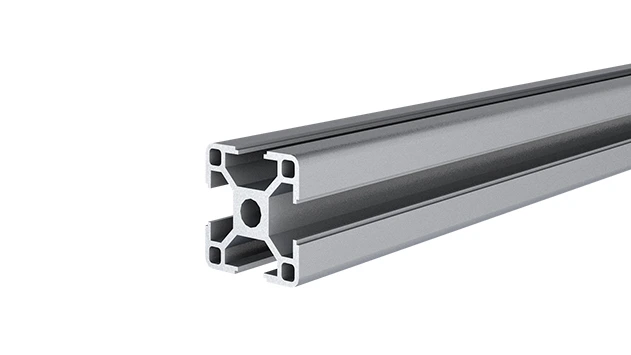
3030 is a 3.00 x 3.00CM fractional 30 series square extrusion T-slot profile with four open T-slots, each side with 3.00cm face. The profile has align-a-grooves to assist in aligning connecting profiles.
In today's manufacturing landscape, the push for sustainability isn't just a trend—it's a responsibility. Factories, warehouses, and production facilities worldwide are rethinking every component, from heavy machinery to the smallest workbench, asking: Does this choice protect our planet while still delivering the efficiency we need? Enter the 3030a EU Standard Aluminum Profile—a quiet workhorse that's changing the game. More than just a piece of metal, it's a symbol of how intentional design can bridge productivity and environmental care. Let's dive into what makes this profile stand out, its environmental footprint, and why it's becoming a cornerstone for sustainable operations.
What is the 3030a EU Standard Aluminum Profile?
First, let's get to know the basics. The 3030a EU Standard Aluminum Profile is a versatile, extruded aluminum component defined by its dimensions: 30mm in width and 30mm in height, with a "a" designation that refers to its specific groove design and wall thickness (typically 1.5mm to 2mm, depending on the manufacturer). But its "EU Standard" label is what truly sets it apart. This isn't just a marketing term—it means the profile meets strict European union regulations for quality, safety, and environmental performance. Think CE marking, RoHS compliance (restricting hazardous substances), and adherence to energy efficiency guidelines during production.
What makes it so popular? Unlike rigid steel structures or flimsy plastic alternatives, the 3030a profile is lightweight yet surprisingly strong. Its T-slot design—those grooves running along its length—lets you attach accessories like brackets, connectors, and panels with ease, turning it into anything from a workbench frame to a material rack. And because it's aluminum, it brings a host of sustainability benefits that other materials can't match. But to understand that, we need to start at the beginning: how it's made.
From Bauxite to Bench: The Environmental Journey of Aluminum Extrusion
Aluminum doesn't start as the sleek, silver profile you see in factories. Its journey begins with bauxite, a reddish ore found in the earth. Mining bauxite does have an environmental impact—like any extraction process—but here's the kicker: aluminum is infinitely recyclable. That means the 3030a profile you use today could have been a soda can 10 years ago, a window frame 20 years before that, and a bicycle frame before that. Unlike plastic, which degrades over time, or steel, which loses quality with each recycle, aluminum retains 100% of its properties no matter how many times it's reprocessed. That's a game-changer for sustainability.
The production process, called aluminum extrusion profile manufacturing, is where the 3030a's eco-credentials really start to shine. Here's how it works: after mining, bauxite is refined into alumina (aluminum oxide), then smelted into pure aluminum through electrolysis. This initial smelting uses a lot of energy, but once the aluminum is in its pure form, recycling it uses just 5% of that energy. That's like comparing the energy needed to drive from New York to Los Angeles versus walking a single city block. For the 3030a profile, most manufacturers now use a high percentage of recycled aluminum (often 70-90%) in their extrusion process, slashing the carbon footprint from the start.
Extrusion itself is a marvel of efficiency. Imagine squeezing toothpaste from a tube—except the "toothpaste" is heated aluminum billet, and the "tube" is a precision die shaped like the 3030a's cross-section. This process creates minimal waste because the aluminum is formed exactly to the desired shape, with little trimming needed. Any scrap from cutting or finishing is simply recycled back into the production line, creating a closed loop that keeps waste out of landfills.

Sustainability Features: Why 3030a Stands Out
The 3030a isn't just "less bad" for the environment—it's actively good. Let's break down its key sustainability features:
1. Infinite Recyclability
As mentioned, aluminum never loses its quality when recycled. A 3030a profile that's no longer needed in a workbench can be shredded, melted down, and re-extruded into a new profile, a solar panel frame, or even a smartphone case. This circularity means that once aluminum is mined, it stays in the economy forever, reducing the need for new bauxite extraction.
2. Modularity = Less Waste
The T-slot design of the 3030a isn't just for convenience—it's for sustainability. With the right aluminum profile accessories (think end caps, hinges, and connectors), you can reconfigure the profile into endless setups. A workbench today might become a material rack tomorrow, or a conveyor frame next month. This modularity means you rarely need to buy new materials; instead, you repurpose what you already have. Compare that to fixed wooden or steel structures, which often end up in landfills when a factory reorganizes its layout.
3. Durability = Longevity
Aluminum is naturally resistant to corrosion, thanks to a thin oxide layer that forms on its surface. This means the 3030a profile can withstand years of use in busy factories, even in humid or dusty environments, without rusting or degrading. A longer lifespan equals fewer replacements, which translates to less energy and resources spent on manufacturing new components.
4. Lightweight = Lower Transport Emissions
Aluminum is about one-third the weight of steel. When shipping 3030a profiles from the supplier to the factory, this lightness reduces fuel consumption for trucks, trains, or ships. Over time, those savings add up to significant reductions in carbon emissions—especially for global lean system suppliers that ship components worldwide.
Comparing Sustainability: 3030a vs. Other Materials
To truly appreciate the 3030a's impact, let's compare it to common alternatives in manufacturing:
| Material | Recyclability Rate (%) | Energy Use (kWh/kg Produced) | Average Lifespan (Years) | Waste from Reconfiguration |
|---|---|---|---|---|
| 3030a Aluminum Profile | 95+ | 5 (recycled) / 150 (primary) | 15-20 | Minimal (modular, reusable) |
| Steel Profile | 85 | 25 (recycled) / 35 (primary) | 10-15 | High (difficult to reconfigure) |
| Wooden Structure | 30 (limited recycling) | 10 (harvesting + processing) | 5-8 (prone to rot/pests) | Very High (disposable, cannot be reused) |
| Plastic Composite | 5-10 (depending on type) | 60-80 | 3-5 (prone to warping/cracking) | High (cannot be reconfigured, non-biodegradable) |
The numbers speak for themselves. The 3030a aluminum profile outperforms steel, wood, and plastic in nearly every sustainability metric—especially when considering its recyclability and modularity. Even when using primary (non-recycled) aluminum, its energy use is offset by its longevity and recyclability, making it a smarter long-term investment for the planet.
Applications in Lean Systems: Making Sustainability Practical
Sustainability doesn't work if it slows down production—that's why the 3030a is a favorite in lean system setups. Lean manufacturing focuses on minimizing waste (time, materials, energy) while maximizing value, and the 3030a aligns perfectly with this philosophy. Here are some common applications where it shines:
Workbenches and Assembly Stations
A typical factory workbench needs to be sturdy, adjustable, and easy to customize. The 3030a profile, paired with accessories like aluminum honeycomb panels or ESD (electrostatic discharge) tops, creates workbenches that can adapt to different tasks. When a production line changes, you don't need a new workbench—just reconfigure the 3030a frame and swap out the top. This reduces waste and keeps workers efficient.
Material Racks and Flow Racks
Storing parts and components efficiently is key to lean operations. The 3030a profile is ideal for building material racks (like the "material rack b (3 row and 3 floor)" design) and flow racks, where gravity feeds parts to workers. Its strength supports heavy loads, while its lightweight nature makes the racks easy to move if the production layout shifts. Unlike fixed steel racks, these can be disassembled and rebuilt with zero waste.
Turnover Trolleys and Conveyors
Moving materials around a factory requires durable, lightweight trolleys and conveyors. The 3030a profile forms the frame of these systems, paired with caster wheels and roller tracks. Because it's light, workers can push trolleys with less effort, reducing fatigue and energy use. And when the trolley is no longer needed, the profile is recycled—no landfill-bound waste.
The Role of Aluminum Profile Accessories
A profile is only as good as its accessories, and the 3030a's ecosystem of aluminum profile accessories amplifies its sustainability. These small components—end caps, connectors, hinges, and brackets—are designed to work seamlessly with the profile, ensuring that reconfiguration is quick and waste-free. For example:
- Internal straight aluminum joints let you connect two 3030a profiles at any angle without welding, making disassembly easy.
- Plastic roller track guide rails (yellow or grey) snap into the T-slots, creating smooth conveyor surfaces that can be replaced individually if worn, instead of replacing the entire track.
- Adjustable leveling feet stabilize workbenches on uneven floors, extending their lifespan by preventing wobbling and stress on the frame.
These accessories are also made from recycled or recyclable materials, ensuring the entire system—profile and parts—stays in the circular economy.
Real-World Impact: A Case Study
Let's look at how the 3030a profile transformed sustainability for a mid-sized electronics manufacturer, "EcoElectronics," based in Germany. Before switching to 3030a, the company used steel workbenches and wooden material racks. Here's what changed:
Before: Steel and Wood
- Workbenches and racks were fixed; reorganizing the factory required buying new ones, sending old structures to landfills (10-15 tons of waste annually).
- Steel racks were heavy, increasing forklift fuel use by 20%.
- Wooden racks rotted in humid conditions, needing replacement every 3-4 years.
After: 3030a Aluminum Profiles
- Modular workbenches and racks were reconfigured 3 times in 5 years with zero waste.
- Lightweight aluminum reduced forklift fuel use by 15%.
- Corrosion-resistant profiles lasted 12+ years, with no need for replacement.
- Recycled aluminum content in profiles cut the company's carbon footprint by 30%.
EcoElectronics now reports saving €25,000 annually on material costs and waste disposal, proving that sustainability can also boost the bottom line.
Future Trends: Making 3030a Even Greener
The 3030a profile is already a sustainability leader, but manufacturers are pushing further. Here are emerging trends:
Higher Recycled Content
Suppliers are increasing the percentage of post-consumer recycled aluminum in 3030a profiles, aiming for 100% recycled content by 2030. This reduces reliance on bauxite mining and cuts energy use even more.
Low-Carbon Extrusion
Extrusion facilities are switching to renewable energy (solar, wind) to power their plants, further lowering the carbon footprint of 3030a production.
Smart Design for Disassembly
New aluminum profile accessories are being developed to make disassembly even easier, with quick-release hinges and tool-free connectors. This will make recycling the profile even more efficient.
Conclusion: Small Profile, Big Impact
The 3030a EU Standard Aluminum Profile may seem like a small part of the manufacturing puzzle, but its impact is enormous. By prioritizing recyclability, modularity, and durability, it proves that sustainability and efficiency can go hand in hand. For lean system suppliers , factory managers, and workers alike, it's more than a component—it's a tool to build a future where manufacturing respects the planet without sacrificing productivity.
As we continue to strive for greener operations, the 3030a profile stands as a reminder that every choice matters. So the next time you walk through a factory, take a closer look at those silver frames holding up workbenches or material racks. Chances are, they're 3030a profiles—quietly doing their part to make manufacturing sustainable, one T-slot at a time.