- Company Articles
- Industry articles
- Industry standards
- 3030a EU Standard Aluminum Profile: Surface Treatment Options & Finishes

3030a EU Standard Aluminum Profile: Surface Treatment Options & Finishes
Related Product
3030A EU Standard Aluminum Profile
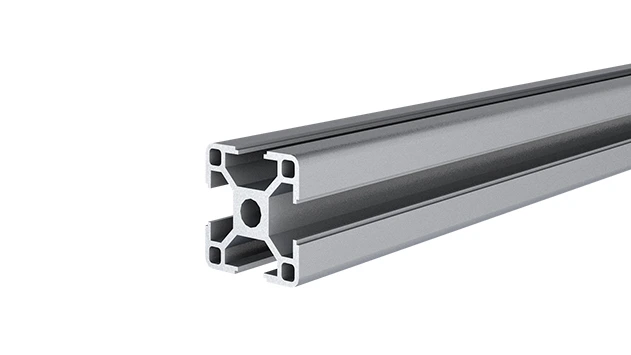
3030 is a 3.00 x 3.00CM fractional 30 series square extrusion T-slot profile with four open T-slots, each side with 3.00cm face. The profile has align-a-grooves to assist in aligning connecting profiles.
Walk into any modern factory, workshop, or logistics hub, and you'll likely spot the 3030a EU standard aluminum profile hard at work. It's the backbone of sturdy workbench setups, the framework for efficient material rack b (3 row and 3 floor) systems, and a key component in lean manufacturing lines. But what makes this profile so versatile? Beyond its structural strength and modular design, much of its appeal lies in the variety of surface treatments and finishes available—each tailored to protect, enhance, and adapt the profile to specific environments and needs. In this guide, we'll dive deep into the world of surface treatments for 3030a aluminum profiles, exploring how they work, their unique benefits, and how to choose the right one for your project.
Understanding the 3030a EU Standard Aluminum Profile
Before we jump into surface treatments, let's take a moment to appreciate the profile itself. The 3030a is part of the EU standard aluminum extrusion family, named for its approximate dimensions: 30mm in width and 30mm in height. Its T-slot design—those grooves running along its length—makes it a favorite for modular builds, allowing easy attachment of aluminum profile accessories like brackets, connectors, and panels. This flexibility is why it's used in everything from lightweight shelving to heavy-duty industrial workstations.
But aluminum, while strong and lightweight, is naturally prone to corrosion and wear. Without proper treatment, exposure to moisture, chemicals, or even just daily use can dull its appearance and weaken its structure over time. That's where surface treatments come in: they act as a shield, enhancing durability, improving aesthetics, and extending the profile's lifespan. Let's explore the most common options.
Anodizing: The Gold Standard for Durability
How It Works
Anodizing is perhaps the most popular surface treatment for aluminum profiles, and for good reason. It's an electrochemical process that converts the profile's surface into a hard, porous oxide layer, integral to the aluminum itself (not just a coating). Here's a simplified breakdown:
1. Cleaning: The profile is first stripped of oils, dirt, and oxides using a series of chemical baths. This ensures the anodizing layer adheres evenly.
2. Etching: A mild acid bath (usually nitric or phosphoric) gently etches the surface, creating a uniform texture that helps the oxide layer bond.
3. Anodizing: The profile is submerged in an electrolyte solution (typically sulfuric acid) and connected to a positive electrode. When an electric current is applied, oxygen ions react with the aluminum, forming a thick layer of aluminum oxide (Al₂O₃) on the surface. The thickness of this layer can be controlled—common options range from 5µm (decorative) to 25µm (heavy-duty industrial).
4. Sealing: Finally, the porous oxide layer is sealed (often with hot water or nickel acetate) to close the pores, locking in protection and preventing contamination.
Benefits of Anodizing
Anodizing offers a host of advantages, making it ideal for high-wear or corrosive environments:
- Corrosion Resistance: The oxide layer acts as a barrier, protecting the aluminum from moisture, salt, and chemicals. This is why anodized 3030a profiles are a top choice for outdoor racks or humid factory settings.
- Scratch & Wear Resistance: Anodized surfaces are harder than raw aluminum (up to 300 HV on the Vickers scale), standing up to daily knocks from tools, parts, or forklifts—perfect for busy workbench tops or material handling systems.
- Color Stability: Unlike paint, the color in anodized finishes is integrated into the oxide layer (via dyeing before sealing). This means it resists fading from UV exposure, keeping profiles looking fresh even in sunlit areas.
- Natural Aesthetics: Clear anodizing preserves aluminum's natural silver tone with a subtle matte sheen, while dyed options (black, gold, blue, etc.) add a pop of color without hiding the metal's texture.
Common Anodizing Finishes
Anodizing finishes are categorized by thickness and color:
- Clear Anodized (Type II): The most common option, with a thickness of 5-10µm. It offers basic protection and a clean, industrial look—great for lean system components where functionality matters most.
- Hard Anodized (Type III): Thicker (15-25µm) and denser, this finish is designed for extreme durability. It's often used in heavy machinery or outdoor applications where corrosion and abrasion are major concerns.
- Dyed Anodized: After anodizing, the porous oxide layer can absorb organic dyes, resulting in vibrant colors like black, red, or green. RAL color matching is available for brand consistency.

Powder Coating: Colorful, Tough, and Customizable
How It Works
If anodizing is about durability, powder coating is about versatility—especially when it comes to color and texture. Unlike liquid paint, powder coating uses finely ground particles of pigment and resin, electrostatically charged and sprayed onto the aluminum profile. The profile is then baked in an oven (around 180-200°C), melting the powder into a smooth, hard film that bonds to the surface.
Benefits of Powder Coating
Powder coating has surged in popularity for its aesthetic flexibility and robust performance:
- Unlimited Color Options: From bold primary hues to subtle pastels, metallic finishes to matte tones, powder coating can match nearly any RAL or Pantone color. This makes it ideal for branding—imagine a material rack b (3 row and 3 floor) in your company's signature blue.
- Thick, Even Coverage: The electrostatic process ensures the powder adheres evenly, even on complex shapes or T-slot edges, eliminating drips or runs common with liquid paint.
- Scratch & Impact Resistance: Once cured, the powder forms a tough, flexible layer that resists chipping and dents. It's a great choice for high-traffic areas, like workshop workbench legs or mobile trolleys.
- Eco-Friendly: Powder coating produces little to no volatile organic compounds (VOCs), making it a greener alternative to solvent-based paints. Overspray can also be recycled, reducing waste.
Popular Powder Coating Finishes
Powder coating finishes vary by texture and sheen:
- Matte: A low-gloss finish (10-30% sheen) that hides fingerprints and scratches, perfect for busy work areas where appearance needs to stay consistent.
- Satin: A balanced finish (30-60% sheen) with a soft glow—versatile enough for both industrial and office-like settings.
- Gloss: High-shine (60%+ sheen) for a polished, professional look, often used in showrooms or customer-facing areas.
- Textured: Options like hammertone or wrinkle finishes add grip and hide minor imperfections, ideal for handles or surfaces that need extra traction.
Electrophoresis: Precision Coating for Complex Shapes
How It Works
Electrophoresis (also called e-coating) is a lesser-known but highly effective treatment, particularly for profiles with intricate designs or hard-to-reach areas. The process involves submerging the profile in a water-based paint bath containing charged pigment particles. When an electric current is applied, the particles are drawn to the profile (acting as the opposite electrode), depositing a uniform coating. The profile is then baked to cure the finish.
Why Choose Electrophoresis?
Electrophoresis shines in scenarios where even coverage is critical:
- Complex Geometries: The electric field ensures the coating reaches every nook and cranny—ideal for 3030a profiles with T-slots, holes, or custom cutouts.
- Thin, Uniform Layers: Coating thickness is tightly controlled (typically 10-20µm), avoiding drips or unevenness. This makes it great for parts that need a sleek, consistent look.
- Corrosion Protection: E-coatings are highly adhesive and resistant to salt spray, making them a solid choice for marine or coastal applications, or anywhere humidity is high.
The downside? Color options are more limited than powder coating, and the finish is usually thin (so less scratch-resistant than anodizing or powder coating). It's often used as a base coat under powder coating for extra protection.
Mechanical Finishes: Texture and Style Without Chemicals
Not all surface treatments involve chemicals or electricity. Mechanical finishes use physical processes to alter the aluminum's surface texture, enhancing aesthetics or preparing it for other treatments. Here are the most common types:
Brushing
Brushing uses abrasive belts or wheels to create fine, parallel lines on the surface. The result is a sleek, industrial look with a subtle grain—think of the brushed aluminum finish on kitchen appliances. Brushed finishes are popular for workbench tops or display racks, where a clean, modern aesthetic is desired. They're also easy to maintain; minor scratches can often be buffed out with a soft cloth.
Polishing
Polishing involves grinding and buffing the surface to a mirror-like shine. It's labor-intensive but creates a high-end, reflective finish that's perfect for decorative elements or customer-facing displays. However, polished aluminum is prone to fingerprints and scratches, so it's best paired with a clear anodized or powder coating topcoat for protection.
Sandblasting
Sandblasting uses high-pressure air to propel abrasive particles (like sand or glass beads) at the aluminum surface, creating a uniform matte texture. The result is a soft, non-reflective finish that hides fingerprints and minor blemishes. Sandblasted profiles are often used in medical or cleanroom settings, where a sterile, low-glare surface is needed, or as a base for powder coating to improve adhesion.
Which Treatment Is Right for You? A Practical Guide
With so many options, choosing the right surface treatment can feel overwhelming. Here's a framework to narrow it down, based on your project's needs:
1. Environment
- Indoor, Low Wear: A basic clear anodize or powder coat (matte or satin) will suffice. For lean system components that don't see heavy use, this balances cost and performance.
- Indoor, High Wear: Hard anodizing or thick powder coating (80-120µm) is better for workbench tops, tool racks, or material handling equipment that gets daily abuse.
- Outdoor or Humid: Anodizing (especially hard anodizing) or electrophoresis + powder coating combo offers the best corrosion resistance. Avoid untreated polished finishes here—they'll tarnish quickly.
- Chemically Exposed: Anodizing with a sealed finish is ideal, as the oxide layer resists most acids and alkalis. For harsh chemicals, consider a specialized powder coating with chemical-resistant additives.
2. Aesthetics
- Natural Aluminum Look: Clear anodizing or brushing preserves the metal's, with anodizing adding protection.
- Bold Colors: Powder coating is your best bet for vibrant, customizable hues. RAL color matching ensures consistency with your brand.
- Sleek, Uniform Finish: Electrophoresis or powder coating (satin) offers a smooth, even look, great for modern material rack b (3 row and 3 floor) systems.
- Textured or Matte: Sandblasting or matte powder coating hides fingerprints and scratches, perfect for high-traffic areas.
3. Budget
- Economical: Basic clear anodizing or mechanical brushing is often the most affordable, with powder coating close behind for small runs.
- Mid-Range: Dyed anodizing or standard powder coating (with color matching) offers a good balance of cost and customization.
- Premium: Hard anodizing, electrophoresis, or polished finishes are pricier but worth it for specialized durability or aesthetics.
Surface Treatments and Aluminum Profile Accessories: A Perfect Pair
No discussion of 3030a profiles is complete without mentioning aluminum profile accessories . Brackets, connectors, casters, and panels all work alongside the profile to create functional systems—and their surface treatments matter too. For example:
- Connectors: If your 3030a profile is anodized, choose anodized or powder-coated connectors to avoid galvanic corrosion (a reaction between dissimilar metals).
- Casters: For mobile workbench setups, powder-coated caster brackets resist chips from floor contact, while stainless steel casters add extra durability.
- Panels: Pairing a brushed aluminum profile with a matching brushed panel creates a cohesive look, while a powder-coated panel in a contrasting color can highlight key areas of your material rack b (3 row and 3 floor) .
Many suppliers offer accessories with complementary surface treatments, ensuring your entire system not only works seamlessly but looks great too.
Comparison Table: Surface Treatments at a Glance
| Treatment | Process | Key Benefits | Best For | Color Options |
|---|---|---|---|---|
| Anodizing (Clear) | Electrochemical oxide layer formation | Corrosion resistance, natural look, durable | Indoor/outdoor racks, lean systems | Silver, subtle matte |
| Anodizing (Dyed) | Anodizing + organic dye sealing | Color stability, UV resistance, corrosion protection | Branded workstations, display racks | Black, gold, blue, red (RAL options) |
| Powder Coating | Electrostatic powder application + oven curing | Unlimited colors, thick scratch-resistant layer | Workbenches, material racks, branding | Any RAL/Pantone color, matte/gloss/textured |
| Electrophoresis | Electrostatic paint deposition + baking | Even coverage, complex shapes, corrosion protection | Marine, humid environments, base coating | Limited (blacks, grays, whites) |
| Mechanical Brushing | Abrasive belt/texture creation | Sleek industrial look, easy maintenance | Decorative panels, workbench tops | Natural aluminum with grain |
Final Thoughts: Protect, Enhance, and Customize
The 3030a EU standard aluminum profile is a blank canvas, and surface treatments are the paint that turns it into something extraordinary. Whether you need a tough, corrosion-resistant finish for a material rack b (3 row and 3 floor) in a humid warehouse, a vibrant powder coat for a branded workbench , or a sleek brushed finish for a modern office setup, there's a treatment to match your vision.
Remember, the best surface treatment isn't just about looks—it's about longevity, functionality, and compatibility with your environment. By pairing the right treatment with high-quality aluminum profile accessories , you'll create systems that not only work harder but look better, too. So the next time you're planning a project with 3030a profiles, take a moment to consider the surface—your future self (and your equipment) will thank you.