- Company Articles
- Industry articles
- Industry standards
- 3030b EU Standard Aluminum Profile and Interchangeable Components: System Compatibility

3030b EU Standard Aluminum Profile and Interchangeable Components: System Compatibility
Related Product
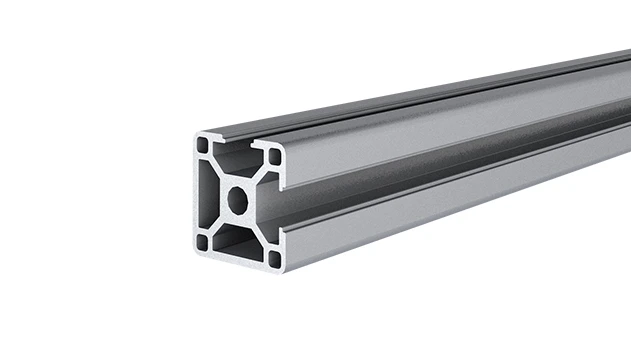
3030B EU Standard Aluminum Profile
3030 is a 3.00 x 3.00CM fractional 30 series square extrusion T-slot profile with two side open T-slots, each side with 3.00cm face, 2 side with open slot, 2 side with closed face. The profile has align-a-grooves to assist in aligning connecting profiles.
Introduction: The Backbone of Modern Workspaces
Walk into any thriving manufacturing facility, tech startup workshop, or even a bustling warehouse today, and you'll likely spot something common: sleek, modular structures that seem to adapt and evolve as easily as the teams using them. These aren't just random metal frames—they're built with aluminum profiles, the unsung heroes of flexible, efficient work environments. Among the many options available, the 3030b EU Standard Aluminum Profile stands out as a workhorse, prized for its balance of strength, versatility, and compatibility with a vast array of interchangeable components. But what makes this profile so special, and why does "system compatibility" matter so much in today's fast-paced industrial world?
Let's start with the basics. Aluminum profiles are extruded aluminum bars with standardized T-slots running along their length, designed to connect with bolts, brackets, and other accessories. They're the building blocks of everything from workbenches and material racks to conveyor systems and machine guards. The "3030b" in the name refers to its dimensions—30mm in width and 30mm in height—while "EU Standard" ensures it meets strict European manufacturing norms for quality, consistency, and safety. But numbers and standards only tell part of the story. The real magic lies in how well this profile plays with others: its ability to pair seamlessly with interchangeable components, turning a simple length of aluminum into a fully customizable, future-proof system.
In this article, we'll dive deep into the world of 3030b EU Standard Aluminum Profiles. We'll explore what makes them tick, why interchangeable components are the key to their flexibility, and how this compatibility transforms workflows across industries. Whether you're a small business owner looking to upgrade your workshop or a production manager aiming to boost efficiency, understanding this system could be the first step toward building a workspace that grows with you.
Understanding the 3030b EU Standard Aluminum Profile
Before we talk about compatibility, let's get to know the star of the show: the 3030b EU Standard Aluminum Profile. At first glance, it might look like just another metal bar, but a closer inspection reveals the engineering that makes it a favorite among manufacturers and designers.
First, the dimensions: 30mm x 30mm. This size hits a sweet spot for many applications. It's sturdy enough to support tools, materials, and even light machinery (think workbenches or small assembly stations) but not so bulky that it wastes space. The "b" in 3030b often refers to specific T-slot dimensions or wall thickness—details that might sound minor, but they're critical for compatibility. EU Standard compliance adds another layer of reliability: it means the profile is made from high-grade aluminum (typically 6063-T5, known for its strength and corrosion resistance), with precise extrusion tolerances. That consistency ensures that a 3030b profile from one reputable aluminum profile supplier will fit perfectly with components from another, eliminating the headache of mismatched parts.
But what really sets this profile apart is its T-slot design. Those grooves running along its sides aren't just for show—they're the gateway to customization. T-slots allow you to attach components without drilling holes or welding, using simple bolts, nuts, or specialty fasteners. Imagine building a workbench: instead of drilling into wood or metal to add a shelf, you just slide a bracket into the T-slot, tighten a screw, and you're done. Need to move the shelf later? Loosen the screw, reposition, and retighten. It's that easy. This design turns rigid, one-size-fits-all structures into dynamic, adaptable systems that can evolve with your needs.
Another key feature is the profile's weight-to-strength ratio. Aluminum is naturally lightweight, which makes assembling and reconfiguring structures a one-person job (no need for heavy lifting equipment). Yet, thanks to its alloy composition, it's strong enough to handle daily wear and tear. In a busy production line, where workstations might be adjusted weekly or even daily, this combination of lightness and durability is a game-changer.

The Role of Interchangeable Components: Building Blocks of Flexibility
A 3030b profile on its own is just a piece of aluminum. Its true potential shines when paired with interchangeable components—the nuts, bolts, brackets, and connectors that turn it into something functional. Think of it like a Lego set: the bricks (profiles) are essential, but the minifigures, wheels, and hinges (components) are what let you build a castle, a spaceship, or a race car. In the world of aluminum profiles, interchangeable components are those versatile pieces that make customization possible.
But what exactly counts as an "interchangeable component"? For 3030b profiles, it includes everything from simple end caps that protect the profile's edges to complex 90° aluminum profile connectors that join two profiles at a right angle. There are gussets (like gusset alp 3030) that add stability to corners, aluminum profile accessories like cable management clips that keep wires organized, and even specialized brackets for mounting tools or monitors. The key here is "interchangeable": these components are designed to work with multiple profiles (not just 3030b) and can be swapped out or repositioned without modifying the profile itself.
Why does this matter? Let's take a real-world example. Suppose you run a small electronics assembly shop, and you've built a workbench using 3030b profiles. Today, you need a shelf for tools, so you add a 90° connector and a crossbar. Next month, you expand into testing, so you swap the shelf for a monitor mount using the same T-slots. A year later, you need to move the workbench to a new location—you disassemble it, move the profiles and components, and rebuild it in minutes. Without interchangeable components, you'd be stuck buying a new workbench each time your needs change. With them, you're investing in a system that grows with you.
Interchangeable components also simplify maintenance. If a connector wears out or a bracket bends, you don't need to replace the entire structure—just swap the faulty part. This saves time, money, and reduces waste, making your workspace more sustainable too. For businesses, this translates to lower long-term costs and less downtime—two things that directly impact the bottom line.
System Compatibility in Action: A Case Study
From Rigid to Responsive: How a Local Manufacturer Upgraded Their Line
Let's look at how one company leveraged 3030b profiles and interchangeable components to transform their workflow. Precision Parts Co., a small manufacturer of automotive components, was struggling with a common problem: their assembly line was built with fixed, welded steel workstations. When they introduced a new product line, the old stations were too narrow, and reconfiguring them required hiring a welder and shutting down production for days. The team was frustrated, and deadlines were slipping.
After researching options, they decided to switch to 3030b EU Standard Aluminum Profiles. They sourced profiles and components from a trusted aluminum profile supplier, focusing on interchangeable parts like 90° aluminum profile connectors, gusset alp 3030 brackets, and adjustable shelves. The first step was building a prototype workbench. Using the T-slots, they attached a monitor arm for digital work instructions, a tool rail with hooks, and a material shelf—all in an afternoon, without any welding.
The results were immediate. When the new product line launched, the team simply loosened a few bolts, adjusted the crossbars to widen the workbench, and added extra shelves using the same 3030b profiles. The whole process took two hours, not days. Over time, they expanded the system to include flow racks (using roller track components) and mobile carts, all built with the same 3030b profiles and interchangeable connectors. Downtime dropped by 70%, and employees reported feeling more in control of their workspace. As the plant manager put it: "We're not just building workstations anymore—we're building a system that adapts as fast as we do."
This case study highlights a key point: system compatibility isn't just about parts fitting together—it's about enabling businesses to be agile. In today's market, where customer demands and product lines change rapidly, agility isn't a luxury; it's a necessity. 3030b profiles and their interchangeable components make that agility possible.
Key Components for 3030b Compatibility: A Closer Look
Now that we've seen compatibility in action, let's break down the most essential interchangeable components that make the 3030b system tick. These are the parts you'll reach for again and again when building or modifying your setup. To help you navigate, we've put together a table of core components, their functions, and why they work so well with 3030b profiles.
| Component Name | Primary Function | Compatibility Notes | Common Application |
|---|---|---|---|
| 90° Aluminum Profile Connector | Joins two 3030b profiles at a right angle (e.g., vertical and horizontal rails). | Designed for 30mm profiles; uses T-slot bolts for secure, tool-free adjustment. | Workbench frames, shelf corners, machine guards. |
| Gusset Alp 3030 | Reinforces corner joints, adding stability to structures under load. | Specifically sized for 3030b profiles; attaches via T-slots with minimal hardware. | Heavy-duty workbenches, material racks, standing desks. |
| 3030b Aluminum Profile End Cap | Covers exposed ends of profiles to prevent injury and debris buildup. | Snaps or screws into place; EU Standard ensures precise fit with 3030b T-slots. | Any exposed profile end (workbenches, carts, railings). |
| T-Slot Nut and Bolt Set | Secures components to the profile's T-slots without drilling. | Nut slides into T-slot; compatible with all EU Standard 30mm profiles. | Attaching shelves, brackets, tool holders, or custom components. |
| Aluminum Profile Accessories: Cable Management Clip | Organizes wires and cables along the profile, reducing clutter. | Clips into T-slots; adjustable to fit different cable sizes. | Workstations with monitors, power tools, or automated equipment. |
Why These Components Work Together
The secret to their compatibility lies in EU Standardization. When a component is labeled "EU Standard for 3030 profiles," it means its dimensions, T-slot spacing, and material quality have been tested to match the 3030b profile's specs. For example, a 90° aluminum profile connector from one supplier will fit a 3030b profile from another because both adhere to the same slot width and depth standards. This eliminates the guesswork and frustration of "will this part fit?"
Take the gusset alp 3030, for instance. This small, triangular bracket might seem unassuming, but its holes are precisely positioned to align with 3030b's T-slots. When paired with a 90° connector, it distributes weight evenly across the joint, turning a wobbly corner into a rock-solid one. And because it's made from the same aluminum alloy as the profile, it resists corrosion and wear at the same rate, ensuring the structure ages uniformly.
Even simple components like end caps play a role in compatibility. A poorly fitting end cap might slide off, but EU Standard caps are designed to grip the profile's inner walls or lock into T-slots, staying in place even during heavy use. This attention to detail is what makes the 3030b system reliable day in and day out.
The Benefits of System Compatibility: More Than Just Convenience
At this point, you might be thinking, "Okay, compatibility sounds nice, but is it worth the investment?" The short answer: absolutely. The benefits go far beyond convenience—they impact your team's productivity, your business's adaptability, and even your environmental footprint.
First, cost savings . Initial costs for aluminum profiles and components might be higher than, say, plywood or welded steel, but the long-term savings are significant. With interchangeable parts, you reuse components instead of buying new ones. A single 3030b profile can be part of a workbench today, a cart tomorrow, and a shelf next month. Plus, maintenance is cheaper: replacing a $10 connector is better than replacing a $500 custom-built workstation.
Second, time efficiency . Traditional setups require planning, drilling, welding, or hiring contractors. With 3030b and interchangeable components, your team can build or reconfigure a structure in hours, not days. That means less downtime during upgrades and faster response to new projects. For example, if a customer needs a rush order, you can adjust your assembly line on the fly to prioritize that work—no waiting for external help.
Third, employee empowerment . When your team can tweak their workspace to fit their needs, morale and productivity soar. A technician might add a tool holder at waist height to avoid bending, or a designer might reposition a monitor to reduce glare—small changes that make a big difference in comfort and focus. This sense of ownership turns "the company's workspace" into "my workspace."
Finally, sustainability . Aluminum is 100% recyclable, and interchangeable components reduce waste by extending the life of your system. Instead of sending old workbenches to the landfill, you disassemble them and reuse the parts. This aligns with modern business values and can even appeal to eco-conscious customers.
Common Challenges and How to Avoid Them
No system is perfect, and compatibility can come with its own set of challenges. The good news? Most are easy to avoid with a little planning.
Counterfeit or non-standard components are a big risk. Not all "3030b compatible" parts are created equal. Some suppliers cut corners, producing connectors with slightly off dimensions that fit loosely or break easily. To avoid this, stick to reputable aluminum profile suppliers who certify their parts meet EU Standards. Look for suppliers with positive reviews, clear product specs, and willingness to provide samples before bulk orders.
Over-tightening components is another common mistake. T-slot bolts and connectors should be snug, but cranking them too hard can strip the T-slots or warp the profile. Train your team to use torque wrenches for critical joints, and err on the side of "firm but not forceful."
Underestimating load capacity can lead to sagging or collapsing structures. While 3030b is strong, it's not indestructible. Always check the profile's load ratings (provided by your supplier) and use gussets or extra supports for heavy items. A gusset alp 3030, for example, can double a joint's weight capacity—don't skip it!
Mixing profile sizes without adapters. If you have older 2020 profiles or larger 4040 profiles, they won't connect directly to 3030b without an adapter. Plan your system upfront, and if mixing sizes is necessary, invest in transition brackets designed for that purpose.
Future Trends: Where Compatibility is Headed
As manufacturing and workspace design evolve, so too will the role of compatible aluminum systems. Here are a few trends to watch:
Smart integration : Imagine T-slots that power sensors or LED lights, or components with built-in RFID tags to track inventory. Some suppliers are already experimenting with "smart" 3030b profiles that integrate with IoT devices, turning workspaces into data-collecting hubs.
Customization at scale : 3D printing is making it easier to create one-off interchangeable components (like specialized brackets) that still fit standard 3030b profiles. This means even small businesses can access custom parts without the custom price tag.
Eco-friendly materials : While aluminum is already recyclable, suppliers are exploring recycled aluminum alloys and bio-based plastics for components, reducing the system's carbon footprint even further.
No matter what the future holds, one thing is clear: system compatibility will remain a cornerstone of flexible workspace design. As long as businesses need to adapt quickly, 3030b EU Standard Aluminum Profiles and their interchangeable components will be there to support them.
Conclusion: Building a Workspace That Grows With You
The 3030b EU Standard Aluminum Profile isn't just a piece of metal—it's a foundation for growth. When paired with interchangeable components like 90° aluminum profile connectors, gusset alp 3030 brackets, and T-slot accessories, it becomes a system that adapts to your needs, empowers your team, and saves you time and money.
Whether you're a small startup or a large manufacturer, the message is simple: invest in compatibility. Choose profiles and components from reputable aluminum profile suppliers, prioritize EU Standard parts, and train your team to think modularly. What starts as a single workbench can grow into a full production line, a lab setup, or a warehouse system—all from the same set of building blocks.
In a world where change is the only constant, a compatible aluminum system isn't just a tool—it's a competitive advantage. So go ahead, build something that lasts. Build something that adapts. Build with 3030b.