- Company Articles
- Industry articles
- Industry standards
- 3030b EU Standard Aluminum Profile for Medical Device Manufacturing: Compliance & Safety

3030b EU Standard Aluminum Profile for Medical Device Manufacturing: Compliance & Safety
Related Product
3030B EU Standard Aluminum Profile
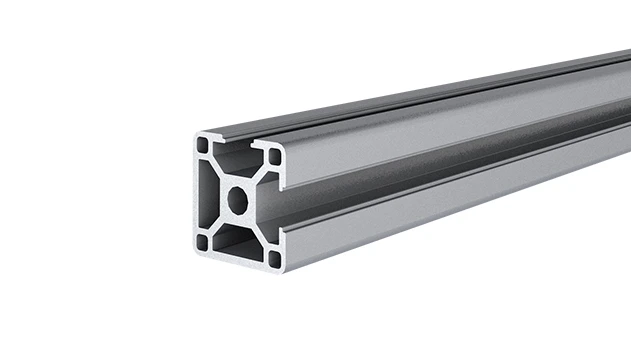
3030 is a 3.00 x 3.00CM fractional 30 series square extrusion T-slot profile with two side open T-slots, each side with 3.00cm face, 2 side with open slot, 2 side with closed face. The profile has align-a-grooves to assist in aligning connecting profiles.
In the world of medical device manufacturing, where precision can mean the difference between life and death, every component matters—including the very framework that holds production systems together. Walk into any state-of-the-art medical assembly facility, and you'll likely spot sleek, modular structures supporting workflows: workbenches where surgeons' tools are assembled, racks holding sensitive diagnostic equipment parts, and stations where intricate devices like pacemakers or insulin pumps take shape. More often than not, these structures are built from aluminum profiles, and among the most trusted names in this space is the 3030b EU Standard Aluminum Profile. But why has this specific profile become a cornerstone in an industry where compliance and safety are non-negotiable? Let's dive in.
What Makes the 3030b EU Standard Aluminum Profile Unique?
First things first: not all aluminum profiles are created equal. The 3030b EU Standard Aluminum Profile isn't just a length of metal—it's a carefully engineered solution designed to meet the rigorous demands of medical manufacturing. Let's break down its basics. The "3030b" refers to its dimensions: 30mm in width and 30mm in height, with a specific cross-sectional design (the "b" variant) optimized for structural stability and compatibility with accessories. Made from high-grade aluminum alloy, typically 6063-T5, it balances strength and lightweight properties, making it easy to handle during installation while supporting heavy loads in production environments.
But what truly sets it apart in medical settings is its adherence to EU standards. In an industry governed by regulations that leave no room for error, using materials that meet these standards isn't just a best practice—it's a legal requirement. The 3030b profile is manufactured to comply with EU directives on material safety, chemical resistance, and structural integrity, making it a go-to choice for manufacturers aiming to avoid costly compliance missteps.
Navigating the Maze of Medical Compliance: How 3030b Stacks Up
Medical device manufacturing is a regulatory minefield, and for good reason. Every device that reaches a patient must be safe, reliable, and traceable. In the EU, this means adhering to standards like ISO 13485 (quality management for medical devices), CE marking requirements, and REACH (Registration, Evaluation, Authorization, and Restriction of Chemicals) for material safety. The 3030b EU Standard Aluminum Profile isn't just a passive participant in these regulations—it's engineered to simplify compliance.
| Regulation | Key Requirement | How 3030b Complies |
|---|---|---|
| ISO 13485 | Consistent quality across production processes | Precision manufacturing ensures uniform dimensions and strength, reducing variability in workstations. |
| CE Marking | Safety and performance for EU market | Meets EN 1090 standards for structural aluminum, ensuring compatibility with medical device safety protocols. |
| REACH | Restriction of hazardous substances | Free from lead, cadmium, and other restricted chemicals; certified low emission of volatile organic compounds (VOCs). |
Consider the example of a manufacturer producing surgical robots. The framework that holds the robot's arm during assembly must not only support precise movements but also resist corrosion from frequent cleaning with disinfectants. The 3030b profile's anodized surface treatment creates a protective layer that stands up to harsh chemicals, ensuring the structure remains intact over years of use—all while meeting REACH's strict limits on harmful substances. For manufacturers, this translates to fewer compliance headaches and more confidence in their production setup.

Safety First: The Hidden Protections of 3030b Aluminum
In medical manufacturing, safety isn't just about protecting patients—it's about safeguarding workers, production integrity, and the devices themselves. The 3030b profile brings several safety features to the table that might not be obvious at first glance but are critical in high-stakes environments.
Take cleanability, for starters. Medical facilities require frequent sanitization to prevent cross-contamination, and surfaces must be non-porous to avoid harboring bacteria. The 3030b's smooth, anodized finish leaves no room for dirt or pathogens to hide. Unlike materials with rough textures or seams, it can be wiped down with alcohol-based disinfectants or steam-cleaned without degrading—essential for maintaining sterile conditions in device assembly areas.
Then there's electrostatic discharge (ESD) protection. Many medical devices, such as pacemakers or circuit boards for diagnostic machines, are sensitive to static electricity. A single static shock could damage delicate components, rendering a device useless or, worse, unsafe. While the 3030b itself isn't inherently conductive, it pairs seamlessly with ESD workstation setups. By integrating ESD-safe accessories like conductive end caps or grounding clips, manufacturers can create workbenches that dissipate static charges, protecting both the devices and the workers handling them.
Durability is another unsung safety hero. In a busy production line, accidental bumps or heavy equipment placement are inevitable. The 3030b's robust aluminum alloy resists dents and deformation, ensuring that workbenches and material racks maintain their structural integrity over time. A wobbly workstation isn't just inefficient—it's a hazard. By staying rigid, the 3030b prevents tools or components from slipping, reducing the risk of accidents and product damage.
Lean Systems in Medical Manufacturing: How 3030b Drives Efficiency
Lean manufacturing principles—eliminating waste, streamlining workflows, and maximizing value—are just as vital in medical device production as they are in automotive or electronics. But in an industry where compliance adds layers of complexity, traditional rigid production setups can feel restrictive. That's where the 3030b profile shines: its modular design is a natural fit for lean systems, offering the flexibility to adapt without sacrificing compliance.
Imagine a facility producing multiple device models, each with unique assembly steps. With fixed steel structures, reconfiguring workstations for a new product line would take days, involving welding or heavy modifications. But with 3030b aluminum profiles and compatible aluminum profile accessories—like quick-connect joints, adjustable brackets, and sliding rails—teams can rearrange workbenches or material racks in hours. Need to add a new shelf for component storage? Swap out a bracket. Adjust the height of an assembly station to accommodate a taller worker? Loosen a few bolts, reposition, and tighten. This agility reduces downtime and allows manufacturers to respond quickly to changing production needs—whether it's scaling up for a surge in demand or pivoting to a new device design.
Waste reduction is another lean benefit. Traditional production setups often require custom-built structures for specific tasks, leading to excess inventory of specialized parts. The 3030b's standardized design means accessories like corner brackets or T-slot covers are interchangeable across different workstations. This reduces the need for unique components, cutting down on storage costs and simplifying supply chain management. Plus, aluminum is 100% recyclable, aligning with the lean goal of minimizing environmental waste—a bonus for manufacturers aiming to meet sustainability targets alongside compliance.
Workplace organization, a cornerstone of lean, is also enhanced by the 3030b. Its T-slot design allows for easy attachment of tool holders, cable management clips, and label holders. Everything has a designated place, reducing the time workers spend searching for tools and keeping workbenches clutter-free. A tidy workspace isn't just visually appealing—it's a productivity booster. When components and tools are within arm's reach, assembly times shorten, and the risk of human error decreases.
Aluminum Profile Accessories: The Unsung Heroes of Compliance
A profile is only as good as its accessories, and the 3030b's ecosystem of aluminum profile accessories is what truly elevates its performance in medical manufacturing. These small, often overlooked components—joints, end caps, guide rails—play a big role in ensuring compliance, safety, and functionality.
Take end caps, for example. The 3030b's T-slot design leaves open ends that could collect dust or sharp edges that might scratch workers or damage components. Snap-on plastic or aluminum end caps seal these openings, creating a smooth, safe surface that's easy to clean. They also prevent debris from falling into the slots, which could jam moving parts like sliding shelves or adjustable brackets. In a compliance audit, these small details matter—regulators look for every potential source of contamination, and sealed end caps send a clear message: "We've thought of everything."
Connectors are another critical accessory. Traditional metal brackets might require welding or drilling, introducing stress points that weaken the structure over time. The 3030b uses modular connectors that clamp onto the profile without damaging it. This not only makes assembly faster but also ensures that joints remain secure even after repeated adjustments. For medical manufacturers, this means fewer structural failures and more consistent performance across workstations—key for maintaining ISO 13485 quality standards.
Height-adjustable feet are a game-changer for ergonomics and safety. Medical device assembly often involves workers standing for long hours, and improper workstation height can lead to fatigue or injury. Adjustable feet let teams fine-tune the height of workbenches to match individual workers, reducing strain and improving focus. They also level uneven floors, preventing wobbling that could compromise precision during delicate tasks like soldering or component placement.
ESD Workstations and Workbenches: Protecting Sensitive Devices
Earlier, we touched on ESD protection, but it's worth diving deeper into how the 3030b integrates with ESD workstations—critical setups for handling static-sensitive medical components. An ESD workstation isn't just a table; it's a controlled environment designed to neutralize static charges, and the 3030b forms its backbone.
Picture a workstation where technicians assemble the circuit board of an MRI machine. The board contains microchips so delicate that a static charge of just 50 volts could destroy them. The workstation's surface is an ESD-safe mat, and the frame? 3030b aluminum profiles. By attaching grounding straps to the profile and connecting them to the facility's grounding system, the entire structure becomes a path for static electricity to flow harmlessly into the earth. Workers wear ESD wristbands clipped to the profile, ensuring their bodies don't accumulate charges that could jump to the components. Even the tools—soldering irons, tweezers—are grounded via the workstation frame. It's a holistic system, and the 3030b's conductivity (when paired with the right accessories) makes it the ideal foundation.
But ESD protection isn't just about grounding. It's also about consistency. The 3030b's uniform design ensures that every ESD workstation in the facility performs the same way. Whether it's on the first floor assembling heart monitors or the second floor testing glucose meters, the static dissipation rate remains within safe limits. This consistency is crucial for compliance: regulators don't just want to see that one workstation is ESD-safe—they want proof that all of them are.
Workbenches built with 3030b also offer customization for specific ESD needs. Need a shelf for ESD-safe storage bins? Add a bracket. Want to mount an ionizing fan to neutralize charges in the air? Use a clamp-on accessory. The flexibility to tailor the workstation to the task at hand ensures that even the most sensitive devices receive the protection they need.
Real-World Applications: 3030b in Action
To understand the 3030b's impact, let's look at a hypothetical but realistic scenario: a mid-sized medical device manufacturer producing portable ultrasound machines. The company recently expanded its product line and needed to reconfigure its assembly area to handle both the new and existing models. Here's how the 3030b profile transformed their workflow:
First, the assembly line. The old setup used fixed steel workbenches that couldn't be adjusted. With the new ultrasound model requiring different tools and component layouts, workers were wasting time moving between stations. The manufacturer replaced the steel benches with 3030b-based workbenches, using adjustable brackets to add modular shelves and tool hooks. Now, each workstation can be reconfigured in 30 minutes to switch between models, cutting changeover time by 70%.
Next, material handling. The facility used to transport components via bulky plastic bins that often caused bottlenecks. By installing 3030b roller tracks (paired with plastic roller track guide rails) between stations, they created a gravity-fed system where bins glide smoothly from storage to assembly. This reduced manual lifting, lowering injury risks, and kept components organized—critical for traceability during audits.
Finally, testing stations. The ultrasound machines' circuit boards are highly ESD-sensitive, so the testing area needed robust static protection. The manufacturer built ESD workstations using 3030b profiles, adding conductive end caps and grounding straps. They also installed ionizing fans on adjustable 3030b arms, ensuring consistent airflow over the boards during testing. Since the upgrade, static-related component failures have dropped by 95%.
This example isn't an anomaly. From dental tool sterilization racks to surgical instrument assembly lines, the 3030b profile is quietly supporting medical manufacturing facilities across Europe, proving that compliance and efficiency don't have to be mutually exclusive.
Choosing the Right Supplier: What to Look For
Not all 3030b profiles are created equal, and choosing the right supplier is as important as the profile itself. When evaluating potential suppliers, keep these factors in mind:
Certifications: Look for suppliers with ISO 9001 and ISO 13485 certifications, as these demonstrate a commitment to quality and medical device compliance. Ask for test reports verifying that their 3030b profiles meet EN 1090 and REACH standards—documentation you'll need for your own audits.
Customization Capabilities: Medical manufacturing is rarely one-size-fits-all. A good supplier should offer custom cutting, drilling, or anodizing to meet your specific needs. For example, if you need shorter profile lengths for a compact workstation, they should deliver without compromising structural integrity.
Accessory Availability: A robust lineup of aluminum profile accessories is key. Check if the supplier stocks end caps, connectors, ESD components, and other parts you'll need to build complete systems. Waiting on backordered accessories can derail production timelines.
Quality Control: Inquire about their production process. Do they inspect each profile for dimensional accuracy and surface defects? A supplier with strict quality control will reduce the risk of receiving faulty profiles that could compromise your safety or compliance.
Future Trends: What's Next for Aluminum Profiles in Medical Manufacturing?
As medical technology advances, so too will the materials supporting its production. The 3030b profile is already a staple, but emerging trends suggest even more innovation on the horizon:
Smart Profiles: Imagine 3030b profiles embedded with sensors that monitor temperature, humidity, or structural stress in real time. This data could alert maintenance teams to potential issues before they cause downtime, or verify environmental conditions during device storage—adding another layer of compliance assurance.
Eco-Friendly Coatings: While anodization is already durable, researchers are developing plant-based coatings that offer the same protection with lower environmental impact. For manufacturers aiming to reduce their carbon footprint, this could be a game-changer.
Lightweight Alloys: Aluminum is already light, but new alloys are being tested to further reduce weight without sacrificing strength. This would make 3030b-based systems even easier to reconfigure, supporting more agile production lines.
Conclusion: The 3030b Profile—More Than Just Metal
In medical device manufacturing, every decision carries weight. The choice of production materials isn't just about cost or durability—it's about ensuring that the devices saving lives are built on a foundation of compliance and safety. The 3030b EU Standard Aluminum Profile rises to this challenge, offering a rare blend of flexibility, reliability, and regulatory alignment.
From its role in lean systems that cut waste and boost efficiency to its integration with ESD workstations protecting sensitive components, the 3030b isn't just a structural element—it's a partner in quality. Paired with the right aluminum profile accessories and a trusted supplier, it empowers manufacturers to focus on what matters most: creating devices that improve patient outcomes.
As medical technology continues to evolve, the 3030b profile will undoubtedly evolve with it. But for now, it stands as a testament to how thoughtful material design can transform production—one compliant, safe, and efficient workstation at a time.