- Company Articles
- Industry articles
- Industry standards
- 3030b EU Standard Aluminum Profile in Food Processing Facilities: Hygiene & Durability

3030b EU Standard Aluminum Profile in Food Processing Facilities: Hygiene & Durability
Related Product
3030B EU Standard Aluminum Profile
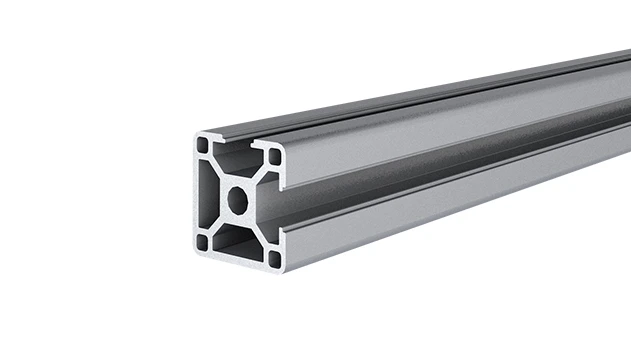
3030 is a 3.00 x 3.00CM fractional 30 series square extrusion T-slot profile with two side open T-slots, each side with 3.00cm face, 2 side with open slot, 2 side with closed face. The profile has align-a-grooves to assist in aligning connecting profiles.
Walk into any food processing facility, and you'll quickly realize it's a world of contradictions. On one hand, there's the precision of creating safe, consumable products—think fresh produce being sorted, dairy being pasteurized, or baked goods being assembled. On the other hand, there's the chaos of constant motion: workers bustling with trays, conveyor belts humming, cleaning crews sanitizing every surface. In this environment, the equipment that holds it all together—racks, workbenches, material handlers—can't just be "good enough." It needs to be tough , easy to clean, and built to keep up with the relentless pace of feeding the world. That's where the 3030b EU Standard Aluminum Extrusion Profile comes in. Let's dive into why this unassuming piece of metal is becoming a staple in food processing facilities, and how it balances two non-negotiable needs: hygiene and durability.
The Silent Workhorse: What is 3030b EU Standard Aluminum Profile?
Before we get into why it's perfect for food processing, let's demystify the 3030b itself. If you've ever walked through a factory or warehouse, you've probably seen aluminum profiles without realizing it—they're the backbone of modular workstations, shelving, and machine guards. The "3030b" refers to its dimensions: 30mm by 30mm, with a specific groove design (the "b" denotes a particular slot configuration) that makes it compatible with a wide range of aluminum profile accessories. What sets the "EU Standard" apart? It means rigorous testing for quality, safety, and consistency—no cutting corners on material purity or structural integrity. This isn't just any aluminum; it's engineered to perform in environments where failure isn't an option.
At first glance, a 30x30mm aluminum bar might seem simple, but its power lies in its versatility. Thanks to the T-slot running along its length, you can attach brackets, panels, wheels, or almost any accessory with a simple bolt or slider. This modularity is a game-changer for food processing facilities, where needs can shift overnight—one week you're assembling sandwich ingredients, the next you're repackaging snacks for a holiday rush. With 3030b, you don't need to buy new equipment; you just reconfigure what you have. But we'll circle back to that later. For now, let's focus on the two big reasons food processors are swapping their old steel or wood setups for 3030b: hygiene and durability.
Hygiene First: Why Aluminum Profiles Outshine the Rest
In food processing, "clean" isn't just a preference—it's the law. Regulatory bodies like the FDA (in the U.S.) or EFSA (in the EU) set strict standards for equipment surfaces to prevent cross-contamination and bacterial growth. Wood, once common in workbenches, is porous—tiny cracks and grains trap food particles and moisture, turning into breeding grounds for bacteria like E. coli or salmonella. Even stainless steel, a popular alternative, can develop micro-scratches over time where bacteria hide, especially if not polished regularly. Aluminum? It's a different story.
Aluminum's non-porous surface is smooth by nature, and when extruded into profiles like 3030b, it's finished to an even higher standard—no rough edges, no crevices. Wiping it down with a sanitizing solution or hosing it off (yes, many food facilities use high-pressure washers) becomes a breeze. There's nowhere for bits of lettuce, cheese, or sauce to linger. I spoke with Maria, a plant manager at a mid-sized bakery in Germany, who switched to 3030b workstations last year. "Before, our wooden tables needed daily sanding to keep them smooth—even then, we'd find mold spots in the corners during inspections," she told me. "Now? A quick wipe with our food-grade disinfectant, and they're spotless. The health inspector even commented on how much cleaner the line looks."
But it's not just about cleaning ease. Aluminum is naturally resistant to corrosion, which matters in environments where water, steam, and caustic cleaning agents are part of daily life. Think about a meat processing facility: floors are hosed down hourly, and workbenches are splashed with blood, water, and sanitizers. Mild steel would rust in weeks; aluminum? It forms a thin, protective oxide layer when exposed to air, preventing further corrosion. This layer is self-healing, too—if scratched, it reforms almost immediately. For facilities that operate in humid climates or handle acidic foods (like tomatoes or citrus), this resistance is non-negotiable. No more replacing rusted shelving or dealing with flaking paint that could contaminate products.
Another hygiene win? Aluminum doesn't off-gas or leach chemicals. Unlike some plastics, which can release harmful substances when exposed to heat or cleaning agents, aluminum is inert. That means you can use it in direct contact with food (with the right food-grade finishes, of course) without worrying about tainting flavors or violating safety standards. For facilities producing baby food or organic products, where purity is paramount, this peace of mind is priceless.

Built to Last: Durability That Stands Up to the Grind
Food processing isn't gentle on equipment. Workbenches get slammed with heavy mixing bowls, racks are loaded with 50-pound bags of flour, and trolleys are pushed, pulled, and occasionally dropped (we're all human). A flimsy material here isn't just inefficient—it's dangerous. A collapsing shelf could injure a worker or destroy hundreds of dollars of inventory. So how does 3030b hold up?
Let's start with strength. Aluminum extrusion profiles are surprisingly strong for their weight. The 3030b, made from high-grade aluminum alloy (typically 6063-T5, a common choice for structural applications), has a tensile strength of around 180 MPa—strong enough to support up to 150 kg per linear meter when properly mounted. That means a simple 3030b frame can hold a fully loaded workbench or a material rack stacked with canned goods without bending or warping. And because it's lightweight (about 2.7 kg per meter), it's easy to move and reconfigure without heavy machinery—a big plus for facilities with limited space or frequent layout changes.
But durability isn't just about strength; it's about resisting wear and tear. Let's talk about impact resistance. In a busy plant, a trolley might accidentally collide with a rack leg. Steel would dent; plastic would crack. Aluminum? It bends—then springs back. The ductility of aluminum alloys means they can absorb impacts without breaking, reducing the need for repairs. I visited a pasta factory in Italy last year where a 3030b-based conveyor system had been in use for over a decade. The operator, Giovanni, laughed when I asked how often they replace parts: "The only thing we've changed is the wheels on the trolleys—those wear out from rolling. The aluminum frames? They look as good as the day we installed them. We've even moved them three times when we expanded the line—no issues."
Temperature extremes are another test, and 3030b passes with flying colors. Food processing facilities often have cold storage (as low as -20°C) and hot zones (like ovens or pasteurizers hitting 80°C+). Aluminum handles these swings without losing strength or shape. Unlike plastics, which can become brittle in the cold or warp in the heat, aluminum maintains its mechanical properties across a wide range. This stability is crucial for precision equipment, like conveyor guides that need to keep products aligned—even when the room temperature drops and other materials shrink.
Let's not forget about UV resistance. Sunlight can degrade some materials over time, but aluminum profiles are often anodized (a process that thickens the natural oxide layer) for extra protection. Anodized 3030b resists fading, chalking, or weakening when exposed to sunlight—useful for facilities with large windows or outdoor loading areas. And if the anodized finish does wear thin after years of use, it's easy to refinish without replacing the entire profile.
Beyond the Basics: How 3030b Enhances Workflow with Lean Systems
Hygiene and durability are table stakes, but what really makes 3030b a standout is how it integrates with lean systems—a philosophy focused on minimizing waste and maximizing efficiency. Food processing is all about speed and consistency, and lean principles help eliminate bottlenecks, reduce downtime, and cut costs. 3030b's modular design is a lean dream come true.
Take workbenches, for example. A traditional fixed workbench is a one-trick pony—if you need more space, you buy a new one. With 3030b, you can build a workbench that grows with you. Add a shelf, extend the length, or attach a tool rail with aluminum profile accessories like hanging hooks or bins. Need a mobile workstation? Swap out the fixed feet for adjustable leveling feet with brakes, and suddenly your bench can follow the workflow. This flexibility reduces waste by ensuring you're not buying equipment you'll outgrow in six months.
Material flow is another lean focus. In many facilities, workers spend too much time walking to retrieve ingredients or tools. With 3030b, you can build custom flow racks or roller conveyors that bring materials directly to the line. Imagine a 3030b frame fitted with roller tracks—ingredient bins glide smoothly to the workstation, reducing strain on workers and speeding up production. And because the T-slot system makes it easy to adjust heights or angles, you can tailor these racks to ergonomic standards, reducing injuries and improving morale. A study by the Lean Manufacturing Institute found that facilities using modular aluminum profiles for material handling saw a 25% reduction in "non-value-added" movement—time spent walking or searching for tools.
Downtime is the enemy of efficiency, and 3030b helps here too. If a part breaks—a loose connector, a bent bracket—you don't need to shut down the entire line. Just swap out the faulty accessory with a new one (no welding or special tools required). This "plug-and-play" design means repairs take minutes, not hours. For a facility running 24/7, those minutes add up to thousands of dollars in saved production time.
3030b vs. the Competition: A Quick Comparison
Still not convinced 3030b is right for your facility? Let's compare it to common alternatives in a side-by-side table. We'll look at hygiene, durability, cost, and flexibility—four key factors for food processors.
| Material | Hygiene | Durability | Cost (Initial + Maintenance) | Flexibility |
|---|---|---|---|---|
| 3030b Aluminum Extrusion Profile | ★★★★★ Non-porous, easy to clean, corrosion-resistant | ★★★★★ Impact-resistant, temperature-stable, long lifespan (10+ years) | ★★★★ Initial cost higher than plastic/wood, but low maintenance reduces long-term costs | ★★★★★ Modular, reconfigurable with T-slot accessories |
| Stainless Steel | ★★★★★ Similar to aluminum, but prone to micro-scratches over time | ★★★★★ Very strong, but heavier and harder to reconfigure | ★★★ High initial cost; welding required for modifications | ★★ Rigid, difficult to adjust without professional tools |
| Plastic (PVC/PP) | ★★★ Easy to clean, but can warp or degrade with heat/chemicals | ★★ Weak under heavy loads; prone to cracking/breaking | ★★★ Low initial cost, but frequent replacements drive up long-term costs | ★★ Limited accessory compatibility; not as modular |
| Wood | ★★ Porous, harbors bacteria; requires constant sanding/sealing | ★ Prone to rot, warping, and pest infestations | ★ Low initial cost, but high maintenance and short lifespan | ★ Not reconfigurable; must be replaced entirely |
As you can see, 3030b strikes a balance that's hard to beat. It matches stainless steel's hygiene and durability but adds the flexibility of plastic at a reasonable long-term cost. For most food processing facilities, this combination makes it the clear winner.
Real-World Success: How 3030b Transformed These Facilities
Let's put this all into context with a couple of real stories. First, a family-owned snack factory in Spain. Before 3030b, they used wooden workbenches and steel shelving. The wood required weekly sanding to prevent bacterial growth, and the steel racks rusted constantly in the humid environment. Their biggest issue? They couldn't keep up with demand during peak seasons because their fixed layout limited production lines. After switching to 3030b workstations and flow racks, they saw immediate changes: cleaning time dropped by 40%, and they could reconfigure their lines in hours instead of days. "Last Christmas, we added two extra production lines using the same 3030b frames we had—no new equipment needed," the owner told me. "Our output went up 30%, and we didn't have a single product recall due to contamination."
Another example: a large dairy processor in France. They were struggling with their old plastic conveyors, which warped under the heat of pasteurization and needed replacing every 18 months. Switching to 3030b frames with aluminum roller tracks solved the problem. The aluminum stood up to the heat, and the modular design meant they could replace individual rollers instead of entire conveyors. "We've saved over €50,000 in replacement costs in three years," their maintenance manager reported. "Plus, the smooth T-slot surfaces are so easy to clean that our hygiene scores improved, which helped us land a big contract with a major supermarket chain."
Choosing the Right 3030b Setup: Tips for Food Processors
Ready to make the switch? Here are a few tips to ensure you get the most out of your 3030b investment. First, work with a reputable aluminum profile supplier who understands food processing needs. They can help you choose the right accessories (like food-grade end caps or corrosion-resistant brackets) and ensure your setup meets local safety standards. Second, prioritize anodized finishes—they add an extra layer of protection against corrosion and make cleaning even easier. Third, plan for future growth. Design your initial setup with extra T-slots or mounting points so you can add shelves, tools, or extensions later. Finally, train your team on how to reconfigure the profiles safely. With a little practice, even line workers can adjust workbenches or racks without calling in maintenance.
Final Thoughts: Why 3030b is More Than Just Metal
At the end of the day, 3030b EU Standard Aluminum Extrusion Profile isn't just a material—it's a tool for building better food processing facilities. It's about creating environments that are safer for workers, cleaner for products, and more efficient for businesses. In an industry where margins are tight and regulations are strict, every advantage counts. Whether you're a small bakery or a large-scale, 3030b offers the hygiene, durability, and flexibility you need to thrive.
So the next time you're walking through your facility, take a look at your current equipment. Is it holding you back? Is it costing you time, money, or peace of mind? If the answer is yes, maybe it's time to consider the silent workhorse that's transforming food processing floors around the world: the 3030b EU Standard Aluminum Extrusion Profile. Your workers, your products, and your bottom line will thank you.