- Company Articles
- Industry articles
- Industry standards
- 3030b EU Standard Aluminum Profile vs Plastic Extrusions: Durability Comparison

3030b EU Standard Aluminum Profile vs Plastic Extrusions: Durability Comparison
Related Product
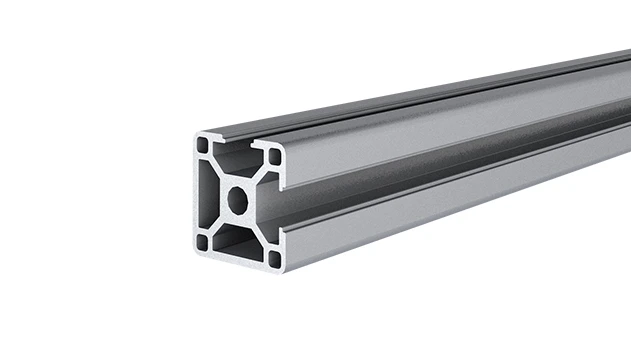
3030B EU Standard Aluminum Profile
3030 is a 3.00 x 3.00CM fractional 30 series square extrusion T-slot profile with two side open T-slots, each side with 3.00cm face, 2 side with open slot, 2 side with closed face. The profile has align-a-grooves to assist in aligning connecting profiles.
Walk into any manufacturing facility, warehouse, or assembly line, and you'll notice a silent workhorse holding everything together: the materials that build workbenches, conveyor tracks, and material racks. For plant managers, production supervisors, and operations teams, choosing between materials like aluminum profiles and plastic extrusions isn't just a budget decision—it's a choice that impacts daily workflows, maintenance headaches, and even long-term productivity. Today, we're diving deep into two heavyweights in industrial material solutions: the 3030b EU standard aluminum profile and plastic extrusions. We'll explore which one truly stands the test of time, focusing on durability—the factor that keeps lines running, reduces downtime, and ensures your investments don't fizzle out after a few years.
First Things First: What Are We Comparing?
Before we pit them against each other, let's get to know our contenders. On one side, we have aluminum extrusion profiles —specifically the 3030b EU standard, a popular choice in factories worldwide. On the other, plastic extrusions, like the plastic roller track guide rail yellow or grey variants you might see on conveyor systems. Both are shaped through extrusion (pushing molten material through a die to form consistent shapes), but their core compositions couldn't be more different. Let's break them down.
Meet the 3030b EU Standard Aluminum Profile
Imagine a material that's lightweight but tough, flexible in design but rigid in performance—that's the 3030b EU standard aluminum profile. "3030b" refers to its dimensions: 30mm in width and 30mm in height, with a specific cross-sectional design standardized under EU regulations. Made from aluminum alloy (typically 6063-T5, a common grade for structural applications), it's created through aluminum extrusion —heating aluminum billets until malleable, then forcing them through a precision die to form the profile's signature T-slot structure. Those T-slots? They're not just for show. They let you easily attach aluminum profile accessories like end caps, connectors, and brackets, turning a simple length of aluminum into a workbench, a material rack, or even a custom machine frame.
What makes it "EU standard"? Strict quality controls for strength, corrosion resistance, and dimensional accuracy. This isn't just any aluminum stick—it's a material built to meet the rigorous demands of European manufacturing, where reliability is non-negotiable.
Plastic Extrusions: The Lightweight Contender
Plastic extrusions, on the other hand, are the chameleons of the material world. Made from polymers like PVC, ABS, or polypropylene, they're formed by melting plastic resin and pushing it through a die to create shapes—think plastic roller track guide rail yellow strips that guide products down a conveyor, or grey ones that blend into industrial environments. Plastic's appeal? It's cheap, easy to mold into complex shapes, and comes in a rainbow of colors. It's also lightweight, which can be a plus for applications where heavy materials are a hassle.
But here's the catch: not all plastics are created equal. A thin PVC extrusion might flex under light loads, while a reinforced ABS version could hold up better. For industrial use, you'll often see plastic extrusions in non-load-bearing roles or environments where corrosion (from chemicals, say) is a concern—but how do they stack up when durability is on the line?
Durability Decoded: How Do They Stack Up?
Durability isn't just about "toughness"—it's about how well a material holds up under real-world stress: heavy loads, constant friction, exposure to heat or moisture, and the occasional bump or drop. Let's put 3030b aluminum profiles and plastic extrusions through the wringer, one factor at a time.
1. Strength & Load Capacity: Can They Handle the Weight?
Picture a workbench in an electronics assembly line, holding circuit boards, tools, and a 20kg testing machine. If the bench legs bend under that weight, production grinds to a halt. That's where strength matters.
Aluminum Profile Advantage: The 3030b EU standard aluminum profile is no lightweight in strength. Thanks to its alloy composition (6063-T5 has a tensile strength of around 180 MPa) and rigid extrusion design, it can handle significant loads. A single 30x30mm aluminum profile, when properly supported, can bear vertical loads of 50-100kg—more than enough for most workbench or shelving needs. And because aluminum profiles are often used in frameworks (think 2x2 or 3x3 grid structures), their load capacity multiplies. A material rack built with 3030b profiles? It might comfortably hold 500kg or more, depending on the design.
Plastic Extrusion Reality: Plastic extrusions, by contrast, struggle with heavy loads. Even reinforced plastics top out at tensile strengths around 50-80 MPa—less than half that of aluminum. A plastic roller track guide rail, for example, is great for sliding lightweight boxes (5-10kg) but will warp or crack if you pile on 20kg+ items. I once visited a small warehouse that tried using plastic shelving for tool storage; within six months, the shelves sagged under the weight of power drills and wrenches, creating a safety hazard. Plastic's flexibility works against it here—it bends under pressure, and over time, that bending becomes permanent (a phenomenon called "creep").
2. Wear Resistance: When Friction Fights Back
Every time a box slides down a roller track, or a worker drags a tool across a workbench surface, friction eats away at the material. Over months or years, that wear adds up.
Aluminum Profile Toughness: Aluminum isn't just strong—it's resistant to wear. The surface of an extruded aluminum profile is naturally hard, and many manufacturers add anodization (a protective oxide layer) to boost wear resistance further. Anodized aluminum can withstand thousands of cycles of friction without showing significant scratches or erosion. I spoke to a production manager at a automotive parts plant who told me their aluminum workbenches, used daily for 8-hour shifts, still looked new after 5 years—no dents, no deep scratches, just a few minor scuffs.
Plastic Extrusion Vulnerability: Plastic, on the other hand, is a friction magnet. Even "high-wear" plastics like HDPE (high-density polyethylene) start to show signs of wear quickly. A plastic roller track guide rail yellow, for example, will develop grooves where boxes rub against it, slowing down material flow. And when plastic wears, it doesn't just scratch—it flakes. Those tiny plastic shavings can contaminate products (a nightmare in food or electronics manufacturing) or jam conveyor systems. One electronics plant I consulted with had to replace their plastic guide rails every 6-8 months due to wear—costing time and money in replacements.
3. Corrosion Resistance: Battling Moisture & Chemicals
Factories aren't always clean, dry places. From coolant spills in machining shops to humid conditions in food processing, materials face constant exposure to moisture and chemicals. Corrosion resistance isn't optional—it's essential.
Aluminum's Natural Shield: Aluminum profiles come with a built-in defense: a thin layer of aluminum oxide that forms instantly when exposed to air. This layer is invisible, but it's impenetrable to water and most chemicals, preventing rust or decay. In wet environments (like a car wash assembly line), 3030b aluminum profiles stay bright and strong for years. Even if the oxide layer is scratched, it reforms within minutes, self-healing the damage. For extra protection, some aluminum profiles are anodized (a process that thickens the oxide layer), making them resistant to acids, alkalis, and salt spray—perfect for coastal factories or chemical plants.
Plastic's Mixed Bag: Plastic is often marketed as "corrosion-proof," and it's true that plastics don't rust. But they're not immune to chemical attack. PVC, for example, breaks down when exposed to oils or solvents (common in mechanical shops), turning brittle and cracking. ABS plastic melts at temperatures above 80°C, making it useless in hot environments like bakeries or foundries. And while plastic resists water, prolonged moisture can cause some types (like nylon) to absorb water and swell, warping the extrusion. A plastic workbench in a humid warehouse? It might start to bow or develop mold in hard-to-clean crevices—something aluminum never does.
4. Temperature Resistance: Withstanding Heat & Cold
Manufacturing facilities can be extreme: freezing cold in refrigerated warehouses, scorching hot near furnaces or ovens. How do aluminum and plastic handle temperature swings?
Aluminum's Stability: Aluminum profiles thrive in temperature extremes. They can handle continuous heat up to 100-150°C (higher for anodized versions) and cold down to -40°C without losing strength or shape. I worked with a pharmaceutical company that used aluminum workbenches in their cold storage rooms (-20°C); after five years, the benches looked and performed like new. Aluminum also conducts heat evenly, so it won't develop weak spots in hot environments—unlike materials that expand or contract dramatically.
Plastic's Meltdown Risk: Plastic extrusions are temperature-sensitive creatures. Most plastics start to soften at 60-80°C—leaving them useless near industrial ovens or even sunny windows (UV rays from sunlight can heat plastic to 70°C+). At the other end, cold temperatures make plastic brittle. A plastic roller track in a freezer warehouse? It'll crack if someone drops a box on it. One factory I visited tried using plastic guides on a conveyor near a soldering station; within a week, the plastic warped from the heat, jamming the conveyor and delaying shipments.
5. Impact Resistance: Surviving the Bumps & Drops
In busy factories, accidents happen: a pallet jack bumps a shelf, a tool slips and hits a workbench leg, a box falls onto a conveyor track. Can the material take a hit?
Aluminum's Flexibility: Aluminum profiles are surprisingly impact-resistant. They're not unbreakable, but their rigid-yet-ductile nature means they bend rather than shatter. A 3030b profile might dent if hit by a heavy pallet, but it won't snap—keeping the structure intact. And because aluminum is malleable, minor dents can often be bent back into shape, extending the material's life. I once saw an aluminum material rack that had been hit by a forklift; the legs were bent, but after straightening, the rack was back in service within hours—no replacement needed.
Plastic's Fragility: Plastic extrusions are prone to cracking or shattering on impact, especially in cold temperatures. A plastic roller track guide rail grey, for example, might chip if a metal box slams into it, creating sharp edges that catch on products. And unlike aluminum, plastic can't be repaired—once it cracks, it's useless. A maintenance technician at a packaging plant told me they kept a box of spare plastic guide rails on hand because "they break at least once a month" from accidental bumps.
6. Lifespan & Maintenance: How Long Will They Last?
Durability isn't just about surviving the day—it's about lasting for years, with minimal upkeep.
Aluminum's Long Haul: A well-maintained 3030b EU standard aluminum profile can last 10-20 years in industrial settings. Some manufacturers even guarantee their aluminum frameworks for 15+ years. And maintenance? It's almost non-existent. Wipe down with a damp cloth to remove dust or grease, and that's it. No painting, no sealing, no replacing parts every few months. I visited a 20-year-old automotive plant last year; their original aluminum workbenches were still in use, looking as sturdy as the day they were installed.
Plastic's Short Lifespan: Plastic extrusions have a much shorter lifespan—typically 2-5 years in heavy industrial use. Between wear, UV degradation, and impact damage, they need frequent replacement. And maintenance isn't hassle-free: plastic traps dirt and grime in crevices, requiring scrubbing with harsh chemicals (which can further degrade the material). One small manufacturer I advised switched from plastic to aluminum shelving after realizing they were spending $2,000/year on plastic shelf replacements—money that could have been saved with a one-time aluminum investment.

Real-World Stories: Aluminum vs. Plastic in Action
Numbers and specs tell part of the story, but real-world experiences bring durability to life. Let's look at two case studies where factories chose aluminum or plastic—and the results they saw.
Case Study 1: Automotive Assembly Line Workbenches
A mid-sized automotive parts manufacturer in Germany was expanding its production line and needed 20 new workbenches for assembling engine components. The team debated between plastic workbenches (cheaper upfront, around €150 each) and aluminum workbenches built with 3030b EU standard aluminum profiles (€350 each). They split the difference: 10 plastic, 10 aluminum.
6 Months Later: The plastic workbenches showed signs of wear: tops scratched from tools, legs starting to sag under the weight of assembly fixtures. One bench even cracked after a mechanic dropped a 5kg wrench on it.
2 Years Later: All 10 plastic workbenches had been replaced. The aluminum workbenches? They looked nearly new. The plant manager calculated the cost: €150/plastic bench x 10 = €1,500 initial cost, plus €1,500 in replacements = €3,000 total. The aluminum benches cost €3,500 upfront but needed zero replacements. "We should have gone all-aluminum from the start," he told me. "The plastic benches felt like a bargain, but they ended up costing us more in downtime and replacements."
Case Study 2: Logistics Center Conveyor Tracks
A UK-based e-commerce warehouse installed a new conveyor system to speed up order fulfillment. They chose plastic roller track guide rail yellow for the curves (cheaper, easier to install) and aluminum guide rails for the straight sections. The goal: handle 50,000 packages/day, each weighing up to 15kg.
3 Months Later: The plastic guide rails on the curves began to warp from the constant friction of packages sliding over them. Workers had to stop the conveyor twice a day to clear jams caused by bent plastic rails.
1 Year Later: The warehouse replaced all plastic guide rails with aluminum ones. "The aluminum rails cost 3x more, but we've cut conveyor downtime by 90%," the operations director said. "Our pickers are happier, and we're hitting our order targets for the first time."
The Ultimate Durability Showdown: A Side-by-Side Table
| Durability Factor | 3030b EU Standard Aluminum Profile | Plastic Extrusions (e.g., Plastic Roller Track Guide Rail) |
|---|---|---|
| Tensile Strength | 180 MPa (handles heavy loads without bending) | 50-80 MPa (sags/warps under moderate loads) |
| Load Capacity (per meter) | 50-100kg (vertical); 200-500kg (framework) | 5-15kg (vertical); 20-50kg (framework) |
| Wear Resistance | High (anodized surface resists scratches; minimal flaking) | Low (develops grooves; flakes under friction) |
| Corrosion Resistance | Excellent (oxide layer prevents rust; resistant to chemicals) | Limited (susceptible to oils, solvents, and moisture swelling) |
| Temperature Range | -40°C to 150°C (stable in extreme heat/cold) | -10°C to 80°C (warps/melts in high heat; brittle in cold) |
| Impact Resistance | High (bends but doesn't shatter; repairable) | Low (cracks/shatters on impact; irreparable) |
| Typical Lifespan (Industrial Use) | 10-20 years | 2-5 years |
| Maintenance Needs | Minimal (occasional cleaning) | High (frequent cleaning; replacement of worn parts) |
The Verdict: Durability That Drives Results
When it comes to durability, the 3030b EU standard aluminum profile outperforms plastic extrusions in nearly every category: strength, load capacity, resistance to wear and corrosion, temperature tolerance, impact resistance, and lifespan. Plastic extrusions have their place—lightweight, low-cost applications with minimal stress—but for industrial environments where reliability and longevity matter, aluminum is the clear winner.
Think of it this way: choosing aluminum profiles isn't just a purchase—it's an investment. Yes, they cost more upfront, but they save you money in the long run by reducing downtime, replacement costs, and maintenance headaches. And for workers? Sturdy aluminum workbenches and racks mean safer, more efficient workflows—no more worrying about sagging shelves or cracked rails.
So, the next time you're choosing materials for your facility, ask yourself: "Do I want a quick fix that will need replacing in 2 years, or a solution that will grow with my business for the next 15?" For most manufacturers, the answer is clear: 3030b EU standard aluminum profiles aren't just durable—they're the backbone of a productive, resilient operation.