- Company Articles
- Industry articles
- Industry standards
- 3030r EU Standard Aluminum Profile Cost Analysis: Price Factors & Budgeting Tips

3030r EU Standard Aluminum Profile Cost Analysis: Price Factors & Budgeting Tips
Related Product
3030R EU Standard Aluminum Profile
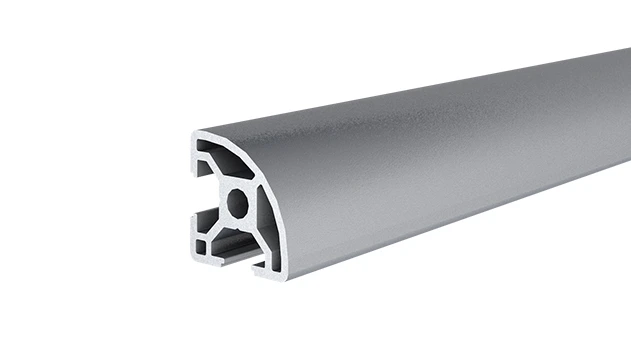
3030R is a 3.00 x 3.00CM fractional 30 series square extrusion T-slot profile with four open T-slots, two side with 3.00cm face, the other side with round face. The profile has align-a-grooves to assist in aligning connecting profiles.
Picture this: You're standing in the middle of your workshop, staring at a half-assembled production line. The blueprint calls for 3030r EU Standard Aluminum Profiles, but the quotes from suppliers are all over the map—some feel too good to be true, others make your budget cringe. Sound familiar? If you've ever felt stuck trying to balance quality and cost when sourcing aluminum extrusion profiles, you're not alone. Whether you're building workbenches, material racks, or conveyor systems, the 3030r profile is a workhorse in lean manufacturing. But to truly master your budget, you need to understand what drives its price tag. Let's dive in.
Understanding the 3030r EU Standard Aluminum Profile: What Makes It Unique?
Before we talk costs, let's get clear on what the 3030r profile is. Part of the EU standard aluminum extrusion profile family, it's named for its dimensions: 30mm x 30mm, with a rounded (hence the "r") edge design. This small detail—those rounded edges—isn't just for aesthetics; it reduces sharp corners, making it safer for workers and gentler on materials like cables or delicate components. It's lightweight yet sturdy, thanks to its aluminum alloy composition (typically 6063-T5, known for strength and corrosion resistance), and its T-slot design makes it infinitely customizable with aluminum profile accessories like brackets, end caps, and connectors.
But why does this matter for your budget? Because its popularity and standardization mean there are more suppliers and options—but also more variables that can affect price. Let's break down those variables.
Key Price Factors Influencing 3030r Aluminum Profile Costs
1. Material Quality: Alloy Composition and Wall Thickness
Not all aluminum is created equal. The 3030r profile's cost starts with the raw material: the aluminum alloy. While 6063-T5 is standard, some suppliers might use cheaper alloys with lower magnesium or silicon content, which can weaken the profile over time. Then there's wall thickness—a critical factor you can't ignore. A 1.2mm thick profile might cost 20% less than a 2.0mm version, but is it worth it? If you're building a lightweight turnover trolley, maybe. But for a heavy-duty workbench supporting 500kg, that thinner wall could lead to bending or warping, costing you more in replacements later.
Don't just take a supplier's word for it. Ask for material certificates (like EN AW-6063) and thickness specs. A reputable lean system supplier will happily provide these—transparency here is a red flag for quality.
2. Extrusion Complexity: Standard vs. Custom Shapes
The 3030r is a standard profile, which means extrusion dies (the molds used to shape the aluminum) are widely available. But if you need a modified version—say, an extra T-slot or a custom groove for cable management—you'll pay for a new die. Die costs can range from $500 to $2,000+, and that expense gets passed on to you, either as a one-time fee or rolled into the per-meter price. For small projects, this rarely makes sense. Stick to standard 3030r unless your design absolutely requires customization.
3. Supplier Dynamics: Wholesale vs. Retail, Local vs. International
Where you buy matters as much as what you buy. A local retail supplier might offer convenience and quick delivery, but their prices are often marked up by 30-40% compared to a wholesale lean pipe supplier or aluminum profile specialist. International suppliers, especially from regions with lower production costs, can offer rock-bottom prices—but watch for hidden fees: shipping, import duties, and longer lead times (6-8 weeks vs. 1-2 weeks locally). For example, a 3030r profile might cost $8/meter from a Chinese wholesale supplier, but with shipping and duties, that could jump to $12/meter—still cheaper than a local retailer's $15/meter, but you'll need to plan ahead.
| Supplier Type | Price per Meter (3030r) | Minimum Order | Lead Time |
|---|---|---|---|
| Local Retail | $15–$20 | 1m | 1–3 days |
| Wholesale Lean System Supplier | $10–$14 | 50m | 1–2 weeks |
| International Wholesale | $8–$12 (plus shipping) | 200m | 6–8 weeks |
4. Accessories and Add-Ons: The Hidden Costs of Completion
A 3030r profile alone is just a metal stick. To build anything useful, you need aluminum profile accessories: end caps (like the 3030 aluminum profile end cap), joints, brackets, and casters. These add-ons can tack 20–50% onto your total cost if you're not careful. For example, a pack of 10 end caps might cost $5, but a premium ESD-safe joint could be $12 each. Ask: Do I need ESD protection for my workbench? Can I use plastic roller track guide rails instead of aluminum for a less critical section?
Pro tip: Buy accessories from the same supplier as your profiles. Many offer bundle discounts, and matching components ensure compatibility—nothing's worse than realizing your brackets don't fit your T-slots after delivery.
5. Customization: Cutting, Finishing, and Special Requirements
Need your profiles cut to exact lengths? Anodized in a specific color? Each service adds cost. Cutting might be $0.50–$2 per cut, while anodizing (a protective coating) can add $1–$3 per meter. For large orders, these costs add up fast. If you have a metal shop, cut the profiles yourself. For finishes, stick to standard clear anodizing unless your application demands color (e.g., safety coding).

Budgeting Tips: Maximizing Value Without Compromising Quality
1. Research Reliable Suppliers: The Lean System Supplier Advantage
Not all suppliers are created equal. A lean system supplier specializes in aluminum profiles and lean manufacturing tools, meaning they have deeper inventory, better pricing, and expertise in applications like workbenches and flow racks. They'll also understand your need for consistency—critical if you're expanding a production line later. Spend a week requesting quotes from 3–5 suppliers, and ask for references from similar businesses. A supplier with happy clients in your industry is worth paying a small premium for.
2. Buy in Bulk: Leveraging Wholesale Pricing
If you know you'll need 3030r profiles for future projects, buy more now. Most wholesale suppliers drop prices by 10–15% when you order 100m+ vs. 50m. Store excess profiles in a dry, covered area to prevent corrosion—aluminum's durable, but it's not invincible to rust if left in the rain.
3. Prioritize Essential Accessories: When to Splurge and When to Save
Not all accessories are created equal. Splurge on heavy-duty casters for trolleys that move daily—cheap casters will jam or break, slowing down workflows. Save on decorative items like colored end caps; plain plastic ones work just as well. For ESD workbenches, invest in ESD-safe joints, but for a simple material rack, standard joints are fine.
4. Plan for Scalability: Avoiding Costly Overhauls Later
Think ahead. If you're building a workbench today, will you need to add shelves next year? Use T-slot profiles (like the 3030r) so you can easily attach new components later. Choosing a non-modular system now might save $100 upfront, but rebuilding it later could cost $500. Lean manufacturing is about adaptability—your aluminum profiles should be too.
5. Reusing and Repurposing: Extending the Lifespan of Your Profiles
Aluminum profiles are durable and reusable. When a project ends, disassemble and store the profiles instead of scrapping them. A 3030r from an old workbench can become part of a new material rack with a quick cut and new accessories. This not only saves money but aligns with lean principles of waste reduction.
Real-World Application: A Case Study in Cost Optimization
Let's put this into practice. Imagine a small electronics manufacturer needing to build 5 workbenches (each 2m long) and 2 material racks. Here's how they applied our tips:
- Supplier Choice: They went with a local lean system supplier instead of a retail store, saving $120 on profiles alone.
- Bulk Ordering: Bought 20m extra profiles at wholesale, planning for future expansion—saved $80.
- Accessory Prioritization: Used ESD joints only for workbench tops; standard joints for lower shelves—saved $45.
- DIY Cutting: Cut profiles in-house instead of paying for pre-cut lengths—saved $30.
Total savings: $275—enough to fund an extra caster set for a trolley. Small tweaks, big results.
Conclusion: Building a Cost-Effective Aluminum Profile Strategy
The 3030r EU Standard Aluminum Profile is more than just a component—it's a foundation for efficient, adaptable workspaces. By understanding the factors that drive its cost—material quality, extrusion complexity, supplier dynamics, accessories, and customization—you can make informed decisions that balance quality and budget. Remember: the cheapest option today might cost more tomorrow, but overspending on unnecessary features wastes resources.
Whether you're a seasoned operations manager or just starting with lean manufacturing, the key is to plan strategically, research thoroughly, and prioritize value over the lowest price. With the right approach, your 3030r profiles won't just build workbenches—they'll build a more efficient, cost-effective workflow.