- Company Articles
- Industry articles
- Industry standards
- 3060 EU Standard Aluminum Profile: Cost-Effectiveness in Large-Scale Projects

3060 EU Standard Aluminum Profile: Cost-Effectiveness in Large-Scale Projects
Related Product
3060 EU Standard Aluminum Profile
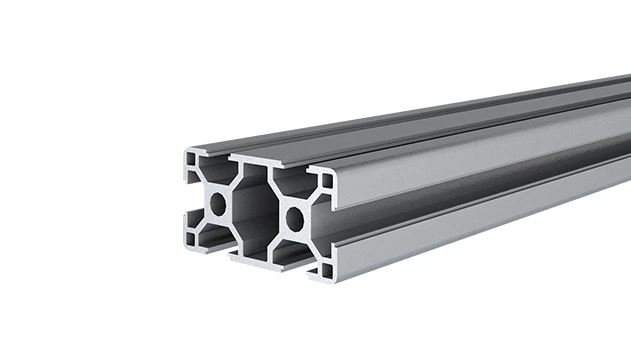
3060 is a 3.00 x 6.00CM fractional 30 series square extrusion T-slot profile with four open T-slots, two side with 3.00cm face, two side with 6.0cm face. The profile has align-a-grooves to assist in aligning connecting profiles.
Large-scale projects—whether they're building a sprawling manufacturing facility, setting up a high-throughput warehouse, or designing an industrial workspace—come with a unique set of challenges. Budgets are tight, timelines are aggressive, and the materials chosen can make or break both efficiency and long-term value. In recent years, one material has emerged as a quiet game-changer in these scenarios: the 3060 EU standard aluminum profile. It's not just another metal bar; it's a versatile, durable, and surprisingly cost-effective solution that's redefining how project managers approach everything from workbench setups to full lean system overhauls. Let's dive into why this unassuming profile has become a go-to for large-scale projects, and how it delivers value that goes far beyond the initial price tag.
What Exactly Is 3060 EU Standard Aluminum Profile?
First things first: let's get clear on what we're talking about. The "3060" in its name refers to its dimensions—30 millimeters in width and 60 millimeters in height. But this isn't just any aluminum extrusion; it's built to EU standards, which means rigorous testing for consistency, strength, and quality. Unlike generic aluminum profiles, EU-standard ones undergo strict checks for alloy composition, extrusion precision, and surface treatment, ensuring that every piece you receive is uniform and reliable.
Manufactured through an extrusion process, the 3060 profile starts as a heated aluminum billet that's forced through a die to create its signature cross-section. This process allows for intricate designs—like the T-slots running along its length—that are key to its versatility. Those T-slots aren't just for show; they're the reason you can attach brackets, panels, and accessories without welding or drilling, making assembly and reconfiguration a breeze. And because it's typically made from 6063 aluminum alloy, it strikes a perfect balance between lightweight portability and structural rigidity—think strong enough to support heavy machinery, but light enough that two workers can easily maneuver it during installation.
Material Properties That Drive Cost-Effectiveness
At first glance, aluminum might seem pricier than steel or wood, but large-scale projects thrive on looking beyond the upfront cost. The 3060 profile's material properties are where its true cost-saving magic lies:
- Lightweight yet surprisingly strong : Aluminum is about one-third the weight of steel, which translates to lower transportation costs (fewer trucks, less fuel) and reduced labor during installation. A team can assemble a 20-foot material rack using 3060 profiles in half the time it would take to put together a steel equivalent—no need for heavy lifting equipment or extra manpower.
- Corrosion resistance : Unlike steel, aluminum forms a natural oxide layer that protects it from rust and corrosion. In humid warehouses or outdoor industrial settings, this means zero need for painting, coating, or frequent replacements. Over a 10-year lifespan, the maintenance savings alone can add up to 30% of the initial material cost.
- Modularity at its core : Large-scale projects rarely stay static. A manufacturing line might need to expand next year, or a warehouse might reconfigure its storage layout to accommodate new inventory. The 3060 profile's T-slot design lets you disassemble, modify, and reassemble components with minimal effort. Instead of ripping out an entire workbench when you need to add a shelf, you simply slide in a new bracket and tighten a bolt. This adaptability means you're not throwing away money on materials that become obsolete.

Aluminum Profile Accessories: The Unsung Heroes of Efficiency
A profile is only as good as the accessories that bring it to life, and the 3060 system shines here thanks to a robust ecosystem of aluminum profile accessories. These aren't just add-ons—they're the reason the profile can transition from a simple shelf bracket to a fully functional lean system component in minutes. Let's talk about a few key players:
Connectors and brackets : From 90° aluminum profile connectors that lock two profiles at right angles to gusset plates that reinforce joints under heavy loads, these accessories eliminate the need for welding or drilling. Imagine building a multi-tiered material rack: with pre-engineered connectors, you can secure horizontal and vertical 3060 profiles in seconds, cutting assembly time by 40% compared to traditional steel framing.
End caps and edge protectors : These small, affordable pieces do double duty. They cover sharp edges, reducing workplace injury risks, and prevent dust and debris from collecting in the T-slots—extending the profile's lifespan and keeping maintenance needs low.
Panels and work surfaces : Pair the 3060 profile with aluminum honeycomb panels or wooden workbench tops, and you've got a sturdy, customizable workspace. Since the panels attach directly to the T-slots, you can adjust heights or add tool rails without rebuilding the entire structure. For large projects, this means standardizing workbenches across a factory floor with minimal customization costs.
The beauty of these accessories is that they're designed to work seamlessly with the 3060 profile. No guessing if a bracket will fit or if a connector will hold—EU standards ensure compatibility across brands, so you can mix and match parts from different suppliers without headaches. This interoperability reduces downtime and keeps projects on schedule, which, in large-scale settings, directly translates to cost savings.
Cost Savings: Breaking Down the Numbers
Let's get practical. How does the 3060 profile stack up when you crunch the numbers? Let's compare it to two common alternatives: galvanized steel and wood, using a hypothetical 1,000-square-foot industrial workspace setup (including workbenches, material racks, and a basic lean system framework).
| Factor | 3060 Aluminum Profile | Galvanized Steel | Wood |
|---|---|---|---|
| Initial Material Cost | $8,500 | $7,200 | $4,800 |
| Installation Labor | $3,200 (2 workers, 3 days) | $5,500 (3 workers, 5 days) | $3,800 (2 workers, 4 days) |
| Annual Maintenance | $150 (occasional cleaning) | $800 (rust treatment, repainting) | $600 (termite treatment, refinishing) |
| Expected Lifespan | 15–20 years | 10–12 years (with heavy maintenance) | 5–7 years |
| Total Cost Over 10 Years | $13,200 | $20,500 | $14,600 |
The numbers tell a clear story: while wood has a lower initial cost, its short lifespan and high maintenance push its 10-year cost above aluminum. Steel, meanwhile, requires more labor to install and far more upkeep, making it the priciest option long-term. The 3060 aluminum profile? It balances initial investment with labor and maintenance savings, delivering the lowest total cost over a decade.
Real-World Applications: From Workbenches to Lean Systems
Theory is great, but let's look at how the 3060 profile performs in real large-scale projects. Take a mid-sized automotive parts manufacturer in Germany that recently upgraded its assembly line. The goal? Reduce downtime, improve workflow, and cut costs. Their solution: replacing outdated steel workbenches and fixed material racks with 3060 aluminum profile systems.
The results were striking. By switching to modular 3060 workbenches, they could reconfigure stations in hours (not days) when production needs changed. Adding a new tool holder or adjusting shelf heights took minutes, thanks to quick-connect accessories. The lean system upgrade, which included flow racks and conveyor guides built with 3060 profiles, reduced material handling time by 25%—translating to 1,200 more units produced per month. And because the aluminum profiles were lighter, they could rearrange the entire line without hiring heavy equipment, saving $12,000 in labor and rental costs alone.
Another example: a logistics warehouse in France handling e-commerce fulfillment. They needed to expand storage capacity by 40% without shutting down operations. Using 3060 profiles and aluminum extrusion profile accessories, they built adjustable shelving units that could be assembled overnight. The lightweight profiles meant installation crews could work safely during off-hours, and the modular design allowed them to add shelves incrementally as inventory grew. Six months later, they reported a 15% drop in picking errors (thanks to better organization) and a 30% reduction in workplace injuries (due to smoother material flow via roller tracks mounted on 3060 frames).
Why EU Standards Matter for Large-Scale Projects
You might be wondering: why EU standard specifically? For large-scale projects, consistency is everything. When you're ordering 500 meters of profile or hundreds of accessories, the last thing you need is variability in dimensions or strength. EU standards ensure that every 3060 profile, regardless of the supplier, meets strict tolerances—so a connector from one brand will fit a profile from another without gaps or looseness. This eliminates the risk of delays caused by incompatible parts, which can cost projects $10,000 or more per day in downtime.
EU standards also prioritize sustainability, which is increasingly critical for large projects aiming to meet green building certifications. The 3060 profile is 100% recyclable, and many suppliers use recycled aluminum in production, reducing the carbon footprint by up to 95% compared to primary aluminum. For companies aiming to cut emissions or qualify for tax incentives, this is a significant bonus.
Sustainability: The Hidden Cost-Effective Bonus
We've touched on sustainability, but it's worth diving deeper. In today's project landscape, "cost-effective" isn't just about dollars—it's about long-term environmental and social impact. The 3060 profile delivers here in spades. Aluminum is infinitely recyclable, meaning at the end of a project's life, the profiles can be melted down and reused without losing quality. This reduces waste and lowers the demand for raw materials, which is not only good for the planet but also insulates projects from volatile commodity prices.
Additionally, the lightweight nature of aluminum reduces transportation emissions. A truck can carry 3x more 3060 profiles than steel profiles of the same length, cutting fuel use and carbon output by 66%. For a project requiring 10 truckloads of steel, switching to aluminum might only need 3 trucks—saving on fuel, driver fees, and carbon taxes.
Why 3060 EU Standard Aluminum Profile Is a Smart Investment
Large-scale projects demand solutions that are tough, flexible, and kind to the budget. The 3060 EU standard aluminum profile checks all these boxes and more. Its lightweight strength cuts labor and transportation costs. Its modular design, paired with a rich lineup of aluminum profile accessories, ensures it adapts as projects evolve—no costly overhauls needed. And EU standards guarantee the consistency and quality that large teams rely on to stay on schedule.
Whether you're building workbenches, designing a lean system, or constructing entire industrial facilities, this profile isn't just a material choice—it's a strategic investment. It's proof that cost-effectiveness isn't about cutting corners; it's about choosing solutions that deliver value at every stage, from installation day to year 10 and beyond. For large-scale projects aiming to do more with less, the 3060 EU standard aluminum profile is more than a trend—it's the future of efficient, sustainable construction.