- Company Articles
- Industry articles
- Industry standards
- 3060 EU Standard Aluminum Profile for Pharmaceutical Production Lines: Cleanliness Standards

3060 EU Standard Aluminum Profile for Pharmaceutical Production Lines: Cleanliness Standards
Related Product
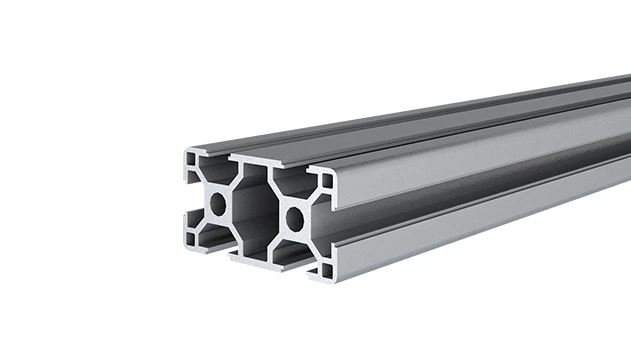
3060 EU Standard Aluminum Profile
3060 is a 3.00 x 6.00CM fractional 30 series square extrusion T-slot profile with four open T-slots, two side with 3.00cm face, two side with 6.0cm face. The profile has align-a-grooves to assist in aligning connecting profiles.
The Critical Role of Cleanliness in Pharmaceutical Production
In the world of pharmaceutical manufacturing, where the smallest particle or microbe can compromise a batch of life-saving medications, cleanliness isn't just a priority—it's a lifeline. Every surface, every piece of equipment, and every workflow must adhere to stringent standards to ensure patient safety, regulatory compliance, and product efficacy. From vaccine production lines to antibiotic manufacturing facilities, the stakes are sky-high: a single contaminated vial could lead to recalls, legal penalties, or worse, harm to those who rely on these treatments.
This is where the choice of materials for production line infrastructure becomes pivotal. Workbenches, material racks, conveyor systems, and even the frames that hold equipment in place must not only be durable and functional but also designed to resist contamination and simplify cleaning. Among the materials rising to this challenge is the 3060 EU standard aluminum profile—a versatile, cleanroom-friendly solution that's transforming how pharmaceutical facilities approach both functionality and hygiene.
Understanding Cleanliness Standards in Pharmaceutical Manufacturing
Regulatory Benchmarks: GMP, ISO, and Beyond
Pharmaceutical cleanrooms operate under some of the strictest regulations in the manufacturing world. Guidelines from the FDA (Food and Drug Administration), EMA (European Medicines Agency), and WHO (World Health Organization) mandate compliance with Good Manufacturing Practices (GMP), which outline requirements for facility design, equipment, and cleaning protocols. Additionally, ISO 14644-1 classifies cleanrooms based on air particle concentration, with pharmaceutical production often requiring ISO 5 (Class 100) or ISO 7 (Class 10,000) environments—meaning fewer than 3,520 particles (≥0.5μm) per cubic meter in ISO 5 spaces.
These standards aren't just about air quality, though. Surfaces must be non-porous to prevent microbial growth, resistant to harsh cleaning chemicals (like hydrogen peroxide or isopropyl alcohol), and free of crevices where dust, bacteria, or residues can hide. For production line infrastructure, this translates to a need for materials that are smooth, easy to sanitize, and compatible with the rigorous cleaning schedules that define pharmaceutical workflows.

Why 3060 EU Standard Aluminum Profile Stands Out for Clean Environments
Material Matters: The Science Behind Aluminum's Cleanliness Edge
At first glance, aluminum might seem like an unlikely hero in ultra-clean environments, overshadowed by stainless steel's reputation for hygiene. But the 3060 EU standard aluminum profile—an aluminum extrusion profile engineered to meet European quality benchmarks—brings unique advantages that make it a standout choice for pharmaceutical lines. Let's break down why:
Non-Porous, Smooth Surfaces: Unlike wood or even some plastics, aluminum extrusion profiles are manufactured through a precise extrusion process, resulting in a dense, non-porous surface. This means no tiny pores for bacteria to colonize or residues to cling to. When anodized—a common finishing process for pharmaceutical-grade aluminum—the surface becomes even more resistant to corrosion and microbial growth, creating a barrier that's easy to wipe down with disinfectants.
Design Flexibility Without Compromise: The 3060 profile's T-slot design is a game-changer for cleanrooms. Unlike welded steel structures, which often have rough, uneven joints that trap debris, T-slot aluminum profiles use aluminum profile accessories like brackets, end caps, and connectors to assemble modular systems. These accessories fit snugly into the slots, eliminating gaps and crevices. Need to reconfigure a workbench or adjust a material rack? No welding or grinding required—simply loosen the accessories, reposition, and tighten. This modularity reduces downtime and avoids the need for on-site modifications that can generate dust or debris.
Lightweight Durability: Pharmaceutical facilities often require frequent deep cleaning, which may involve moving equipment or disassembling workbenches. Aluminum is significantly lighter than stainless steel (about 1/3 the weight), making it easier to maneuver without straining staff or damaging floors. Yet, it's surprisingly strong: 3060 EU standard profiles, with their hollow, reinforced design, can support heavy loads—think centrifuges, mixers, or stacks of raw material containers—without bending or warping, even in high-traffic areas.
Aluminum Profile Accessories: Enhancing Cleanliness and Functionality
A profile is only as good as the accessories that bring it to life, and 3060 EU standard aluminum profiles shine here too. Aluminum profile accessories are designed with cleanroom needs in mind, ensuring that every component works together to maintain hygiene standards:
- Anodized End Caps: These snap into the ends of T-slot profiles, sealing off the open slots to prevent dust, liquids, or particles from accumulating inside. Available in FDA-approved materials, they're a simple but critical detail for maintaining cleanliness.
- Non-Shedding Gaskets: When joining profiles, gaskets made from silicone or EPDM (both compliant with USP Class VI standards) create a tight, seamless seal. Unlike foam gaskets, these materials don't shed fibers, a common source of contamination in cleanrooms.
- Stainless Steel Fasteners: While the profiles themselves are aluminum, accessories like bolts and screws are often stainless steel—resistant to corrosion and compatible with autoclaving for extra sterilization when needed.
- Adjustable Feet and Casters: For mobile workbenches or material racks, aluminum profile accessories include height-adjustable feet with non-slip, non-marking pads (to protect cleanroom floors) and casters with sealed bearings to prevent lubricant leakage. These features ensure equipment stays stable, level, and easy to clean underneath.
The beauty of these accessories is their compatibility. Whether you're building a static workbench or a dynamic conveyor system, aluminum profile accessories integrate seamlessly with 3060 profiles, ensuring the entire structure—from frame to fastener—meets the same high cleanliness standards.
Integrating 3060 Aluminum Profile into Lean Systems for Pharmaceutical Lines
Pharmaceutical manufacturing isn't just about cleanliness—it's also about efficiency. Lean system principles, which focus on minimizing waste, optimizing workflows, and adapting to changing demands, are increasingly central to modern pharma operations. The 3060 EU standard aluminum profile aligns perfectly with these goals, making it a cornerstone of lean-driven cleanrooms.
Reducing Waste Through Modularity: Traditional fixed infrastructure—like welded steel workbenches or custom-built material racks—locks facilities into rigid layouts. If a production line switches from tablet manufacturing to liquid formulations, the old setup may become obsolete, leading to wasteful replacements. With 3060 profiles, however, systems are modular by design. A workbench used for packaging today can be reconfigured into a testing station tomorrow by swapping out accessories or adding new components. This adaptability reduces the need for new equipment, cutting costs and environmental impact.
Optimizing Flow with Flexible Layouts: Lean systems thrive on smooth material flow, and aluminum extrusion profiles enable just that. For example, a lean system might include gravity-fed roller tracks (another component compatible with 3060 profiles) to move raw materials from storage to production, or modular conveyor frames that adjust to bottlenecks in real time. Since these systems are lightweight and easy to reposition, operators can tweak layouts during scheduled downtime without disrupting cleaning protocols.
Minimizing Downtime for Cleaning: In pharma, downtime for cleaning is unavoidable—but it can be minimized. 3060 profile systems are designed for quick disassembly: remove a few accessories, and a workbench top can be lifted off for deep cleaning underneath, or a material rack can be broken down into smaller parts for sanitization in autoclaves. This reduces the time spent on cleaning, getting production lines back up faster while ensuring no area is missed.
In short, 3060 aluminum profiles don't just support cleanliness—they empower lean system strategies that make cleanrooms more agile, cost-effective, and responsive to the ever-evolving demands of pharmaceutical manufacturing.
Comparing 3060 Aluminum Profile to Other Materials in Cleanroom Settings
To truly appreciate the value of 3060 EU standard aluminum profiles, it helps to see how they stack up against other common materials used in pharmaceutical production lines. Below is a comparison of key factors like cleanliness, durability, and cost:
| Material | Cleanliness Features | Durability | Cost (Relative) | Weight | Sustainability |
|---|---|---|---|---|---|
| 3060 EU Standard Aluminum Profile | Non-porous, anodized surface; T-slot design with sealed accessories; easy to disinfect | High (resistant to corrosion and warping); anodized finish extends lifespan | Moderate (more affordable than stainless steel, more durable than plastic) | Light (1/3 the weight of stainless steel) | 100% recyclable; low energy footprint in extrusion process |
| Stainless Steel | Excellent corrosion resistance; smooth surface | Very high (but prone to scratching if not properly maintained) | High (3-4x the cost of aluminum) | Heavy (difficult to reposition) | Recyclable, but higher energy use in production |
| Plastic (PVC/Polypropylene) | Smooth, but can degrade with harsh chemicals; prone to static buildup (attracts dust) | Low (can warp under heat or heavy loads) | Low (but frequent replacement offsets initial savings) | Light | Non-biodegradable; limited recyclability |
| Wood | Porous (traps bacteria/residues); requires frequent sealing | Very low (prone to rot, warping, and splintering) | Low | Moderate | Renewable, but not suitable for cleanrooms |
While stainless steel remains a strong competitor, the 3060 aluminum profile's balance of cost, weight, and modularity makes it the smarter choice for facilities aiming to meet both cleanliness and lean system goals. It's no wonder that leading pharmaceutical manufacturers are increasingly swapping steel for aluminum in new and retrofitted cleanrooms.
Real-World Applications: 3060 Aluminum Profile in Pharmaceutical Facilities
To understand the impact of 3060 EU standard aluminum profiles, let's look at a real-world example. A mid-sized vaccine manufacturer in Germany recently retrofitted its filling line with aluminum extrusion profile workbenches and material racks, replacing outdated steel structures. The results were striking:
- 50% Reduction in Cleaning Time: The smooth, anodized aluminum surfaces and sealed T-slot accessories allowed operators to sanitize workbenches 50% faster than with the old steel setup, which had welded joints and hard-to-reach corners.
- 30% Fewer Contamination Events: By eliminating crevices where dust and microbes accumulated, the facility saw a 30% drop in particle counts during routine cleanroom audits, reducing the risk of batch rejections.
- 25% Lower Energy Costs: The lighter weight of aluminum systems reduced the load on HVAC systems, cutting energy use for climate control—critical in ISO 5 cleanrooms where air circulation is constant.
Another example comes from a U.S.-based biotech firm specializing in personalized medicine. With production runs that often change weekly, the company needed a flexible workspace. Using 3060 profiles and aluminum profile accessories, they built modular workbenches that can be reconfigured in under an hour, adapting to new therapies without disrupting cleaning schedules. This flexibility has allowed them to scale production by 40% without expanding their facility footprint.
Maintenance and Cleaning Best Practices for 3060 Aluminum Profile Systems
Even the most cleanliness-friendly materials require proper care to maintain performance. Here's how to keep 3060 EU standard aluminum profile systems in top shape:
Daily Cleaning
- Use a lint-free microfiber cloth dampened with 70% isopropyl alcohol or a FDA-approved disinfectant (avoid abrasive cleaners or scouring pads, which can scratch the anodized finish).
- Pay special attention to T-slot areas and aluminum profile accessories—wipe along the slots to remove any dust, and check that end caps are secure to prevent debris buildup inside.
- For spills, clean immediately with a mild detergent and water, then disinfect to prevent residue formation.
Weekly Deep Cleaning
- Inspect accessories for wear or looseness—tighten any bolts or brackets that have shifted, and replace damaged end caps or gaskets to maintain seals.
- Use a soft-bristled brush (nylon, not steel) to gently clean T-slot crevices, then wipe with disinfectant.
- Check for signs of corrosion (unlikely with anodized aluminum, but possible in high-humidity areas)—if spotted, lightly sand the area and apply a food-grade aluminum sealant.
Long-Term Care
- Avoid exposing aluminum profiles to extreme temperatures (above 120°C/248°F) or prolonged UV light, which can degrade the anodized finish.
- When reconfiguring systems, use only compatible aluminum profile accessories to ensure proper fit and seal.
- Recycle old or damaged profiles—aluminum is 100% recyclable, and many suppliers offer take-back programs for end-of-life materials.
Conclusion: The Future of Clean Pharmaceutical Production with 3060 Aluminum Profile
In pharmaceutical manufacturing, where precision, safety, and efficiency intersect, the 3060 EU standard aluminum profile emerges not just as a material, but as a strategic asset. Its blend of cleanliness, durability, modularity, and cost-effectiveness makes it uniquely suited to meet the dual demands of modern pharma: adhering to strict regulatory standards while embracing lean system principles that drive innovation.
As the industry continues to evolve—with personalized medicine, continuous manufacturing, and stricter global regulations on the horizon—the need for flexible, contamination-resistant infrastructure will only grow. 3060 aluminum extrusion profiles, paired with high-quality aluminum profile accessories, are poised to lead this charge, enabling facilities to build cleaner, smarter, and more sustainable production lines.
For pharmaceutical manufacturers looking to invest in the future, the message is clear: when it comes to cleanliness, functionality, and adaptability, the 3060 EU standard aluminum profile isn't just a choice—it's a commitment to excellence.