- Company Articles
- Industry articles
- Industry standards
- 3060 EU Standard Aluminum Profile for Renewable Energy Systems: Wind & Hydro Applications

3060 EU Standard Aluminum Profile for Renewable Energy Systems: Wind & Hydro Applications
Related Product
3060 EU Standard Aluminum Profile
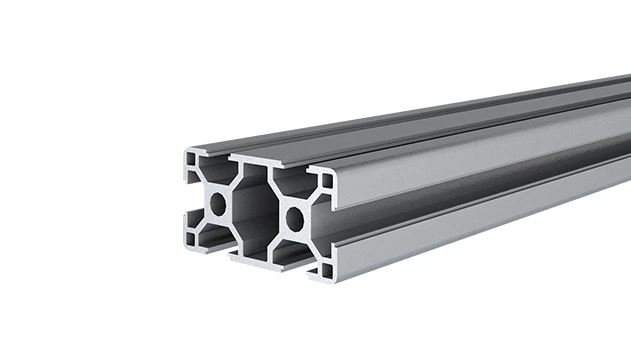
3060 is a 3.00 x 6.00CM fractional 30 series square extrusion T-slot profile with four open T-slots, two side with 3.00cm face, two side with 6.0cm face. The profile has align-a-grooves to assist in aligning connecting profiles.
Renewable energy isn't just a buzzword anymore—it's the backbone of our global shift toward a sustainable future. As countries race to reduce carbon footprints, wind and hydro power have emerged as two of the most reliable workhorses in this transition. But here's the thing: building a wind turbine that can withstand gale-force winds or a hydroelectric system that endures constant water exposure isn't just about big ideas. It's about the materials that hold those ideas together. Today, we're diving into a material that's quietly revolutionizing how we build these systems: the 3060 EU standard aluminum profile. If you've ever wondered what makes modern renewable energy infrastructure both tough and adaptable, stick around—this one's for you.
Why Materials Matter in Renewable Energy
Let's start with the basics: renewable energy systems operate in some of the harshest environments on the planet. A wind turbine perched on a coastal cliff faces salt spray, high humidity, and extreme temperature swings. A hydroelectric plant nestled by a river deals with constant moisture, corrosion from water-borne minerals, and the weight of mechanical components that never stop moving. In these settings, the materials used can make or break a system's lifespan, efficiency, and cost-effectiveness.
For decades, steel was the go-to choice for heavy-duty structures. It's strong, sure, but it's also heavy—think about the logistics of transporting a steel frame for a wind turbine blade across mountainous terrain. And steel rusts, which means constant maintenance in wet or salty environments. Then there's wood, which is renewable but lacks the structural integrity needed for large-scale energy systems. Enter aluminum: lightweight, corrosion-resistant, and surprisingly strong. But not just any aluminum—we're talking about precision-engineered profiles like the 3060 EU standard aluminum extrusion profile. This isn't your average aluminum foil; it's a game-changer.
What Exactly Is 3060 EU Standard Aluminum Profile?
If you're new to the world of industrial materials, the term "3060 EU standard aluminum profile" might sound like technical jargon. Let's break it down. First, "aluminum extrusion profile" refers to how the material is made: molten aluminum is pushed through a die to create a specific cross-sectional shape. This process allows for incredible precision—think of it like squeezing Play-Doh through a fun-shaped cutter, but on an industrial scale. The result? A profile with consistent dimensions, structural uniformity, and endless design possibilities.
Now, the "3060" part: that's all about size. In EU standard measurements, this profile is 30 millimeters wide and 60 millimeters tall. It's a medium-sized profile, balancing strength and versatility—small enough to be lightweight but large enough to support heavy loads. And "EU standard" means it meets strict European union regulations for quality, safety, and sustainability. We're talking about standards for tensile strength (how much force it can handle before breaking), corrosion resistance, and even recyclability. For renewable energy projects, which often span multiple countries, this standardization is a huge plus—no more guesswork about whether a component from Germany will fit with one from Spain.
But what really sets the 3060 profile apart is its design. Most aluminum extrusion profiles, including this one, feature T-slots—longitudinal grooves along the surface. These slots aren't just for show; they're where aluminum profile accessories come into play. Think brackets, connectors, hinges, and fasteners that slide into the slots and lock in place. This modularity means you can build almost anything—from a simple workbench to a complex support structure for a hydroelectric turbine—without welding or drilling. Need to adjust the height of a component? Just loosen the fastener, slide it, and re-tighten. It's like building with giant, industrial-grade Legos, and it's a game-changer for renewable energy systems that need to adapt as technology evolves.

Key Benefits for Wind & Hydro Applications
Okay, so we know what the 3060 profile is—but why is it specifically suited for wind and hydro energy? Let's break down the benefits that make it stand out in these demanding environments.
1. Lightweight Without Sacrificing Strength
Wind turbines are massive. The average onshore turbine stands over 100 meters tall, with blades spanning 50 meters or more. Every extra kilogram in the tower or nacelle (the box at the top that holds the generator) increases the load on the foundation and makes transportation a nightmare. Aluminum is about one-third the weight of steel, which means 3060 profiles can reduce the overall weight of turbine components without compromising structural integrity. For example, a support frame for turbine electronics made with 3060 aluminum might weigh half as much as a steel equivalent, cutting fuel costs during transport and easing installation.
Hydro systems face similar challenges. Imagine building a maintenance platform inside a dam—you need something strong enough to hold workers and equipment but light enough to be installed without reinforcing the dam's walls. The 3060 profile's strength-to-weight ratio makes it ideal here. It can support heavy loads (we're talking hundreds of kilograms per meter) while remaining easy to maneuver, even in tight spaces like dam tunnels.
2. Corrosion Resistance: A Must for Wet Environments
Wind turbines by the coast? Hydroelectric plants submerged in water? These are environments where corrosion is the enemy. Steel would rust in months; even untreated aluminum can corrode over time. But 3060 EU standard aluminum profiles are typically treated with anodization—a process that creates a protective oxide layer on the surface. This layer acts like a shield, preventing water, salt, and chemicals from eating away at the metal. In hydro applications, where components might be exposed to river water or even seawater (in tidal energy systems), this resistance is non-negotiable. It means less maintenance, longer lifespans, and lower long-term costs.
3. Modularity: Build, Adapt, Repeat
Renewable energy technology is evolving faster than ever. A wind turbine design from five years ago might be obsolete today, and hydro systems often need upgrades to improve efficiency. The 3060 profile's T-slot design and compatibility with aluminum profile accessories make it incredibly modular. Need to add a new sensor mount to a turbine nacelle? Slide a bracket into the T-slot and tighten a bolt. Want to reconfigure a workbench in a hydro plant's maintenance shop? Disassemble the profile, rearrange the parts, and reassemble—no welding required. This flexibility reduces downtime during upgrades and extends the useful life of infrastructure, which is crucial for keeping renewable energy costs competitive.
4. Sustainability: Aligning with Green Goals
At the end of the day, renewable energy is about sustainability—and the materials we use should reflect that. Aluminum is 100% recyclable, and recycling it uses just 5% of the energy needed to produce new aluminum. The 3060 EU standard profile takes this a step further: EU standards mandate responsible sourcing of raw materials, so you can trust that the aluminum comes from mines with strict environmental and labor practices. When a wind turbine or hydro system reaches the end of its life, the 3060 profiles can be recycled into new components, closing the loop on sustainability. It's a material that doesn't just support renewable energy—it embodies it.
Wind Energy Applications: From Turbines to Workbenches
Wind energy is all about capturing the power of moving air, but behind every spinning turbine is a network of components that need to be strong, lightweight, and reliable. Let's explore how 3060 aluminum profiles are making their mark here.
Turbine Nacelle Frames
The nacelle is the "brain" of a wind turbine—it houses the generator, gearbox, and control systems. It's also exposed to extreme conditions: high winds, rain, and temperature fluctuations. The frame that holds all these components together needs to be rigid enough to prevent vibration (which can damage sensitive electronics) but light enough to not strain the turbine tower. 3060 profiles excel here. Engineers can assemble a custom frame using T-slots and aluminum profile accessories like corner brackets and crossbars, creating a structure that's both strong and lightweight. And because the profile is corrosion-resistant, there's no need for heavy paint or coatings, which adds even more weight.
Assembly Workbenches
Before a wind turbine ever reaches a wind farm, its components are built and tested in factories. This is where the workbench comes in. Assembly line workers need sturdy surfaces to mount parts, attach wiring, and perform quality checks. A workbench made with 3060 aluminum profiles is perfect for this. Unlike wooden workbenches, which warp or splinter over time, or steel ones that rust, an aluminum workbench is durable and easy to customize. Add a pegboard for tools using T-slot hooks, mount a vice for holding parts, or attach a power strip—all without drilling holes. And because aluminum is non-conductive, it's safer for working with electrical components, which is a big plus in turbine assembly.
Material Handling Racks
Wind turbine components are big and bulky—think gearbox parts that weigh hundreds of kilograms. Factories need efficient ways to store and move these parts without damaging them. Material racks built with 3060 profiles are a solution. Using vertical and horizontal profiles connected by aluminum profile accessories, workers can create custom racks with adjustable shelves. Need to store longer items like turbine blades? Extend the horizontal profiles. Have smaller parts like bolts and washers? Add dividers using T-slot dividers. And because the racks are lightweight, they can be moved with a pallet jack if the assembly line layout changes—no need for heavy machinery.
Hydro Energy Applications: Navigating Water and Wear
Hydro energy harnesses the power of flowing or falling water, from massive dams to small run-of-river systems. In these environments, materials must withstand constant moisture, pressure, and the occasional flood. Here's how 3060 aluminum profiles rise to the challenge.
Dam Maintenance Platforms
Dams are engineering marvels, but they need regular maintenance to stay safe and efficient. Inspecting the dam face, repairing valves, or cleaning intake screens often requires workers to access hard-to-reach areas. Scaffolding is one option, but it's time-consuming to set up and heavy to transport. Enter 3060 aluminum profiles. Engineers can build lightweight, modular platforms that attach to the dam's structure using corrosion-resistant brackets. The platforms can be adjusted to different heights using T-slot adjusters, and because aluminum is buoyant compared to steel, they're easier to maneuver in and out of the water. Plus, the anodized finish ensures the platform won't corrode, even when submerged for extended periods.
Conveyor Systems for Maintenance
Hydroelectric plants often have narrow passageways and tunnels where workers need to transport tools, parts, and equipment. A conveyor system can make this easier, but traditional steel conveyors are heavy and prone to rust in damp environments. A conveyor built with 3060 profiles is a better alternative. The lightweight profiles reduce the load on the conveyor's motor, making it more energy-efficient. Aluminum rollers (another aluminum extrusion profile product) can be mounted to the frame using T-slot brackets, creating a smooth, low-friction surface for moving items. And if a part of the conveyor gets damaged, it's easy to replace just the affected section using aluminum profile accessories—no need to replace the entire system.
Fish Ladder Components
Hydroelectric dams can disrupt fish migration, so many systems include fish ladders—structures that help fish swim upstream past the dam. These ladders need to be durable enough to withstand fast-moving water but gentle enough to not harm fish. 3060 profiles are used to build the frames for fish ladder baffles (the structures that slow the water flow). The profiles are lightweight, so they don't add unnecessary weight to the dam, and their smooth surfaces (thanks to anodization) prevent fish from getting injured. Plus, if the ladder needs modifications to better suit local fish species, the modular design makes adjustments easy.
How 3060 Stacks Up Against Other Materials
To really understand why 3060 EU standard aluminum profile is a top choice for renewable energy, let's compare it to other common materials.
| Material | Weight (kg/m) | Corrosion Resistance | Modularity | Recyclability | Cost (Relative) |
|---|---|---|---|---|---|
| 3060 Aluminum Profile | 1.8–2.2 (varies by wall thickness) | High (anodized finish) | Excellent (T-slots + accessories) | 100% recyclable | Moderate (higher upfront, lower maintenance) |
| Steel (Carbon) | 7.8–8.0 | Low (requires painting/coating) | Poor (welding required for changes) | Recyclable (high energy cost) | Low upfront, high long-term (maintenance) |
| Wood (Hardwood) | 0.6–0.9 (lighter, but less strong) | Low (prone to rot/mold) | Very Low (permanent cuts/joints) | Biodegradable, not recyclable for same use | Low upfront, very high long-term (replacement) |
| 2040 Aluminum Profile (Smaller) | 1.2–1.5 | High | Excellent | 100% recyclable | Similar to 3060, but less load capacity |
As you can see, 3060 aluminum profile strikes a balance that's hard to beat. It's lighter than steel, more durable than wood, and more versatile than smaller aluminum profiles. For renewable energy systems, where every kilogram saved and every maintenance dollar cut counts, this balance is crucial.
Real-World Impact: Case Studies
Numbers and specs are great, but let's look at how 3060 profiles are making a difference in real projects.
Offshore Wind Farm in the North Sea
A European energy company was building an offshore wind farm 50 kilometers off the coast of Denmark. Offshore environments are brutal—saltwater spray, high winds, and corrosive air. The company needed a material for the nacelle frames that could withstand these conditions without adding too much weight. They chose 3060 EU standard aluminum profiles. By using modular frames assembled with aluminum profile accessories, they reduced the weight of each nacelle by 15% compared to steel frames. This cut transportation costs (since lighter nacelles require smaller ships) and reduced the load on the turbine towers, extending their lifespan. After three years in operation, inspections showed no signs of corrosion, and the company reported 20% lower maintenance costs than with previous steel-based systems.
Hydroelectric Plant Upgrade in Norway
A hydroelectric plant in Norway, built in the 1980s, needed to upgrade its maintenance infrastructure. The old steel workbenches and material racks were rusting, and the fixed shelves made it hard to adapt to new equipment. The plant switched to 3060 aluminum profiles for workbenches and adjustable material racks. Workers could now customize their workstations with tool holders and power strips, and the racks could be reconfigured in minutes as new components were introduced. The plant reported a 35% increase in assembly line efficiency and a 50% reduction in maintenance time for the workbenches and racks. Plus, when the old steel equipment was recycled, the aluminum profiles' recyclability meant the plant qualified for green energy tax incentives.
The Future of 3060 Aluminum Profile in Renewable Energy
As renewable energy technology advances, so too will the materials that support it. Here's what we can expect for 3060 EU standard aluminum profiles.
Integration with Smart Technology
The next generation of wind and hydro systems will be smarter, with sensors that monitor performance in real time. 3060 profiles' T-slots are perfect for embedding these sensors. Imagine a wind turbine nacelle frame with built-in strain sensors that alert operators if a component is under too much stress—all mounted securely in the T-slot using custom aluminum profile accessories. This integration will make predictive maintenance easier, reducing downtime and extending system lifespans.
Eco-Friendly Coatings
While anodization is already eco-friendly, researchers are developing new coatings for aluminum profiles that enhance their properties. For example, self-healing coatings that repair small scratches, reducing the need for maintenance. Or solar-reflective coatings that keep profiles cool in hot environments, improving efficiency in desert-based solar-hydro hybrid systems. These coatings will make 3060 profiles even more versatile in extreme renewable energy environments.
3D-Printed Accessories
Aluminum profile accessories are currently mass-produced, but 3D printing could allow for on-demand, custom accessories. Need a unique bracket for a specialized hydro sensor? Print it on-site using recycled plastic or even aluminum. This would reduce lead times for custom components and cut down on shipping emissions, aligning with the sustainability goals of renewable energy projects.
Conclusion: Building a Sustainable Future, One Profile at a Time
Renewable energy is more than just a trend—it's our path to a greener planet. And behind every wind turbine, hydroelectric dam, and solar farm is a material that makes it all possible. The 3060 EU standard aluminum extrusion profile may not be the most glamorous part of these systems, but it's a unsung hero. Its lightweight strength, corrosion resistance, and modularity make it perfect for the harsh environments of wind and hydro energy. Whether it's supporting a turbine nacelle, creating a workbench for assembly, or building a fish ladder, this profile is proving that the right material can turn big ideas into reality.
As we look to the future, one thing is clear: the demand for renewable energy will only grow, and so will the need for innovative materials like 3060 aluminum profile. It's not just about building better energy systems—it's about building a better world. And with aluminum's recyclability and the profile's adaptability, we can do that without compromising on strength, efficiency, or sustainability. So the next time you see a wind turbine spinning or a river flowing through a hydro plant, remember: there's a good chance a 3060 aluminum profile is holding it all together. Here's to a future where our energy is clean, our materials are smart, and our planet is thriving.