- Company Articles
- Industry articles
- Industry standards
- 3060 EU Standard Aluminum Profile in Cleanrooms: Why EU Compliance Matters for Medical

3060 EU Standard Aluminum Profile in Cleanrooms: Why EU Compliance Matters for Medical
Related Product
3060 EU Standard Aluminum Profile
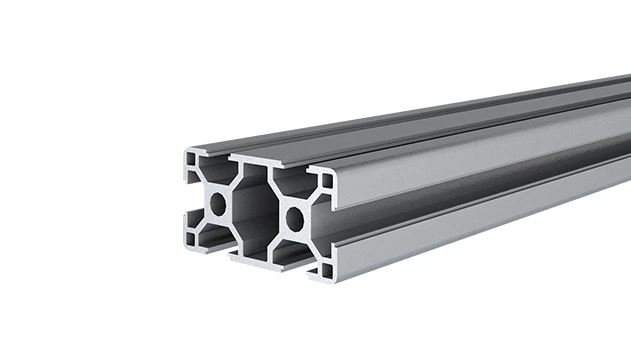
3060 is a 3.00 x 6.00CM fractional 30 series square extrusion T-slot profile with four open T-slots, two side with 3.00cm face, two side with 6.0cm face. The profile has align-a-grooves to assist in aligning connecting profiles.
Walk into any modern medical manufacturing facility, and you'll likely be struck by one thing first: the pristine, almost clinical atmosphere of the cleanrooms. These controlled environments, where air particles, temperature, and humidity are meticulously regulated, are the backbone of producing life-saving pharmaceuticals, precision medical devices, and sterile surgical tools. But what you might not notice at first glance is the unsung hero holding it all together—the materials that build the workbenches, material racks, and conveyor systems that keep production running smoothly. Among these materials, one stands out for its blend of durability, versatility, and compliance: the 3060 EU standard aluminum profile. In the high-stakes world of medical manufacturing, where a single particle of dust or a tiny flaw in equipment can compromise patient safety, choosing the right materials isn't just a matter of efficiency—it's a matter of life and death. That's why EU compliance isn't just a box to check; it's the foundation of trust in every product that leaves these facilities.
The Critical Role of Cleanrooms in Medical Manufacturing
Cleanrooms aren't just "clean" by everyday standards—they're engineered to meet strict classification systems, like ISO 14644, which define the maximum allowable concentration of airborne particles. In medical settings, even the smallest contaminants can have catastrophic consequences. Imagine a batch of injectable medication contaminated by a stray metal shard, or a surgical implant with microscopic bacteria trapped in its components. These scenarios aren't just hypothetical; they've led to product recalls, patient harm, and even loss of life. That's why cleanrooms in pharmaceutical and medical device production often operate at ISO 7 or ISO 8 standards, where the air is filtered to remove particles as small as 0.5 micrometers (for context, a human hair is about 50 micrometers thick).
But maintaining this level of cleanliness isn't just about air filtration. Every surface, every piece of equipment, and every material used in the cleanroom must contribute to, not detract from, the controlled environment. Traditional materials like wood or untreated steel fall short here: wood can harbor bacteria in its pores, while steel is prone to rust if not properly coated, creating flaky particles that contaminate the air. Plastic, though lightweight, may not stand up to the rigorous cleaning protocols—think daily wipe-downs with harsh disinfectants like isopropyl alcohol or hydrogen peroxide. This is where aluminum profiles, specifically those meeting EU standards, step in as a game-changer.
Why EU Compliance Isn't Optional in Medical Manufacturing
If you've ever purchased a medical device or medication in Europe, you've probably seen the CE mark—a symbol indicating that the product meets the essential requirements of EU health, safety, and environmental protection legislation. But compliance doesn't stop at the final product; it extends to the tools and materials used to make it. The EU's Medical Device Regulation (MDR) and In Vitro Diagnostic Regulation (IVDR) set strict standards for manufacturing processes, including the equipment and materials used in production. For aluminum profiles, this means meeting criteria for material purity, surface finish, resistance to corrosion, and compatibility with cleaning agents—all to ensure they don't introduce contaminants into the cleanroom environment.
EU compliance also involves rigorous testing. For example, aluminum profiles intended for medical cleanrooms must undergo biocompatibility testing to ensure they don't leach harmful substances, even after repeated exposure to cleaning chemicals. They must also meet mechanical strength requirements to withstand the daily wear and tear of production—like the constant movement of materials on conveyor systems or the weight of heavy equipment on workbenches. Perhaps most importantly, EU standards ensure traceability: every batch of aluminum profile can be tracked back to its source, making it easier to identify and address issues if they arise. In an industry where accountability is paramount, this traceability isn't just reassuring—it's legally required.

Introducing the 3060 EU Standard Aluminum Profile: A Cleanroom Workhorse
At first glance, the 3060 EU standard aluminum profile might seem like just another piece of metal. But look closer, and you'll see why it's become a staple in medical cleanrooms. Let's break down the numbers: "3060" refers to its dimensions—30 millimeters in width and 60 millimeters in height. This specific sizing isn't arbitrary; it strikes a balance between structural stability and versatility, making it ideal for building everything from lightweight workbenches to heavy-duty material racks. The "EU standard" label, however, is what truly sets it apart. Unlike generic aluminum profiles, which may cut corners on material quality or finish, 3060 EU standard profiles are manufactured to meet EN 755, the European standard for aluminum and aluminum alloys, ensuring consistent mechanical properties and chemical composition.
One of the key features of the 3060 profile is its extrusion process. Aluminum extrusion involves forcing heated aluminum through a die to create a specific cross-sectional shape, and the 3060 profile's design includes T-slots running along its length. These T-slots are more than just a design quirk—they're the secret to its modularity. Using aluminum profile accessories like bolts, nuts, and brackets, manufacturers can quickly assemble, disassemble, or reconfigure equipment without welding or drilling, which would generate harmful particles in the cleanroom. Imagine a pharmaceutical company needing to adjust its production line to accommodate a new drug formulation: with 3060 profiles, they can rework their material racks or conveyors in hours, not days, minimizing downtime and ensuring compliance with production schedules.
But modularity is just the start. The 3060 profile's surface finish is another critical advantage. Most EU standard aluminum profiles undergo anodization, an electrochemical process that creates a protective oxide layer on the surface. This layer isn't just for aesthetics—it's incredibly hard, resistant to scratches, and non-porous, making it easy to clean and disinfect. In a cleanroom where daily wipe-downs with aggressive chemicals are the norm, this resistance to corrosion and chemical damage ensures the profile maintains its integrity over time, reducing the risk of flaking or particle shedding. Compare this to untreated steel, which might start to rust after repeated exposure to moisture, or plastic, which could degrade and become brittle under harsh cleaning agents. The 3060 profile's anodized finish is a silent guardian of cleanroom purity.
How 3060 EU Profiles Meet the Unique Demands of Medical Cleanrooms
To truly appreciate why the 3060 EU standard aluminum profile is a cleanroom favorite, let's dive into specific use cases and how it addresses the unique challenges of medical manufacturing.
1. Workbenches: The Heart of Precision Assembly
Medical device assembly—think pacemakers, insulin pumps, or surgical instruments—requires workbenches that are stable, easy to clean, and adaptable. A 3060 profile workbench ticks all these boxes. The T-slots allow for the attachment of accessories like tool holders, LED task lights, or ESD (electrostatic discharge) mats, which are critical for protecting sensitive electronic components from static damage. The anodized surface resists stains and chemical discoloration, even after daily use of disinfectants like quaternary ammonium compounds (QACs), which are common in medical cleanrooms. And because the profile is lightweight compared to steel, the workbench can be moved (with the addition of casters) if the production layout needs to change—without compromising stability when in use.
2. Material Racks: Organizing Supplies Without Contamination
In pharmaceutical production, raw materials like active pharmaceutical ingredients (APIs) or sterile vials need to be stored in a way that prevents cross-contamination and ensures easy access. 3060 profiles are ideal for building material racks, thanks to their strength-to-weight ratio. A typical material rack built with 3060 profiles can support hundreds of kilograms of weight, yet remains lightweight enough to be maneuvered if needed. The modular design also allows for adjustable shelving, so the rack can be customized to fit different container sizes—from small vials to large drums of raw materials. And because the aluminum surface is non-porous, there's no risk of mold or bacteria growing in cracks or crevices, unlike wooden shelves which can absorb moisture and harbor contaminants.
3. Conveyor Systems: Moving Materials Safely and Efficiently
Conveyor systems are the arteries of medical manufacturing, transporting products from one production stage to the next. Whether it's moving vials through a filling line or transporting surgical tools to packaging, these systems must operate smoothly to avoid jostling delicate items. 3060 profiles form the frame of many conveyor systems, providing a rigid yet lightweight structure that supports roller tracks or belts. The T-slots allow for precise alignment of rollers, ensuring materials move evenly and don't get stuck—a critical feature when dealing with fragile items like glass syringes. Additionally, the corrosion resistance of the 3060 profile means conveyor systems can be installed in cleanrooms with high humidity levels, such as those used in biopharmaceutical production, without fear of rust or degradation.
Aluminum Profile Accessories: Enhancing Functionality in Cleanrooms
A 3060 profile is only as good as the accessories that accompany it. Aluminum profile accessories—like brackets, joints, end caps, and gussets—are designed to work seamlessly with the profile, enhancing its functionality while maintaining compliance with EU standards. Take internal straight aluminum joints, for example: these connectors allow two 3060 profiles to be joined at right angles without welding, creating a smooth, crevice-free corner that's easy to clean. Unlike traditional welded joints, which can trap dirt and bacteria, these accessories leave no gaps, reducing the risk of contamination.
End caps are another essential accessory. These plastic or aluminum caps fit snugly into the ends of the 3060 profile, preventing dust, debris, or moisture from collecting inside the T-slots. In a cleanroom, where even a single dust particle can be problematic, this simple addition goes a long way in maintaining air quality. Similarly, gussets—triangular brackets used to reinforce joints—add stability to structures like workbenches or racks without adding unnecessary weight. All these accessories are manufactured to the same EU standards as the 3060 profile itself, ensuring they're resistant to cleaning chemicals and won't introduce contaminants into the environment.
3060 EU Profile vs. Alternatives: A Comparison
To understand why the 3060 EU standard aluminum profile is the preferred choice for medical cleanrooms, let's compare it to other common materials:
| Feature | 3060 EU Standard Aluminum Profile | Untreated Steel | Plastic (PVC/PP) | Wood |
|---|---|---|---|---|
| EU Compliance for Medical Use | Meets EN 755 and MDR requirements | May require additional coating; risk of rust | May not meet biocompatibility standards | Not compliant (porous, harbors bacteria) |
| Cleanability | Non-porous, anodized surface; easy to disinfect | Prone to rust; requires regular re-coating | Can degrade with harsh chemicals; may scratch | Porous; absorbs moisture and chemicals |
| Modularity | High (T-slots and compatible accessories) | Low (requires welding/drilling) | Moderate (limited strength for heavy use) | Low (fixed structure, difficult to modify) |
| Strength-to-Weight Ratio | High (strong yet lightweight) | High strength but heavy | Low (not suitable for heavy loads) | Moderate but variable (depends on wood type) |
| Longevity in Cleanrooms | 10+ years with minimal maintenance | 5-7 years (with coating); shorter if rust occurs | 3-5 years (prone to cracking/degradation) | 2-3 years (prone to warping, rot) |
As the table shows, the 3060 EU standard aluminum profile outperforms alternatives in nearly every category that matters for medical cleanrooms. Its compliance, cleanability, modularity, and longevity make it a cost-effective choice in the long run, even if the initial investment is higher than plastic or untreated steel.
Addressing Challenges in Medical Cleanrooms: How 3060 Profiles Deliver Solutions
Medical cleanrooms face unique challenges beyond just maintaining cleanliness. Let's explore how 3060 EU standard aluminum profiles help overcome these hurdles:
Challenge 1: Rapidly Changing Production Needs
Medical manufacturing is dynamic. A facility might produce one type of medical device today and shift to another tomorrow, requiring quick changes to production layouts. The modularity of 3060 profiles allows for this flexibility. For example, a workbench used for assembling glucose monitors can be reconfigured into a material rack for storing surgical masks by simply adjusting the shelving and accessories—no need for new equipment or extensive construction. This agility reduces downtime and ensures facilities can adapt to market demands, like the rapid production of PPE during a pandemic.
Challenge 2: Strict Regulatory Audits
Regulatory bodies like the European Medicines Agency (EMA) or the FDA conduct regular audits of medical manufacturing facilities, and non-compliant equipment can lead to fines or shutdowns. 3060 EU standard profiles come with documentation proving compliance with EN 755 and other relevant standards, making audits smoother. Additionally, the traceability of EU-standard materials means auditors can easily verify the origin and quality of the profiles used in equipment, reducing the risk of non-compliance findings.
Challenge 3: Worker Safety and Ergonomics
Cleanroom workers spend hours on their feet, performing repetitive tasks. Ergonomics is critical to preventing injuries and ensuring productivity. 3060 profiles allow for the construction of adjustable-height workbenches, which can be tailored to each worker's height, reducing strain on the back and shoulders. The lightweight nature of aluminum also means that equipment like mobile material carts can be moved easily by workers, reducing the risk of musculoskeletal injuries associated with lifting heavy objects.
The Future of Medical Cleanrooms: Why 3060 Profiles Will Remain Essential
As medical manufacturing continues to evolve—with trends like personalized medicine, 3D-printed implants, and advanced biopharmaceuticals—cleanroom requirements will only become more stringent. The 3060 EU standard aluminum profile is well-positioned to meet these future demands. For one, its modular design aligns with the growing trend toward lean system principles in medical manufacturing, where efficiency and waste reduction are prioritized. By allowing quick reconfiguration, 3060 profiles help facilities minimize waste in terms of time, materials, and space.
Additionally, as sustainability becomes a key focus in the industry, aluminum's recyclability is a major advantage. Unlike plastic, which often ends up in landfills, aluminum can be recycled repeatedly without losing its properties, reducing the environmental footprint of medical manufacturing. EU standards are also evolving to include stricter sustainability criteria, and 3060 profiles, with their long lifespan and recyclability, are already ahead of the curve.
Perhaps most importantly, the 3060 profile's track record of reliability and compliance gives medical manufacturers the confidence to innovate. When you're developing a breakthrough medical device or a life-saving drug, the last thing you want to worry about is whether your production equipment is up to the task. With 3060 EU standard aluminum profiles, that worry fades—allowing manufacturers to focus on what matters most: improving patient outcomes.
Conclusion: EU Compliance as a Foundation for Trust
In the world of medical manufacturing, every detail matters. From the air we breathe in cleanrooms to the materials we use to build production equipment, each element plays a role in ensuring the safety and efficacy of the products that reach patients. The 3060 EU standard aluminum profile may not be the most glamorous part of this process, but it's a critical one. Its compliance with EU standards ensures it meets the highest benchmarks for material purity, durability, and cleanability, while its modular design and versatility make it adaptable to the ever-changing needs of the industry.
For medical manufacturers, choosing 3060 EU standard profiles isn't just about following regulations—it's about building trust. Trust with regulators, trust with healthcare providers, and, most importantly, trust with patients who rely on their products. In a field where there's no room for error, the 3060 profile stands as a testament to the commitment to quality and safety that defines medical manufacturing.
So the next time you walk into a medical cleanroom, take a moment to look around at the workbenches, racks, and conveyors. Chances are, they're built with 3060 EU standard aluminum profiles—and that's a good thing. Because when it comes to saving lives, compliance, reliability, and attention to detail aren't just priorities—they're everything.