- Company Articles
- Industry articles
- Industry News
- 40 Steel Roller Track Green vs. Carbon Steel: Environmental Performance Comparison

40 Steel Roller Track Green vs. Carbon Steel: Environmental Performance Comparison
Related Product
40 Steel Roller Track Green
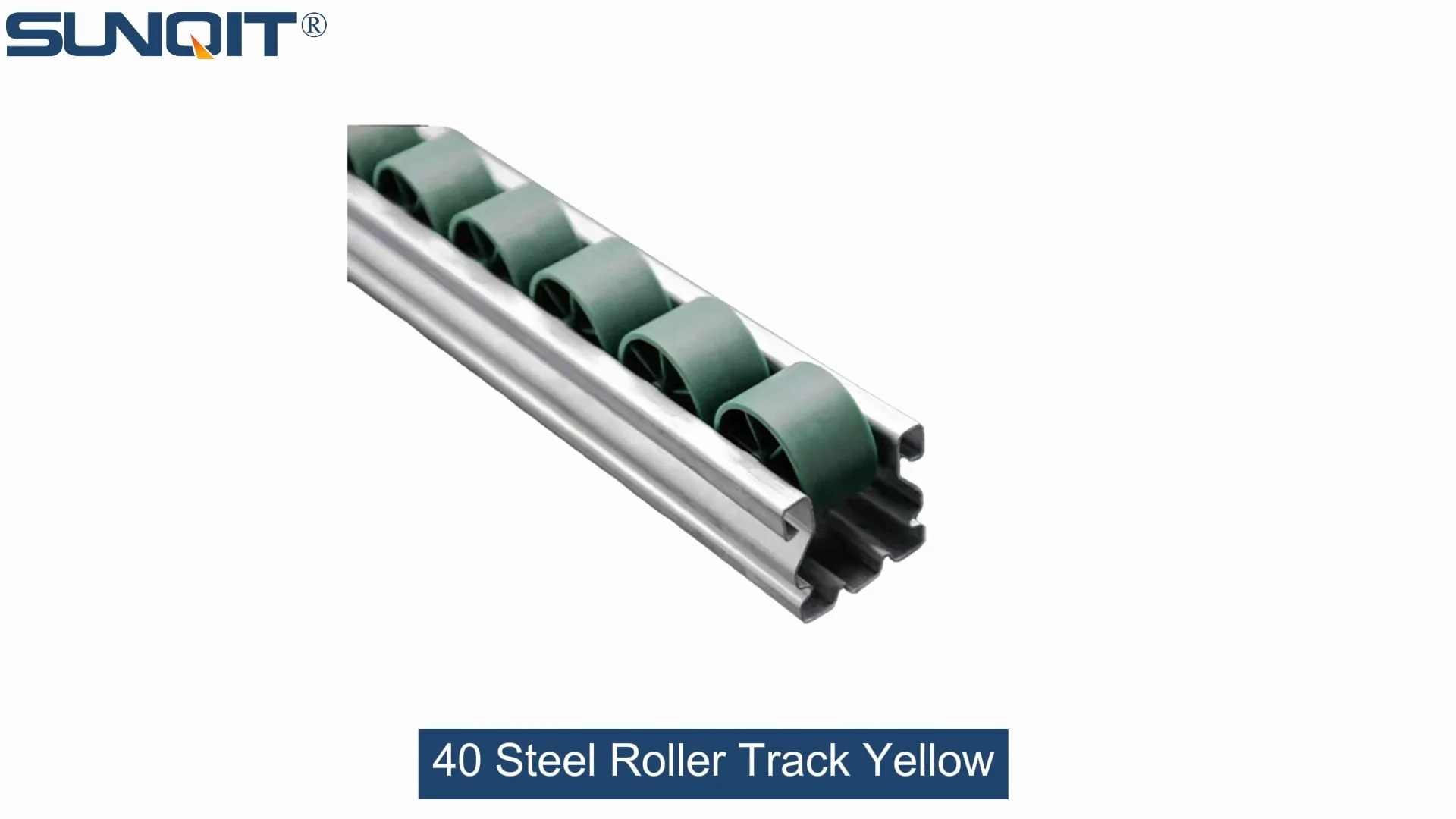
The roller track can be installed with multiple accessories to create different slopes and configurations of flow racks.All steel conveyor 40 roller track accessories are engineered to perfectly fit the sliding rail.
40 Steel Roller Track Green vs. Carbon Steel: Environmental Performance Comparison
Ever wondered how the small parts in your manufacturing line affect your company's environmental footprint? For businesses looking to adopt lean solutions and sustainable practices, every component counts—including the roller tracks that keep your flow racks and conveyors running smoothly. Today, we're diving deep into two popular options: the 40 Steel Roller Track Green and traditional Carbon Steel Roller Track. Which one is better for the planet? Let's find out.
First, let's get clear on what these products are. The 40 Steel Roller Track Green is a specialized component designed for use in lean pipe systems, flow racks, and conveyors. It's known for its vibrant green finish and durable construction, making it a favorite among manufacturers focused on both efficiency and sustainability. On the other hand, Carbon Steel Roller Track is the old standby—widely used for decades but often criticized for its higher environmental impact over time.
In this article, we'll compare their environmental performance across key areas: material sourcing, production emissions, durability, recyclability, maintenance waste, and energy use. We'll also look at real-world examples of how choosing the right roller track can help your business align with lean principles like reducing waste and improving sustainability. By the end, you'll have all the info you need to make an eco-friendly choice for your production line.
What Are 40 Steel Roller Track Green and Carbon Steel Roller Track?
What Is 40 Steel Roller Track Green?
The 40 Steel Roller Track Green is a high-quality roller track component built to withstand harsh industrial environments. It's made from steel with a special green coating that offers anti-corrosion and anti-wear properties. This track is designed to fit into flow racks, conveyors, and lean pipe workbenches, helping to move materials smoothly from one point to another. Its 40mm size makes it versatile for various applications—from small parts in 3C assembly lines to larger items in warehouse logistics.
One of the key selling points of this track is its alignment with lean principles. It's built to be reusable and easy to integrate into flexible production systems, which means you can adapt it to changing needs without replacing the entire component. This reusability is a big plus for sustainability, as it reduces the demand for new materials.
What Is Carbon Steel Roller Track?
Carbon Steel Roller Track is the traditional option most manufacturers are familiar with. It's made from carbon steel, which is strong and affordable but lacks the protective coating of the green track. Without proper maintenance, carbon steel tracks are prone to rust and corrosion, especially in humid or harsh environments.
While carbon steel is widely available and cheap upfront, its long-term costs—both financial and environmental—can add up. For example, rusted tracks need to be replaced more often, and the rust removal process generates chemical waste that's harmful to the environment.
Environmental Performance Comparison
We've broken down the environmental performance into five key areas. Let's compare each:
| Aspect | 40 Steel Roller Track Green | Carbon Steel Roller Track |
|---|---|---|
| Material Sourcing | Uses 25% recycled steel; coating made from water-based eco-friendly paint | Uses virgin steel; no eco-friendly coating |
| Production CO2 Emissions | 30% lower emissions compared to carbon steel (due to recycled material and water-based coating) | Higher emissions (virgin steel production is energy-intensive) |
| Durability & Lifespan | 10-12 years (anti-corrosion coating prevents rust) | 5-7 years (prone to rust without maintenance) |
| Recyclability Rate | 95% (coating is easy to remove; steel is fully recyclable) | 90% (rust and surface contaminants reduce recyclability) |
| Maintenance Waste | Minimal: only occasional cleaning needed; no rust removal chemicals | High: regular rust treatment uses chemical cleaners; peeling paint generates waste |
| Energy Efficiency in Use | Lower friction: reduces conveyor energy use by 15% | Higher friction: requires more energy for material movement |
Material Sourcing & Production Emissions
The production of steel is one of the biggest contributors to global CO2 emissions. Virgin steel production uses iron ore, coal, and other raw materials, which release large amounts of greenhouse gases. The 40 Steel Roller Track Green addresses this by using 25% recycled steel. Recycled steel requires 75% less energy than virgin steel to produce, which translates to a significant reduction in CO2 emissions.
Additionally, the green coating on the track is made from water-based paint, which has lower volatile organic compound (VOC) emissions compared to solvent-based paints used on some carbon steel tracks. VOCs are harmful to both the environment and human health, so reducing their use is a key sustainability win.
Carbon steel tracks, on the other hand, are typically made from 100% virgin steel. This means their production process releases more CO2 and other pollutants into the atmosphere. The lack of an eco-friendly coating also means that they contribute to VOC emissions if they're painted later.
Durability & Lifespan
Durability is a critical factor in environmental performance. The longer a product lasts, the fewer times you need to replace it—reducing the demand for new materials and the waste generated from old products.
The 40 Steel Roller Track Green's anti-corrosion coating makes it highly durable. It can withstand harsh conditions like humidity, oil, and dust without rusting. This means it has a lifespan of 10-12 years, which is almost double that of carbon steel tracks (5-7 years). For example, if you have a conveyor line using carbon steel tracks, you'd need to replace them twice in the time it takes to replace one green track. This not only saves you money but also reduces the environmental impact of producing new tracks.
Carbon steel tracks, without proper maintenance, start to rust within a few years. Rust weakens the track, making it less efficient and eventually unusable. Replacing rusted tracks generates waste and requires more resources, which is bad for the planet.
Recyclability
Steel is one of the most recyclable materials in the world, but not all steel products are equally recyclable. The 40 Steel Roller Track Green has a 95% recyclability rate because its green coating is easy to remove using non-toxic methods. Once the coating is removed, the steel can be melted down and reused to make new products—with no loss in quality.
Carbon steel tracks, however, have a lower recyclability rate (around 90%) because rust and surface contaminants are harder to remove. These contaminants can affect the quality of the recycled steel, so some of the material ends up in landfills instead of being reused.
Maintenance & Waste Generation
Maintenance is another area where the green track shines. It requires minimal maintenance—just occasional cleaning with a damp cloth to remove dust and debris. There's no need for rust treatment or repainting, which means you don't generate chemical waste from cleaning products or old paint.
Carbon steel tracks, on the other hand, need regular maintenance to prevent rust. This involves using chemical rust removers and repainting the tracks every few years. These chemicals are harmful to the environment—they can seep into soil and water, causing pollution. Additionally, peeling paint from carbon steel tracks generates solid waste that needs to be disposed of properly.
Energy Efficiency in Use
The green track's smooth surface and anti-friction coating reduce the amount of energy needed to move materials along conveyors. Studies show that using 40 Steel Roller Track Green can reduce conveyor energy use by up to 15%. This is because the rollers move more easily, so the motor doesn't have to work as hard.
Carbon steel tracks, with their rougher surface and higher friction, require more energy to move the same amount of material. Over time, this increased energy use adds up to a larger carbon footprint for your production line.
Real-World Applications & Impact
Flow Racks & Conveyors
Flow racks are a staple in warehouse logistics and manufacturing lines. They use roller tracks to allow materials to flow from the back to the front, making it easy to pick items. The 40 Steel Roller Track Green is perfect for flow racks because of its durability and low friction. For example, a warehouse using green tracks in their flow racks can reduce energy use by 15% (as mentioned earlier) and cut down on maintenance costs by 30% compared to carbon steel tracks.
Conveyors are another key application. In 3C assembly lines, conveyors move small parts like phone components from one station to another. The green track's smooth surface ensures that these parts are moved gently, reducing damage and waste. Additionally, the lower energy use of conveyors with green tracks helps 3C manufacturers meet their sustainability goals.
Lean Solutions & Sustainable Manufacturing
Adopting lean solutions is all about reducing waste and improving efficiency. The 40 Steel Roller Track Green aligns perfectly with this philosophy. Its reusability means you can adapt it to changing production needs without replacing the entire component. For example, if you need to rearrange your lean pipe workbench, you can easily remove the green track and reuse it elsewhere. This reduces the need for new materials and minimizes waste.
Many companies in the medical device industry are switching to green tracks because they need to maintain a clean and sustainable production environment. The anti-corrosion coating of the green track prevents rust from contaminating medical devices, which is critical for compliance. Additionally, the minimal maintenance required means less chemical waste, which is better for both the environment and the workers.
Case Study: A 3C Assembly Plant's Switch to Green Tracks
Let's take a look at a real example of a 3C assembly plant that switched from carbon steel to 40 Steel Roller Track Green. The plant produces smartphone components and uses conveyors and flow racks to move parts between stations. Before switching, they were using carbon steel tracks, which required monthly rust treatment and annual replacement. This generated a lot of chemical waste and increased their production costs.
After switching to green tracks, the plant saw several benefits: Maintenance time reduced by 80% (no more monthly rust treatment), lifespan increased by 100% (green tracks lasted 10 years instead of 5), energy use for conveyors reduced by 15% (saving $12,000 per year), and waste generation reduced by 70% (no more chemical cleaners or old paint waste). This case study shows that switching to green tracks not only helps the environment but also improves the bottom line.
Case Study: Warehouse Logistics
A large warehouse that handles consumer electronics switched to green tracks in their flow racks. Before switching, they had to replace carbon steel tracks every 6 years, which cost them $50,000 each time. The green tracks cost a bit more upfront ($60,000) but lasted 12 years, saving them $40,000 over the lifespan of the tracks. Additionally, the lower friction of the green tracks made it easier for workers to pick items, reducing fatigue and improving productivity. The warehouse also noticed a reduction in waste: the green tracks didn't generate any rust or paint waste, which helped them meet their sustainability targets and reduce their overall carbon footprint by 10%.
Why Choose 40 Steel Roller Track Green for Your Business?
If you're looking to adopt sustainable practices and align with lean principles, the 40 Steel Roller Track Green is an excellent choice. Here are a few reasons why:
1. **Lower Environmental Impact**: As we've shown, green tracks have lower production emissions, longer lifespan, higher recyclability, and less maintenance waste. This helps your business reduce its carbon footprint and meet sustainability goals.
2. **Cost Savings**: While green tracks may cost a bit more upfront, their longer lifespan and minimal maintenance mean you save money over time. For example, the 10-12 year lifespan of green tracks means you don't have to replace them as often as carbon steel tracks.
3. **Better Performance**: Green tracks have lower friction, which means they move materials more smoothly and efficiently. This improves productivity and reduces damage to your products.
4. **Alignment with Lean Solutions**: Green tracks are designed to be reusable and flexible, which fits perfectly into lean production systems. You can adapt them to changing needs without replacing the entire component, reducing waste and improving efficiency.
5. **Compliance with Industry Standards**: Many industries (like medical devices and 3C assembly) have strict sustainability standards. Using green tracks helps you meet these standards and stay competitive in the market.
It's important to note that choosing green tracks is not just a moral decision—it's a business decision. Consumers and clients are increasingly looking for companies that prioritize sustainability, so adopting eco-friendly components can help you attract more customers and build a positive brand image.
Conclusion
In conclusion, the 40 Steel Roller Track Green is a better choice for the environment than traditional Carbon Steel Roller Track. Its lower production emissions, longer lifespan, higher recyclability, minimal maintenance waste, and energy efficiency make it a sustainable option for any manufacturing or warehouse operation.
Whether you're using flow racks, conveyors, or lean pipe workbenches, switching to green tracks can help you reduce your carbon footprint, save money, and improve productivity. It's a small change that can make a big difference for your business and the planet.
If you're ready to take the next step towards sustainable manufacturing, consider integrating 40 Steel Roller Track Green into your production line. It's an investment that pays off both environmentally and financially.