- Company Articles
- Industry articles
- Industry News
- 40 Steel Roller Track Green vs. Stainless Steel: Which Is More Eco-Conscious?

40 Steel Roller Track Green vs. Stainless Steel: Which Is More Eco-Conscious?
Related Product
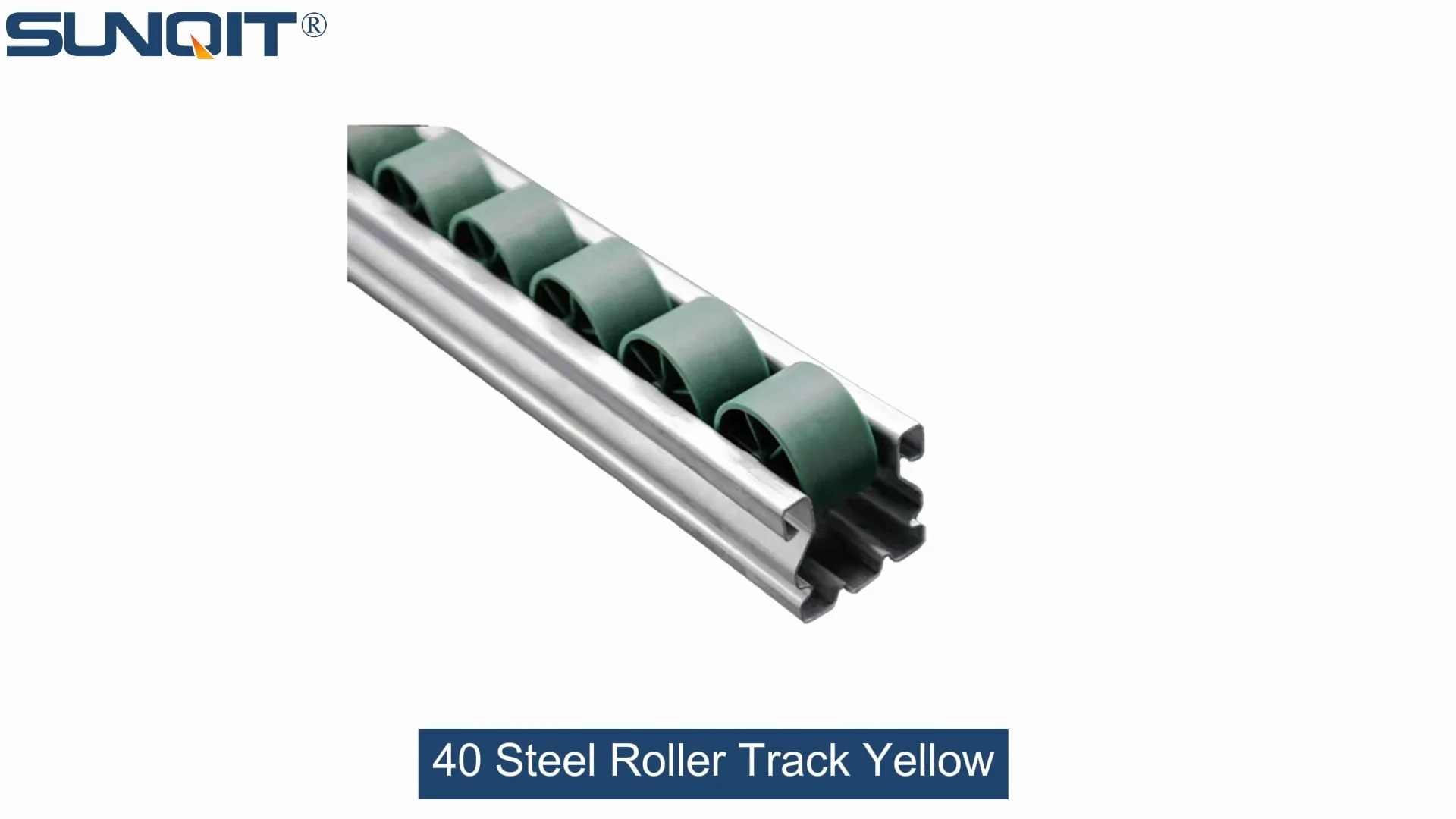
40 Steel Roller Track Green
The roller track can be installed with multiple accessories to create different slopes and configurations of flow racks.All steel conveyor 40 roller track accessories are engineered to perfectly fit the sliding rail.
The Rise of Eco-Conscious Choices in Manufacturing
In today's manufacturing landscape, efficiency isn't the only priority anymore. More and more businesses are turning their attention to sustainability—looking for tools and components that don't just boost productivity but also minimize their environmental footprint. Roller tracks are a staple in modern production lines, flow racks, and conveyor systems, playing a key role in moving materials smoothly from one point to another. But when it comes to choosing between 40 Steel Roller Track Green and Stainless Steel Roller Tracks, how do you know which one is better for the planet? Let's dive deep into the details, comparing everything from material sourcing to end-of-life management, to help you make an informed, eco-friendly decision.
What Are 40 Steel Roller Track Green and Stainless Steel Roller Tracks?
Before we get into the eco-competition, let's clarify what each option actually is. 40 Steel Roller Track Green is a type of steel roller track coated with a green, low-friction finish—usually a powder coat or epoxy layer. It's designed to be durable, scratch-resistant, and ideal for dry or semi-dry environments like 3C assembly lines or warehousing. On the other hand, Stainless Steel Roller Tracks are made from stainless steel alloys (often 304 or 316), which are known for their natural resistance to rust, corrosion, and staining. They're a go-to choice for industries where hygiene and moisture resistance are critical, like food processing or medical device manufacturing.

Factor 1: Material Sourcing & Production Impact
The environmental journey of any component starts with how it's made. Let's break down the production processes of both options:
40 Steel Roller Track Green
The base material here is carbon steel, which comes from iron ore mining. Iron ore extraction is energy-intensive, but modern mining operations are increasingly adopting eco-friendly practices like water recycling and reduced emissions. The green coating step is where things get interesting: powder coating (the most common finish for these tracks) uses minimal volatile organic compounds (VOCs) compared to liquid paints, making it a cleaner option. However, the coating process still requires energy—heating the powder to cure it onto the steel. On average, producing one ton of 40 Steel Roller Track Green uses about 2,100 to 2,200 kWh of energy, including the coating step.
Stainless Steel Roller Tracks
Stainless steel is an alloy of iron, chromium, and nickel (among other elements). The mining of chromium and nickel is more resource-intensive than iron ore—chromium, for example, is often mined in regions with limited environmental regulations, leading to higher carbon footprints. The alloying process to turn regular steel into stainless steel adds another layer of energy use: melting the metals together and refining the alloy requires high temperatures, pushing the total energy consumption per ton to around 5,000 kWh. That's more than twice the energy used for 40 Steel Roller Track Green. Additionally, stainless steel production generates more waste byproducts, like slag and toxic gases, if not properly managed.

Factor 2: Durability & Lifespan
Durability is a key eco-conscious metric—longer-lasting components mean fewer replacements, less waste, and lower overall environmental impact. Let's compare:
40 Steel Roller Track Green
The lifespan of 40 Steel Roller Track Green depends heavily on the quality of the coating and the environment it's used in. In dry, low-abrasion settings (like a lean system for 3C assembly), a high-quality green track can last 8 to 10 years. However, if the coating chips or scratches (from heavy loads or sharp objects), the underlying steel is exposed and may start to rust. This can shorten the lifespan to 5 years or less if not repaired promptly. Regular maintenance—like touching up chipped areas—can extend its life, but that adds extra time and resources.
Stainless Steel Roller Tracks
Stainless steel's biggest advantage here is its natural corrosion resistance. Thanks to the chromium content, it forms a protective oxide layer on the surface that self-repairs if scratched. In most environments, stainless steel roller tracks can last 15 to 20 years—almost twice as long as 40 Steel Green. Even in wet or humid settings (like food processing plants), stainless steel won't rust, making it a reliable choice for long-term use. This longer lifespan means fewer replacements, which translates to less waste and lower production impact over time.

Factor 3: Recyclability & End-of-Life Management
What happens to these tracks when they reach the end of their life? Recyclability is a critical part of the eco-conscious puzzle:
40 Steel Roller Track Green
Carbon steel is highly recyclable, but the green coating adds a challenge. To recycle the track, the coating must first be removed—this is usually done via pyrolysis (heating to burn off the coating) or mechanical grinding. Both processes use energy and can generate small amounts of waste (like ash from pyrolysis). However, once the coating is removed, the steel can be melted down and reused to make new products with minimal quality loss. The recycling rate for coated steel tracks is around 60% globally, as some facilities lack the equipment to handle the coating removal.
Stainless Steel Roller Tracks
Stainless steel is one of the most recyclable materials on the planet. It can be recycled 100% without losing any of its properties—meaning a stainless steel roller track can be turned into a new track, a kitchen appliance, or even a building material with no degradation in quality. The recycling process for stainless steel uses only 30% of the energy required to produce new stainless steel, making it a far more efficient option. Additionally, the global recycling rate for stainless steel is over 85%, thanks to well-established collection and processing systems. This high recyclability means stainless steel tracks have a much smaller end-of-life footprint.
Factor 4: Energy Efficiency in Use
The environmental impact doesn't stop at production—how much energy do these tracks use during their operational life? Let's see:
40 Steel Roller Track Green
The green coating on these tracks is designed to be smooth and low-friction, which helps reduce the energy needed to move materials along conveyor systems or flow racks. For example, a conveyor using 40 Steel Green tracks may require 5-10% less motor power than one using uncoated steel tracks. This translates to lower electricity consumption over time, especially for high-volume production lines that run 24/7. However, if the coating wears down, friction increases, and energy use goes up—so regular maintenance is key to keeping energy efficiency high.
Stainless Steel Roller Tracks
Stainless steel tracks also have a smooth surface, but their friction levels depend on the finish. A polished stainless steel track can have similar low-friction properties to the green coating, but a brushed finish may be slightly higher. In general, stainless steel tracks are just as energy-efficient as green tracks in operational use. The main difference here is that stainless steel's natural durability means it maintains its smooth surface longer—so energy efficiency stays consistent over its lifespan, without the need for frequent maintenance.
Factor 5: Alignment with Lean Principles & Sustainable Solutions
Lean solution is all about reducing waste, optimizing resources, and continuous improvement. How do these two track options fit into a lean system?
40 Steel Roller Track Green
40 Steel Green tracks are often more affordable than stainless steel ones, which makes them a popular choice for businesses that need to adjust their production lines frequently (a core part of lean continuous improvement). For example, if you're reconfiguring your flow rack layout every 2-3 years to optimize material flow, the lower cost of green tracks means you can make changes without breaking the bank. However, their shorter lifespan means you'll need to replace them more often—this creates waste that goes against lean's waste-reduction goals. To balance this, some businesses reuse green tracks in less critical areas once they're no longer suitable for high-volume lines.
Stainless Steel Roller Tracks
Stainless steel tracks align perfectly with lean's focus on long-term value and waste reduction. Their longer lifespan means fewer replacements, so you spend less time and money on maintenance and new components. Additionally, stainless steel's durability makes it ideal for high-use areas where reliability is key—like heavy-duty conveyor systems in automotive manufacturing. While the initial cost is higher, the total cost of ownership over time is often lower, and the reduced waste aligns with sustainable lean practices. For businesses that prioritize long-term sustainability over short-term cost savings, stainless steel is the clear winner here.
Real-World Applications: Where Each Shines
The choice between 40 Steel Roller Track Green and Stainless Steel depends heavily on the specific use case. Let's look at some examples:
40 Steel Roller Track Green: Best For Dry, Low-Moisture Environments
In dry settings like 3C assembly lines or electronic component manufacturing, 40 Steel Green tracks are an excellent choice. They're affordable, energy-efficient, and their green coating resists scratches from small parts. For businesses that frequently adjust their lean system layouts, green tracks offer the flexibility to make changes without overspending. They're also a good fit for flow racks in warehouses where moisture levels are low.
Stainless Steel: Best For Wet, Hygienic Environments
Stainless steel tracks are indispensable in industries like food processing, medical device manufacturing, or pharmaceutical production. Their natural resistance to rust and corrosion makes them ideal for wet environments, and they're easy to clean—critical for maintaining hygiene standards. In heavy-duty conveyor systems that run 24/7, stainless steel's durability ensures minimal downtime and long-term reliability. For businesses that prioritize sustainability and long-term value, stainless steel is the way to go.
Comparison Table: Key Eco-Conscious Metrics
| Metric | 40 Steel Roller Track Green | Stainless Steel Roller Track | Eco Edge |
|---|---|---|---|
| Production Energy Use (per ton) | 2,100-2,200 kWh | 5,000 kWh | 40 Steel Green |
| Average Lifespan | 8-10 years | 15-20 years | Stainless Steel |
| Recyclability Rate | ~60% | ~85% | Stainless Steel |
| Operational Energy Efficiency | High (with maintenance) | Consistently High | Stainless Steel |
| Lean System Alignment | Flexible (short-term) | Long-term waste reduction | Stainless Steel |
Final Verdict: Which Is More Eco-Conscious?
The answer isn't black and white—it depends on your business's priorities and use case. If you're looking for a cost-effective, energy-efficient option for dry environments and frequent layout changes, 40 Steel Roller Track Green is a solid choice. Its lower production energy use makes it a greener option in the short term.
However, if long-term sustainability, durability, and alignment with lean principles are your top priorities, Stainless Steel Roller Tracks are the better choice. Their longer lifespan, higher recyclability rate, and consistent energy efficiency make them a more eco-conscious option over time, even though the initial production impact is higher.
At the end of the day, the most eco-conscious choice is to choose the right track for your specific needs—using it for as long as possible, maintaining it properly, and recycling it when it's no longer usable. Both options have their place in a sustainable manufacturing ecosystem, and the key is to make an informed decision that balances your business goals with the health of the planet.