- Company Articles
- Industry articles
- Industry standards
- 40 Steel Roller Track Yellow Wheels in Medical Device Warehouses: Compliance & Safety

40 Steel Roller Track Yellow Wheels in Medical Device Warehouses: Compliance & Safety
Related Product
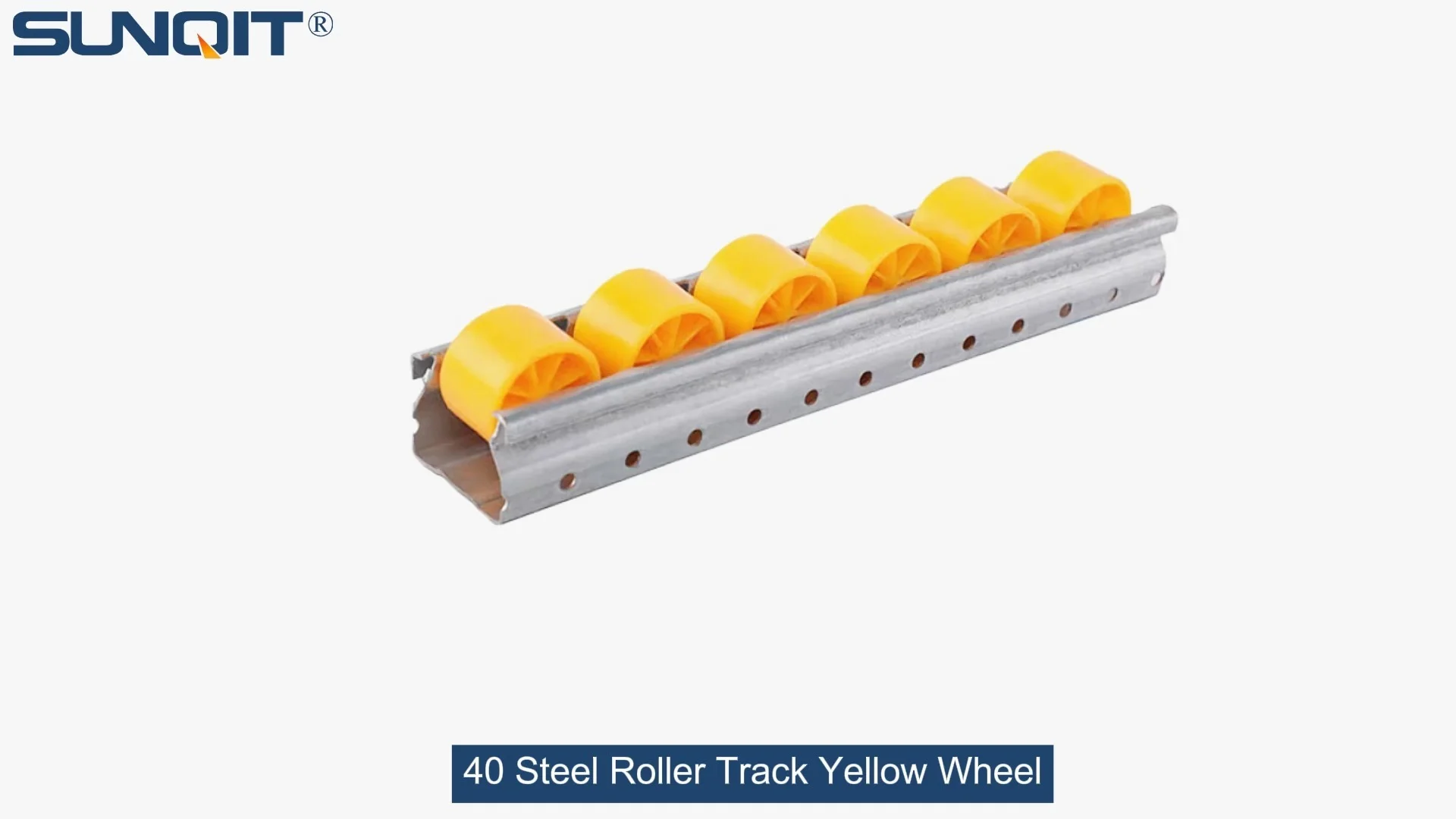
40 Steel Roller Track Yellow Wheel
The roller track can be installed with multiple accessories to create different slopes and configurations of flow racks.All steel conveyor 40 roller track accessories are engineered to perfectly fit the sliding rail.
The Critical Role of Medical Device Warehousing
In the complex ecosystem of healthcare, medical device warehouses serve as the silent backbone that ensures life-saving tools reach operating rooms, clinics, and patients on time. Unlike standard logistics hubs, these facilities face a unique trifecta of challenges: strict regulatory compliance, zero-tolerance for safety lapses, and the constant pressure to maintain peak operational efficiency. Every instrument—from precision surgical tools to sensitive diagnostic equipment—must be stored, handled, and transported with meticulous care to avoid contamination, damage, or delays.
Consider the stakes: a mislabeled sterilization tray could compromise a surgical procedure, while a delayed shipment of cardiac monitors might leave emergency rooms underprepared. This is where the choice of material handling equipment becomes more than a logistical decision—it becomes a commitment to patient safety and regulatory adherence. Among the unsung heroes of this process is the 40 Steel Roller Track Yellow Wheels system, a yet indispensable component that bridges the gap between compliance, safety, and lean operational excellence.
Consider the stakes: a mislabeled sterilization tray could compromise a surgical procedure, while a delayed shipment of cardiac monitors might leave emergency rooms underprepared. This is where the choice of material handling equipment becomes more than a logistical decision—it becomes a commitment to patient safety and regulatory adherence. Among the unsung heroes of this process is the 40 Steel Roller Track Yellow Wheels system, a yet indispensable component that bridges the gap between compliance, safety, and lean operational excellence.
Unpacking the Design of 40 Steel Roller Track Yellow Wheels
At first glance, a roller track might seem like a simple assembly of metal and wheels. But the 40 Steel Roller Track Yellow Wheels is engineered with the precision of a medical instrument itself, tailored to meet the rigorous demands of medical device storage. Let's break down its core design elements:
Material Selection: The Backbone of Durability
The system's frame is constructed from high-grade steel, chosen for its exceptional strength-to-weight ratio and resistance to corrosion. In medical warehouses, where cleaning protocols involve frequent sanitization with harsh disinfectants, steel's ability to withstand chemical exposure without degrading is non-negotiable. Unlike aluminum or plastic alternatives, steel ensures the track maintains structural integrity even under continuous use, supporting loads up to 500kg per linear meter—critical for heavy equipment like imaging machines or bulk sterilization carts.
The Significance of Yellow Wheels
The bright yellow wheels are far more than a design choice; they serve as a visual safety protocol. In fast-paced warehouse environments, color coding helps staff quickly identify specialized equipment lanes. Yellow, universally recognized as a cautionary hue, alerts handlers to exercise extra care when loading or unloading sensitive devices. Additionally, the wheels are made from a non-marking, high-density polyurethane blend that minimizes friction, ensuring smooth, quiet operation—essential for maintaining a low-noise environment conducive to focus and accuracy.
Engineered for Seamless Flow
The track's roller spacing and wheel alignment are calibrated to prevent jamming or sudden stops, a common issue in generic conveyor systems that can damage delicate instruments. Each wheel rotates on precision ball bearings, reducing friction to near-silent levels and allowing even lightweight items to glide effortlessly. This design not only speeds up material handling but also reduces the physical strain on warehouse staff, aligning with ergonomic best practices that are increasingly central to healthcare facility management.
Material Selection: The Backbone of Durability
The system's frame is constructed from high-grade steel, chosen for its exceptional strength-to-weight ratio and resistance to corrosion. In medical warehouses, where cleaning protocols involve frequent sanitization with harsh disinfectants, steel's ability to withstand chemical exposure without degrading is non-negotiable. Unlike aluminum or plastic alternatives, steel ensures the track maintains structural integrity even under continuous use, supporting loads up to 500kg per linear meter—critical for heavy equipment like imaging machines or bulk sterilization carts.
The Significance of Yellow Wheels
The bright yellow wheels are far more than a design choice; they serve as a visual safety protocol. In fast-paced warehouse environments, color coding helps staff quickly identify specialized equipment lanes. Yellow, universally recognized as a cautionary hue, alerts handlers to exercise extra care when loading or unloading sensitive devices. Additionally, the wheels are made from a non-marking, high-density polyurethane blend that minimizes friction, ensuring smooth, quiet operation—essential for maintaining a low-noise environment conducive to focus and accuracy.
Engineered for Seamless Flow
The track's roller spacing and wheel alignment are calibrated to prevent jamming or sudden stops, a common issue in generic conveyor systems that can damage delicate instruments. Each wheel rotates on precision ball bearings, reducing friction to near-silent levels and allowing even lightweight items to glide effortlessly. This design not only speeds up material handling but also reduces the physical strain on warehouse staff, aligning with ergonomic best practices that are increasingly central to healthcare facility management.

Compliance: Meeting the Gold Standard of Medical Regulations
For medical device warehouses, compliance isn't optional—it's the foundation of trust between suppliers, healthcare providers, and patients. The 40 Steel Roller Track Yellow Wheels system is built to align with the most stringent industry standards, ensuring facilities meet or exceed regulatory requirements.
Adherence to Global Standards
The system complies with FDA 21 CFR Part 820 (Quality System Regulation) and ISO 13485 (Medical Device Quality Management Systems), two benchmarks that govern everything from material sourcing to manufacturing processes. FDA inspectors, for instance, require documentation proving that all components—including the steel track and polyurethane wheels—are free from substances that could leach into or contaminate medical devices. The steel used is certified as food-grade (304 stainless steel variant available), ensuring no harmful residues transfer during contact.
Traceability and Documentation
Each component of the track comes with a full traceability package, including material certificates, batch numbers, and manufacturing dates. This level of documentation is critical during regulatory audits, where inspectors may request proof of compliance for every piece of equipment in the warehouse. For example, if a batch of wheels is found to have a manufacturing defect, the track's serial number system allows for targeted replacements without disrupting the entire warehouse operation.
Cleanability and Contamination Control
Medical warehouses are held to strict hygiene standards, and the roller track's design leaves no room for compromise. The steel frame features smooth, weld-free joints to eliminate crevices where bacteria or debris could accumulate. The polyurethane wheels are resistant to chemical cleaners, allowing staff to sanitize the track daily without causing degradation. Even the track's end caps are sealed to prevent dust ingress, a detail that matters when storing devices sensitive to particulate matter, such as laparoscopic tools or optical scopes.
Adherence to Global Standards
The system complies with FDA 21 CFR Part 820 (Quality System Regulation) and ISO 13485 (Medical Device Quality Management Systems), two benchmarks that govern everything from material sourcing to manufacturing processes. FDA inspectors, for instance, require documentation proving that all components—including the steel track and polyurethane wheels—are free from substances that could leach into or contaminate medical devices. The steel used is certified as food-grade (304 stainless steel variant available), ensuring no harmful residues transfer during contact.
Traceability and Documentation
Each component of the track comes with a full traceability package, including material certificates, batch numbers, and manufacturing dates. This level of documentation is critical during regulatory audits, where inspectors may request proof of compliance for every piece of equipment in the warehouse. For example, if a batch of wheels is found to have a manufacturing defect, the track's serial number system allows for targeted replacements without disrupting the entire warehouse operation.
Cleanability and Contamination Control
Medical warehouses are held to strict hygiene standards, and the roller track's design leaves no room for compromise. The steel frame features smooth, weld-free joints to eliminate crevices where bacteria or debris could accumulate. The polyurethane wheels are resistant to chemical cleaners, allowing staff to sanitize the track daily without causing degradation. Even the track's end caps are sealed to prevent dust ingress, a detail that matters when storing devices sensitive to particulate matter, such as laparoscopic tools or optical scopes.

Safety Design: Protecting Devices, Staff, and Patients
In medical settings, safety extends beyond preventing physical harm—it also encompasses protecting the integrity of the devices themselves. A single scratch on a surgical laser probe or a jolt to a diagnostic sensor can render the equipment useless, with potentially life-threatening consequences. The 40 Steel Roller Track Yellow Wheels system incorporates multiple safety features to mitigate these risks.
Anti-Slip and Load Stability
The track's surface is treated with a subtle texturing that prevents carts from sliding during transport, even when the warehouse floor is wet from cleaning. For heavier loads, the system includes adjustable stoppers that can be positioned at key points to prevent unintended movement. During loading, these stoppers act as a buffer, ensuring carts come to a gentle halt instead of slamming into the track's end, which could jar sensitive equipment.
Impact Resistance and Durability
Accidental collisions are inevitable in busy warehouses, but the track's steel frame is designed to absorb shocks without deforming. The wheels, too, have a slight give that cushions impacts, protecting both the device and the track itself. In testing, the system has withstood repeated collisions from loaded carts weighing up to 300kg, emerging with no structural damage—a testament to its robustness.
Ergonomic and User-Centric Features
Safety also means protecting the people who operate the system. The track's height is adjustable to align with standard cart handles, reducing or stretching that can lead to back injuries. Additionally, the wheels' smooth rotation minimizes the force required to push or pull carts, lowering the risk of musculoskeletal strain. For night shifts or low-light conditions, the yellow wheels reflect ambient light, making the track more visible and reducing trip hazards.
Anti-Slip and Load Stability
The track's surface is treated with a subtle texturing that prevents carts from sliding during transport, even when the warehouse floor is wet from cleaning. For heavier loads, the system includes adjustable stoppers that can be positioned at key points to prevent unintended movement. During loading, these stoppers act as a buffer, ensuring carts come to a gentle halt instead of slamming into the track's end, which could jar sensitive equipment.
Impact Resistance and Durability
Accidental collisions are inevitable in busy warehouses, but the track's steel frame is designed to absorb shocks without deforming. The wheels, too, have a slight give that cushions impacts, protecting both the device and the track itself. In testing, the system has withstood repeated collisions from loaded carts weighing up to 300kg, emerging with no structural damage—a testament to its robustness.
Ergonomic and User-Centric Features
Safety also means protecting the people who operate the system. The track's height is adjustable to align with standard cart handles, reducing or stretching that can lead to back injuries. Additionally, the wheels' smooth rotation minimizes the force required to push or pull carts, lowering the risk of musculoskeletal strain. For night shifts or low-light conditions, the yellow wheels reflect ambient light, making the track more visible and reducing trip hazards.

Lean Solution: Optimizing Medical Warehouse Efficiency
Beyond compliance and safety, medical device warehouses are under increasing pressure to operate with leaner processes, reducing waste and maximizing resource utilization. The 40 Steel Roller Track Yellow Wheels system is a cornerstone of lean solution in this context, working in tandem with flow rack and conveyor systems to create a streamlined, waste-free environment.
Flow Rack Integration: Space and Accessibility
When paired with flow rack structures, the roller track transforms static storage into dynamic picking zones. Flow racks use gravity to move items forward as stock is depleted, ensuring the oldest inventory (first in) is used first (first out)—a critical practice for devices with expiration dates. The 40 Steel Roller Track's low-friction design ensures even the lightest packages flow consistently, eliminating the need for manual intervention and reducing picking errors by up to 70% compared to traditional shelving.
Conveyor Systems: Reducing Manual Handling
In larger warehouses, integrating the roller track with conveyor systems creates automated material flow paths, minimizing human contact with devices. For example, after sterilization, instruments can be loaded onto the track and conveyed directly to packaging stations, reducing touchpoints and the risk of contamination. This automation also cuts down on labor costs, allowing staff to focus on higher-value tasks like inventory verification or quality checks.
Lean System Principles in Action
The lean philosophy centers on eliminating seven types of waste: overproduction, waiting, transport, defects, inventory, motion, and overprocessing. The 40 Steel Roller Track addresses each of these:
Flow Rack Integration: Space and Accessibility
When paired with flow rack structures, the roller track transforms static storage into dynamic picking zones. Flow racks use gravity to move items forward as stock is depleted, ensuring the oldest inventory (first in) is used first (first out)—a critical practice for devices with expiration dates. The 40 Steel Roller Track's low-friction design ensures even the lightest packages flow consistently, eliminating the need for manual intervention and reducing picking errors by up to 70% compared to traditional shelving.
Conveyor Systems: Reducing Manual Handling
In larger warehouses, integrating the roller track with conveyor systems creates automated material flow paths, minimizing human contact with devices. For example, after sterilization, instruments can be loaded onto the track and conveyed directly to packaging stations, reducing touchpoints and the risk of contamination. This automation also cuts down on labor costs, allowing staff to focus on higher-value tasks like inventory verification or quality checks.
Lean System Principles in Action
The lean philosophy centers on eliminating seven types of waste: overproduction, waiting, transport, defects, inventory, motion, and overprocessing. The 40 Steel Roller Track addresses each of these:
Overproduction: By ensuring items move only when needed (via flow rack), the system prevents overstocking.
Waiting: Faster, smoother flow reduces bottlenecks, so staff spend less time waiting for materials.
Transport: Automated conveyor integration cuts down on manual cart transport across the warehouse.
Defects: Reduced handling lowers the risk of device damage, minimizing defective inventory.
Inventory: Better flow visibility allows for just-in-time restocking, reducing excess inventory.
Motion: Ergonomic design reduces unnecessary movement for staff, from bending to walking long distances.
Overprocessing: Streamlined flow eliminates redundant steps in the handling process.
Real-World Impact: A Case Study in Compliance and Efficiency
To understand the tangible benefits of the 40 Steel Roller Track Yellow Wheels system, consider the case of a mid-sized medical device distributor in the Midwest, USA. Prior to upgrading, the facility struggled with three critical issues: frequent compliance violations due to poor inventory rotation, high staff turnover from ergonomic injuries, and delayed shipments caused by inefficient picking processes.
After implementing a lean solution centered on the 40 Steel Roller Track, flow racks, and conveyor systems, the results were transformative:
After implementing a lean solution centered on the 40 Steel Roller Track, flow racks, and conveyor systems, the results were transformative:
Compliance: The warehouse passed its next FDA audit with zero findings, thanks to improved first-in-first-out (FIFO) tracking and better documentation of material flow.
Efficiency: Order picking time decreased by 45%, as staff could now access items directly from flow racks without searching through static shelves.
Safety: Reported ergonomic injuries dropped by 80%, and device damage incidents fell from 12 per month to just 1.
Cost Savings: Labor costs decreased by 25% due to reduced overtime, and inventory holding costs dropped by 30% with better stock rotation.
The warehouse manager noted, "The roller track wasn't just a piece of equipment—it was the linchpin that made our lean transformation possible. We went from a facility constantly playing catch-up to one that sets the standard for our region."
Comparing Roller Track Systems: Why 40 Steel Stands Out
Not all roller track systems are created equal, especially in the demanding context of medical device warehousing. The table below compares the 40 Steel Roller Track Yellow Wheels with common alternatives, highlighting its unique advantages:
| Feature | 40 Steel Roller Track Yellow Wheels | Aluminum Roller Track | Plastic Roller Track | Generic Steel Track (Non-Medical) |
|---|---|---|---|---|
| Material | High-grade steel with polyurethane wheels | Aluminum alloy with plastic wheels | ABS plastic frame and wheels | Mild steel with rubber wheels |
| Max Load Capacity | 500kg/m | 300kg/m | 100kg/m | 400kg/m |
| Compliance | FDA, ISO 13485 certified | ISO 9001 (general), not medical-specific | Not certified for medical use | No medical certifications |
| Chemical Resistance | Withstands harsh disinfectants | Moderate resistance; prone to pitting | Limited resistance; may crack | Resistant but prone to rust without coating |
| Safety Features | Yellow wheel visibility, anti-slip track, impact absorption | Basic visibility, no anti-slip treatment | Low visibility, poor impact resistance | Minimal safety features |
| Best For | Medical device warehouses, compliance-critical environments | Light industrial, non-medical logistics | Retail, lightweight package handling | Heavy manufacturing, non-sterile environments |
Customization: Tailoring to Unique Medical Warehouse Needs
No two medical device warehouses are identical—some specialize in small, delicate instruments, while others handle large, bulky equipment like MRI machines. The 40 Steel Roller Track Yellow Wheels system's modular design allows for complete customization, ensuring it adapts to the unique needs of each facility.
Adjustable Length and Configuration
The track can be cut to specific lengths, from 1m to 10m, and configured in straight lines, curves, or even vertical drops (with braking systems) to navigate warehouse layouts. For facilities with limited space, tight-radius curves (as small as 60cm) allow the track to weave around existing infrastructure without sacrificing flow.
Accessory Integration
Optional accessories like aluminum profile side guides prevent items from sliding off the track, while dividers can create separate lanes for different device categories (e.g., surgical vs. diagnostic). For temperature-controlled zones, the system can be fitted with insulated covers to maintain consistent conditions during transport.
Future-Proofing with Lean Principles
As medical warehouses evolve, the track's modular design allows for easy reconfiguration. Adding new sections or modifying existing ones requires minimal tools and downtime, ensuring the system can grow with the facility. This adaptability aligns with the lean principle of continuous improvement, allowing warehouses to refine their processes without overhauling their material handling infrastructure.
Adjustable Length and Configuration
The track can be cut to specific lengths, from 1m to 10m, and configured in straight lines, curves, or even vertical drops (with braking systems) to navigate warehouse layouts. For facilities with limited space, tight-radius curves (as small as 60cm) allow the track to weave around existing infrastructure without sacrificing flow.
Accessory Integration
Optional accessories like aluminum profile side guides prevent items from sliding off the track, while dividers can create separate lanes for different device categories (e.g., surgical vs. diagnostic). For temperature-controlled zones, the system can be fitted with insulated covers to maintain consistent conditions during transport.
Future-Proofing with Lean Principles
As medical warehouses evolve, the track's modular design allows for easy reconfiguration. Adding new sections or modifying existing ones requires minimal tools and downtime, ensuring the system can grow with the facility. This adaptability aligns with the lean principle of continuous improvement, allowing warehouses to refine their processes without overhauling their material handling infrastructure.
Conclusion: The Foundation of Trust in Medical Logistics
In the high-stakes world of medical device warehousing, the 40 Steel Roller Track Yellow Wheels system emerges not just as a tool, but as a partner in upholding the highest standards of compliance, safety, and efficiency. Its robust design ensures devices are handled with the care they deserve, while its integration with flow rack and conveyor systems embodies the lean solution philosophy that drives modern healthcare logistics.
For warehouse managers, investing in this system is an investment in peace of mind—knowing that every instrument that passes through their facility is protected, every regulatory requirement is met, and every member of their team can work safely and efficiently. In the end, it's not just about moving materials; it's about contributing to the chain of care that saves lives. And in that mission, the 40 Steel Roller Track Yellow Wheels system proves itself indispensable.
For warehouse managers, investing in this system is an investment in peace of mind—knowing that every instrument that passes through their facility is protected, every regulatory requirement is met, and every member of their team can work safely and efficiently. In the end, it's not just about moving materials; it's about contributing to the chain of care that saves lives. And in that mission, the 40 Steel Roller Track Yellow Wheels system proves itself indispensable.