- Company Articles
- Industry articles
- Industry standards
- 40 Steel Wheel Roller Track: Standard Sizes & Industry Standards

40 Steel Wheel Roller Track: Standard Sizes & Industry Standards
Related Product
40 Steel Wheel Roller Track
Heavy duty steel wheel roller track with cylindrical steel rollers for use in processing, logistics and materials handling operations. Ideal for transporting goods quickly and easily as well as for installing on shelving to aid in picking operations.
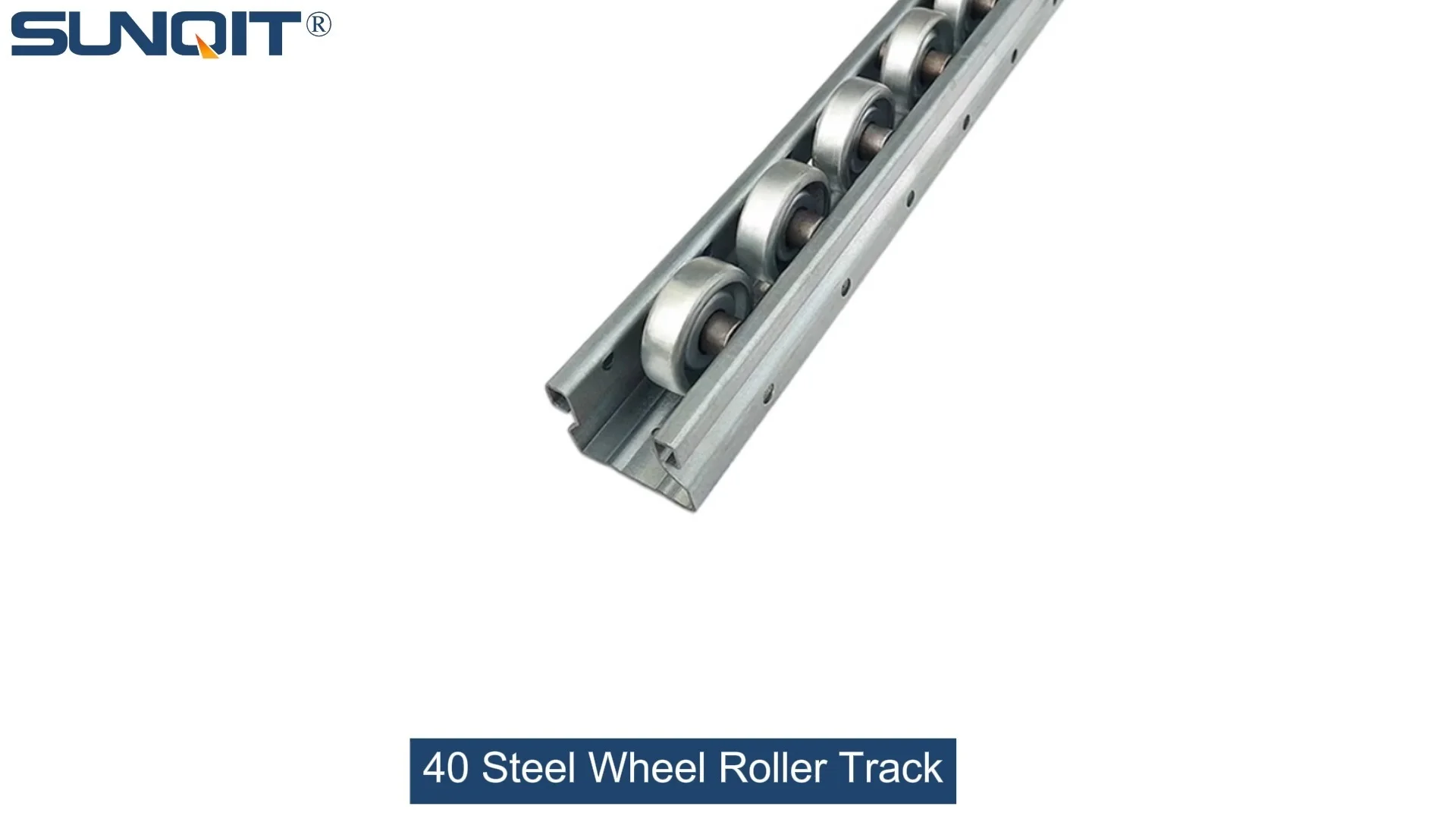
In the fast-paced world of manufacturing, where every second counts and efficiency is the backbone of success, the unsung heroes often lie in the details—the equipment that quietly streamlines workflows, reduces waste, and keeps production lines moving like well-oiled machines. Among these critical components is the 40 Steel Wheel Roller Track , a workhorse in material handling that has become indispensable across industries from automotive assembly to 3C electronics. More than just a conveyor accessory, it's a cornerstone of lean system implementation, designed to align with the principles of continuous improvement and sustainable operations. Let's dive into the standard sizes, industry standards, and real-world impact of this essential tool.
What Makes 40 Steel Wheel Roller Track a Manufacturing Staple?
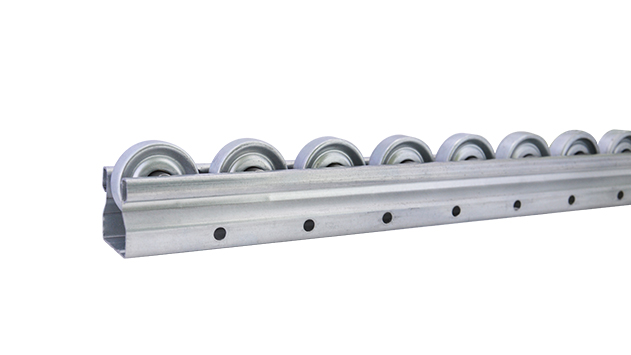
Before we explore specifications, let's clarify what sets the 40 Steel Wheel Roller Track apart. As the name suggests, this track features a 40mm frame (a common industry standard for compatibility) paired with durable steel wheels, engineered to handle the rigors of heavy-duty material transport. Unlike plastic alternatives, steel wheels offer superior load-bearing capacity and resistance to wear, making them ideal for high-volume production environments. What truly elevates this roller track, however, is its versatility—it seamlessly integrates with other lean system components like flow racks , conveyors, and workbenches, forming a cohesive material handling ecosystem that adapts to evolving manufacturing needs.
Whether you're moving bulky automotive parts or delicate electronic components, the 40 Steel Wheel Roller Track delivers consistent performance. Its design prioritizes smooth, low-friction movement, reducing the effort required to push or pull loads—a small detail that translates to significant ergonomic benefits for workers and fewer bottlenecks in the production chain. And with options like ESD (Electrostatic Discharge) compliant wheels, it even caters to sensitive industries like 3C assembly and medical device manufacturing, where static control can mean the difference between product success and failure.
Standard Sizes & Specifications: Tailored to Your Production Line
One of the key advantages of the 40 Steel Wheel Roller Track is its range of standardized sizes, designed to fit seamlessly into diverse manufacturing setups. Let's break down the most common configurations and their applications:
| Track Type | Standard Lengths | Wheel Material | Load Capacity (per meter) | Wheel Color | Key Application |
|---|---|---|---|---|---|
| 40 Steel Roller Track Yellow Wheel | 1m, 1.5m, 2m, 3m | Carbon Steel | 150kg | Yellow | General manufacturing, automotive parts transport |
| 40 Steel Roller Track Black ESD Wheel | 1m, 2m, 2.5m, 4m | Steel with ESD Coating | 120kg | Black | 3C assembly, electronic component handling |
| 40 Steel Roller Track Black Wheel | 0.5m, 1m, 3m, 5m | Galvanized Steel | 180kg | Black | Heavy-duty material transport, warehousing |
| 40 Steel Roller Track White Wheel | 1m, 1.8m, 2.2m, 3.5m | Stainless Steel | 140kg | White | Cleanrooms, medical device manufacturing |
Length Variability: The most popular lengths range from 0.5m to 5m, with 1m, 2m, and 3m being the workhorses for standard assembly lines. Shorter tracks (0.5m-1m) are ideal for tight spaces, such as between workstations, while longer tracks (3m-5m) excel in high-throughput areas like warehouse-to-production transfers. Many manufacturers also offer custom cutting services, allowing for tracks tailored to unique facility layouts—though sticking to standard lengths often reduces lead times and costs.
Wheel Options: The choice of wheel color and material isn't just aesthetic. Yellow wheels, for example, are highly visible, making them easy to spot in busy environments and reducing the risk of accidents. Black ESD wheels, on the other hand, are treated to dissipate static electricity, protecting sensitive components like circuit boards during transport. Stainless steel white wheels, with their corrosion resistance, are a staple in cleanrooms and medical settings where hygiene is paramount.
Load Capacity: With per-meter capacities ranging from 120kg to 180kg, the 40 Steel Wheel Roller Track is built to handle everything from small parts bins to heavy tooling. For context, a 2m track with a 150kg capacity can comfortably transport a loaded turnover trolley weighing up to 300kg—more than enough for most assembly line needs.
Industry Standards: Ensuring Safety, Quality, and Compatibility
In manufacturing, compliance with industry standards isn't optional—it's a prerequisite for safety, reliability, and interoperability. The 40 Steel Wheel Roller Track adheres to a strict set of guidelines to meet global manufacturing requirements:
- ISO 9001 Certification: Reputable manufacturers ensure their roller tracks are produced under ISO 9001 quality management systems, guaranteeing consistent production processes and material traceability. This means every track undergoes rigorous testing for load capacity, wheel rotation smoothness, and frame durability before leaving the factory.
- ESD Compliance (IEC 61340): For ESD-sensitive versions, compliance with IEC 61340 standards is non-negotiable. These tracks are tested to ensure surface resistance between 10^6 and 10^9 ohms, preventing static buildup that could damage electronic components—a critical feature for 3C and medical device manufacturers.
- Safety Standards (OSHA/CE): The track's design includes rounded edges to minimize injury risks, and wheel spacing is standardized to prevent small parts from falling through. In the EU, CE marking ensures conformity with health, safety, and environmental protection standards, while OSHA guidelines in the U.S. mandate load testing and structural integrity checks for material handling equipment.
- Material (RoHS/REACH): With growing focus on sustainability, roller tracks now comply with RoHS and REACH regulations, restricting the use of hazardous substances like lead and cadmium. This not only protects workers but also aligns with global efforts to reduce environmental impact—a key consideration for companies aiming for green manufacturing certifications.

Applications Across Industries: Where 40 Steel Wheel Roller Track Excels
The versatility of the 40 Steel Wheel Roller Track makes it a favorite across manufacturing sectors. Let's explore how it transforms operations in key industries:
Automotive Manufacturing: In automotive plants, where heavy parts like engine components and body panels are moved daily, the 40 Steel Wheel Roller Track's high load capacity shines. Paired with flow racks and conveyors, it creates a just-in-time (JIT) material delivery system, ensuring parts arrive at the assembly line exactly when needed. For example, a leading automotive OEM reported a 22% reduction in line-side inventory after implementing a roller track-based feeding system, cutting waste and freeing up floor space.
3C Assembly: The 3C industry (computers, communications, consumer electronics) demands precision and static control. Here, the ESD-compliant variant of the 40 Steel Wheel Roller Track is invaluable. When integrated with ESD workstations, it forms a static-safe zone for assembling smartphones, laptops, and circuit boards. A major 3C manufacturer in China noted a 35% decrease in static-related defects after switching to ESD roller tracks, significantly improving product quality and reducing rework costs.
Medical Device Production: Cleanliness and reliability are critical in medical manufacturing, and the 40 Steel Wheel Roller Track delivers on both. Stainless steel white wheel tracks, resistant to corrosion and easy to sanitize, are used to transport sterile components between production stages. A medical device company specializing in surgical instruments reported that the track's smooth movement reduced component jostling, leading to a 15% improvement in product precision.
Warehousing & Logistics: In warehouses, the roller track is often used in picking stations and order fulfillment areas. When installed on shelves or workbenches, it allows workers to slide bins and cartons with minimal effort, speeding up order processing. A third-party logistics provider (3PL) implemented 40 Steel Wheel Roller Tracks in their picking zones and saw a 28% increase in order throughput during peak seasons, thanks to reduced manual handling time.

Synergy with Lean System Components: Building a Complete Solution
The true power of the 40 Steel Wheel Roller Track lies in its ability to work harmoniously with other lean system components, creating a unified material handling solution. Here's how it integrates with key tools:
Flow Racks: When combined with flow racks, roller tracks enable gravity-fed material flow, where bins automatically advance to the front as items are picked. This "first-in, first-out" (FIFO) system reduces inventory waste and ensures older stock is used first, a critical practice in industries with expiration dates or frequent product updates.
Conveyors: As part of a larger conveyor system, the 40 Steel Wheel Roller Track bridges gaps between powered conveyors, allowing for flexible routing of materials. For example, in a electronics assembly plant, it might connect a main belt conveyor to a manual workstation, giving operators easy access to components without disrupting the automated flow.
Workbenches & ESD Workstations: Mounted on workbenches, roller tracks transform static work areas into dynamic ones. Workers can slide parts directly from the track to their workspace, eliminating the need to lift heavy bins—a small change that reduces fatigue and speeds up assembly tasks. In ESD workstations, the track's static-dissipative properties ensure sensitive components remain protected from start to finish.
Turnover Trolleys: The track's compatibility with turnover trolleys (a staple in lean manufacturing) allows for seamless transfer of materials between stations. Trolleys can be rolled directly onto the track, reducing the need for manual lifting and minimizing the risk of workplace injuries.
Why Choose 40 Steel Wheel Roller Track for Your Lean Journey?
In a market flooded with material handling options, what makes the 40 Steel Wheel Roller Track the right choice for your operation? Here are the key reasons manufacturers worldwide trust this component:
- Durability That Reduces Total Cost of Ownership (TCO): Steel wheels and robust aluminum frames mean the track withstands years of heavy use, reducing the need for frequent replacements. While the initial investment may be higher than plastic alternatives, the longer lifespan and lower maintenance costs result in a lower TCO over time.
- Flexibility to Adapt to Changing Needs: Lean manufacturing thrives on adaptability, and the 40 Steel Wheel Roller Track delivers. Its modular design allows for easy reconfiguration—whether you're expanding a production line, rearranging workstations, or repurposing space for a new product line. This flexibility is especially valuable for small to medium enterprises (SMEs) with evolving manufacturing needs.
- Improved Ergonomics & Worker Satisfaction: By reducing the physical effort required to move materials, the roller track lowers the risk of musculoskeletal injuries and fatigue. Happier, healthier workers are more productive, and companies report higher retention rates in departments where ergonomic equipment is prioritized.
- Support for Sustainable Manufacturing: Aligned with the "reusable, continuously improvable" lean, the 40 Steel Wheel Roller Track is designed for longevity and reusability. Unlike disposable material handling solutions, it can be disassembled, relocated, and repurposed, reducing waste and supporting circular economy goals.
Customization: Tailoring Roller Tracks to Your Unique Needs
While standard sizes cover most applications, some manufacturing setups require a more tailored approach. Reputable suppliers offer custom solutions, including:
Custom Lengths: For non-standard production lines (e.g., curved conveyors or tight spaces), tracks can be cut to exact lengths, ensuring a perfect fit without compromising structural integrity.
Specialized Wheel Materials: For extreme environments—such as high-temperature zones in automotive paint shops or chemical-exposed areas in industrial manufacturing—suppliers can provide heat-resistant or chemical-resistant steel wheels.
Integrated Accessories: Options like side guides (to prevent loads from slipping off), stop mechanisms (to halt materials at specific stations), and mounting brackets (for easy attachment to existing infrastructure) enhance functionality for unique workflows.
These customizations are often part of a broader lean solution , where experts collaborate with manufacturers to design a material handling system that aligns with their specific goals—whether that's reducing changeover time, improving space utilization, or enhancing traceability.
Conclusion: The 40 Steel Wheel Roller Track—A Foundation for Lean Excellence
In the world of manufacturing, success hinges on the ability to optimize every process, no matter how small. The 40 Steel Wheel Roller Track may not grab headlines, but its impact is undeniable: smoother workflows, happier workers, reduced waste, and a stronger bottom line. As manufacturing continues to evolve—with trends like Industry 4.0 and smart factories reshaping the landscape—components like the 40 Steel Wheel Roller Track will remain essential, providing the reliable, flexible material handling backbone that modern production lines depend on.
Whether you're a large automotive OEM or a niche medical device manufacturer, investing in high-quality roller tracks is an investment in your company's future. By choosing a track that meets industry standards, integrates with your existing lean system, and adapts to your needs, you're not just buying equipment—you're building a foundation for continuous improvement and long-term success.