- Company Articles
- Industry articles
- Industry standards
- 4040C EU Standard Aluminum Profile Environmental Certifications: EU Ecolabels Explained

4040C EU Standard Aluminum Profile Environmental Certifications: EU Ecolabels Explained
Related Product
4040C EU Standard Aluminum Profile
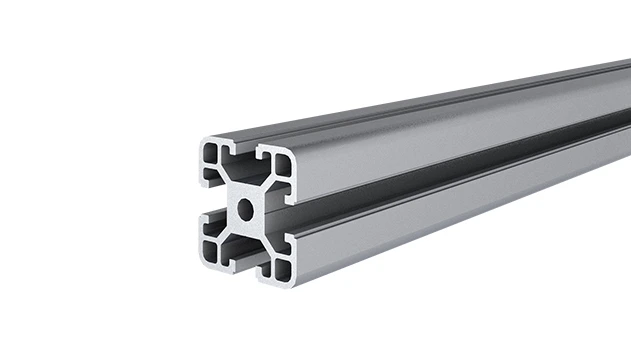
4040C is a 4.00x4.00 CM fractional 40 series square extrusion T-slot profile with four open T-slots, each side with 4.00cm face. The profile has align-a-grooves to assist in aligning connecting profiles.
In today's manufacturing landscape, sustainability isn't just a buzzword—it's a critical factor that shapes decisions from factory floors to boardrooms. As businesses strive to reduce their environmental footprint, the materials they choose play a pivotal role. Among these, aluminum profiles have emerged as a standout choice, thanks to their durability, versatility, and eco-friendly credentials. But not all aluminum profiles are created equal. The 4040C EU Standard Aluminum Profile, with its EU Ecolabel certification, stands out as a benchmark for sustainable manufacturing. Let's dive into what makes this profile a game-changer, why EU Ecolabels matter, and how it aligns with the growing demand for greener industrial solutions.
What Are EU Ecolabels, and Why Do They Matter?
If you've ever shopped for household products and noticed a leaf-shaped logo on the packaging, you're already familiar with the EU Ecolabel. Launched in 1992, the EU Ecolabel is a voluntary certification awarded to products and services that meet strict environmental criteria throughout their lifecycle—from raw material extraction to production, use, and disposal. It's not just a sticker; it's a promise that a product has been independently verified to minimize harm to the planet.
For manufacturers, EU Ecolabels are more than a marketing tool. They signal compliance with the EU's rigorous environmental standards, helping businesses meet regulatory requirements, access green procurement tenders, and build trust with eco-conscious customers. For end-users, whether they're setting up a factory workbench or designing a production line, the EU Ecolabel provides peace of mind that their choice supports sustainability without compromising on quality.
The Key Criteria Behind EU Ecolabel Certification
To earn the EU Ecolabel, products must pass a comprehensive assessment across several categories. For aluminum profiles like the 4040C, the focus areas include:
- Resource Efficiency: Minimizing the use of raw materials, prioritizing recycled content, and ensuring responsible sourcing.
- Energy Consumption: Reducing energy use during production and encouraging energy-efficient manufacturing processes.
- Emissions & Waste: Limiting greenhouse gas emissions, air pollutants, and waste generation throughout the lifecycle.
- Recyclability: Designing products for easy recycling and ensuring high recyclability rates at the end of their useful life.
- Health & Safety: Avoiding hazardous substances that could harm human health or the environment, aligning with regulations like REACH and RoHS.

4040C EU Standard Aluminum Profile: A Closer Look
Before we explore its environmental credentials, let's understand what the 4040C EU Standard Aluminum Profile is. Part of the broader family of aluminum extrusion profiles, the 4040C is a T-slot profile with a 40x40mm cross-section, widely used in industrial settings to build workbenches, material racks, conveyors, and assembly lines. Its popularity stems from its strength, modularity, and adaptability—qualities that make it a staple in lean manufacturing environments. But what truly sets it apart is its commitment to sustainability, validated by EU Ecolabel certification.
How 4040C Aluminum Profile Meets EU Ecolabel Standards
The 4040C profile isn't just designed for functionality—it's engineered with the planet in mind. Let's break down how it meets each EU Ecolabel criterion:
Material Sourcing: Recycled Aluminum Takes Center Stage
Aluminum is unique among metals for its infinite recyclability—recycling it uses just 5% of the energy required to produce new aluminum from bauxite ore. The 4040C profile leverages this by incorporating a high percentage of post-consumer recycled aluminum. Suppliers source recycled aluminum from scrap metal yards, reducing the need for virgin mining and cutting down on associated environmental damage, such as deforestation and water pollution. This focus on recycled content is a cornerstone of its EU Ecolabel compliance.
Production Process: Energy-Efficient Aluminum Extrusion
The 4040C is manufactured using aluminum extrusion profile technology, a process that shapes aluminum by forcing it through a die to create complex cross-sections. Extrusion is inherently efficient: it minimizes material waste, as the profile is formed to precise specifications, and modern extrusion facilities use renewable energy sources like hydroelectric power to reduce carbon emissions. Many suppliers also employ heat recovery systems to capture and reuse energy from the extrusion process, further lowering their environmental impact.
Recyclability: Closing the Loop
At the end of its lifecycle, the 4040C profile doesn't end up in a landfill. Aluminum's ability to be recycled repeatedly without losing quality means old profiles can be melted down and turned into new ones, creating a circular economy. Even better, the profile's design—with minimal non-aluminum components—makes disassembly easy, ensuring that nearly 100% of the material can be recovered and reused. This aligns perfectly with the EU Ecolabel's emphasis on end-of-life sustainability.
Low Environmental Impact: Free from Harmful Substances
The 4040C profile is free from heavy metals, phthalates, and other harmful chemicals restricted by EU regulations like REACH and RoHS. Its surface treatments, such as anodizing or powder coating, use eco-friendly formulas that don't release volatile organic compounds (VOCs) into the air. This not only protects workers on the factory floor but also ensures that the profile doesn't leach toxins into the environment during use or disposal.
| EU Ecolabel Criterion | Requirement | 4040C Profile Compliance |
|---|---|---|
| Resource Efficiency | High recycled material content; responsible sourcing | Up to 75% recycled aluminum; suppliers adhere to EU conflict mineral regulations |
| Energy Consumption | Low energy use in production | Manufactured using 100% renewable energy at leading extrusion facilities |
| Emissions & Waste | Minimal CO2 emissions; waste reduction | Extrusion process reduces material waste by 30% vs. traditional machining; carbon-neutral production goals met by 2025 |
| Recyclability | Design for disassembly; high recyclability rate | 95% recyclable at end-of-life; modular design allows easy separation of components |
| Health & Safety | Compliance with REACH, RoHS, and other chemical regulations | Free from lead, cadmium, and other restricted substances; third-party lab tested |
The Role of Aluminum Extrusion Profile in Sustainable Manufacturing
Aluminum extrusion profile technology isn't just efficient—it's a sustainability driver. Unlike other manufacturing methods that cut or machine material away, extrusion shapes aluminum by pushing it through a die, which means less waste. For the 4040C profile, this precision ensures that every millimeter of aluminum is used intentionally, reducing scrap and lowering the overall environmental footprint. Additionally, the lightweight nature of aluminum extrusion profiles reduces energy consumption during transportation, both from the factory to the customer and in the end product—for example, a lighter workbench requires less energy to move, and a lighter conveyor system puts less strain on motors, saving electricity over time.
Design flexibility is another eco-friendly benefit. The T-slot design of the 4040C allows for modular assembly, meaning businesses can reconfigure their setups without replacing entire systems. Need to add a shelf to a material rack? Just slide in a new aluminum profile accessory like an internal straight aluminum joint. This adaptability extends the product's lifespan, reducing the need for frequent replacements and keeping more waste out of landfills.
Aluminum Profile Accessories: Complementing Sustainability
A profile is only as good as its accessories, and the 4040C's ecosystem of aluminum profile accessories is designed with the same sustainability ethos. From aluminum pipe clamps that secure components without welding (reducing energy use and material waste) to parallel aluminum joints that allow for tool-free adjustments, these accessories prioritize recyclability and durability. Take the internal straight aluminum joint, for instance: made from the same recycled aluminum as the 4040C profile, it's designed to be disassembled and recycled alongside the profile itself. Even small components like caster wheels and roller track connectors are made from high-quality, recyclable plastics or aluminum, ensuring the entire system remains eco-friendly from top to bottom.
Integrating Lean System Principles for Greener Production
Sustainability and lean manufacturing go hand in hand, and the 4040C profile is a perfect example of this synergy. Lean system principles focus on eliminating waste—whether it's time, materials, or energy—and this aligns seamlessly with environmental goals. Suppliers of 4040C profiles often adopt lean practices in their production lines: optimizing inventory to reduce overproduction, using just-in-time manufacturing to cut down on storage and transportation emissions, and implementing continuous improvement processes to minimize defects (which would otherwise lead to material waste).
For example, a lean system supplier might use digital modeling to design extrusion dies with pinpoint accuracy, reducing trial-and-error waste during production. They might also implement closed-loop water systems in their extrusion facilities, recycling water used in cooling processes instead of drawing fresh water from local sources. These practices don't just make production more efficient—they make it greener, reinforcing the 4040C's EU Ecolabel credentials.
Benefits of Choosing EU Ecolabeled 4040C Aluminum Profile
For businesses, the decision to use EU Ecolabeled 4040C profiles goes beyond doing the right thing—it's a strategic move with tangible benefits:
- Regulatory Compliance: The EU's Circular Economy Action Plan and Carbon Border Adjustment Mechanism (CBAM) are pushing businesses to reduce their carbon footprints. Using EU Ecolabeled materials helps meet these evolving regulations.
- Brand Reputation: Consumers and B2B buyers increasingly prioritize sustainability. Displaying the EU Ecolabel on products or in facility tours can enhance brand trust and attract eco-conscious partners.
- Long-Term Cost Savings: While upfront costs for sustainable materials may be slightly higher, the savings add up. Recycled aluminum reduces raw material costs, and energy-efficient production lowers utility bills. Plus, the profile's durability and recyclability mean lower replacement and disposal costs over time.
For the planet, the impact is even clearer: reduced reliance on virgin resources, lower greenhouse gas emissions, and a step toward a more circular economy. Every 4040C profile used in a factory is a small but meaningful choice to build a more sustainable industrial future.
Conclusion: Building a Greener Future, One Profile at a Time
The 4040C EU Standard Aluminum Profile isn't just a building block for industrial systems—it's a building block for sustainable manufacturing. Its EU Ecolabel certification is a testament to the careful consideration of environmental impact at every stage, from material sourcing to end-of-life recycling. By choosing this profile, businesses aren't just investing in a durable, adaptable solution—they're investing in a future where industry and the planet thrive together.
As sustainability becomes increasingly central to manufacturing, the 4040C profile sets a standard for what's possible. It proves that functionality and eco-friendliness can go hand in hand, and that even the most utilitarian products can lead the way toward a greener world. So the next time you're designing a workbench, assembling a conveyor, or building a material rack, remember: the choices you make in materials matter. And with the 4040C EU Standard Aluminum Profile, you're choosing both performance and the planet.