- Company Articles
- Industry articles
- Industry standards
- 4040C EU Standard Aluminum Profile: The Role in Sustainable Manufacturing Practices

4040C EU Standard Aluminum Profile: The Role in Sustainable Manufacturing Practices
Related Product
4040C EU Standard Aluminum Profile
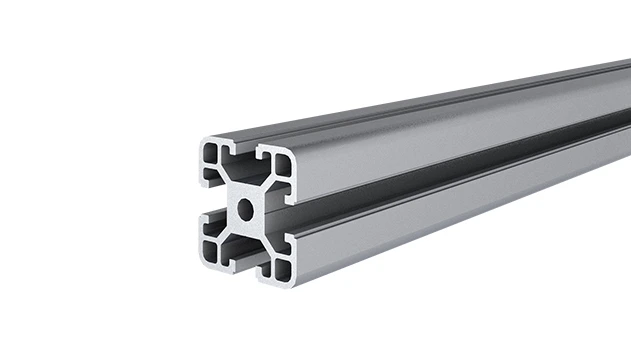
4040C is a 4.00x4.00 CM fractional 40 series square extrusion T-slot profile with four open T-slots, each side with 4.00cm face. The profile has align-a-grooves to assist in aligning connecting profiles.
In today's fast-paced industrial landscape, the push for sustainability isn't just a trend—it's a critical imperative. Manufacturing, long a cornerstone of global economies, faces mounting pressure to reduce its environmental footprint, from lowering carbon emissions to minimizing waste. At the heart of this transformation lies a seemingly simple yet profoundly impactful choice: the materials we use. Among the unsung heroes of sustainable manufacturing is the
4040C EU standard aluminum profile
—a versatile, durable, and eco-conscious solution that's redefining how factories, warehouses, and production lines operate. In this article, we'll explore how this unassuming component is becoming a linchpin in the shift toward greener, more efficient manufacturing, and why it matters for businesses and the planet alike.
What Is the 4040C EU Standard Aluminum Profile?
Before diving into its sustainability credentials, let's start with the basics: What exactly is the 4040C EU standard aluminum profile? At its core, it's a precisely engineered structural component measuring 40mm by 40mm in cross-section, designed to meet rigorous European union standards for quality, safety, and environmental performance. But its true power lies in its origins: it's an
aluminum extrusion profile
, crafted through a process that transforms raw aluminum into complex, custom shapes with minimal waste.
The "EU standard" label isn't just a formality. It ensures the profile adheres to strict regulations on material purity, production energy efficiency, and recyclability—standards that far exceed those of many generic alternatives. This commitment to quality starts with the
aluminum extrusion profile
process itself: aluminum billets are heated and pushed through a die to create the 40x40mm cross-section, resulting in a lightweight yet incredibly strong structure. Unlike traditional manufacturing methods that cut or mill materials (generating significant waste), extrusion shapes aluminum with precision, ensuring every gram of material serves a purpose.
What truly sets the 4040C apart, though, is its versatility. Pair it with
aluminum profile accessories
—from connectors and brackets to hinges and end caps—and it becomes a building block for nearly any industrial structure. Need a workbench? A material rack? A conveyor system? The 4040C profile, combined with the right accessories, can be assembled, disassembled, and reconfigured in hours, adapting to evolving production needs without the need for new materials. This flexibility isn't just convenient; it's a cornerstone of sustainable manufacturing.
Sustainability at Its Core: How 4040C Redefines Material Efficiency
Sustainability in manufacturing often boils down to three key metrics: resource efficiency, recyclability, and longevity. The 4040C profile excels in all three, making it a standout choice for businesses aiming to reduce their environmental impact.
1. Resource Efficiency: Less Waste, More Value
The
aluminum extrusion profile
process is a masterclass in resource efficiency. Unlike steel fabrication, which often involves cutting large sheets into smaller parts (leaving behind 15-20% waste), extrusion shapes aluminum into the exact 40x40mm profile needed, with waste typically below 5%. This near-net-shape production means fewer raw materials are consumed, and less scrap ends up in landfills. For manufacturers, this translates to lower material costs and a smaller environmental footprint—win-win.
2. Recyclability: Aluminum's Superpower
Aluminum is often called the "eternal metal," and for good reason: it's 100% recyclable, and it retains its mechanical properties no matter how many times it's reprocessed. Producing recycled aluminum uses just 5% of the energy required to make primary aluminum from bauxite ore—a staggering reduction that cuts carbon emissions by up to 95%. The 4040C profile, being made from aluminum, inherits this superpower. At the end of its lifespan (which can be decades), it can be melted down and reformed into new profiles, accessories, or entirely different products, closing the loop on the material lifecycle.
3. Longevity and Durability: Reducing the Need for Replacements
Sustainability isn't just about recycling—it's about making products that last. The 4040C profile, with its high strength-to-weight ratio and resistance to corrosion (thanks to aluminum's natural oxide layer), is built to withstand the rigors of industrial use. Unlike wooden structures that warp or rot, or plastic components that degrade under heat and stress, 4040C profiles maintain their integrity for years, even in harsh factory environments. This durability means fewer replacements, less frequent material consumption, and lower long-term waste.

Enabling Lean Systems: 4040C as a Catalyst for Efficiency
Sustainable manufacturing and
lean system
principles go hand in hand. Lean manufacturing focuses on eliminating waste—whether it's excess inventory, inefficient processes, or unnecessary movement—and the 4040C profile is a natural ally in this mission. Its modular design aligns perfectly with lean goals, enabling businesses to create flexible, adaptive workspaces that minimize waste and maximize productivity.
Building Adaptive Workspaces with Modularity
A classic example is the
workbench
—a staple in factories and workshops worldwide. Traditional workbenches are often fixed, one-size-fits-all structures. If production needs change—say, a new product line requires a taller bench or additional storage—manufacturers are forced to buy a bench, discarding the old one. With 4040C profiles and
aluminum profile accessories
, this waste is eliminated. A 4040C-based workbench can be easily adjusted: add height with extension brackets, attach tool holders with quick-connect joints, or reconfigure the layout by simply loosening a few fasteners. This adaptability ensures the workbench evolves with the business, reducing the need for new furniture and the associated environmental impact.
The same logic applies to material handling systems. Whether it's a flow rack for parts storage or a conveyor track for assembly lines, 4040C profiles can be assembled into custom solutions that fit the exact flow of materials. No more oversized racks taking up unnecessary space, or conveyor belts that require extensive rework when production lines shift. The modularity of the 4040C system means adjustments are quick, cost-effective, and waste-free—core tenets of a
lean system
.
Reducing Energy Consumption in Daily Operations
Beyond waste reduction, the 4040C profile also contributes to lower energy use on the factory floor. Aluminum is significantly lighter than steel—about one-third the weight—so structures built with 4040C profiles are easier to move, reposition, and operate. For example, a mobile
workbench
made with 4040C requires less energy to transport around the shop floor than a steel equivalent. Similarly, lightweight material racks reduce the load on forklifts and conveyor systems, extending their lifespan and lowering fuel or electricity consumption. Over time, these small energy savings add up to a substantial reduction in a facility's carbon footprint.
Comparing 4040C to Traditional Materials: A Sustainability Showdown
To truly appreciate the impact of the 4040C profile, it helps to see how it stacks up against common alternatives like steel, wood, and generic plastic profiles. The table below compares key sustainability metrics, highlighting why 4040C is the clear choice for eco-conscious manufacturers.
| Sustainability Metric | 4040C EU Standard Aluminum Profile | Steel Profile (40x40mm) | Wooden Structure | Generic Plastic Profile |
|---|---|---|---|---|
| Recyclability Rate | 100% recyclable; retains 95% of original properties | 90% recyclable, but energy-intensive to reprocess | Biodegradable, but limited recyclability in industrial settings | 5-10% recyclable (depending on type); often ends in landfills |
| Energy to Produce (per kg) | ~5-7 MJ (recycled aluminum); ~130 MJ (primary aluminum) | ~30-40 MJ (recycled steel); ~70 MJ (primary steel) | ~15-20 MJ (including harvesting and processing) | ~20-30 MJ (petroleum-based production) |
| Typical Lifespan | 15-20+ years (industrial use) | 10-15 years (prone to corrosion without coating) | 5-8 years (susceptible to moisture, pests, wear) | 3-5 years (degrades under UV light and heat) |
| Waste During Production | 3-5% (extrusion process) | 15-20% (cutting/machining) | 10-15% (sawing, shaping) | 8-12% (molding, trimming) |
| Weight (kg/m for 40x40mm) | 2.5-3.0 kg/m | 10-12 kg/m | 8-10 kg/m (solid wood) | 1.5-2.0 kg/m (but lower strength) |
As the table shows, 4040C outperforms alternatives in nearly every category. Its recyclability, low production waste, and long lifespan make it a far more sustainable choice than steel, wood, or plastic. Even when compared to primary aluminum production, the energy savings from recycling (95% less energy than primary production) ensure that over its lifecycle, 4040C has a fraction of the carbon footprint of most materials.
Real-World Impact: How Businesses Are Using 4040C to Go Green
Numbers and metrics tell part of the story, but real-world examples bring the impact of 4040C to life. Let's look at two case studies of businesses that integrated the 4040C profile into their operations and saw tangible sustainability benefits.
Case Study 1: Automotive Parts Manufacturer Cuts Waste by 35%
A mid-sized automotive parts manufacturer in Germany was struggling with frequent reconfigurations of its assembly lines. Every time a new car model was introduced, the factory had to replace fixed steel workbenches and material racks, generating tons of scrap metal and plastic waste annually. In 2022, the company switched to a modular system built with
4040C EU standard aluminum profile
and
aluminum profile accessories
.
The results were striking. By reusing 4040C profiles and reconfiguring workbenches with new accessories, the company reduced waste from line reconfigurations by 35% in the first year. Additionally, the lighter weight of the aluminum structures cut forklift fuel consumption by 12%, and the durability of the profiles meant fewer replacements—saving both money and resources. "We used to see piles of discarded steel after every model change," said the facility manager. "Now, we just disassemble the old setup and rebuild it. The 4040C profiles look as good as new, even after years of use."
Case Study 2: Electronics Plant Adopts Lean System with 4040C, Lowers Energy Bills
An electronics manufacturer in Poland wanted to implement a
lean system
to reduce inventory and streamline production. Central to this goal was creating a flexible material handling system that could adapt to Just-In-Time (JIT) manufacturing. The company replaced its fixed wooden racks and steel conveyors with 4040C-based flow racks and roller tracks.
The modularity of the 4040C system allowed the plant to adjust rack heights and conveyor paths in minutes, aligning with shifting production schedules. The lightweight aluminum structures also reduced the load on the facility's conveyor motors, lowering electricity use by 8% monthly. Perhaps most impressively, when the plant expanded in 2023, 90% of the original 4040C profiles were reused in the new layout, avoiding the need to purchase new materials. "Sustainability and efficiency go hand in hand here," noted the plant's sustainability director. "The 4040C profile made our lean transformation possible—without it, we would have spent twice as much and generated three times the waste."
The Future of Sustainable Manufacturing: Innovations in 4040C and Beyond
As manufacturing continues to evolve, so too does the 4040C EU standard aluminum profile. Innovations in
aluminum extrusion profile
technology are making the 4040C even more sustainable, from using higher percentages of recycled aluminum in production to developing thinner-walled profiles that maintain strength while reducing material use.
One exciting trend is the integration of smart technology. Manufacturers are experimenting with embedding sensors directly into 4040C profiles to monitor stress, temperature, and usage patterns. This data helps predict maintenance needs, extending the profile's lifespan further. For example, a sensor in a
workbench
leg could alert operators if a joint is loosening, preventing failure and the need for replacement.
Additionally,
aluminum profile accessories
are becoming more eco-friendly. Biodegradable end caps, recycled plastic connectors, and low-VOC coatings are entering the market, ensuring every component of the 4040C system aligns with sustainability goals. These innovations aren't just improving the profile itself—they're creating a circular ecosystem where even the smallest parts contribute to a greener manufacturing process.
Conclusion: 4040C—More Than a Profile, a Sustainability Partner
The
4040C EU standard aluminum profile
is more than just a building block for factories and workshops. It's a symbol of how thoughtful material choices can transform manufacturing from a resource-intensive industry into a force for environmental good. By prioritizing recyclability, efficiency, and adaptability, 4040C empowers businesses to reduce waste, cut energy use, and build lean, future-ready operations.
As consumers and regulators demand greater sustainability, the 4040C profile isn't just a smart investment—it's a necessary one. It proves that sustainability and profitability can go hand in hand, and that even the smallest components can make a big difference. So the next time you walk through a factory, take a closer look at the workbenches, racks, and conveyors. Chances are, you'll spot the 4040C profile hard at work—quietly, reliably, and sustainably building the future of manufacturing.