- Company Articles
- Industry articles
- Industry standards
- 4040E EU Standard Aluminum Profile Surface Finish: Impact on Aesthetics & Durability

4040E EU Standard Aluminum Profile Surface Finish: Impact on Aesthetics & Durability
Related Product
4040E EU Standard Aluminum Profile
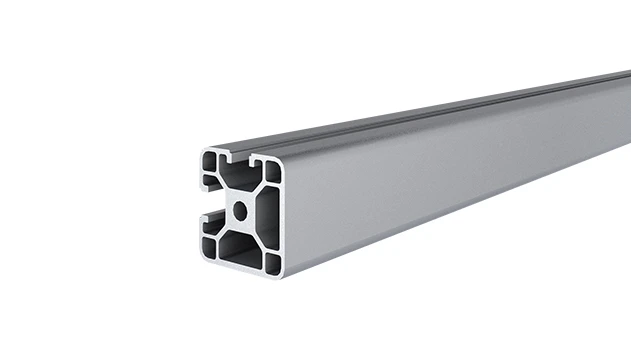
4040E is a 4.00x4.00 CM fractional 40 series square extrusion T-slot profile with two side open T-slots, two side with closed face, each side with 4.00cm face. The profile has align-a-grooves to assist in aligning connecting profiles.
Walk into any modern manufacturing facility, automotive plant, or electronics assembly line, and you'll likely be surrounded by a symphony of industrial components working in harmony. Among these, aluminum extrusion profiles stand out as the unsung heroes—quietly forming the backbone of workbenches, roller tracks, material racks, and lean system setups. And when it comes to reliability and adaptability, the 4040E EU Standard Aluminum Profile is a name that consistently comes up. But what makes this profile so indispensable? Beyond its structural integrity and compliance with EU standards, there's a critical factor that often goes overlooked: the surface finish. In this article, we'll dive into how the surface finish of 4040E profiles shapes both their visual appeal and long-term durability, and why it matters for everyone from factory managers to lean system suppliers.
Understanding the 4040E EU Standard Aluminum Profile
Before we explore surface finishes, let's first ground ourselves in what the 4040E EU Standard Aluminum Profile is. As the name suggests, it's a 40mm x 40mm square profile, extruded from high-grade aluminum alloy (typically 6063-T5, known for its excellent strength-to-weight ratio and corrosion resistance). The "EU Standard" designation ensures it meets strict European guidelines for dimensions, material quality, and safety—making it a go-to choice for industries where precision and compliance are non-negotiable, from aerospace to medical device manufacturing.
What makes the 4040E particularly versatile is its T-slot design. These slots run along the length of the profile, allowing for easy attachment of aluminum profile accessories like brackets, connectors, and panels. This modularity is why you'll find it in everything from custom workbenches to automated conveyor systems. But even the most well-designed profile would fall short if its surface couldn't stand up to the demands of daily use—or if it clashed with the aesthetic of the workspace. That's where surface finish enters the picture.
The Role of Surface Finish: More Than Just Looks
At first glance, surface finish might seem like a purely cosmetic consideration. After all, a shiny, uniform profile looks more professional than one with rough patches or discoloration. But in reality, surface finish is a multi-functional feature that impacts two key areas: aesthetics and durability. Let's break this down.
Aesthetics: Setting the Tone for Workspaces
In today's industrial landscape, workspaces are no longer just about functionality—they're about efficiency, employee morale, and even brand identity. A factory floor cluttered with mismatched, worn-out equipment can dampen productivity, while a clean, cohesive setup with sleek, consistent profiles can boost both pride and performance. The surface finish of 4040E profiles plays a huge role here. A well-finished profile can transform a utilitarian workbench into a polished centerpiece, or make a roller track blend seamlessly with the overall design of a lean system.
Consider, for example, a tech company's assembly line where precision is paramount. A matte black powder-coated 4040E profile on their workbenches not only resists fingerprints and smudges but also aligns with the company's modern, high-tech brand image. On the flip side, a food processing plant might opt for a natural anodized finish, which offers a clean, metallic look that signals hygiene and compliance with industry standards. In both cases, the surface finish isn't just about "looking good"—it's about communicating value.
Durability: Protecting the Profile, Prolonging Its Life
While aesthetics catch the eye, durability is what keeps the profile working day in and day out. Aluminum is naturally resistant to corrosion, thanks to a thin oxide layer that forms on its surface. But in harsh industrial environments—exposed to moisture, chemicals, or heavy wear—this natural layer can be compromised. That's where surface finishes step in, acting as an extra barrier of protection. A high-quality finish can shield the profile from scratches, abrasion, and corrosion, extending its lifespan and reducing the need for frequent replacements. For lean system suppliers, this is a selling point: a durable profile means fewer maintenance headaches for their clients, and a reputation for reliability.

Common Surface Finishes for 4040E Profiles: A Closer Look
Not all surface finishes are created equal. Each type offers a unique blend of aesthetic and durability benefits, tailored to specific applications. Let's explore the most common finishes used for 4040E EU Standard Aluminum Profiles, and how they stack up.
1. Anodizing: The Classic Choice for Natural Appeal and Corrosion Resistance
Anodizing is one of the oldest and most widely used surface treatments for aluminum. The process involves submerging the profile in an electrolytic solution and passing an electric current through it, which thickens the natural oxide layer on the surface. The result? A finish that's integral to the aluminum itself (no peeling or chipping) with a distinct metallic sheen.
Aesthetic Features: Anodized finishes come in a range of natural tones, from silver and bronze to gold and black (achieved by adding dyes during the process). The texture is typically matte to semi-gloss, with a uniform, earthy appearance that works well in both industrial and modern settings. Unlike painted finishes, anodizing preserves the metal's inherent character—you can still see the subtle grain of the aluminum, giving it a raw, authentic look.
Durability Benefits: The thickened oxide layer acts as a hard, wear-resistant barrier. Anodized profiles are highly resistant to corrosion (even in humid or salty environments), scratches, and UV damage. They also don't fade easily, making them ideal for both indoor and outdoor use. For example, a roller track in a warehouse that's constantly exposed to dust and heavy loads would benefit greatly from an anodized finish, as it can withstand daily abrasion without losing its protective properties.
Best For: Food processing facilities, marine environments, outdoor lean systems, and applications where a natural, low-maintenance look is desired.
2. Powder Coating: Versatility in Color and Texture
If anodizing is about enhancing aluminum's natural beauty, powder coating is about transformation. This process involves applying a dry powder (typically polyester or epoxy) to the profile's surface, then curing it in an oven to create a hard, continuous film. The result is a finish that offers endless customization options.
Aesthetic Features: Powder coating is a designer's dream. With thousands of colors available—from bold reds and blues to subtle grays and whites—you can match the profile to company branding or workspace themes. Textures range from smooth and glossy to matte, textured, or even hammered, adding depth and visual interest. For instance, a workbench in a tech startup's R&D lab might sport a sleek, gloss black powder coat to align with the company's modern aesthetic, while a school workshop could use bright yellow for visibility and safety.
Durability Benefits: Powder-coated finishes are known for their toughness. The cured powder forms a thick, impact-resistant layer that's highly scratch and chip-resistant. It also provides excellent corrosion protection, though it's worth noting that if the finish is damaged (e.g., a deep scratch), moisture can seep in and cause localized corrosion. That said, modern powder coatings are formulated to be flexible, allowing the profile to expand and contract with temperature changes without cracking.
Best For: Branded workspaces, retail displays, indoor lean systems, and applications where color consistency and customization are priorities. Lean system suppliers often recommend powder coating for clients who want their setups to reflect their company's identity.
3. Electrophoresis: The Smooth Operator
Electrophoresis (or "e-coating") is a less talked-about but highly effective finish, particularly popular in industries where a smooth, uniform surface is critical. The process involves immersing the profile in a water-based paint bath and using an electric current to deposit the paint particles onto the surface, creating a thin, even coating.
Aesthetic Features: E-coated finishes are prized for their mirror-like smoothness and uniformity. Unlike powder coating, which can have slight texture variations, electrophoresis delivers a flawless, high-gloss surface that's almost liquid-like in appearance. Colors are typically limited to blacks, whites, and grays, but the finish's clarity and depth make these neutrals look exceptionally polished.
Durability Benefits: The thin film is surprisingly tough—resistant to corrosion, chemicals, and UV rays. It also adheres extremely well to the aluminum, reducing the risk of peeling. Because the coating is so uniform, it covers even hard-to-reach areas (like the inside of T-slots), ensuring full protection. This makes it a great choice for precision components, such as the frames of sensitive equipment or workbenches in cleanrooms.
Best For: Electronics manufacturing, cleanrooms, medical device assembly lines, and applications where a smooth, contamination-resistant surface is essential.
4. Mechanical Finishes: Brushed, Polished, or Sandblasted
For those who prefer a more tactile, artisanal look, mechanical finishes are the way to go. These involve physically altering the surface of the profile using tools like abrasive belts (brushed), buffing wheels (polished), or sandblasting media. Unlike chemical or electrochemical processes, mechanical finishes rely on friction to create texture.
Aesthetic Features: Brushed finishes create fine, parallel lines that add a sense of movement and sophistication. Polished finishes, on the other hand, produce a mirror-like shine, making the aluminum look almost chrome-like. Sandblasting results in a matte, uniform texture with a slightly rough feel—great for hiding fingerprints and scratches. These finishes are often used to add visual contrast; for example, a brushed 4040E profile paired with smooth aluminum profile accessories can create a striking industrial-chic look.
Durability Benefits: Mechanical finishes don't add a protective layer like anodizing or powder coating—instead, they modify the existing surface. Brushed and polished finishes can be more susceptible to fingerprints and smudges, and they may require regular cleaning to maintain their appearance. However, they're still durable enough for low-wear applications, such as decorative trims or non-load-bearing components of a workbench.
Best For: Showrooms, office partitions, decorative elements, and applications where aesthetics take precedence over heavy-duty durability.
Aesthetics vs. Durability: Striking the Right Balance
Now that we've explored the options, the question becomes: how do you choose between aesthetics and durability? The answer, of course, depends on your specific needs. Let's consider a few scenarios to illustrate this balance.
Scenario 1: A Lean System in a High-Traffic Warehouse Imagine a busy warehouse where a lean system supplier has installed a network of 4040E profiles to support material flow—think roller tracks, picking carts, and workbenches. Here, durability is king. The profiles are constantly exposed to heavy loads, forklift traffic, and dust. A powder-coated finish with a textured, impact-resistant formula would be ideal: it can withstand dents and scratches, and the color (say, safety yellow) enhances visibility. While aesthetics matter, the priority is ensuring the system stays functional for years without costly repairs.
Scenario 2: A Custom Workbench in a Design Studio On the flip side, consider a design studio that wants a custom workbench to serve as both a functional workspace and a focal point. The bench will be used for light assembly and client meetings, so heavy wear isn't a major concern. Here, aesthetics take center stage. An anodized black finish with a brushed texture could add a sleek, modern touch, complemented by aluminum profile accessories in a contrasting silver. The finish needs to look polished and professional, reflecting the studio's brand identity, while still being easy to clean.
Scenario 3: A Food Processing Line In a food processing facility, both aesthetics and durability are non-negotiable. The profiles must be corrosion-resistant (to withstand frequent washdowns with sanitizing chemicals) and easy to clean (no crevices for bacteria to hide). Anodized finishes are a strong choice here: they're non-porous, resistant to chemicals, and have a clean, neutral appearance that meets hygiene standards. The matte finish also resists water spots, ensuring the workspace always looks tidy—important for audits and client visits.
The Lean System Supplier's Perspective: Why Finish Quality Matters
For a lean system supplier, the surface finish of 4040E profiles isn't just a box to check—it's a critical part of their value proposition. Here's why:
- Client Satisfaction: A supplier who offers high-quality finishes is more likely to deliver systems that meet or exceed client expectations. A workbench with a chipped, uneven finish reflects poorly on the supplier's attention to detail, even if the structure is sound.
- Long-Term Relationships: Durable finishes mean fewer callbacks for repairs or replacements. When a client's lean system holds up well over time, they're more likely to return for future projects—and recommend the supplier to others.
- Competitive Edge: In a crowded market, the ability to offer custom finishes (like color-matched powder coating) or premium options (like hard-anodized finishes) can set a supplier apart from competitors who only offer basic treatments.
Reputable lean system suppliers understand this, which is why they partner with extrusion experts who prioritize finish quality. They'll often provide samples of different finishes, help clients test durability in their specific environment, and ensure the final product meets EU standards for both safety and performance.
Comparing Finishes: A Quick Reference Table
| Finish Type | Aesthetic Features | Durability Benefits | Best For |
|---|---|---|---|
| Anodizing | Natural metallic tones, matte/semi-gloss, preserves aluminum grain | High corrosion resistance, scratch/wear-resistant, UV stable | Food processing, marine, outdoor use, low-maintenance setups |
| Powder Coating | Thousands of colors, customizable textures (gloss, matte, hammered) | Impact-resistant, scratch/chip-resistant, good corrosion protection | Branded workspaces, indoor lean systems, high-visibility areas |
| Electrophoresis | Smooth, high-gloss finish, limited to neutral colors (black, white, gray) | Uniform coverage, chemical resistance, UV stable | Cleanrooms, electronics manufacturing, precision equipment |
| Mechanical (Brushed/Polished) | Tactile textures (brushed lines, mirror polish), raw aluminum look | Moderate scratch resistance, requires regular cleaning | Decorative elements, showrooms, light-use workbenches |
Conclusion: The Finish That Finishes the Job
The 4040E EU Standard Aluminum Profile is a testament to the power of thoughtful engineering—strong, versatile, and built to last. But without the right surface finish, even the best profile can fall short. Whether you're a factory manager looking to upgrade your workspace, a lean system supplier aiming to deliver top-tier solutions, or simply someone curious about industrial design, understanding how surface finish impacts aesthetics and durability is key.
From the natural elegance of anodizing to the bold versatility of powder coating, each finish offers a unique way to tailor the profile to your needs. The next time you walk through a manufacturing facility or admire a well-designed workbench, take a moment to appreciate the surface finish—it's not just about looks; it's the final touch that ensures the profile does its job, day in and day out, for years to come. After all, in the world of industrial design, the best solutions are those that marry form and function—and when it comes to 4040E profiles, the surface finish is where that marriage truly shines.