- Company Articles
- Industry articles
- Industry standards
- 4040F EU Standard Aluminum Profile in Pharmaceutical Manufacturing: Compliance with GMP Standards

4040F EU Standard Aluminum Profile in Pharmaceutical Manufacturing: Compliance with GMP Standards
Related Product
4040F EU Standard Aluminum Profile
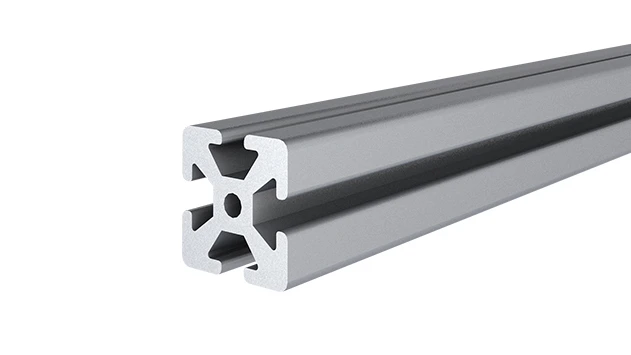
4040F is a 4.00x4.00 CM fractional 40 series square extrusion T-slot profile with four side open T-slots, each side with 4.00cm face. The profile has align-a-grooves to assist in aligning connecting profiles.
In the high-stakes realm of pharmaceutical manufacturing, where precision isn't just a goal but a legal and ethical obligation, the infrastructure that supports production lines plays an unsung yet critical role. Every surface, every piece of equipment, and every workflow must align with the strict guidelines of Good Manufacturing Practice (GMP)—standards designed to ensure that pharmaceuticals are consistently produced and controlled to the highest quality standards. Among the tools that have quietly revolutionized how pharma facilities meet these demands is the 4040F EU Standard Aluminum Profile. More than just a structural component, this aluminum extrusion has become a cornerstone of GMP-compliant operations, offering a unique blend of durability, cleanliness, and adaptability that traditional materials struggle to match. Let's explore how this unassuming profile is reshaping pharmaceutical manufacturing floors, one T-slot at a time.
Understanding GMP: The Backbone of Pharmaceutical Safety
Before diving into the specifics of the 4040F aluminum profile, it's essential to grasp why GMP standards are non-negotiable in pharmaceutical settings. GMP, or Good Manufacturing Practice, is a set of guidelines enforced by regulatory bodies worldwide (such as the FDA in the U.S. and EMA in the EU) to ensure that pharmaceutical products are safe, effective, and of consistent quality. While GMP covers everything from personnel training to quality control systems, one area that often gets overlooked is the physical infrastructure of production facilities.
For GMP auditors, infrastructure checks focus on four key areas: cleanability (surfaces must be easy to sanitize to prevent cross-contamination), durability (equipment must withstand repeated cleaning and heavy use without degrading), traceability (components must be sourced from verified suppliers with clear specifications), and adaptability (production lines must be reconfigurable to accommodate new products or processes without compromising safety). Failures in any of these areas can lead to halted production, costly recalls, or even regulatory fines—consequences no pharmaceutical company can afford.
Traditional materials like wood, mild steel, or even non-standardized aluminum often fall short here. Wood, for example, is porous and prone to harboring bacteria, making it nearly impossible to sanitize. Mild steel rusts when exposed to frequent cleaning agents, creating flaking particles that can contaminate products. Non-standardized aluminum, while better, lacks the consistency in dimensions and material quality required for traceability. This is where the 4040F EU Standard Aluminum Profile steps in—engineered to address each of these GMP pain points head-on.
What Is the 4040F EU Standard Aluminum Profile?
At its core, the 4040F is a type of aluminum extrusion profile, meaning it's formed by pushing heated aluminum through a die to create a uniform cross-sectional shape. The "4040" refers to its dimensions—40mm by 40mm, a versatile size that balances strength and flexibility for industrial use. The "F" denotes its specific design within EU standard classifications, which includes features like standardized T-slots, rounded edges, and precise tolerances that ensure compatibility with a wide range of accessories.
Unlike generic aluminum profiles, the 4040F is manufactured to strict EU standards, which dictate everything from the aluminum alloy composition (typically 6063-T5, known for its corrosion resistance and mechanical strength) to the finish (anodized or powder-coated, both of which are non-porous and easy to clean). This standardization is critical for GMP compliance: pharmaceutical companies can trace the origin of each profile back to certified suppliers, ensuring that every batch meets the same quality benchmarks.
The most defining feature of the 4040F, however, is its T-slot design. Running along the length of the profile, these T-shaped grooves allow for quick and secure attachment of accessories—brackets, connectors, shelves, or even specialized tools—without the need for welding or drilling. This modularity is a game-changer for pharmaceutical facilities, where production needs can shift overnight (e.g., scaling up a vaccine production line or introducing a new drug formulation). With T-slots, reconfiguring a workbench or material rack takes hours, not days, minimizing downtime and ensuring compliance with GMP's adaptability requirements.

Aluminum Profile Accessories: The Building Blocks of Modularity
A profile is only as useful as the accessories that bring it to life, and the 4040F's ecosystem of aluminum profile accessories is where its true versatility shines. These accessories—ranging from end caps and brackets to connectors and casters—are designed to work seamlessly with the 4040F's T-slot system, enabling endless configurations without compromising structural integrity or cleanliness.
Take end caps, for example. These simple plastic or aluminum covers snap into the ends of the 4040F profile, sealing off the T-slots and preventing dust, debris, or cleaning fluids from accumulating inside. In a GMP environment, even small crevices can become breeding grounds for bacteria, so eliminating these hiding spots is non-negotiable. Similarly, 90° aluminum profile connectors allow two 4040F profiles to be joined at a right angle with just a few bolts, creating sturdy frames for workbenches or material racks without the need for welding. Welds, while strong, create uneven surfaces that are hard to clean and can degrade over time—another GMP no-go.
Other essential accessories include adjustable feet (to level workbenches on uneven floors, ensuring stability during precision tasks), ESD (Electrostatic Discharge) brackets (to dissipate static electricity, critical when handling sensitive electronic components in medical devices), and roller track connectors (which attach to the T-slots to create smooth-conveying surfaces for material racks). Each accessory is designed with the same EU standards as the 4040F profile itself, ensuring compatibility and traceability across the entire system.
Perhaps the biggest advantage of these accessories is their role in "lean manufacturing"—a principle that aligns closely with GMP by minimizing waste and maximizing efficiency. By allowing facilities to build only what they need, when they need it, and reconfigure it as needs change, aluminum profile accessories reduce excess inventory, cut down on installation time, and ensure that every square inch of the production floor is used purposefully. In pharma, where space is often at a premium, this lean approach isn't just efficient—it's essential for maintaining organized, clutter-free zones that pass GMP audits with ease.
Real-World Applications: How 4040F Transforms Pharma Floors
To truly appreciate the impact of the 4040F EU Standard Aluminum Profile, let's look at three critical applications in pharmaceutical manufacturing: workbenches, material racks, and conveyors. In each case, the 4040F and its accessories deliver tangible GMP benefits that traditional materials cannot match.
1. Workbenches: The Heart of Precision Tasks
Workbenches are where much of the hands-on work in pharma happens—from assembling medical devices to inspecting pill formulations to packaging finished products. As such, they're subject to some of the strictest GMP scrutiny. A 4040F-based workbench, however, is built to thrive under this pressure.
Start with the surface: Most 4040F workbenches use aluminum honeycomb panels or ESD-compliant laminates, both of which are non-porous, resistant to chemicals (like isopropyl alcohol or hydrogen peroxide, common sanitizers), and easy to wipe down. The T-slot edges of the 4040F frame allow for quick attachment of accessories like tool holders, LED task lights, or even small vacuum systems—keeping the workspace organized and reducing the risk of cross-contamination from loose tools.
Adjustability is another key feature. Using height-adjustable feet and telescoping 4040F legs, workbenches can be customized to fit operators of different heights, reducing ergonomic strain (a GMP consideration, as fatigued workers are more prone to errors). For specialized tasks, like handling sensitive electronics, ESD workbench configurations add grounding straps and conductive materials that dissipate static electricity, preventing damage to components or interference with delicate instruments.
Perhaps most importantly, 4040F workbenches are inherently modular. If a facility needs to switch from packaging tablets to assembling syringes, the workbench can be reconfigured in hours by swapping out the surface panel, adding new tool holders, or even extending the frame with additional 4040F sections and connectors. This adaptability ensures that the workbench remains compliant with GMP standards no matter how production needs evolve.
2. Material Racks: Organized Storage for Traceable Inventory
In pharmaceutical manufacturing, raw materials (like active pharmaceutical ingredients, or APIs) and intermediates must be stored in a way that prevents mix-ups, contamination, and expiration. Material Rack B (3 row and 3 floor), a common 4040F-based design, is engineered to meet this need head-on. Built with 4040F uprights and crossbeams, and fitted with roller tracks (another key accessory), these racks enable first-in-first-out (FIFO) material flow—a GMP requirement that ensures older inventory is used before newer batches, reducing waste and improving traceability.
The roller tracks, typically made of plastic or stainless steel, are mounted to the 4040F frame using roller track placon mounts, which secure firmly into the T-slots. This design allows materials (stored in bins or trays) to glide smoothly from the back of the rack to the front, minimizing manual handling and the risk of spills. The 3-row, 3-floor configuration maximizes vertical space, keeping materials off the floor (reducing contamination from dust or water) and within easy reach of operators.
Cleanliness is prioritized here, too. The aluminum frame resists corrosion from cleaning agents, while the roller tracks are designed with minimal crevices—no place for dust or bacteria to hide. Even the connectors and brackets are rounded and smooth, making wipe-downs quick and effective. For facilities with strict temperature or humidity controls, 4040F racks can be easily integrated with environmental monitoring sensors (mounted via T-slots), providing real-time data to ensure materials are stored within GMP-compliant conditions.
3. Conveyors: Streamlining Material Flow Without Compromise
Moving materials between production stages—from mixing to tableting to packaging—requires conveyors that are not only efficient but also easy to sanitize. 4040F-based conveyors, often fitted with roller tracks or belt systems, excel in this role. The aluminum frame provides a lightweight yet sturdy base, while the T-slot design allows for quick adjustments to conveyor height, angle, or length as production lines change.
Roller conveyors, in particular, are a favorite in pharma settings. Using 4040F side rails and swivel roller balls (1 inch or 0.5 inch, depending on load size), these conveyors allow bottles, vials, or trays to move smoothly with minimal friction. The roller balls themselves are made of stainless steel or food-grade plastic, ensuring they won't react with pharmaceutical products or sanitizing agents. For curved sections or elevation changes, 4040F corner connectors and adjustable brackets enable precise alignment, preventing jams that could disrupt production or damage materials.
Like workbenches and material racks, 4040F conveyors are designed for easy disassembly. If a spill occurs or a deep clean is required, sections of the conveyor can be quickly removed (using T-slot fasteners) and sanitized individually, then reassembled just as easily. This level of accessibility is critical for GMP compliance, as auditors often check hidden areas (like under conveyor belts or between rollers) for signs of contamination.
4040F vs. Traditional Materials: A GMP Compliance Comparison
To put the benefits of the 4040F into perspective, let's compare it to three common traditional materials using the key GMP criteria we outlined earlier. The table below highlights why 4040F has become the material of choice for forward-thinking pharmaceutical facilities.
| GMP Criterion | 4040F EU Standard Aluminum Profile | Wood | Mild Steel | Non-Standardized Aluminum |
|---|---|---|---|---|
| Cleanability | Non-porous, anodized/powder-coated finish; easy to wipe down with chemicals; no crevices for bacteria. | Porous; absorbs liquids and harbor bacteria; difficult to sanitize. | Prone to rust and flaking; welds create uneven surfaces that trap debris. | May have rough finishes or inconsistent tolerances; crevices from poor extrusion quality. |
| Durability | Aluminum alloy 6063-T5 resists corrosion and wear; withstands repeated cleaning and heavy loads. | Warps, cracks, or splinters with heavy use; degrades quickly in moist environments. | Rusts when exposed to water/chemicals; structural integrity weakens over time. | Inconsistent alloy quality; may bend or deform under heavy loads. |
| Traceability | Manufactured to EU standards; sourced from certified suppliers with full material specs and batch tracking. | Often sourced from non-certified suppliers; no standardized material specs. | May contain impurities; supplier traceability is limited for generic steel. | Variable specs between suppliers; no EU standard compliance. |
| Adaptability | Modular T-slot design with compatible accessories; reconfigurable in hours without welding. | Fixed design; cannot be reconfigured without rebuilding from scratch. | Requires welding/grinding to modify; time-consuming and risky for compliance. | Limited accessory compatibility; may require custom fabrication for changes. |
Case Study: A Pharma Facility's GMP Success with 4040F
To illustrate the real-world impact of 4040F, consider the case of a mid-sized European pharmaceutical company that specializes in generic drugs. Prior to 2023, the company relied on mild steel workbenches and wooden material racks, which frequently failed GMP audits due to rust, bacterial contamination, and poor organization. Production delays were common, as reconfiguring lines for new products took weeks (involving welding and custom fabrication), and employee morale was low due to ergonomic issues with fixed-height workbenches.
In early 2023, the company partnered with a 4040F aluminum profile supplier to overhaul its production floor. The project included replacing all workbenches with ESD workbench configurations, installing Material Rack B (3 row and 3 floor) units for raw material storage, and adding 4040F-based roller conveyors to connect mixing and packaging stages. Aluminum profile accessories like end caps, adjustable feet, and roller track connectors were used to ensure modularity and cleanliness.
The results were striking. Within six months, the company passed its next GMP audit with zero findings related to infrastructure—an improvement from the 12 findings in the previous audit. Production line reconfiguration time dropped from weeks to days, allowing the company to introduce three new drug formulations ahead of schedule. Employee-reported ergonomic issues decreased by 75%, and sanitization time for workbenches and racks was cut in half, freeing up staff for other critical tasks.
Perhaps most notably, the company saw a 20% reduction in material waste, thanks to the FIFO flow enabled by the roller-track material racks and the organized storage of intermediates. For a facility producing millions of doses annually, this translated to significant cost savings and a smaller environmental footprint—both wins for the bottom line and sustainability, a growing focus in modern GMP standards.
The Future of Pharma Manufacturing: Why 4040F Is Here to Stay
As pharmaceutical manufacturing continues to evolve—with trends like personalized medicine, continuous manufacturing, and stricter regulatory oversight— the demand for flexible, GMP-compliant infrastructure will only grow. The 4040F EU Standard Aluminum Profile, with its focus on modularity, cleanliness, and standardization, is perfectly positioned to meet this demand.
Looking ahead, we can expect to see even more innovation in 4040F accessories, such as smart sensors embedded in T-slots to monitor temperature, humidity, or vibration in real time—providing unprecedented visibility into production conditions. 3D-printed aluminum profile accessories may also become more common, allowing for even faster customization of brackets or connectors for niche applications. And as sustainability becomes a bigger priority, recycled aluminum content in 4040F profiles will likely increase, without compromising the material's performance or compliance.
For pharmaceutical companies, the message is clear: investing in 4040F-based infrastructure isn't just about meeting today's GMP standards—it's about future-proofing operations for tomorrow's challenges. Whether you're building a new facility or upgrading an existing one, the 4040F EU Standard Aluminum Profile and its ecosystem of accessories offer a proven path to safer, more efficient, and more adaptable production lines.
Conclusion: Building a Foundation for GMP Excellence
In the world of pharmaceutical manufacturing, where every detail matters, the 4040F EU Standard Aluminum Profile stands out as more than just a building material—it's a compliance tool, a efficiency driver, and a symbol of a facility's commitment to patient safety. By addressing the core GMP challenges of cleanability, durability, traceability, and adaptability, 4040F and its aluminum profile accessories have redefined what's possible on the production floor.
From workbenches that adapt to changing tasks to material racks that ensure traceable inventory flow to conveyors that streamline production without compromising cleanliness, the 4040F is the silent partner that helps pharmaceutical companies meet the highest standards of quality. As we've seen through case studies and comparisons, the benefits are clear: fewer audit findings, faster production line changes, lower waste, and happier, more productive employees.
So, the next time you walk through a pharmaceutical facility, take a closer look at the infrastructure around you. Chances are, if it's built to GMP excellence, you'll find the 4040F EU Standard Aluminum Profile at its core—quietly supporting the life-saving work that happens there, one T-slot, one connector, and one compliant workflow at a time.